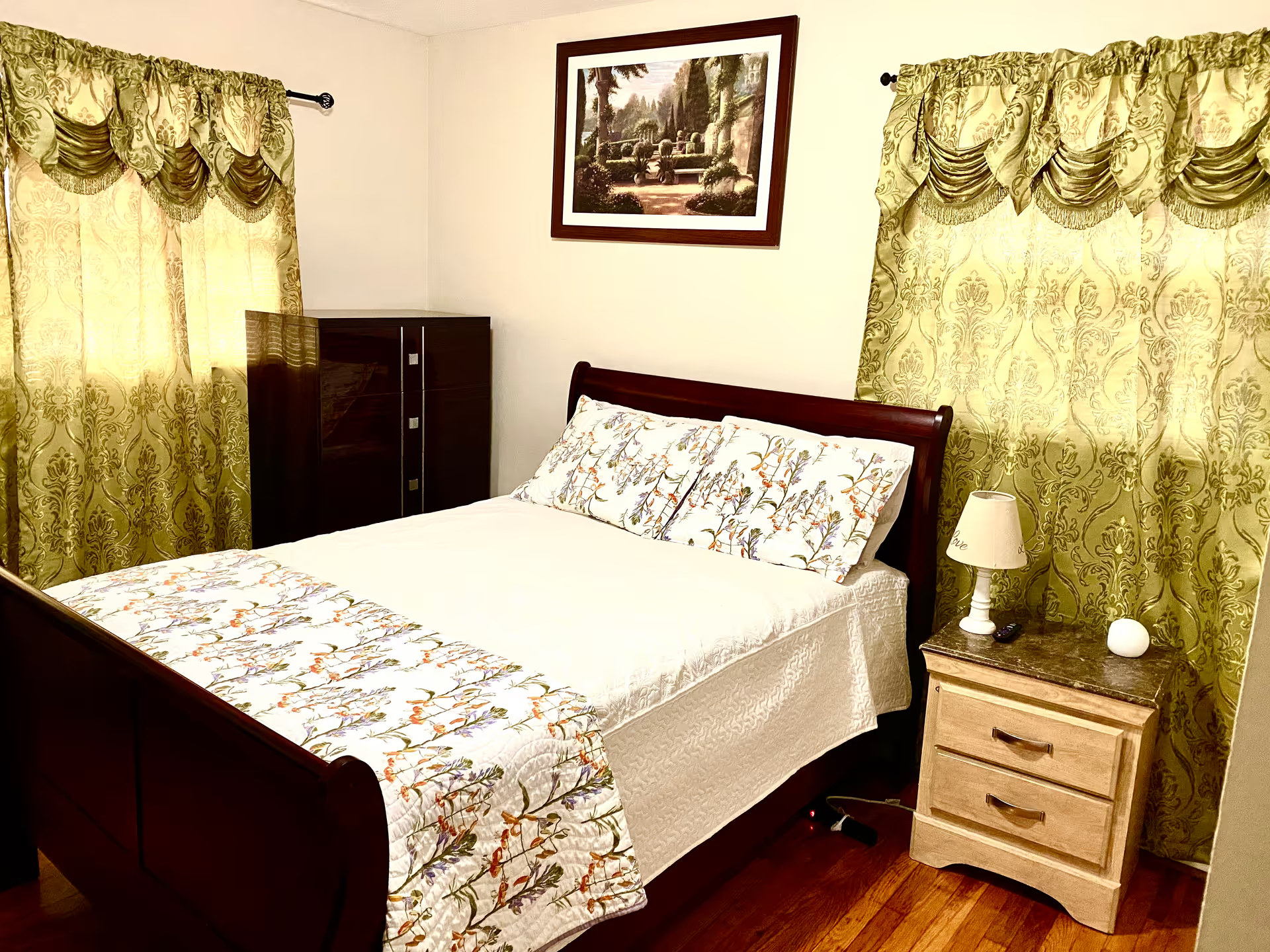
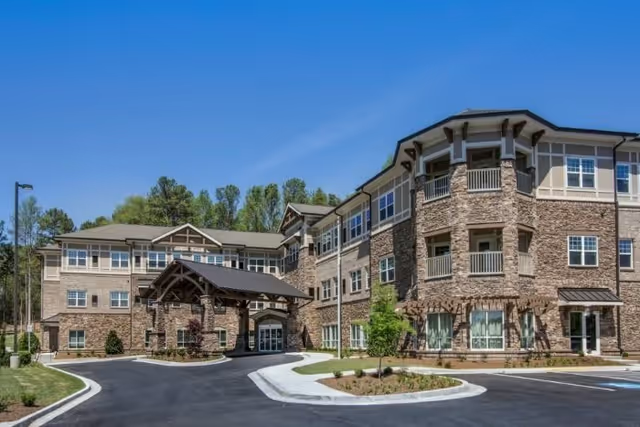
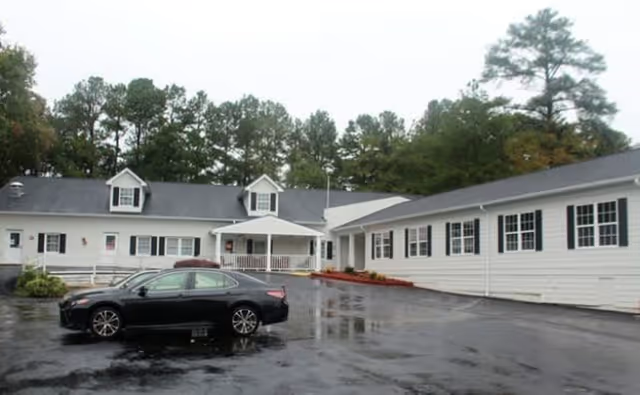
Overall impression: Reviews indicate a small, residential provider that many families find offers personalized, attentive care in a clean, home-like environment. The facility is frequently described as providing one-on-one attention, compassionate staff interactions, and staff who understand dementia-related needs. Several families highlighted a team-based approach to resident well-being and effective communication with family members.
Care and staff: The staff are commonly characterized as caring, patient, and knowledgeable, particularly in dementia care. Reviewers cited individualized support, frequent direct attention, and an environment that feels non-institutional. At the same time, there are operational concerns tied to leadership and workforce stability: some comments point to management tone issues and suggestions that staff compensation may be a factor in retention pressures. Prospective families should clarify staffing levels, staff turnover, and supervisory processes during a visit.
Dining and activities: Meals are described positively — well-prepared and home-style — and many reviewers appreciated the convenience and quality of food service. On-site programming includes personalized activities such as walks and occasional movie nights; reviewers appreciated these opportunities for engagement. However, activity offerings appear limited in scope and frequency for some residents, and off-site outings are minimal. Families seeking a wider range of programmed activities or regular community excursions should ask for a sample monthly calendar and how individualized activity plans are implemented.
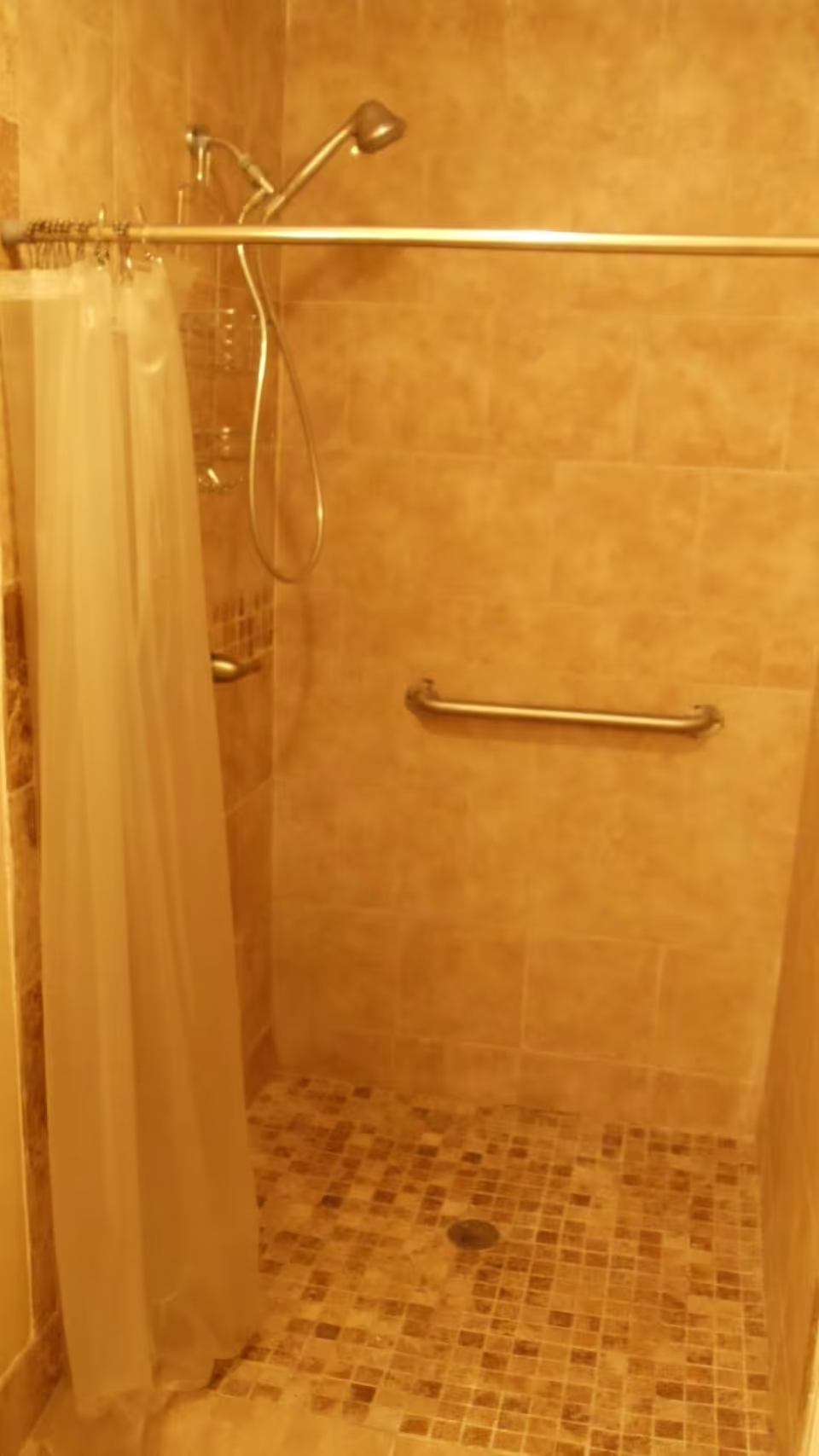
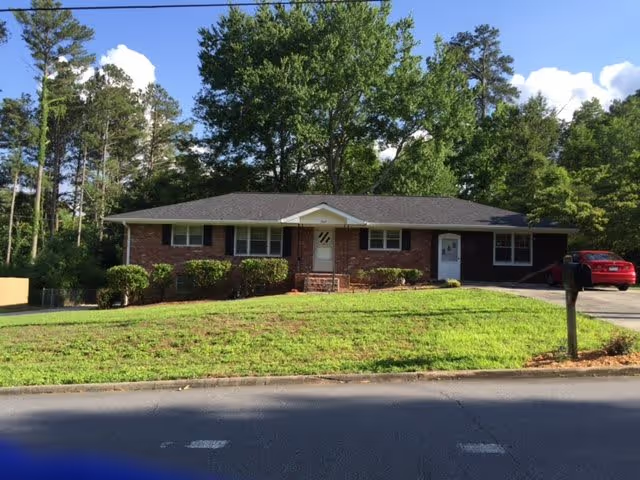
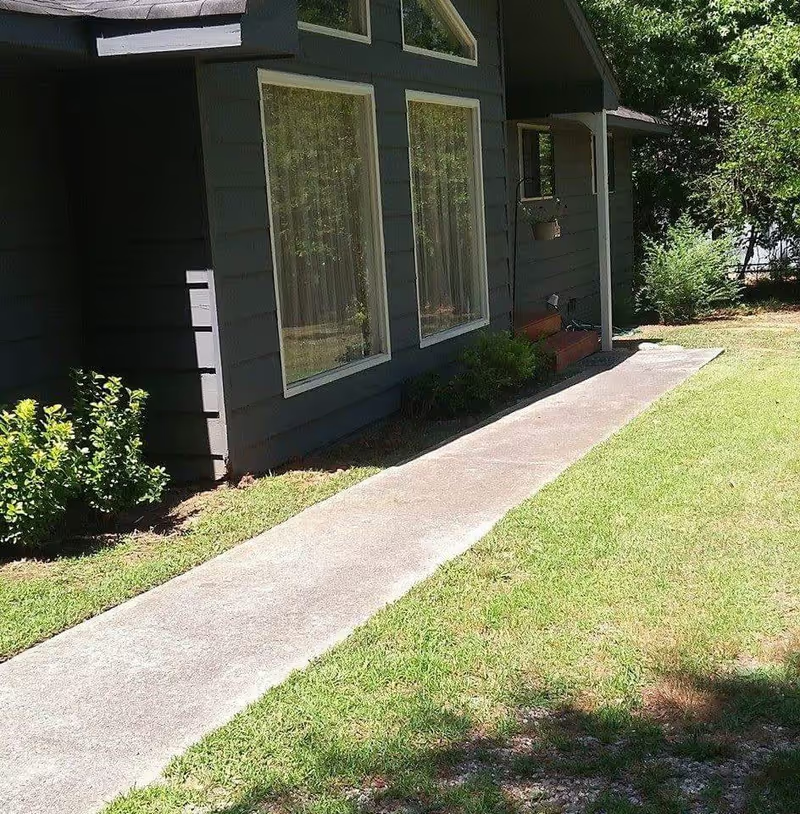
Facilities and infection control: The physical environment is repeatedly described as clean, warm, and residential rather than clinical. Reviewers noted adherence to COVID-19 protocols and a generally pleasant atmosphere. These factors support a comfortable setting for residents who prefer smaller, less institutionalized care.
Management and operations: Reviewers pointed to both positive administrative practices (execution of contracts and professional handling of certain discrepancies) and operational weaknesses. Specific operational patterns that emerged include inconsistent management of incontinence supplies, occasional gaps in follow-through when logistics or care issues arise, and concerns about billing or coordination with outside clinicians and fiduciaries. One reviewer described being charged for doctor trips they considered unnecessary and noted complaints from a medical office and fiduciaries; these comments suggest families should review billing practices, transportation/medical-visit policies, and external-communication protocols.
Notable patterns and recommendations: The facility appears well suited to residents and families who prioritize small-scale, personalized care, a clean environment, and attentive staff with dementia experience. To reduce risk and set expectations, prospective residents and families should request the contract and clarify policies on supply provision (particularly continence supplies), staffing ratios and turnover, activity schedules and outing frequency, billing procedures for medical appointments and transportation, and the facility’s process for incident follow-up and family notification. Doing so will help align expectations with the facility’s operational patterns and address the management-related concerns some families raised.