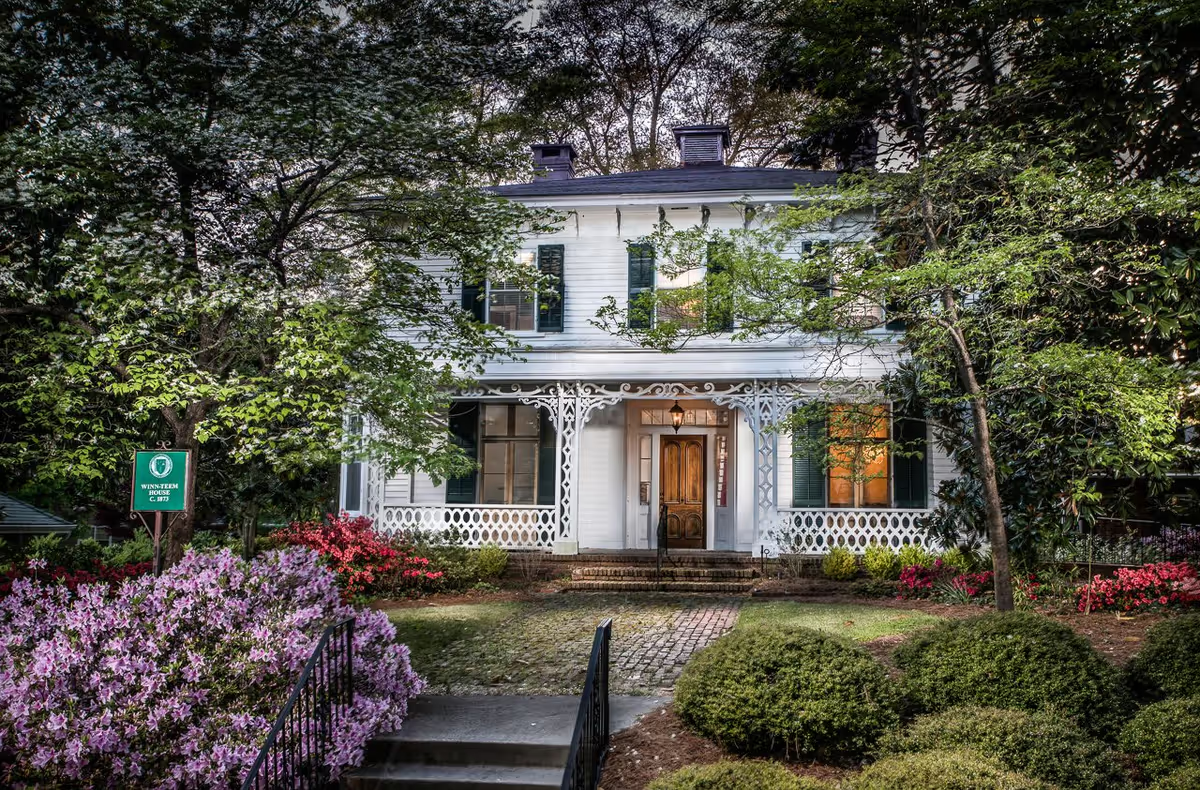
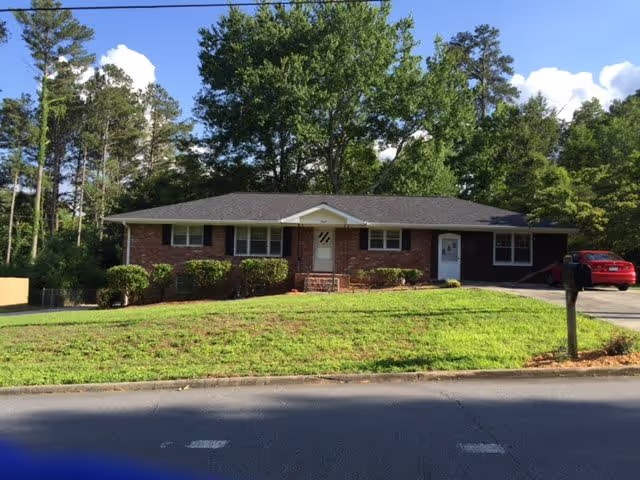
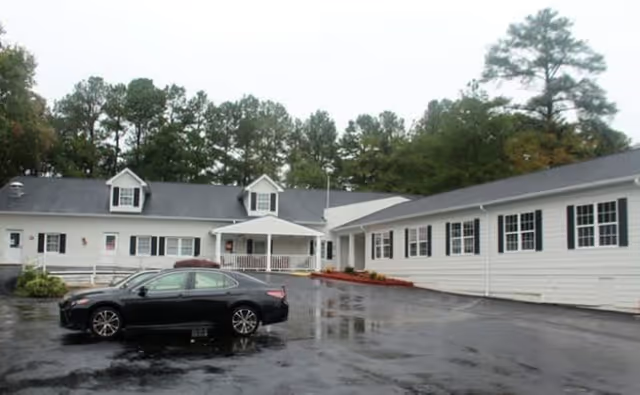
Azalea Manor presents as a small, family-style assisted living community with clear strengths in personalized attention and a home-like atmosphere. Many families praised individual staff members and leadership who are hands-on during tours and involved in resident care. The setting and social spaces — especially the front porch and common areas — are frequently cited as warm gathering places where residents socialize. Proximity to a hospital and an affiliated health system is a recurring practical advantage for families concerned about access to care.
Staffing and direct-care quality show a wide range of experiences. Numerous accounts highlight compassionate, patient, and attentive caregivers who assist with daily tasks, diabetes care, medication administration, and hospice coordination; certain staff and leaders are named positively. At the same time, reviewers indicate persistent staffing instability and periods of understaffing that produce inconsistent service levels. Specific operational gaps described by families include delayed responses, inconsistent bathing schedules, and variability in how medication administration is handled. There are also serious singular allegations concerning clinical incidents; these are notable and warrant further inquiry by prospective families and regulators.
Dining is a mixed picture. The facility’s southern-style, hearty meals and an on-site chef receive strong praise for taste, portion size, and traditional offerings; social dining and delivered meals are appreciated by many residents. Conversely, other families reported repetitive or lower-quality meal options at times and interruptions to normal meal-service routines. Overall, meal quality appears to be an area with both dedicated strengths and occasional reliability problems.
Activity programming and memory-care engagement also vary. Regular offerings such as bingo, trivia, music therapy, movie nights, afternoon tea, and visiting church services create meaningful opportunities for socialization for some residents. However, reviewers note a lack of consistently structured programming in the memory-care wing and limited specialized activities or safety features tailored to higher-acuity cognitive needs.
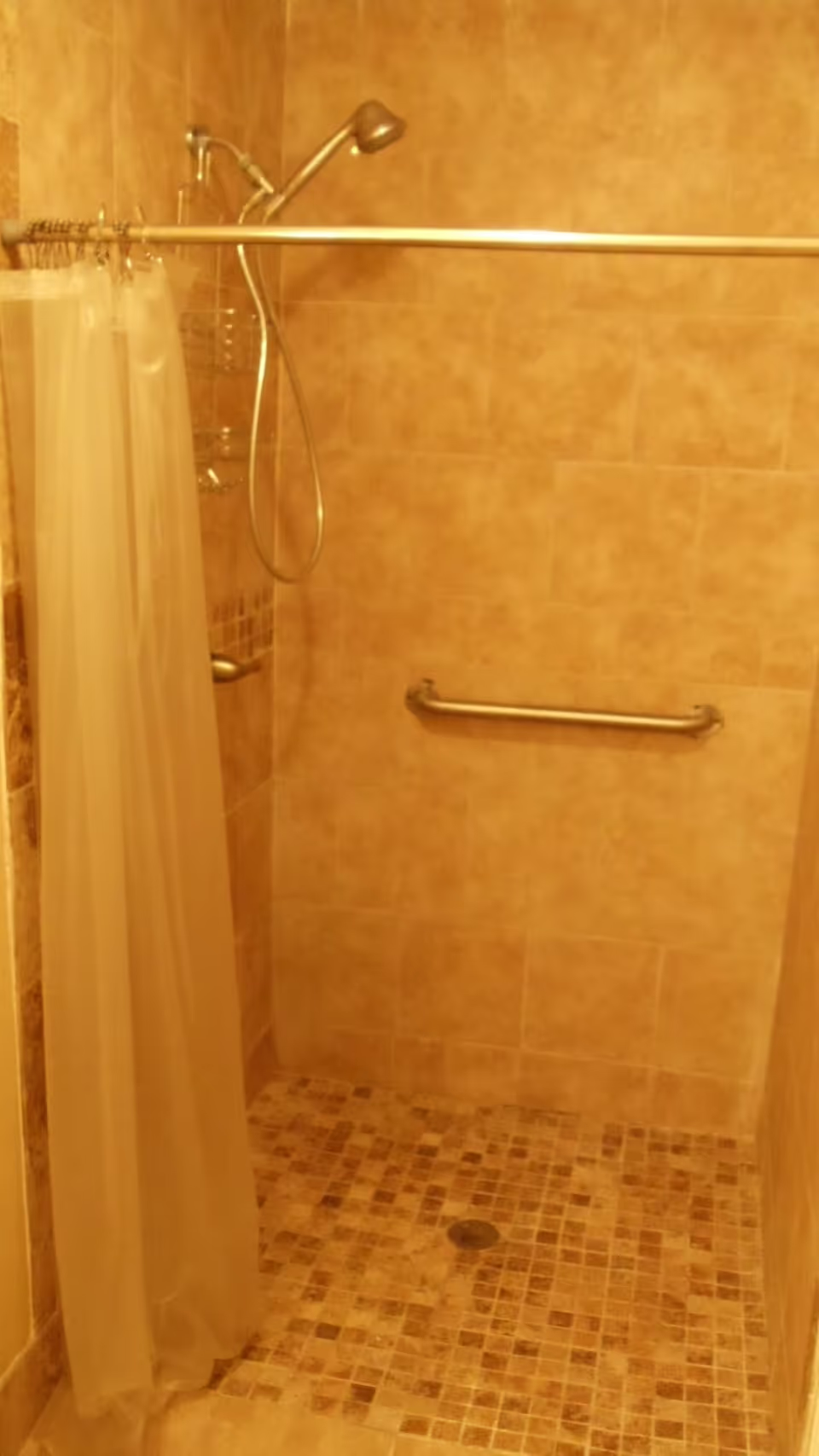
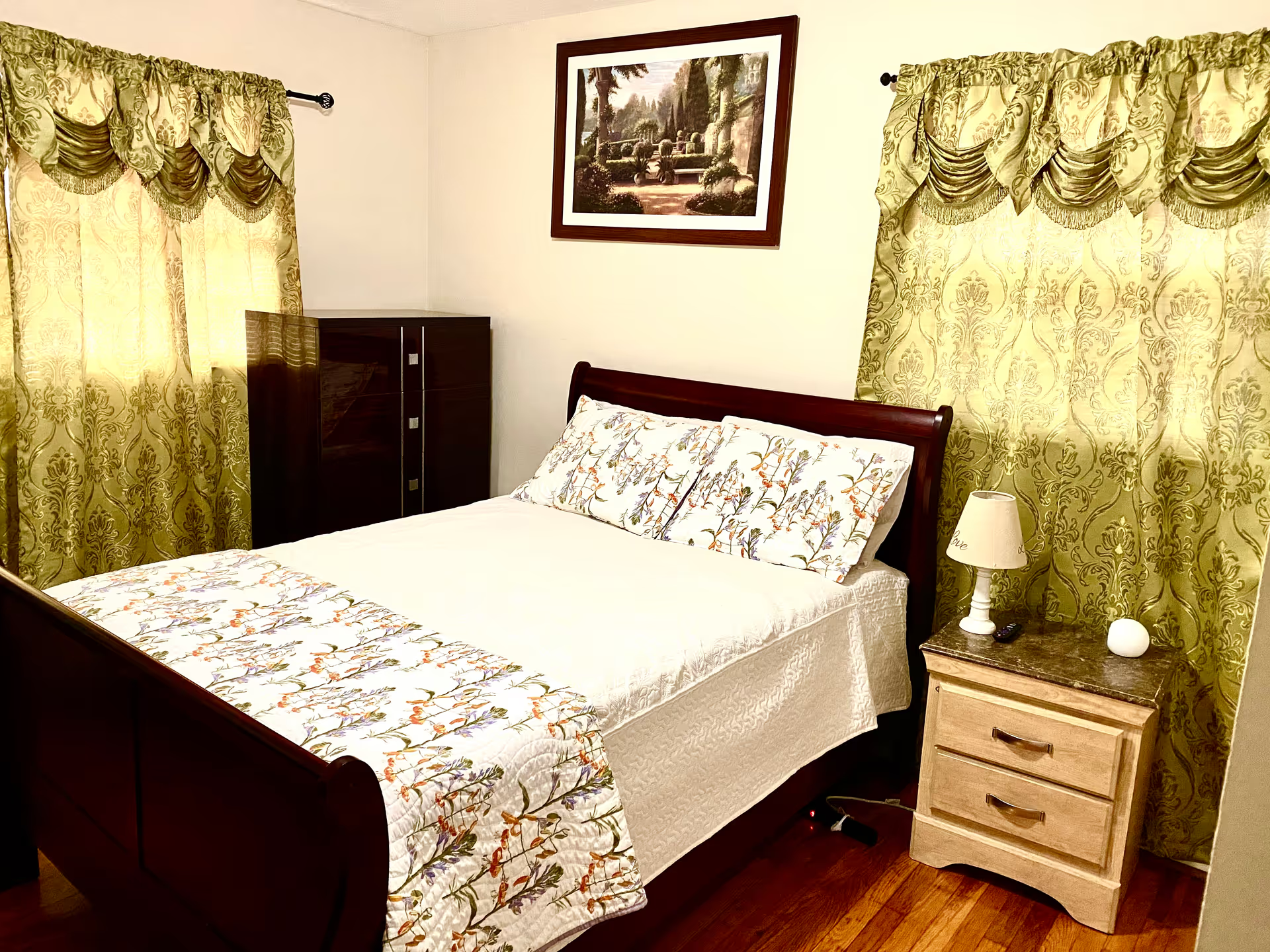
The physical plant and safety systems elicit mixed reactions. Some reviewers describe clean, tastefully decorated common areas and well-kept hallways. Others raise concerns about dated interiors, room layout constraints for mobility devices, and building maintenance issues that have affected the kitchen or utilities. Security and safety controls are a recurring operational concern: examples include doors that are not consistently secured, delayed staff responses to elopement attempts, and uneven emergency-response coordination. Sanitation and housekeeping practices are described as inconsistent across units, and a few families reported infection-control and PPE practice gaps.
Management and administrative performance show variability over time. Several families praised engaged directors and charge nurses who communicate proactively and advocate for residents. Conversely, other accounts point to episodic leadership turnover, inconsistent communication, unmet promises, and billing or refund disputes. These managerial inconsistencies appear linked to the variability in daily operations and staff morale noted by reviewers.
Overall, Azalea Manor offers a small, personal assisted-living environment with meaningful strengths in staff-resident relationships, social spaces, and home-style meals. Prospective residents and families should weigh these positives against operational concerns around staffing consistency, clinical capacity for higher-acuity needs, environmental maintenance and safety controls, and administrative reliability. An in-person tour focused on staffing ratios during the prospective resident’s expected care hours, examples of recent inspection or corrective-action documentation, and clear written policies on medication management, bathing schedules, and emergency response would help families evaluate current operational status and fit for individual care needs.