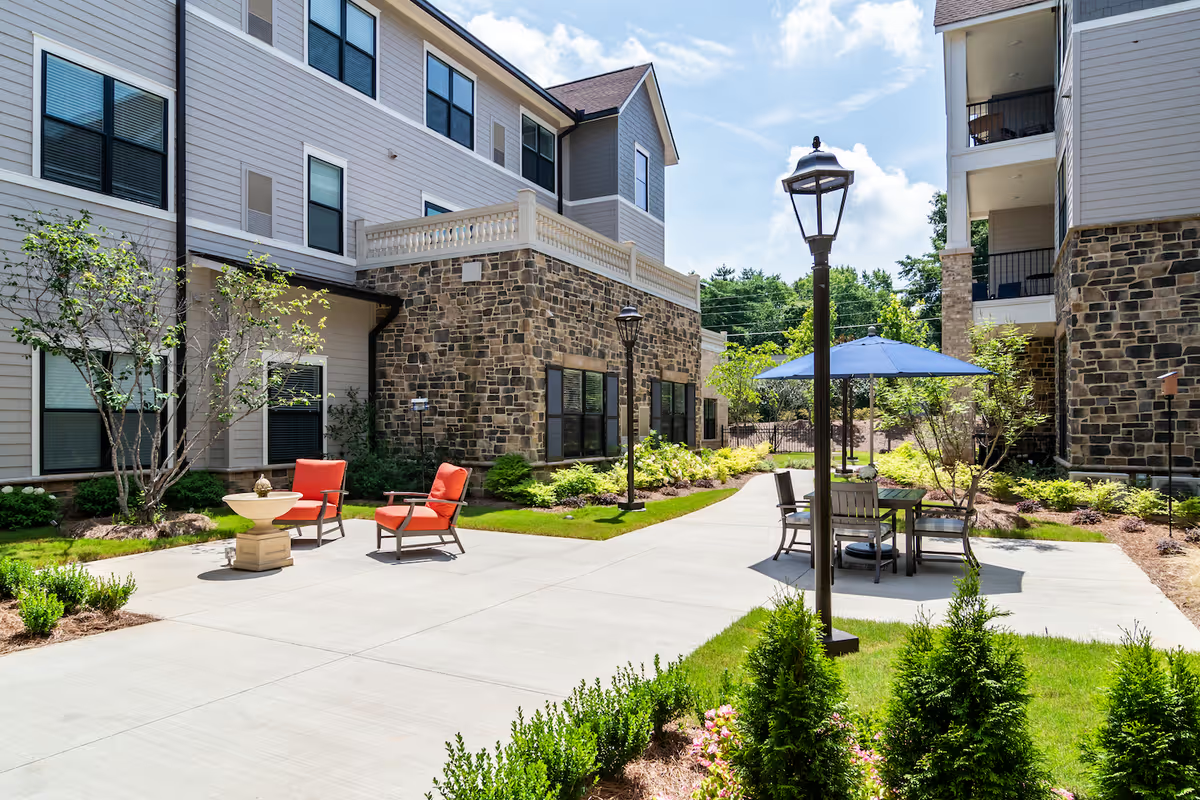
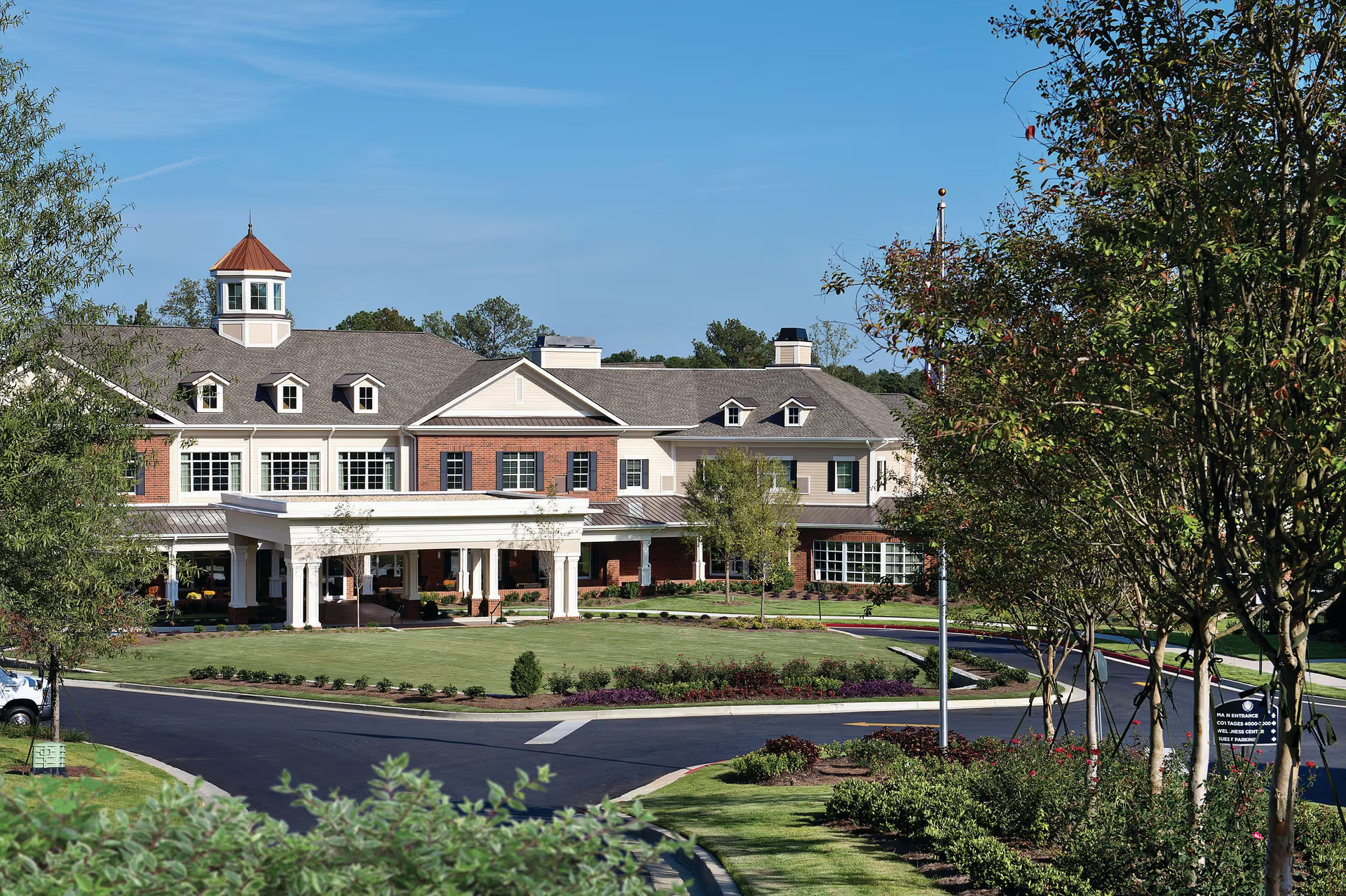
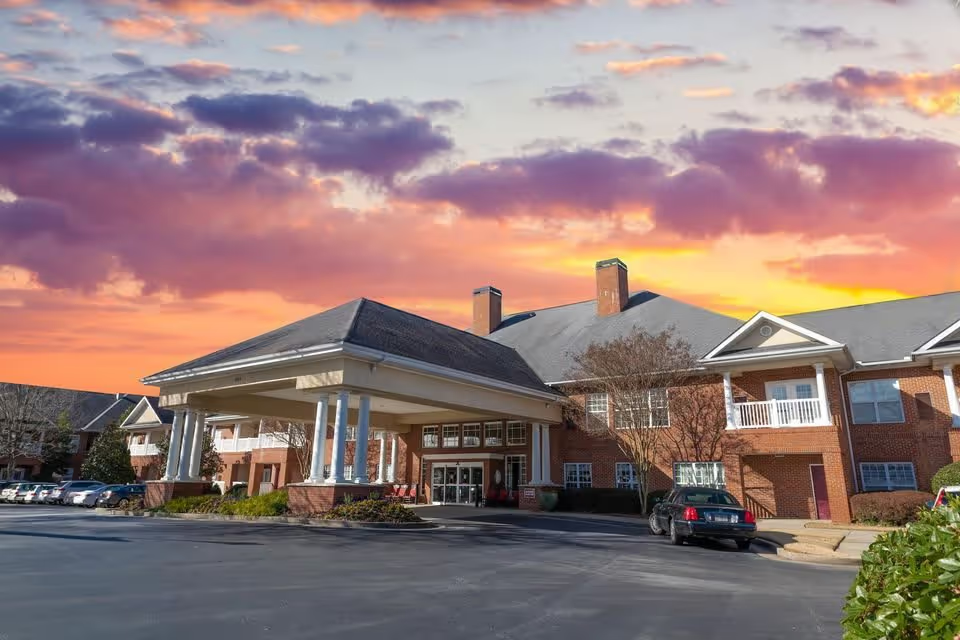
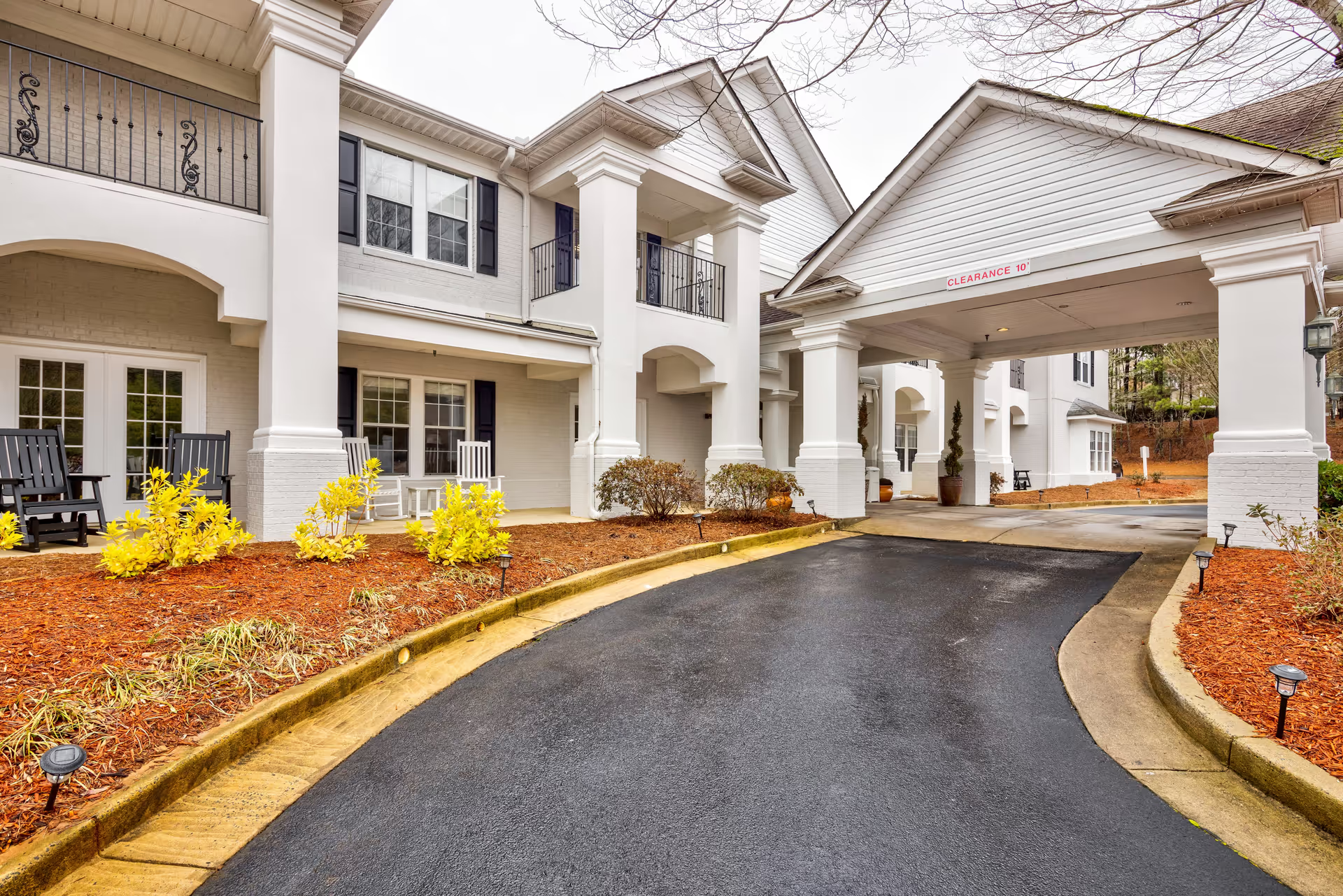
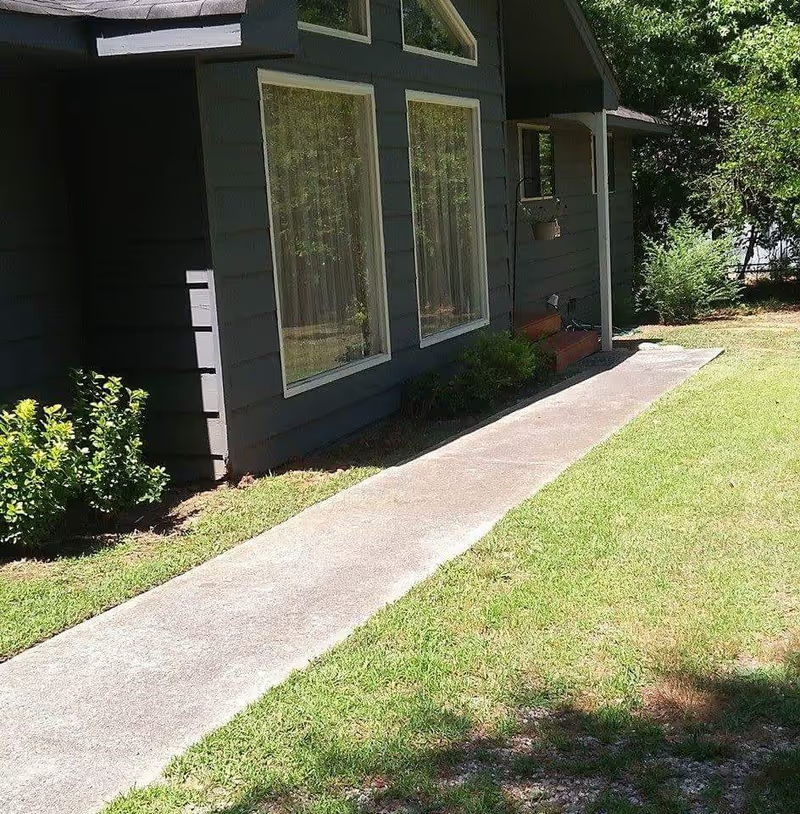
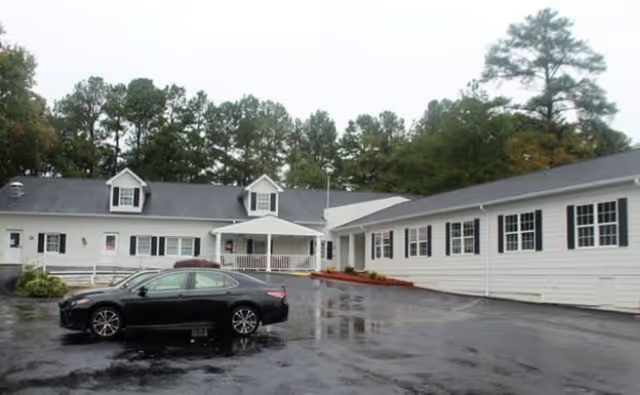
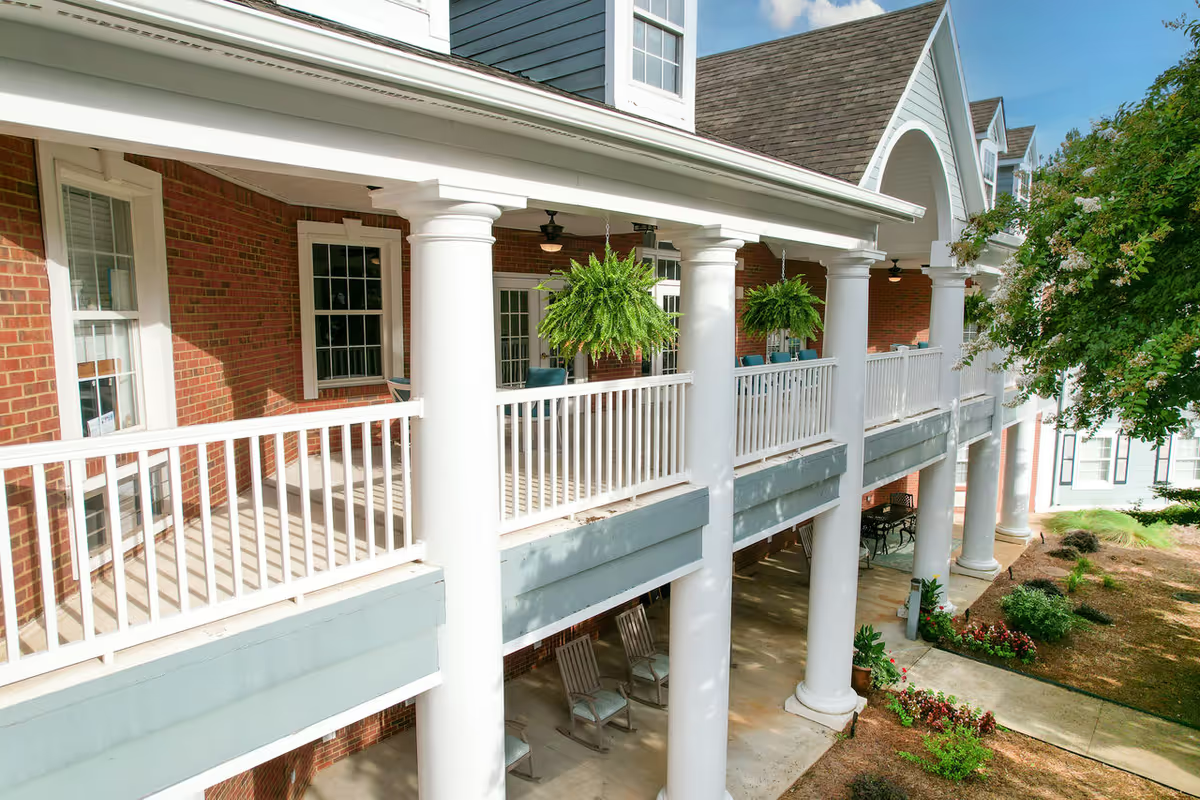
Sunrise at East Cobb elicits a strongly mixed set of impressions. Positive accounts emphasize a homelike, mansion-style facility with spacious private suites, a small resident population, separate memory-care and assisted-living areas, and a clean, well-maintained interior. Many families praised the warm, nurturing direct-care staff, active admissions communication, and the availability of medical oversight including medication reviews and physician visits. The community offers a wide range of social and cultural programming (bingo, outings, shopping trips, religious services, holiday events) and noted strengths in hospice or end-of-life support and regular family contact. Dining quality and an engaged kitchen staff were cited favorably by multiple families.
At the same time, a number of operational concerns recur across reviews. Staffing emerged as a central issue: reviewers point to inconsistent staffing levels, high resident-to-staff ratios, and staff retention challenges that appear related to compensation. These workforce pressures are linked in some accounts to variable caregiver skill and training, inconsistent responsiveness to personal-care needs (including incontinence-care processes), and interruptions in meal service. Several families described gaps in clinical follow-up or medication handling in specific cases, which has affected confidence in continuity of care.
Management and safety perceptions are similarly mixed. Some families found admissions personnel and certain leaders responsive and helpful, while others described dismissive communication or discriminatory behavior from managers. There are serious, isolated allegations that have raised safety concerns for reviewers; these accounts suggest the importance of reviewing the facility’s incident history and oversight practices in detail. Practical limitations were also noted, including the facility’s capacity to accommodate certain transfer equipment and constrained outdoor or visitor access points.
For prospective residents and families, the pattern is one of polarized experiences: many residents thrive in a warm, activity-rich, medically supervised setting, while others have experienced lapses tied to staffing, training, and operational continuity. When evaluating this community, visitors should observe staffing levels at different times of day, ask for specifics on training and turnover, review medication and incident-response protocols, confirm the facility’s ability to accommodate any required transfer equipment, and discuss contract terms and total cost. A guided tour during meal service and an opportunity to speak with current family members or ombudsman resources can help clarify whether the facility’s strengths align with a particular resident’s needs and safety expectations.