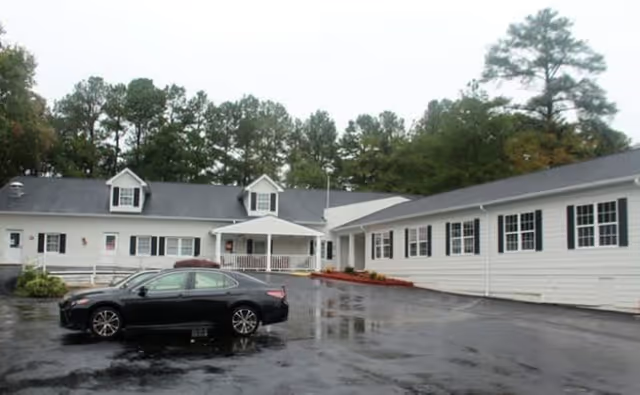
Reviews of The Blue Garnet Personal Care Home present a mixed picture. Many comments emphasize strengths in direct caregiving and programming: staff are frequently described as welcoming, motivated, friendly and knowledgeable, and reviewers highlighted active oversight and day-to-day personal care. The community offers a variety of social and wellness activities—board games, puzzles, chair yoga, and art classes are specifically mentioned—which, together with multiple daily meals and snacks, contribute to regular engagement opportunities for residents.
Care quality is generally portrayed positively in terms of staff interactions and routine monitoring. Several reviewers noted attentive, personable caregivers and a sense that residents receive consistent assistance. At the same time, there are consistent administrative concerns that affect perceptions of overall care: reviewers described management responsiveness gaps and specific difficulties with billing and refund processing. These administrative issues appear to have a meaningful impact on satisfaction for families who experienced them.
Dining and activities are clear strengths for some families. The facility provides multiple meals and snacks, and the activity offerings are varied and social in nature, which supports engagement and routine. Perceptions of value vary; some reviewers consider the services and programming worthwhile, while others question whether the cost aligns with the physical condition and size of living spaces.
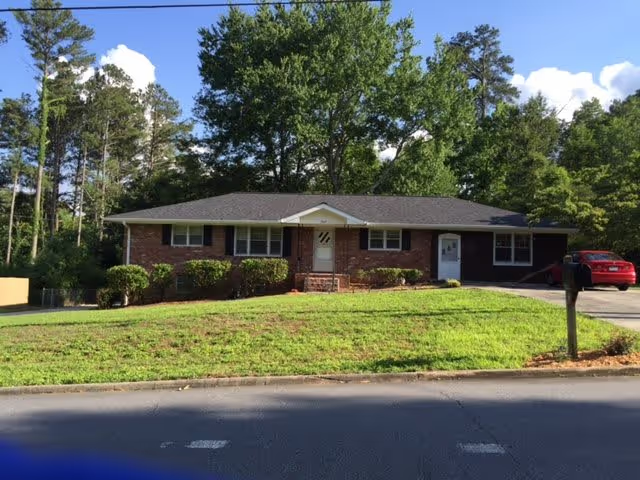
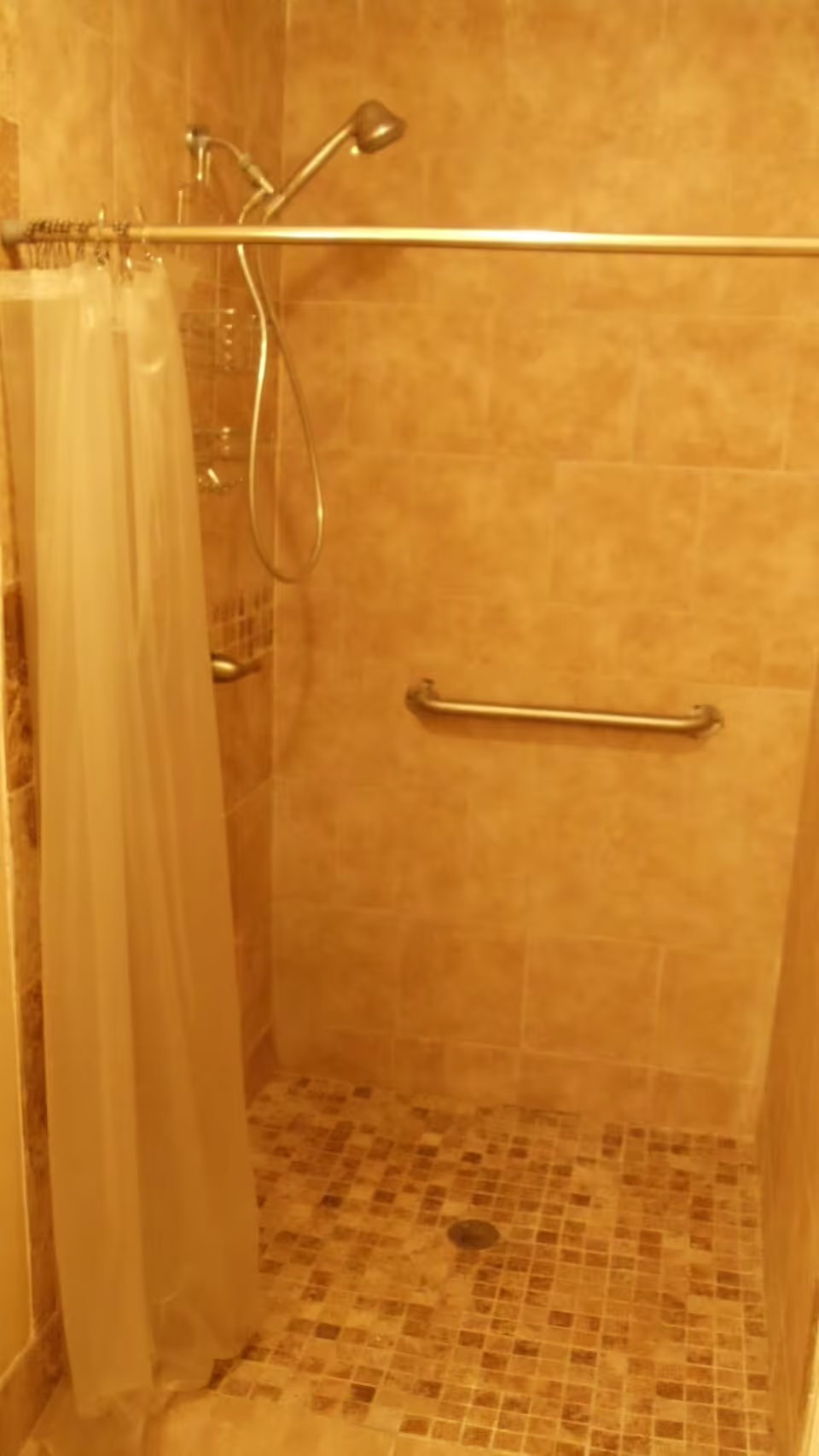
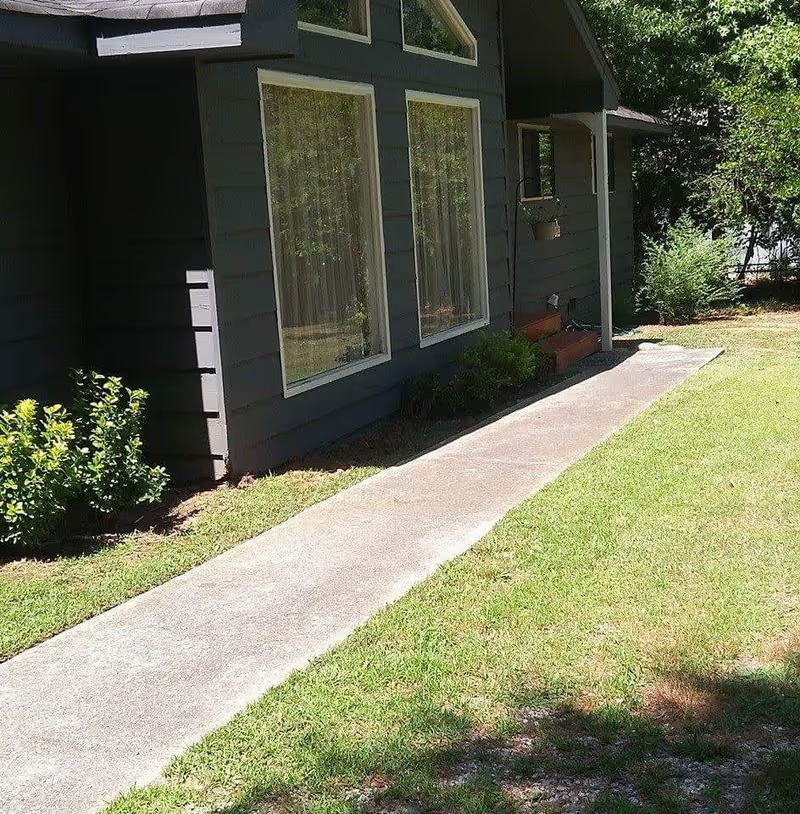
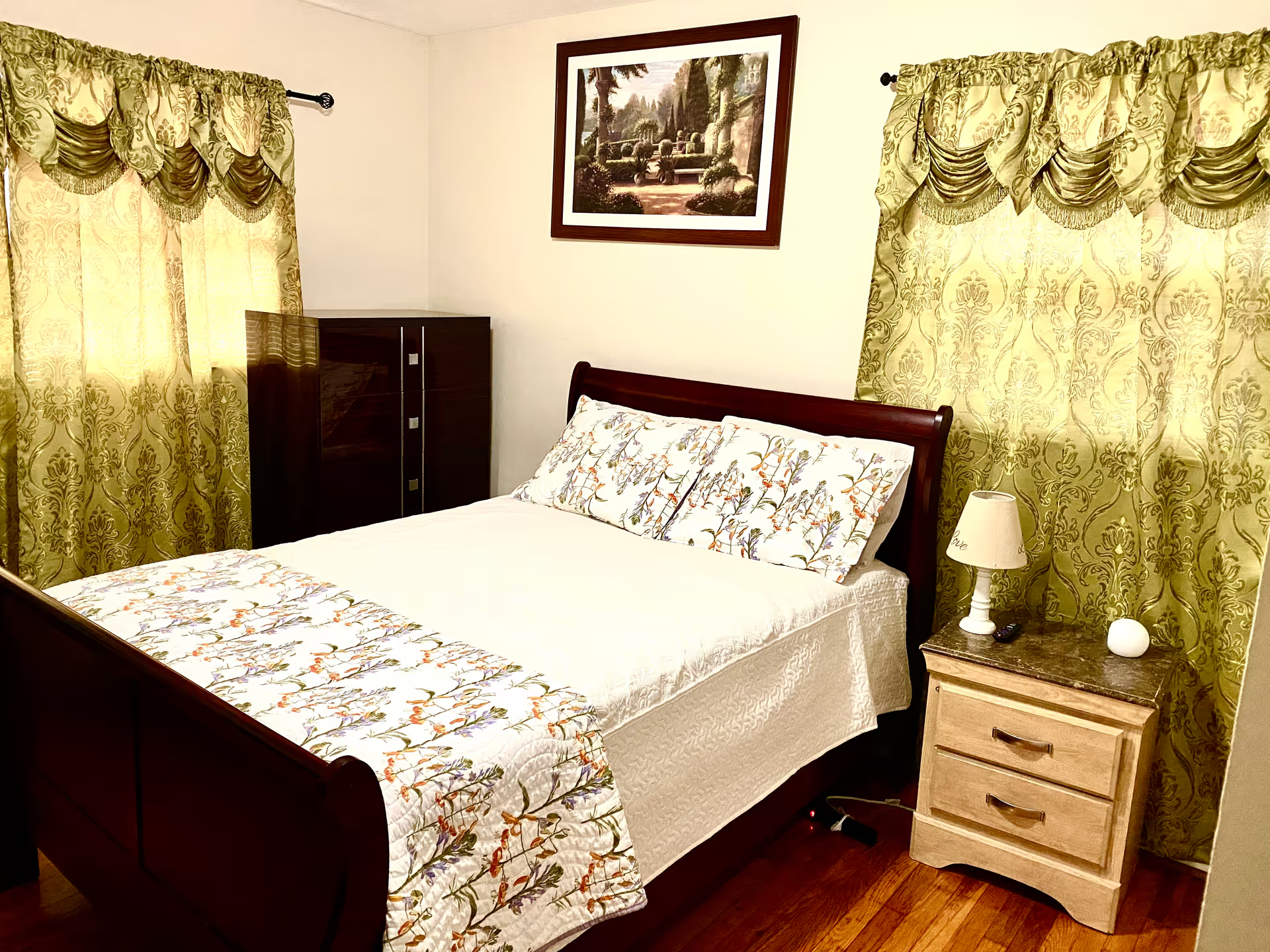
Facility condition is an area of divergence. Positive comments refer to warm, cozy room ambiance, but other reviewers raised cleanliness and odor concerns and described inconsistent upkeep. Room sizes are noted as small by multiple reviewers, which may limit comfort for residents and visiting family. Taken together, these facility-level issues affect impressions of how homelike and well-maintained the environment feels.
Management and administration are recurring themes. Beyond refund and billing delays, families expressed dissatisfaction with follow-through on commitments. These operational weaknesses, combined with concerns about cleanliness and limited room size, contribute to an overall impression that the community offers strong personal interactions and programming but has notable gaps in facility upkeep and administrative reliability.
For prospective residents and families, the pattern suggests prioritizing an in-person visit focused on current cleanliness and odor conditions, inspection of room sizes, review of written billing/refund policies, and direct conversations with management about responsiveness and maintenance protocols. Observing staff–resident interactions and sampling an activity or meal during a visit would help assess whether the community’s strengths align with individual priorities.