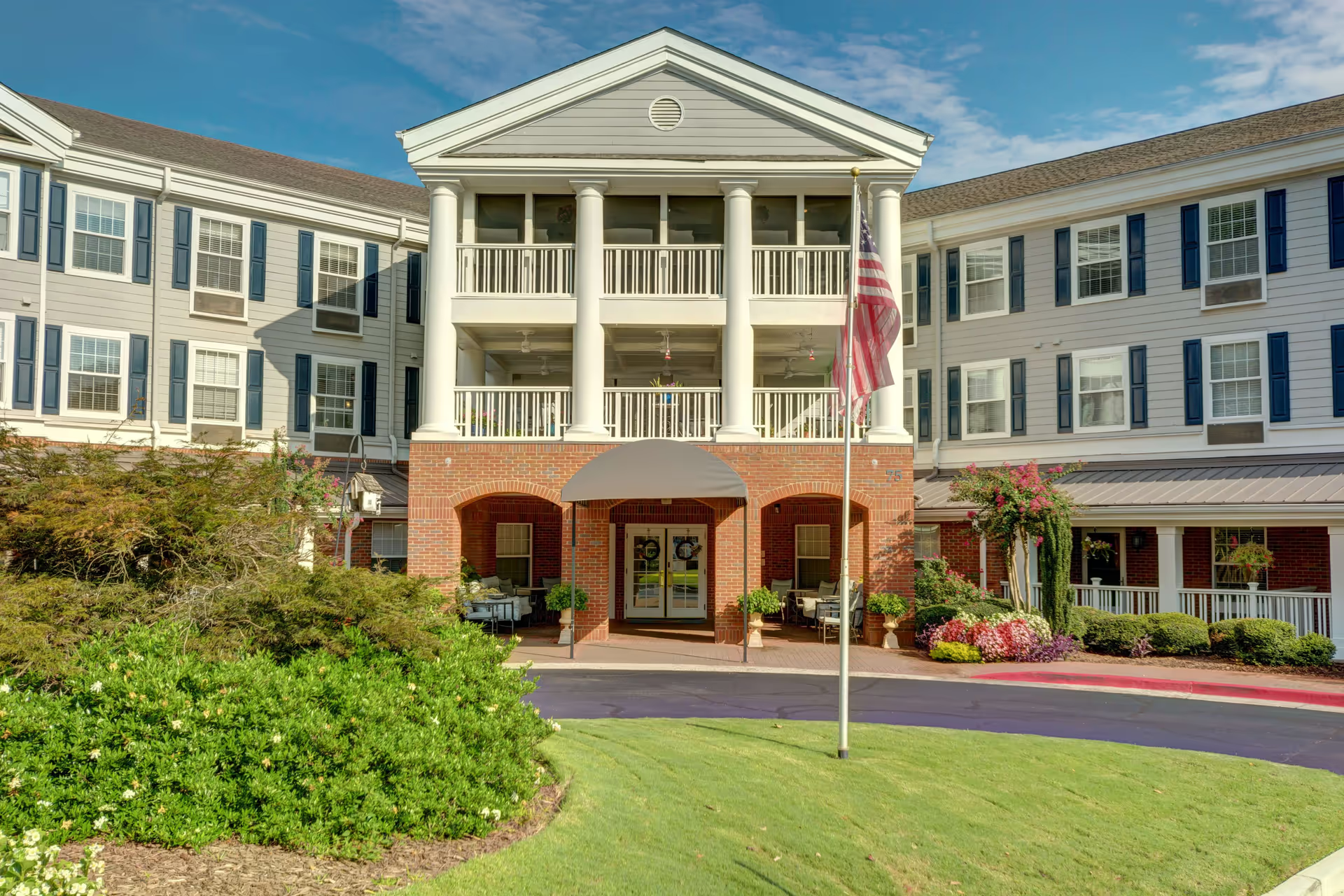
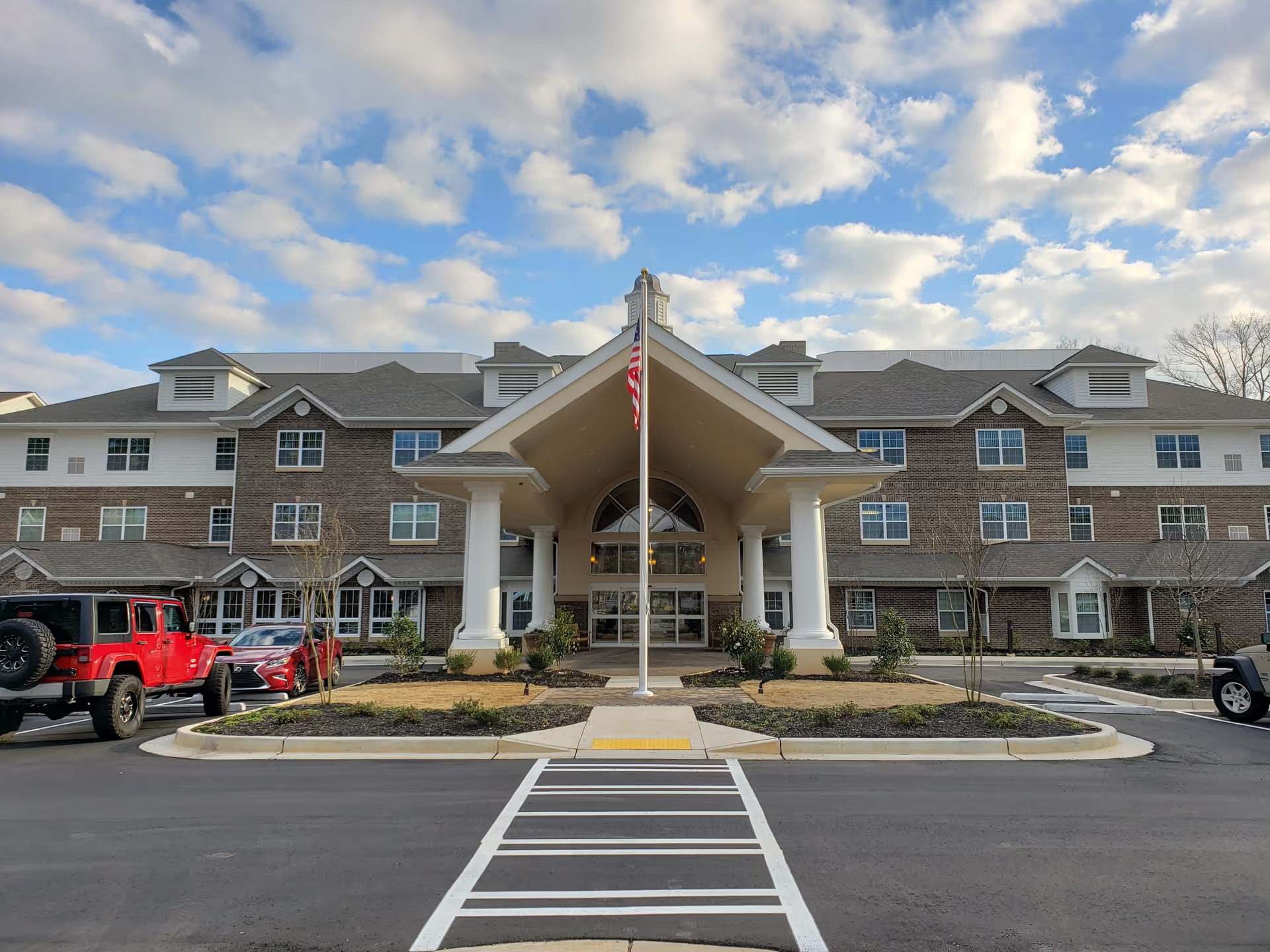
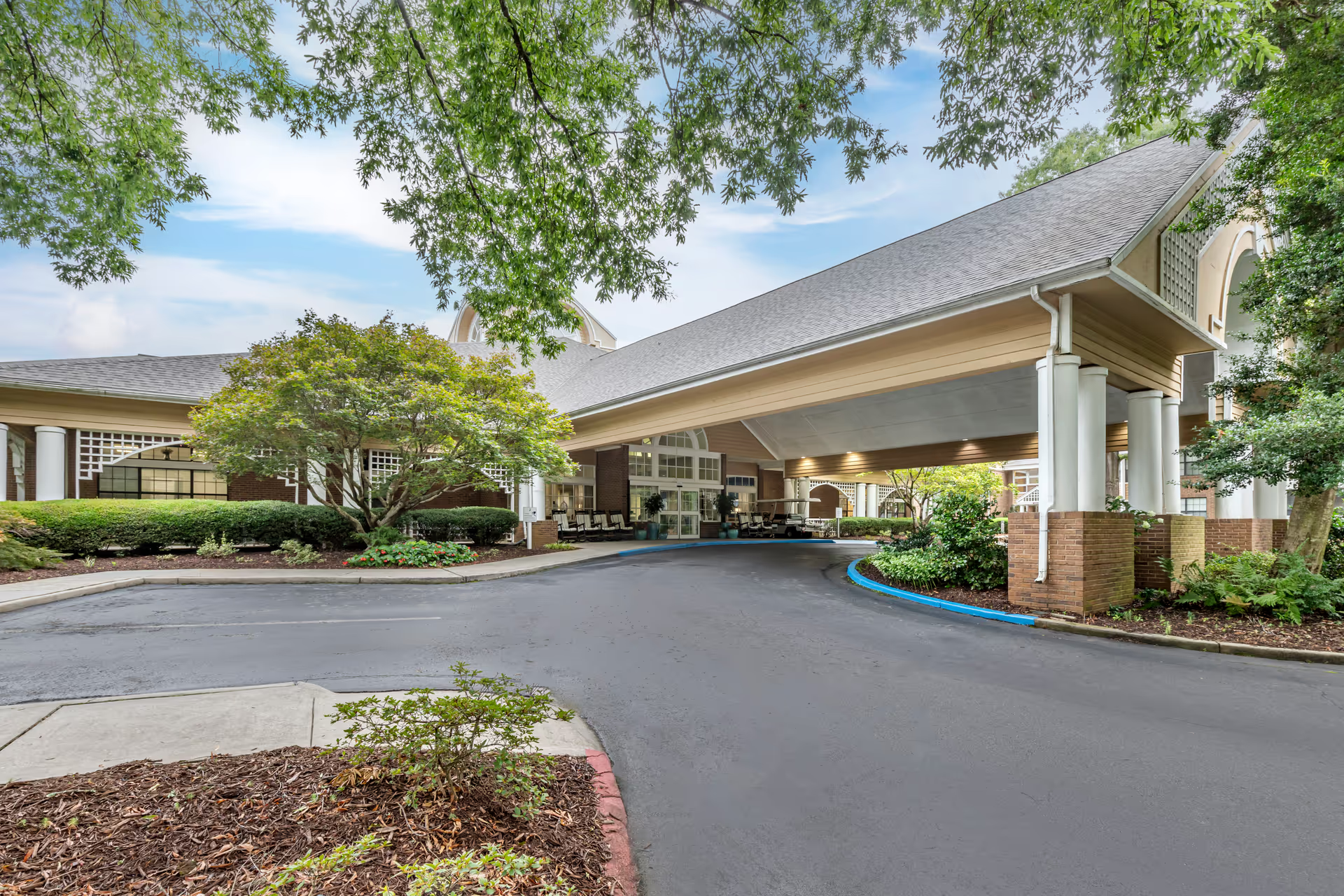
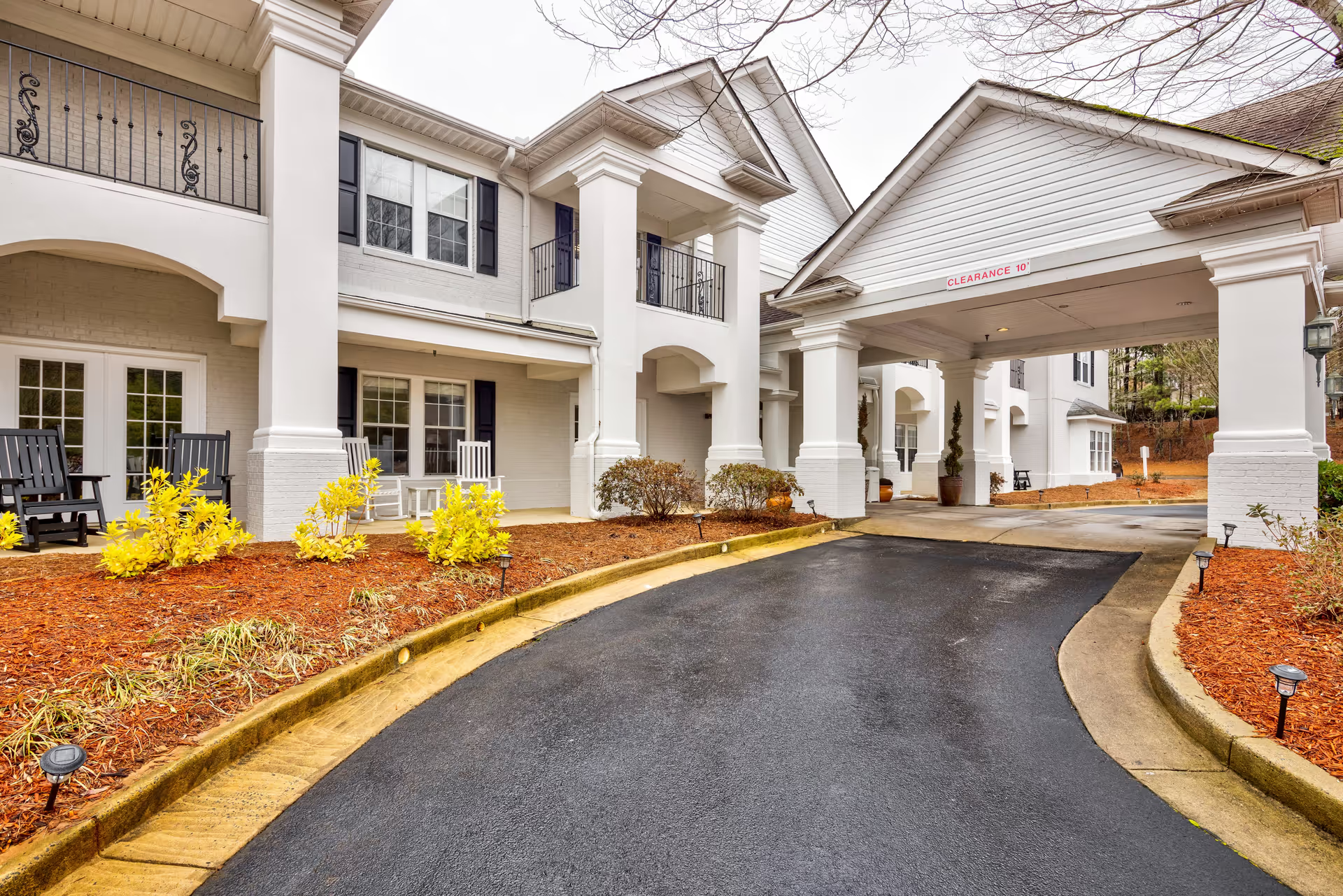
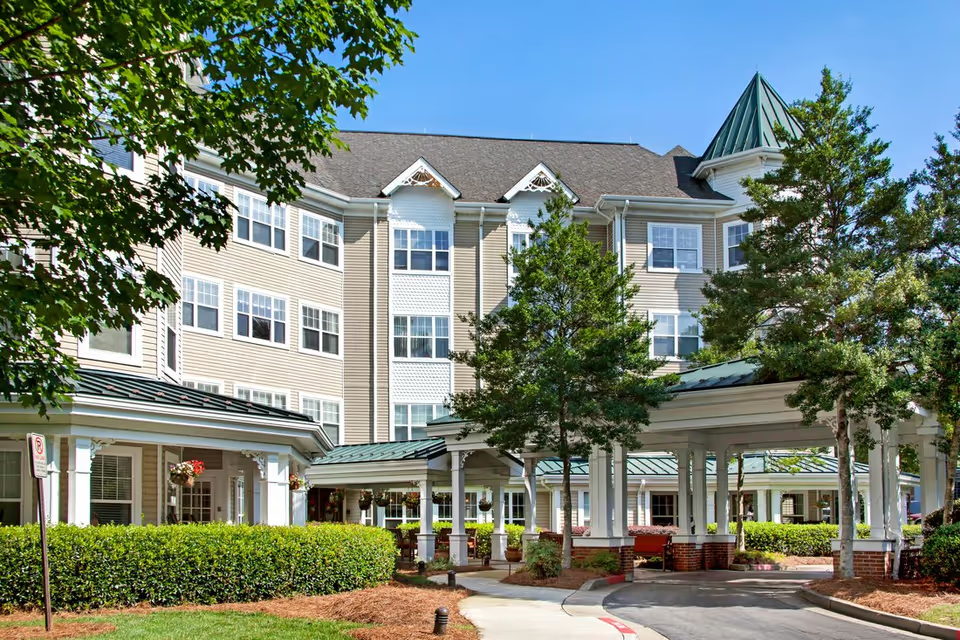
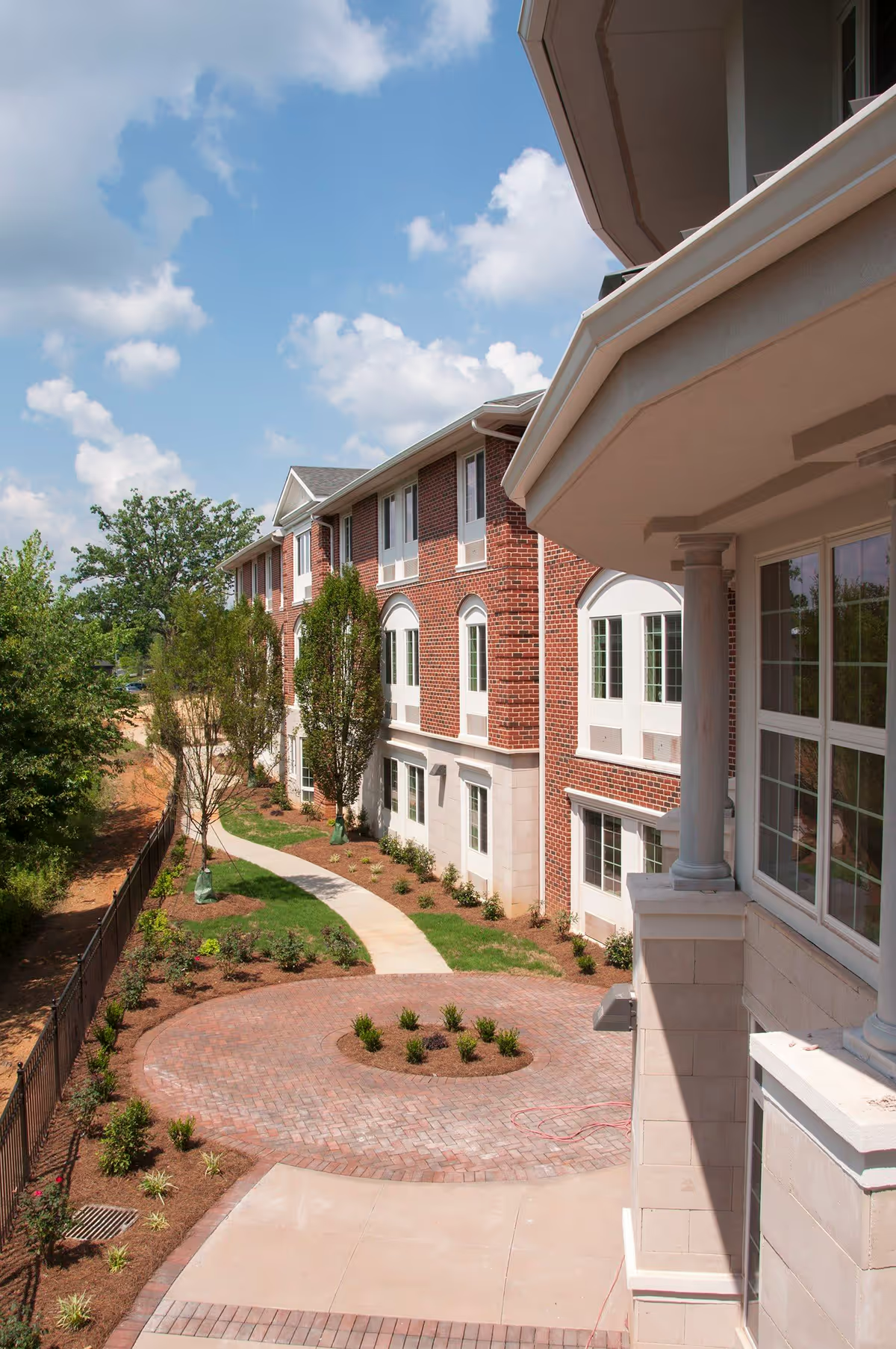
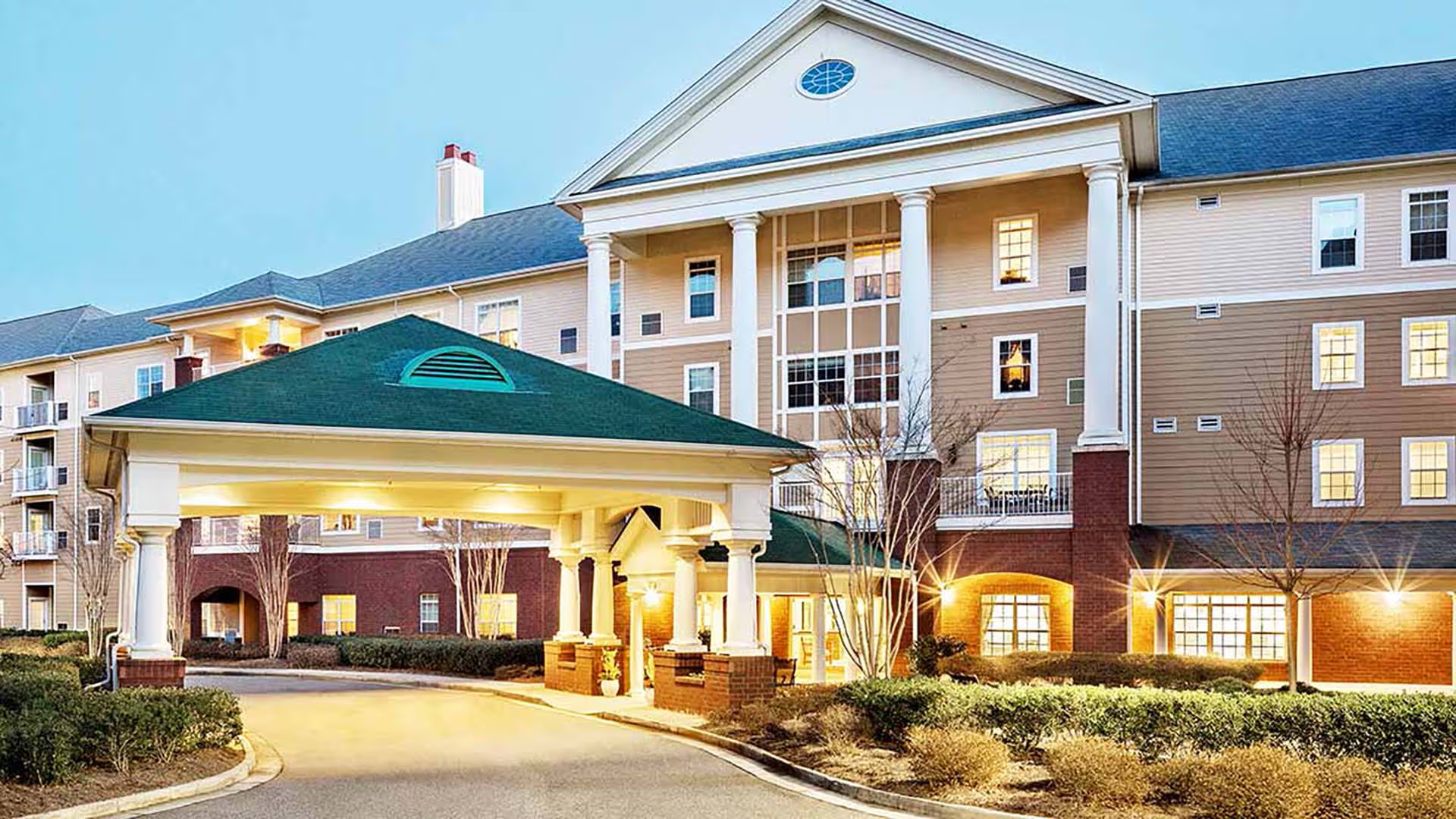
Reviews of Roswell Center for Nursing and Healing present a highly mixed picture: several families and patients describe strong clinical capabilities and caring frontline staff, while many others raise persistent operational and safety concerns. The facility appears capable of delivering high-acuity services in specific areas — notably respiratory therapy, wound care, and short-term rehabilitation — and many reviewers credit therapists and some nurses or CNAs with helping patients make meaningful progress. Admissions and front-desk interactions are frequently described as welcoming, and parts of the building have been renovated with clean common areas and attractive outdoor spaces.
Care quality is variable. Positive accounts highlight attentive CNAs, skilled therapy teams, and effective management of complex devices (tracheostomy, feeding tubes, IVs). In contrast, recurring patterns include medication delays or supply gaps, missed treatments, and delayed recognition of changes in clinical status that, in some cases, resulted in hospital transfer. There are also repeated references to gaps in personal-care routines — for example, inconsistent bathing schedules and delays in attending to toileting or hygiene needs — which reviewers associated with adverse outcomes for some residents. Several reviews describe serious post-discharge hospitalizations and concerns following resident hospitalizations and deaths; these accounts raise questions about consistency of clinical oversight and transitions of care.
Staffing and management are central themes. Many reviewers praise individual staff members by name and report compassionate, family-like interactions; others describe poor responsiveness, negative communication tone, and an attitude among some licensed staff that they are doing only the minimum required. High turnover, use of agency staff, and apparent shortages at night and during shift changes are commonly cited as contributors to inconsistent care. Families frequently note difficulty obtaining timely responses from management or social work, and some describe weak follow-up on complaints and unclear accountability for incidents involving resident belongings.
Dining and activities show a similar split. The activities program is often described as a positive element that gets residents out of rooms and engaged, though some families find it limited in duration or scope. Dining experiences range from balanced, hot meals with dessert to meals that families characterize as inadequate for therapeutic needs; multiple reviews mention problems accommodating denture loss and other special diets, and some describe inconsistent meal quality and slow service.
Facility conditions vary by area. There are reports of recently renovated wings and attractive outdoor amenities alongside older, small rooms, limited visitor seating, ventilation and odor concerns, and sanitation and pest-control issues in some units. Housekeeping performance is described as inconsistent, with some reviewers noting clean, well-kept areas and others reporting lapses that affected the resident environment. Physical plant limitations — small rooms, non-ADA bathrooms in some private rooms, and uneven renovation coverage — are recurrent observations.
Taken together, the pattern suggests a facility with demonstrable clinical strengths (especially in therapy and specialized clinical care) but also with operational weaknesses that affect day-to-day resident experience and safety: inconsistent staffing, gaps in medication and treatment administration, variable housekeeping and infection-control performance, and uneven management responsiveness. Prospective residents and families should consider visiting at different times of day, ask for current staffing ratios, review recent inspection reports, inquire about medication-supply and pest-control protocols, request examples of care plans for residents with similar needs, and confirm lines of communication for incident escalation. For those needing strong rehabilitation or respiratory/wound care, the facility has demonstrated capability; for long-term placement, families should weigh the variability in nursing responsiveness and environmental upkeep when making a decision.