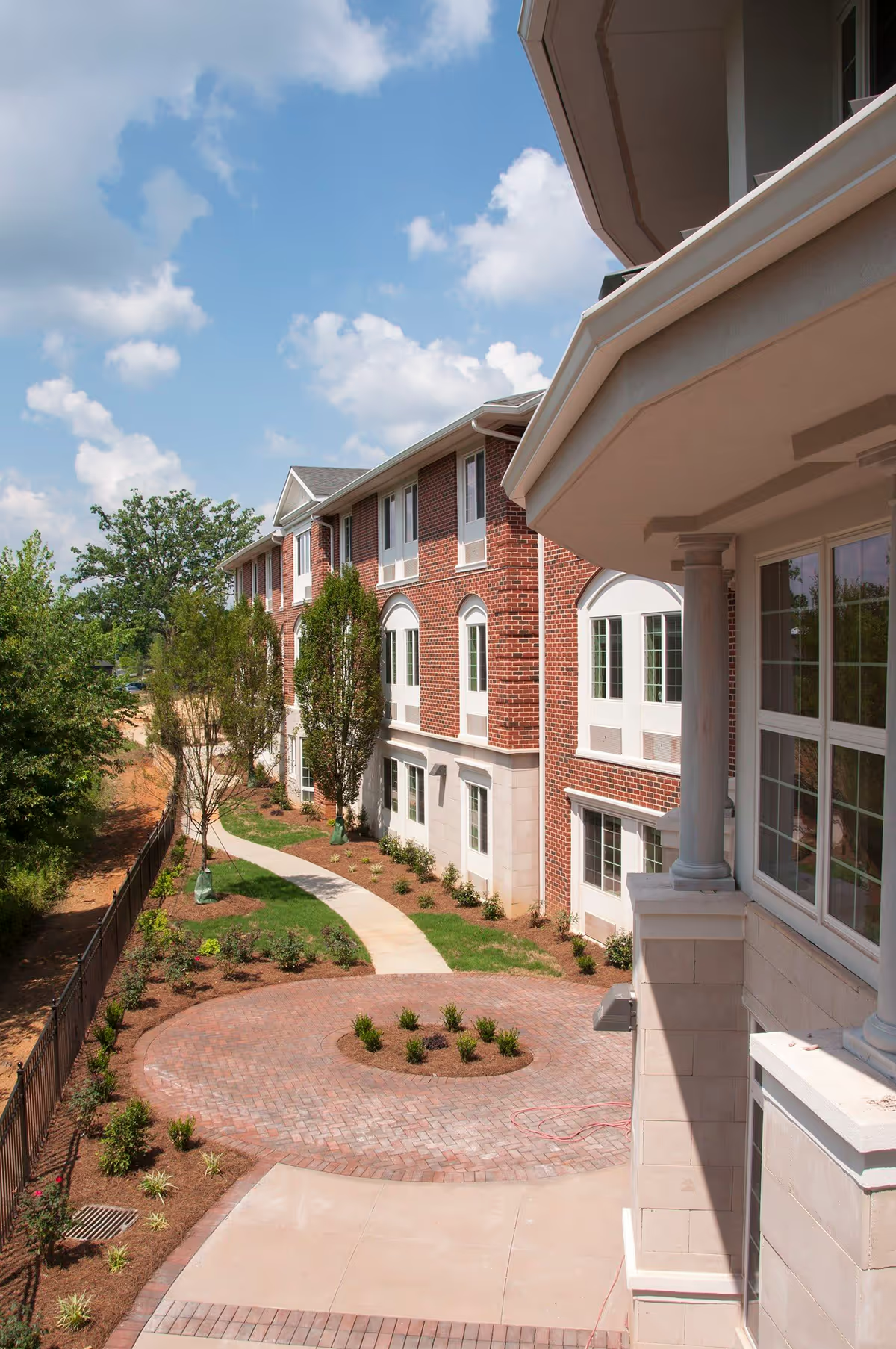
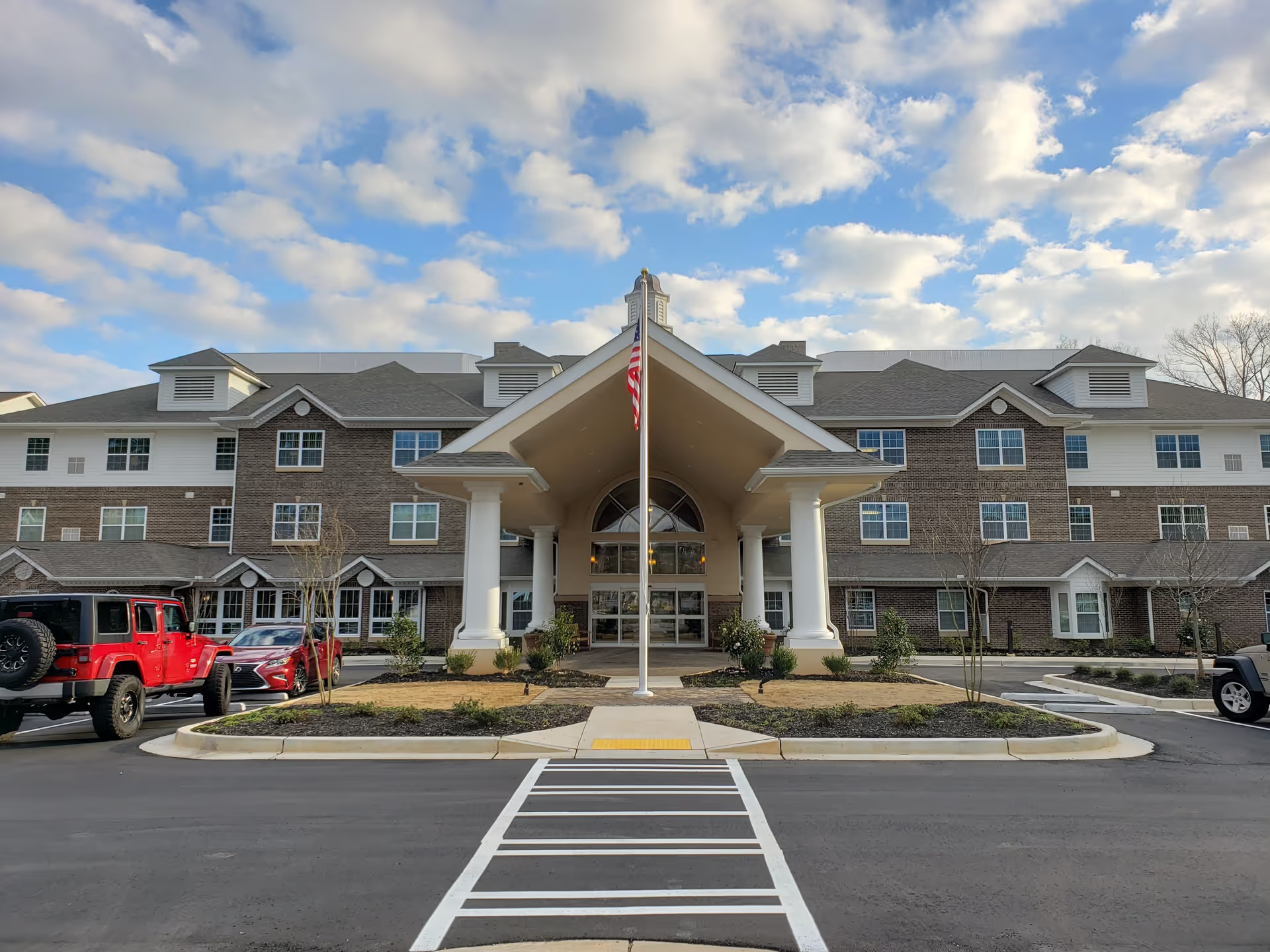
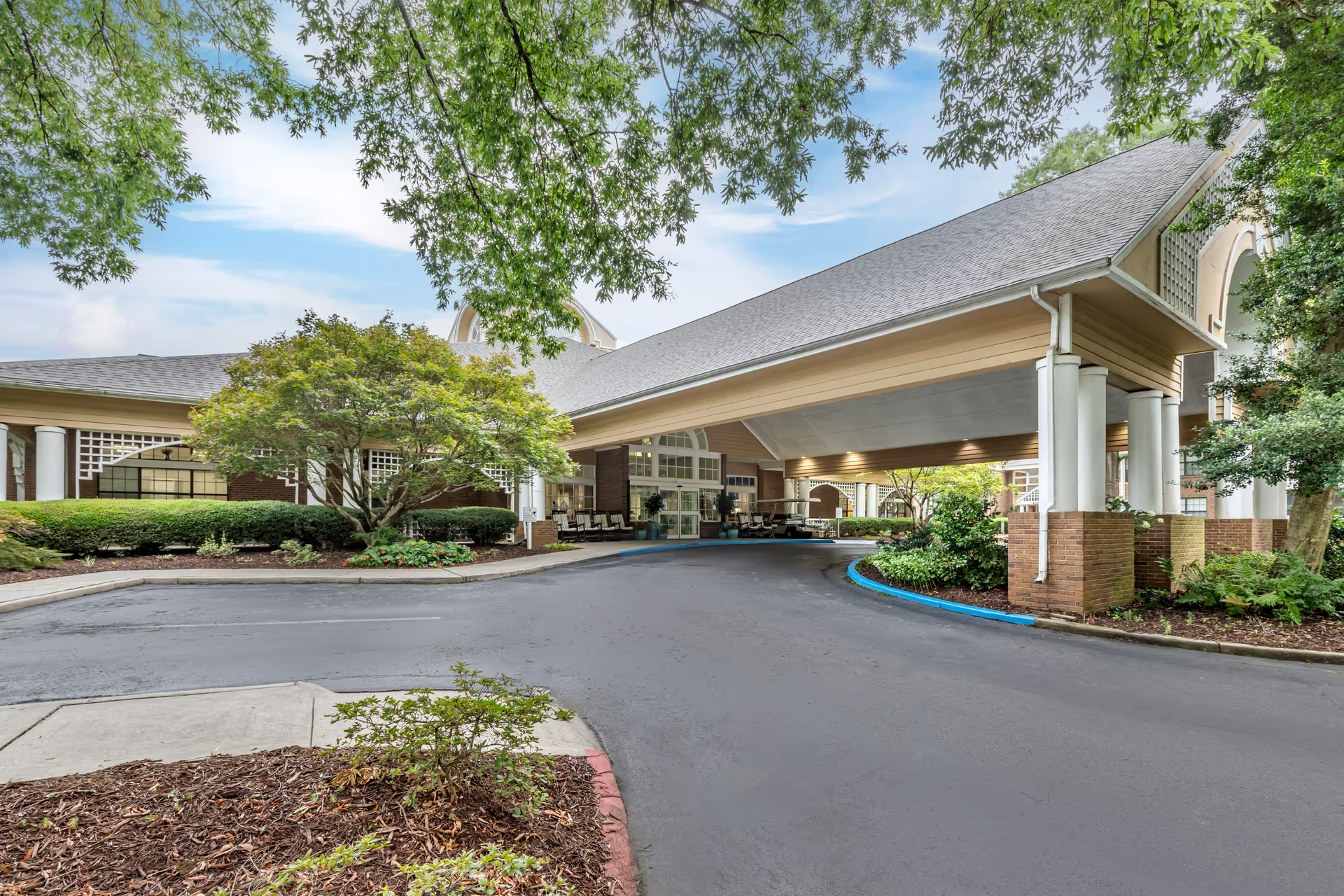
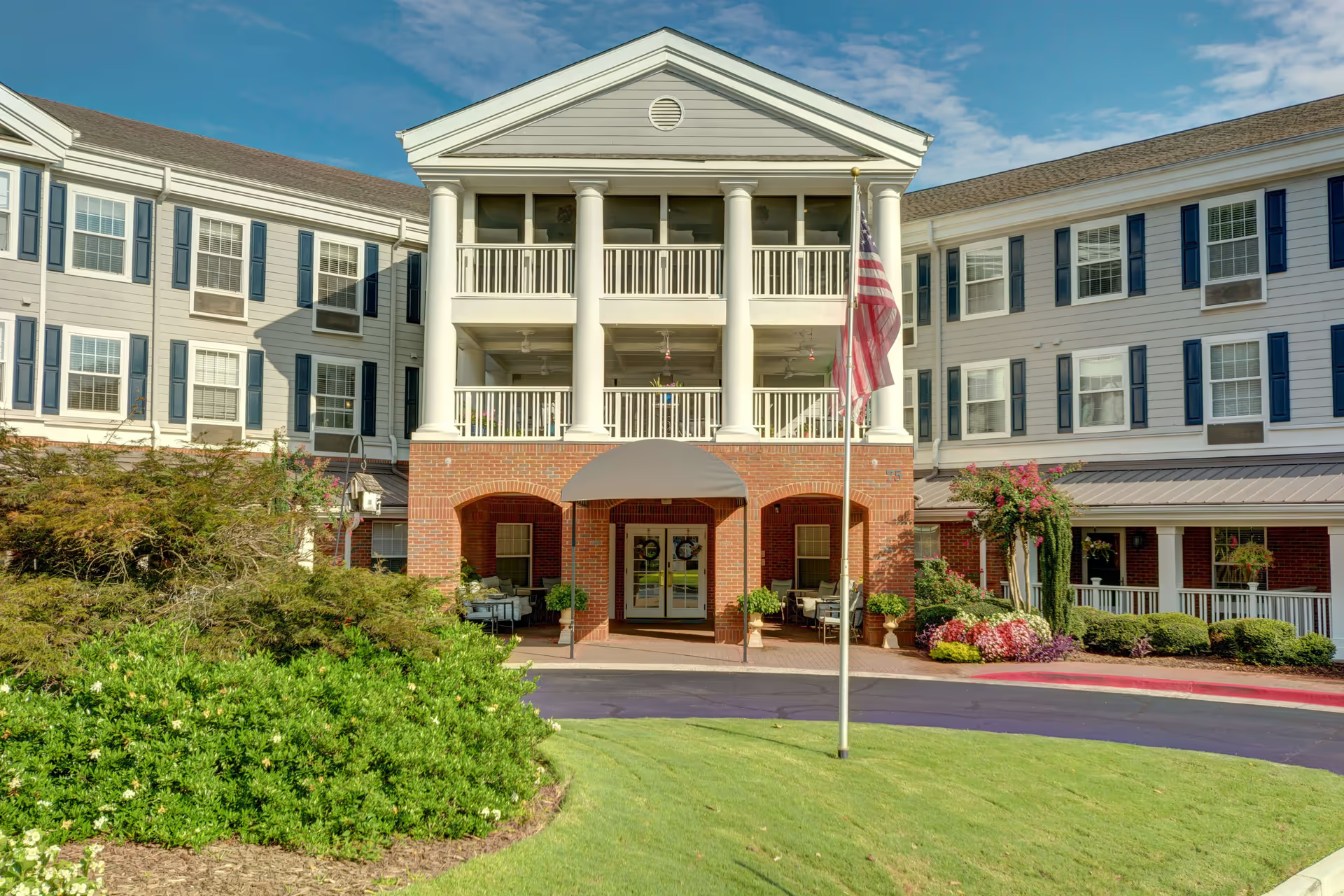
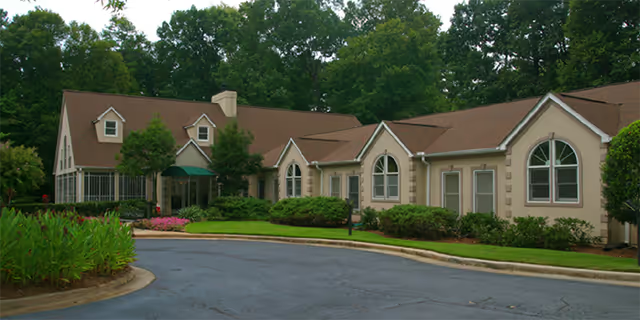
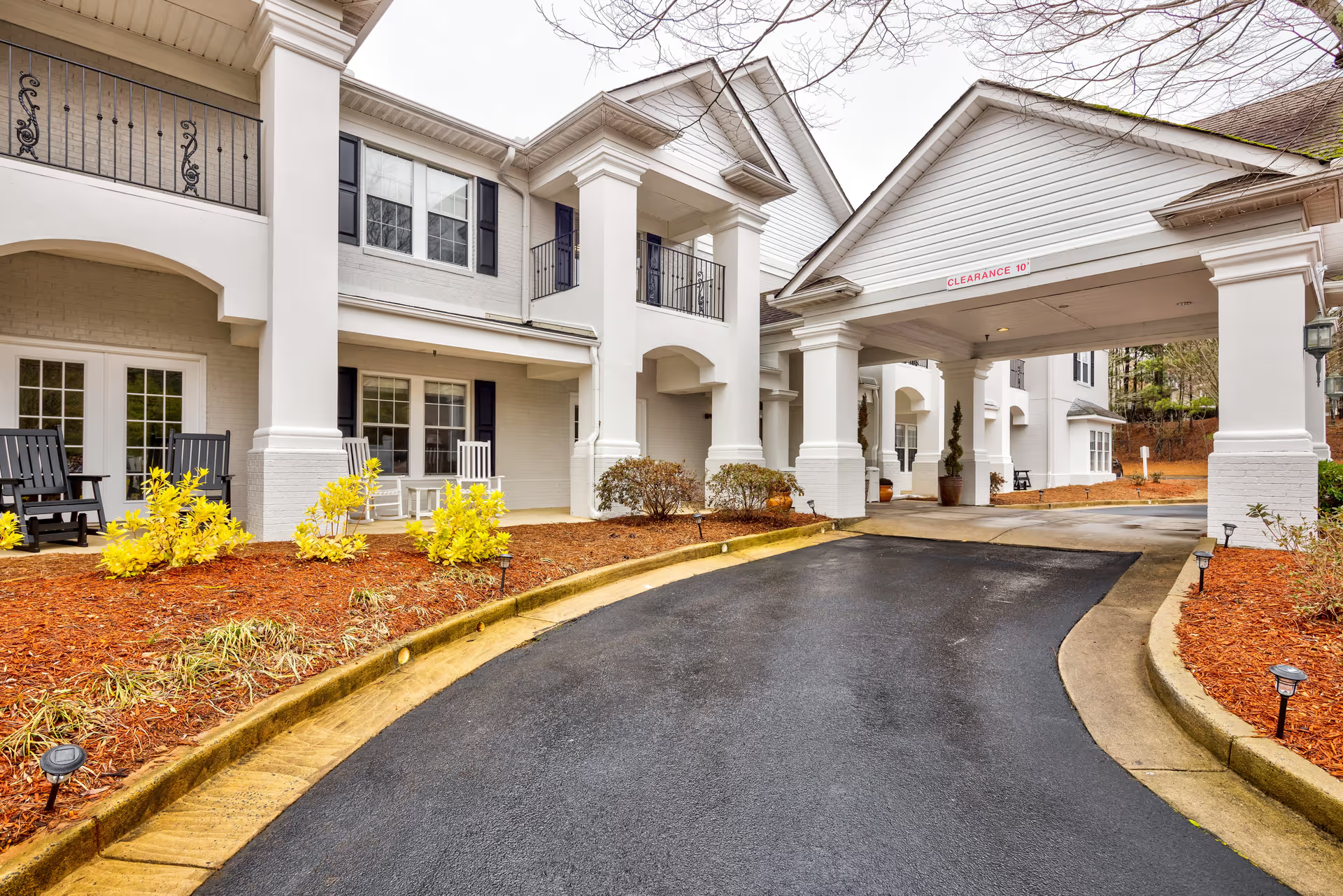
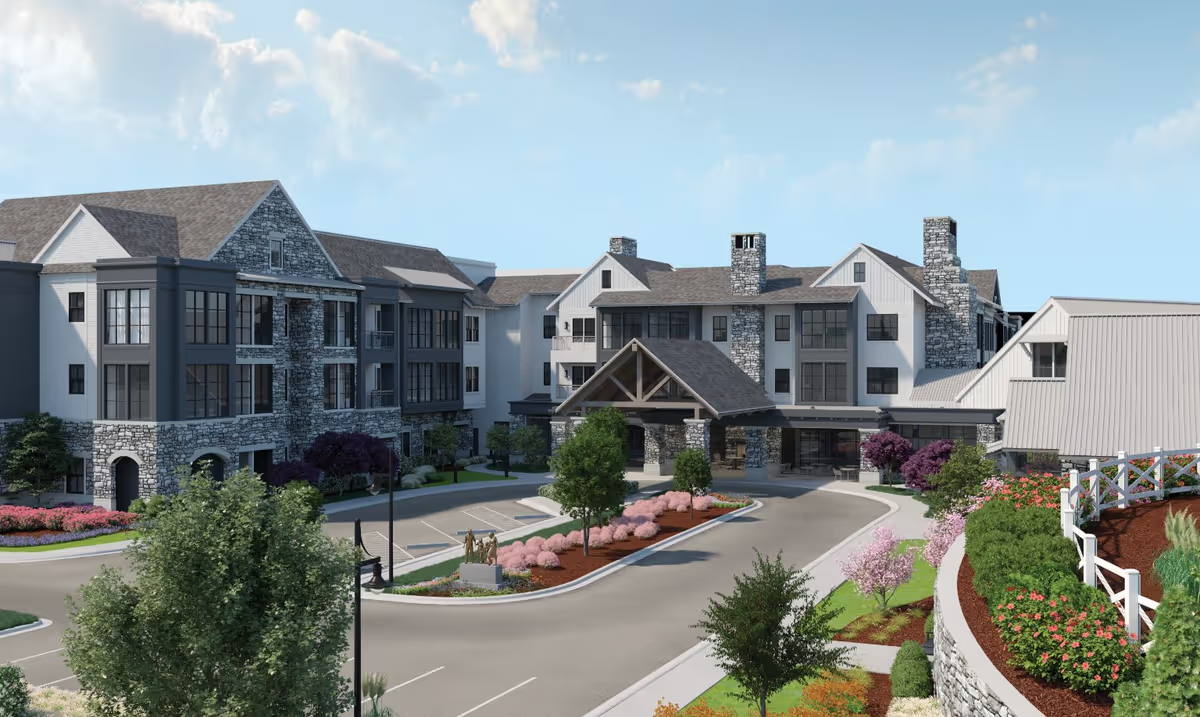
St. George Village is consistently described as an upscale, campus-style continuing care retirement community with strong physical assets. Reviewers highlight well-maintained grounds, a lake with waterfall, extensive gardens, walking trails, and numerous outdoor recreation features such as bocce and a putting green. Interiors commonly praised include a large fitness center, indoor pool, library, arts-and-crafts studio, chapel, and multiple dining venues with lakeside seating. The CCRC model and affiliations with healthcare and faith-based organizations contribute to its appeal for those seeking a single-campus, full-continuum option.
Activity programming and social life are recurring strengths. The community offers a broad calendar — exercise classes (Tai Chi, line dancing), movie nights, concerts, fashion shows, singalongs, card and computer classes, organized day trips, and an active resident-committee culture. Dining and culinary innovation are often emphasized as a positive feature, and many families cited the social dining atmosphere and happy-hour culture as important quality-of-life contributors.
Care quality and staff performance receive mixed but generally positive remarks. Numerous reviews describe compassionate, long-tenured caregivers and engaged leadership; hospice and memory-care programs receive specific praise for attentiveness and person-centered approaches. At the same time, there are recurring operational concerns: variability in clinical staffing levels and caregiver turnover; occasional delays or gaps in personal-care responsiveness; and cleanliness and odor concerns in some common or care areas. These issues suggest unevenness in day-to-day care delivery rather than uniformly poor clinical practices.
Operational and administrative themes bear attention. Maintenance responsiveness and communication are cited as inconsistent, with some routine repair or amenity issues reportedly unresolved in a timely way. Pest-control and sanitation concerns appear in a subset of observations. Financial administration and billing present another pattern: reviewers note errors on accounts, confusion over charges, and at least one serious claim concerning buy-in refunds — characterized here as an allegation of financial misconduct. Prospective residents should review contract terms, refund policies, and billing procedures carefully and ask for written clarifications.
Management and culture present a contrast. Many families and staff describe an engaged executive team and a culture of caring, with named leaders singled out positively; others describe high-pressure marketing around transitions and negative interactions with specific office staff. Cost is a consistent practical consideration: the community commands a substantial buy-in and monthly fees, and there is a reported waiting list for entry.
Bottom line: St. George Village offers a strong amenity set, extensive programming, and a campus that many residents and families find warm and life-enriching. However, the facility shows operational variability in staffing, maintenance, cleanliness, pest control, and financial administration. Prospective residents should tour multiple care neighborhoods at different times of day, request documentation on staffing ratios and maintenance response times, clarify financial and refund policies in writing, and ask for recent satisfaction or inspection data to ensure the community’s strengths align with their priorities.