Delmar Gardens of Smyrna elicits a broadly mixed but instructive set of impressions. Many families and residents praise the staff for being warm, personable and engaged; front-desk and concierge personnel are frequently singled out as helpful, and several accounts emphasize a family-like atmosphere. The community offers a wide range of social programming — from music events, arts and crafts, and themed weeks to excursions and daily walks — and many reviewers describe a lively social environment with an active resident council. Physical amenities such as indoor pool and water-exercise classes, a jacuzzi, salon, on-site therapy, shuttle service, and well-kept grounds are cited as meaningful strengths, as are spacious, well-lit apartments with kitchen options and restaurant-style dining rooms.
Care quality and operational consistency are the areas with the greatest divergence in experience. Positive accounts describe attentive caregiving, effective rehabilitation services, and responsive leadership; however, a contrasting set of accounts raise substantive concerns about clinical responsiveness, wound- and pressure-injury management, and timeliness of assistance. Medication-management processes are highlighted as an operational weakness in several narratives, with families expressing concerns about how medications are stored, administered, and billed. There are also instances of serious safety and security concerns — including alleged internal theft and errors in medication administration — which underscore the need for clear policies and robust incident follow-up.
Dining and food service receive mixed marks: the facility offers restaurant-style meals and can accommodate special diets, and many residents enjoy the food and dining events. At the same time, there are repeated mentions of inconsistent meal quality, occasional temperature/service issues, and slower service rhythms. Activity programming is a clear asset during daytime hours with varied, engaging offerings; reviewers note a drop-off in structured programming after mid-afternoon or in the evening, which may matter for residents seeking later-day engagement.
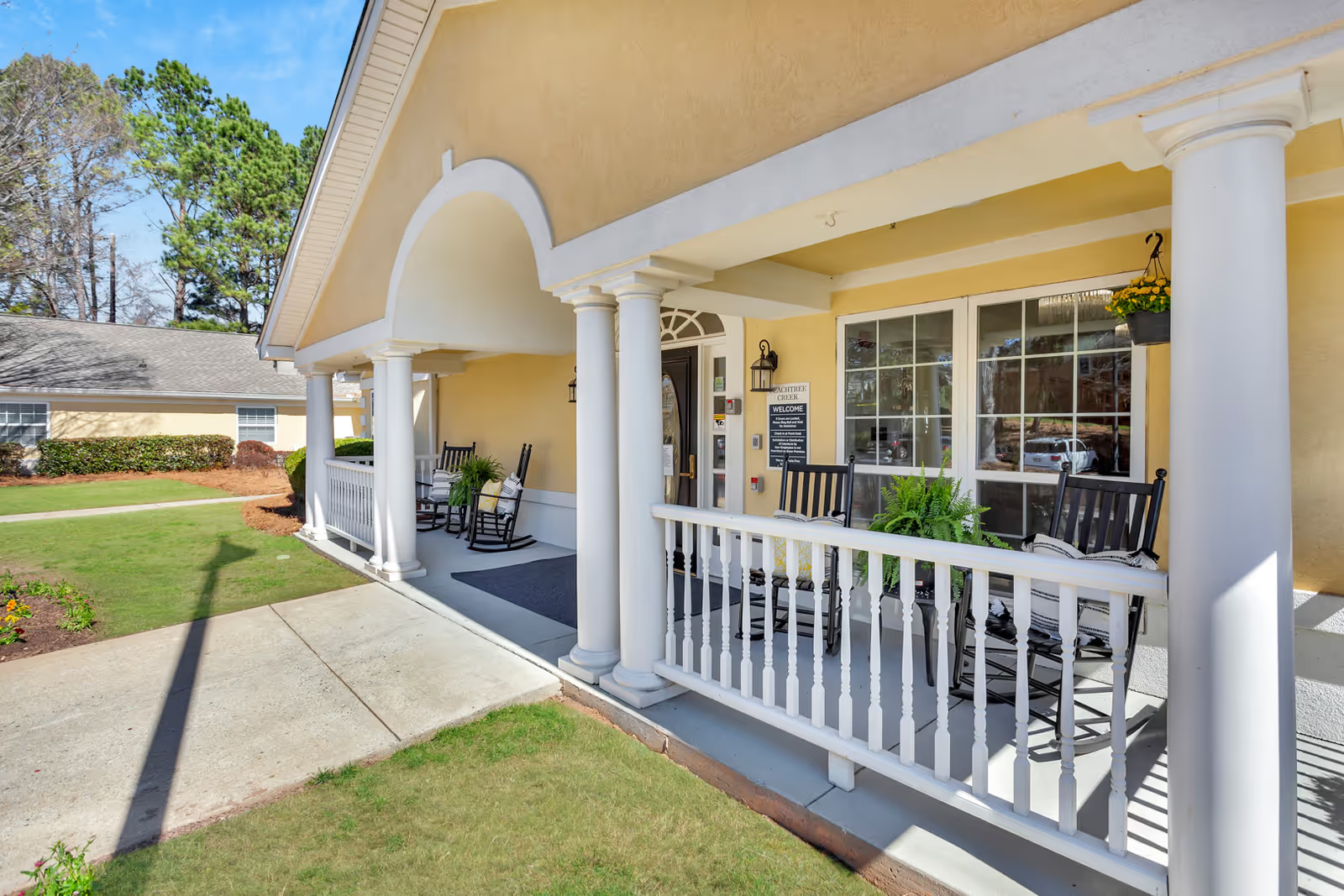
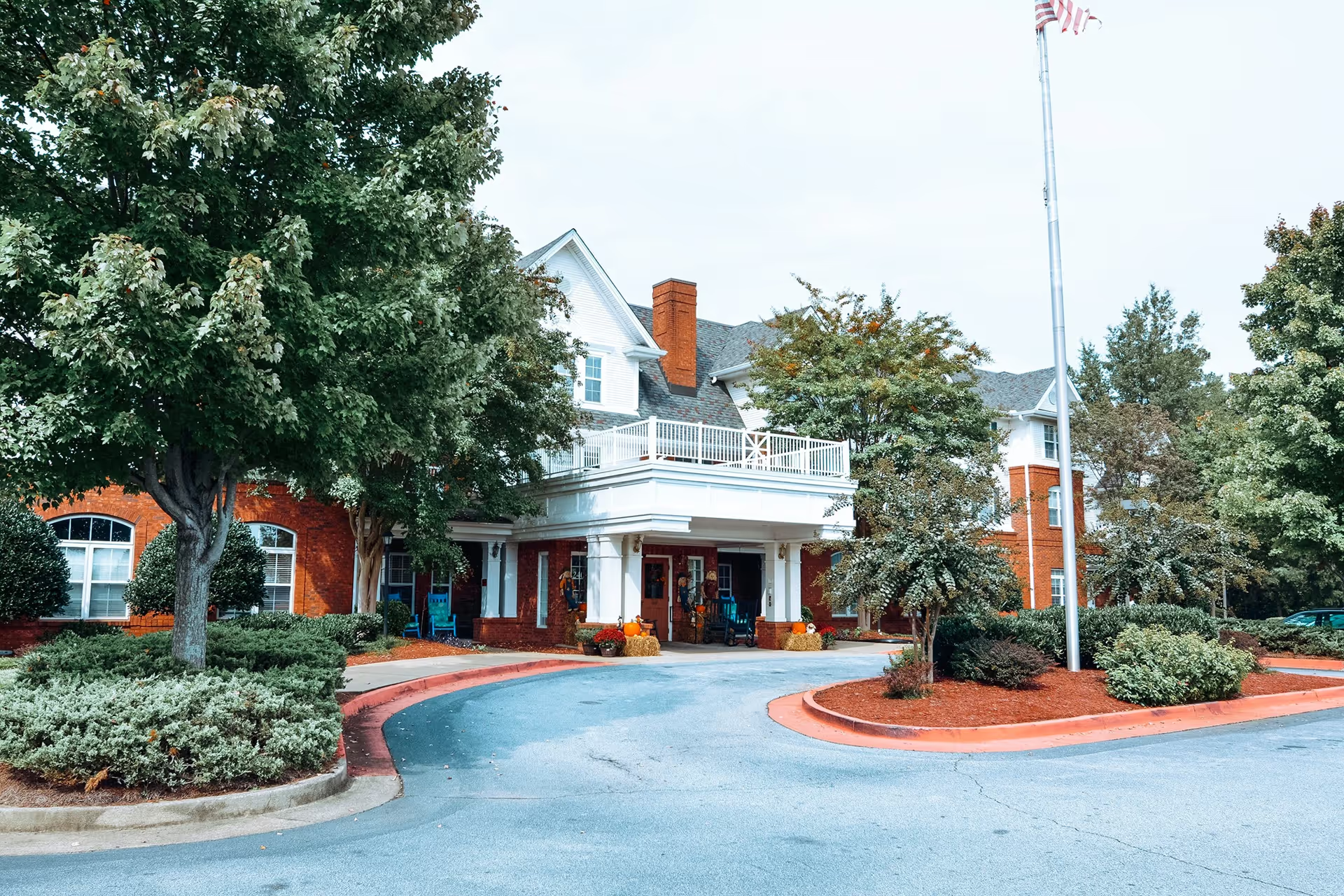
Facility and maintenance feedback is similarly mixed. Grounds and public spaces are often described as attractive and well maintained, while some interior areas and specific units have maintenance follow-through issues, storage limitations, or dated finishes. Accessibility is a recurring operational theme: several units and bathrooms are not ideal for residents with significant mobility needs (small bathrooms, tub lips rather than walk-in showers), and the community’s larger footprint can be challenging to navigate for some. Amenity availability is sometimes inconsistent — notably the pool and fitness areas — so prospective residents should confirm current operational status.
Management and communication patterns vary by account. Some families report prompt, collaborative leadership and positive transitions; others describe frustration with transparency around fees, add-on services, orientation for new residents, and perceived inequities between assisted-living and independent-living dining arrangements. Maintenance responsiveness, follow-up on complaints, and clarity around contracts and extra charges (for example, medication packaging or added care levels) are recurring themes to verify during a tour.
Bottom line: Delmar Gardens of Smyrna offers many of the hallmark strengths families seek in a senior community — active programming, attractive grounds, on-site therapy, and a caring core of staff — but it also shows variability in clinical consistency, operational controls, and facility maintenance in some cases. Prospective residents and families should prioritize an in-person tour that reviews clinical protocols (medication handling, wound care, response times), verifies amenity and pool status, inspects unit accessibility, and requests clear, written explanations of fees and assisted-living policies before making a placement decision.