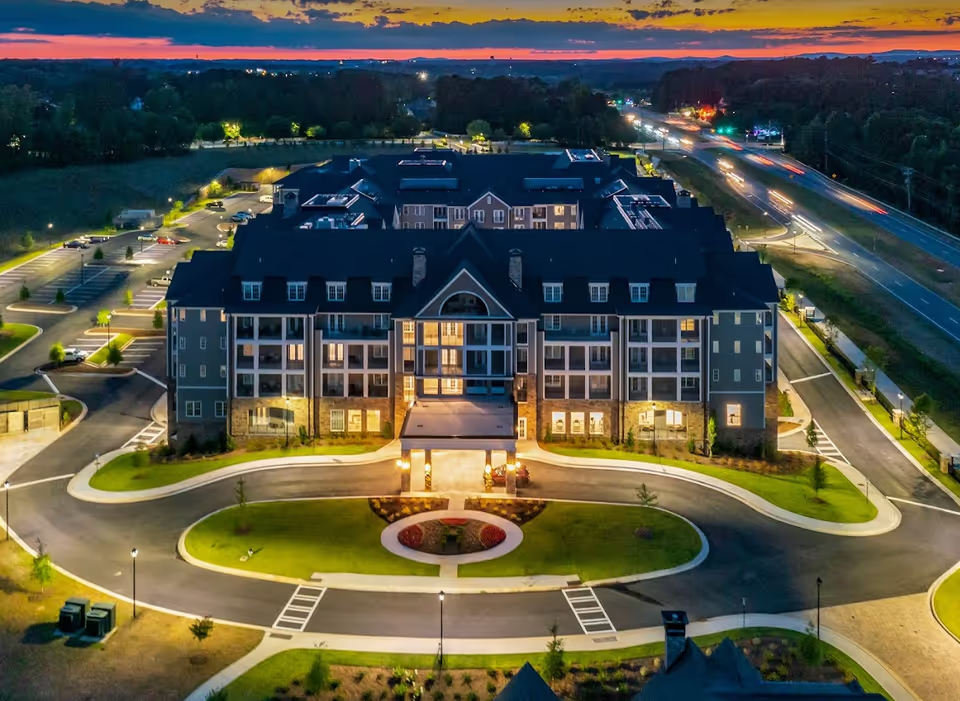
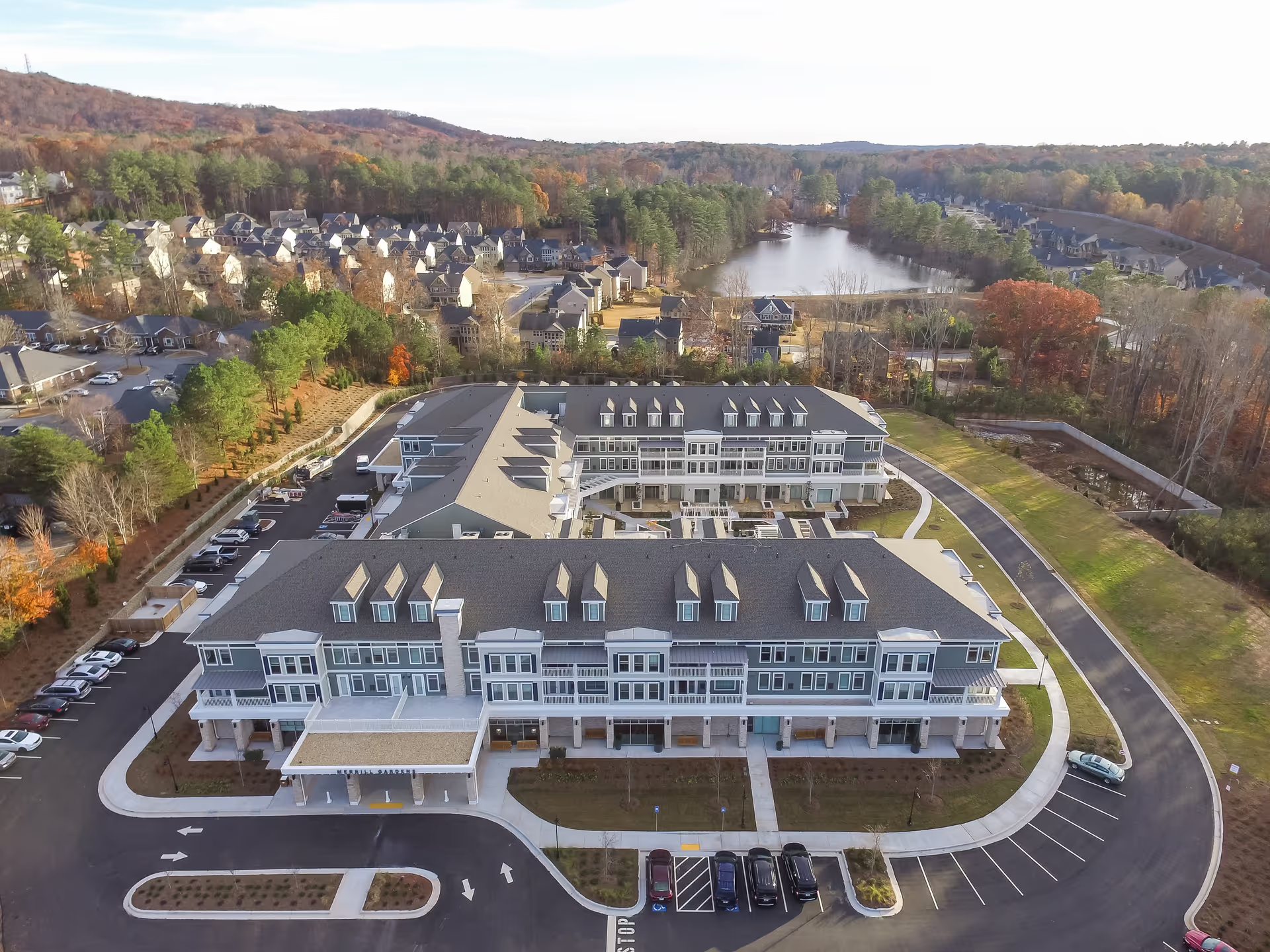
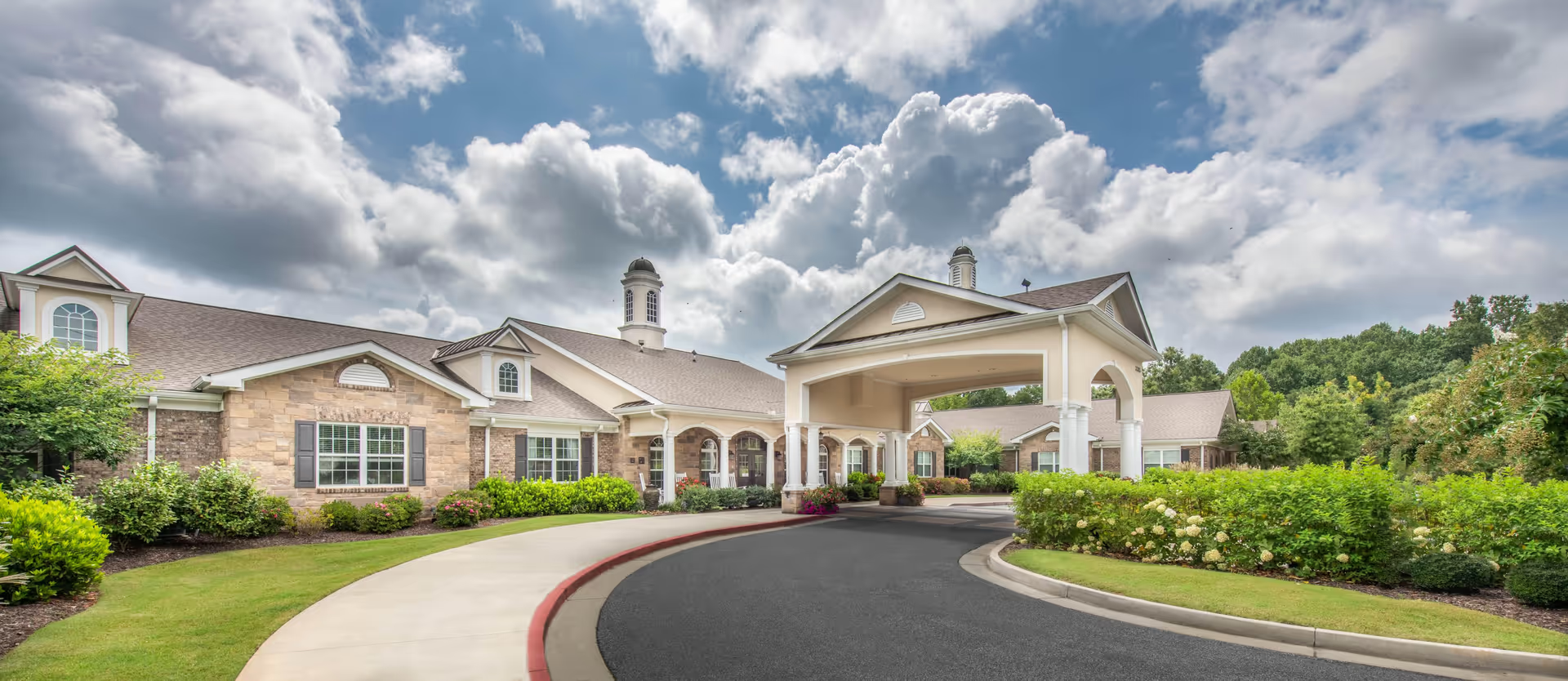
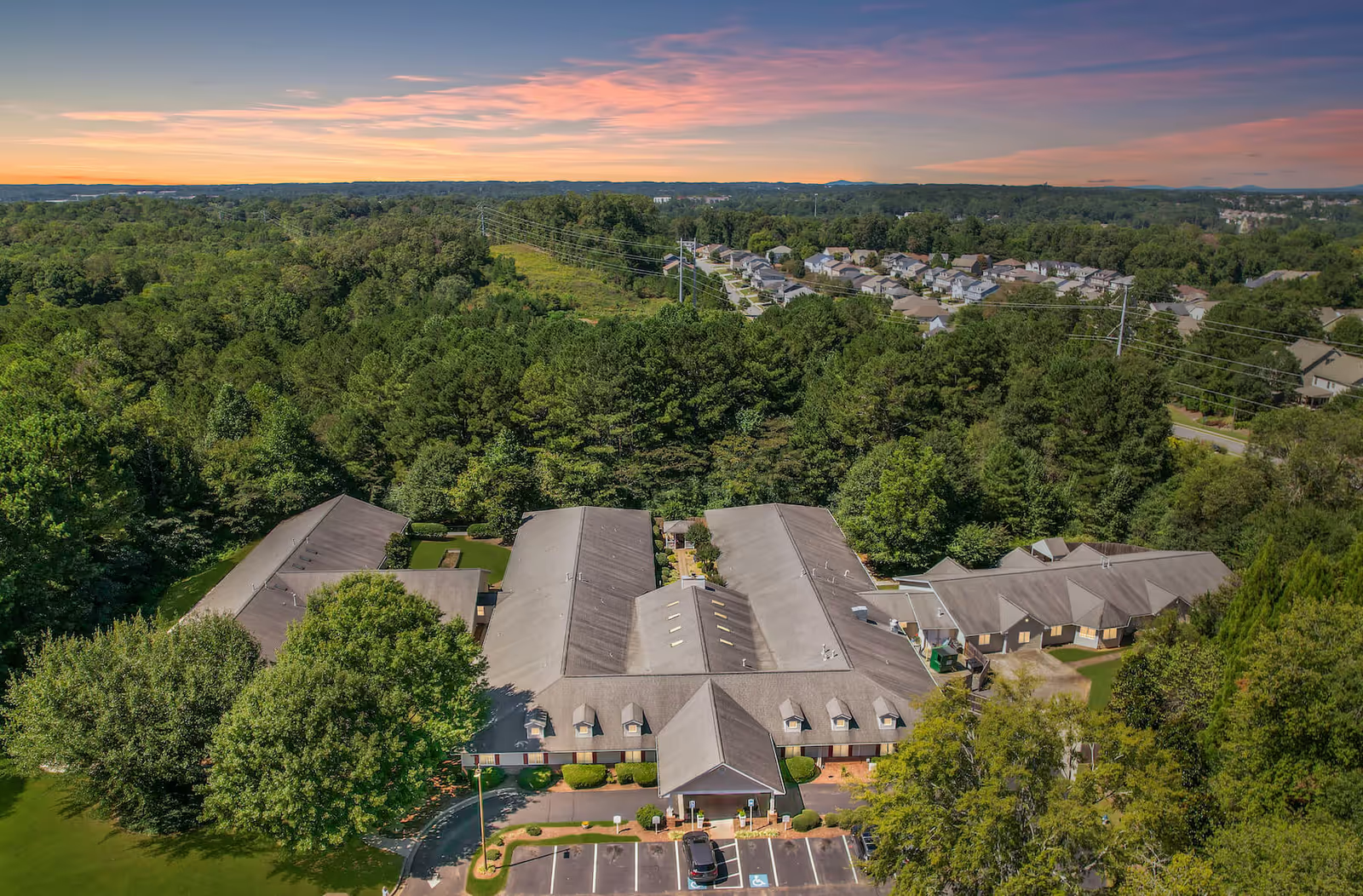
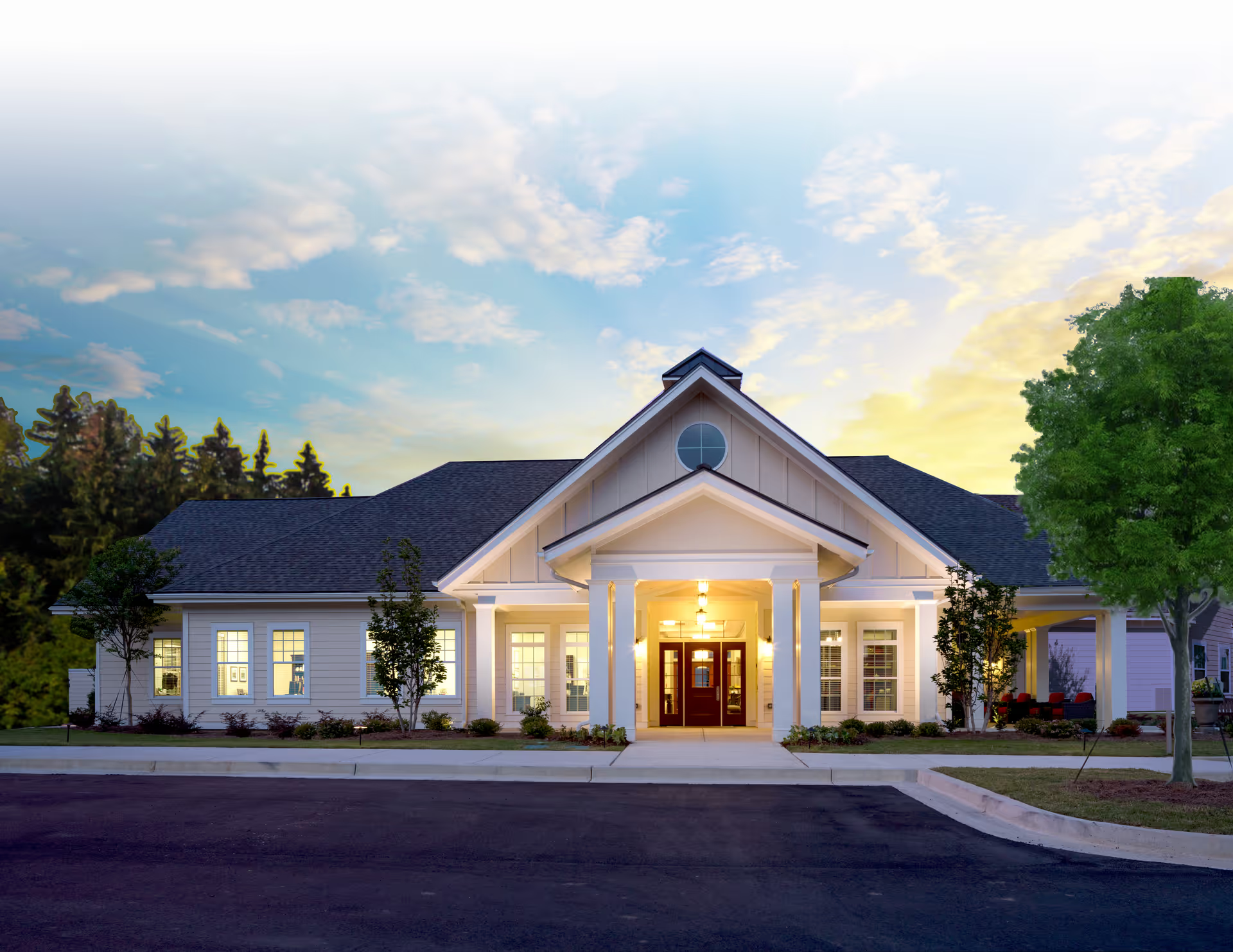
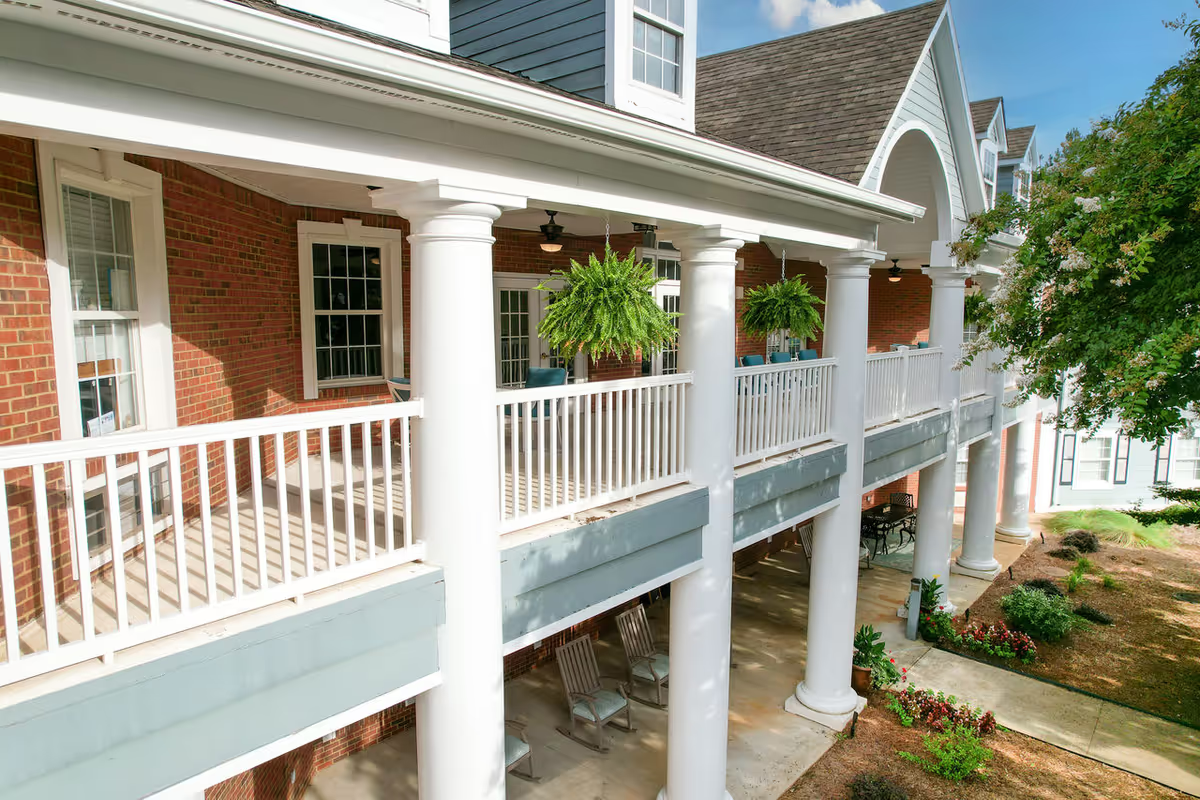
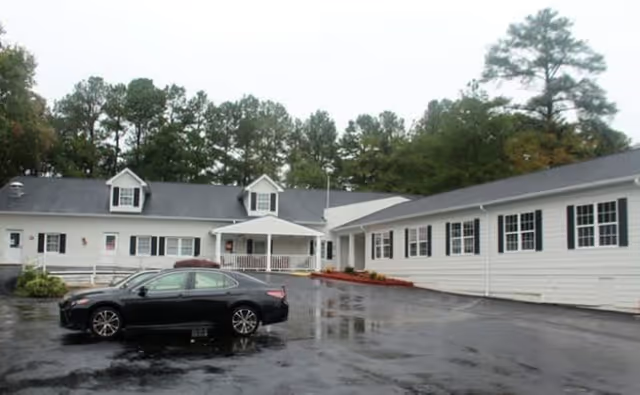
Brickmont at Woodstock elicits a strongly mixed but coherent profile: many families praise the facility’s new, hotel-like environment, resident-focused activities, and a core of caregivers who are described as compassionate and attentive. The campus and apartment layouts are commonly described as clean and well-maintained, with chef-prepared meals, weekly housekeeping, laundry services, and an all‑inclusive pricing model that families often view as good value. The community’s activities program and engagement staff (frequently named by families) are recurring strengths; reviewers describe diverse programming, holiday events, and opportunities for family participation.
Clinical strengths cited include on-site nursing and clinician availability and established hospice coordination, which support residents with predictable, lower-acuity needs. The facility’s COVID-19 protocols were also praised for screening and limiting transmission in months covered by the reviews. At the same time, multiple themes point to operational variability: families report inconsistent leadership and ownership transitions, uneven enforcement of policies, and frequent direct-care staff turnover that appears to undermine continuity of care.
Care delivery patterns are mixed. Numerous families report individualized, warm caregiving and prompt attention from standout staff members; however, there are recurrent operational issues: missed or delayed medication administration, unreliable call‑button responsiveness, inconsistent bathing and laundry follow-through, and occasional meal‑service interruptions. These items suggest gaps in staffing levels, training, or systems for clinical oversight. Reviewers consistently indicate that Brickmont is better suited to residents with mild to moderate support needs than to those requiring frequent or higher-acuity clinical interventions.
Dining and activities are generally viewed positively, but reviewers also describe variability in food quality and consistency of mealtimes. Housekeeping and facility cleanliness are typically rated well, though isolated sanitation and housekeeping lapses are mentioned. Family communication is another divided area: some families commend transparent, proactive managers and strong family outreach, while others cite unreturned calls, unresolved billing disputes, and confusing financial policies. Related concerns include difficulties obtaining refunds or clear billing contacts and perceived inflexibility in payment enforcement.
A small number of reviewers raised serious safety and conduct concerns that go beyond operational complaints; these remarks are individual and significant and merit direct follow-up with the provider and, if appropriate, regulatory channels. In summary, Brickmont at Woodstock appears to offer an attractive living environment with notable strengths in activities, core caregiving culture, and facility quality, but prospective families should probe management stability, staffing ratios and turnover, medication-administration controls, billing procedures, and the community’s capacity for higher-acuity care before choosing the community.