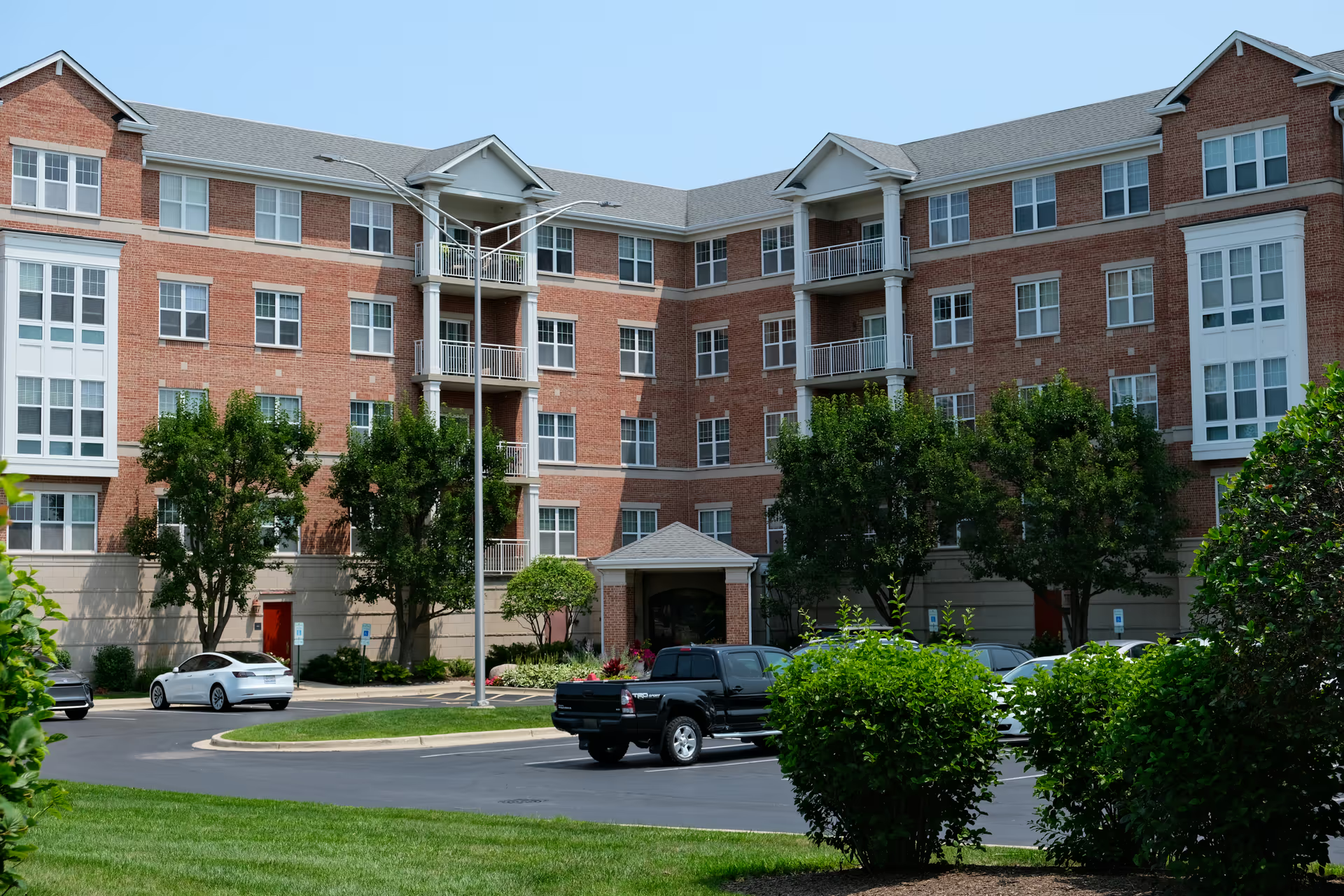
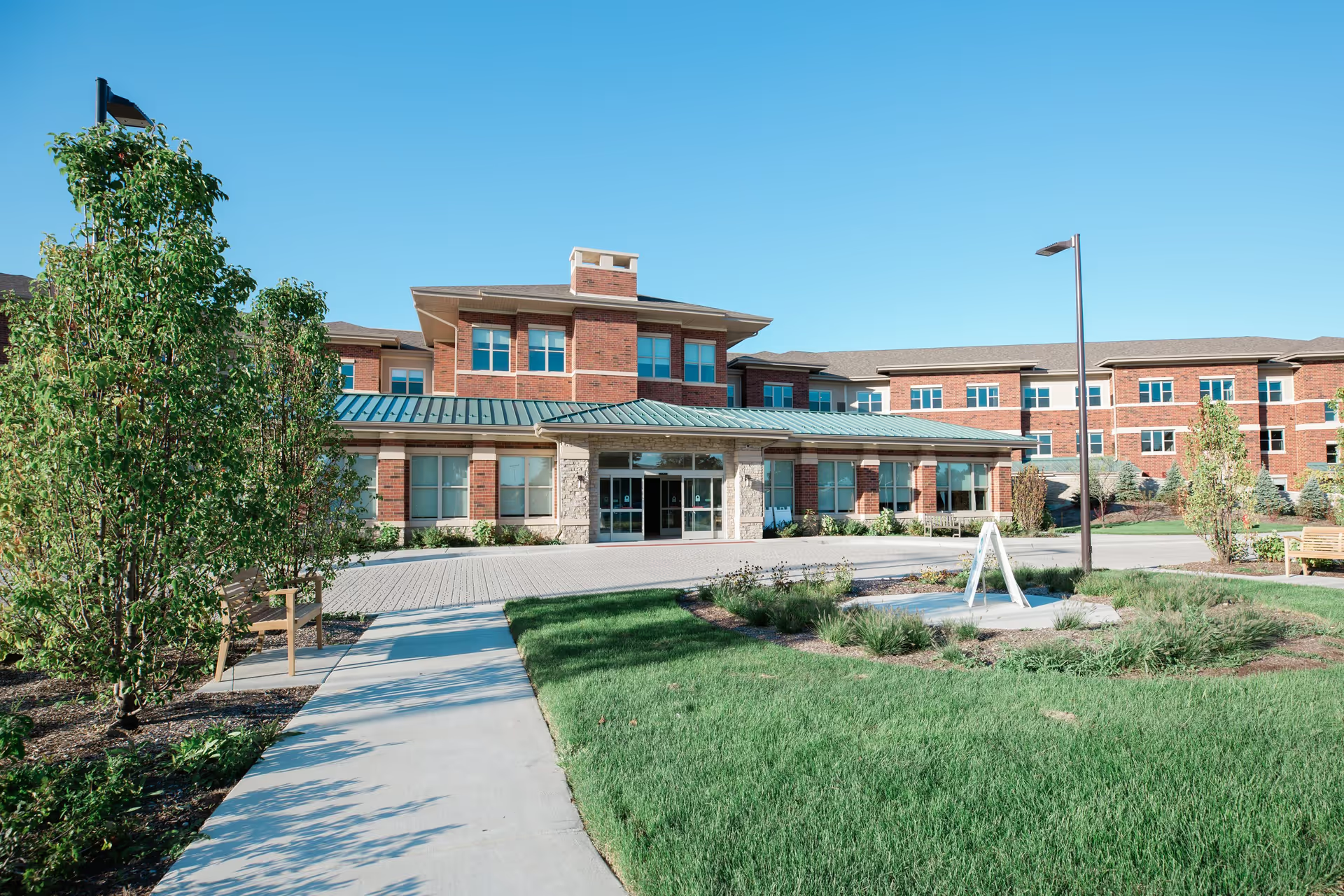
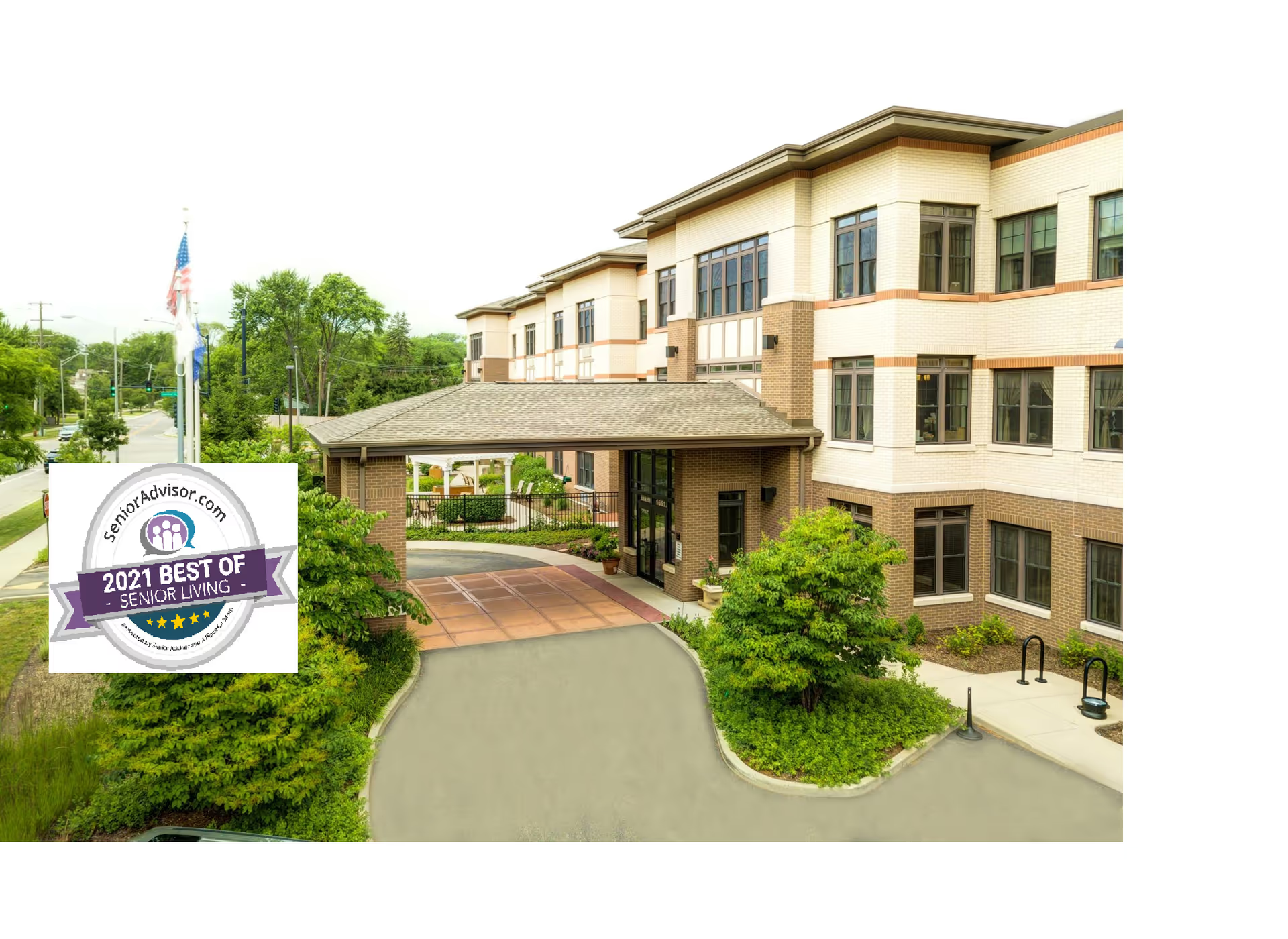
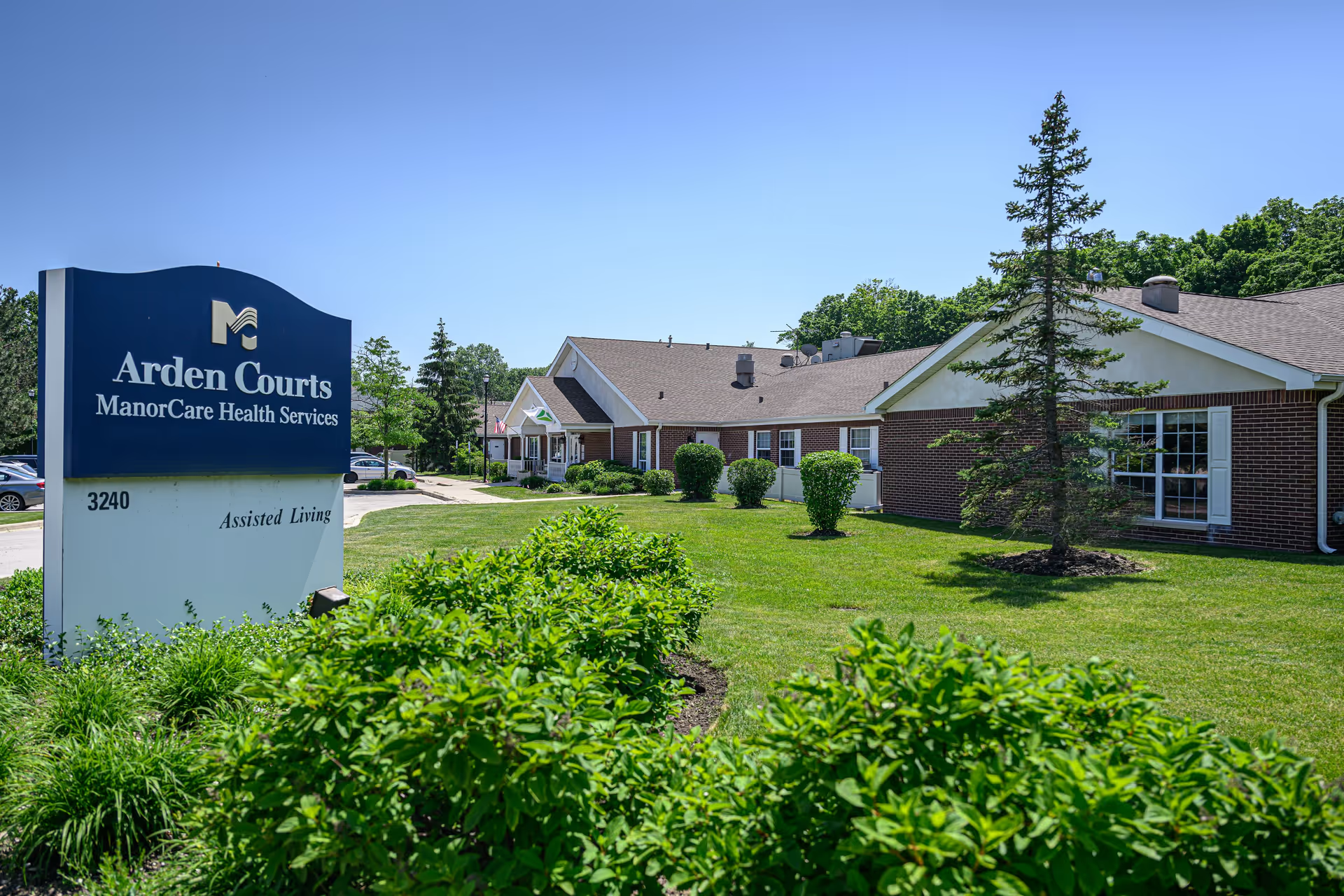
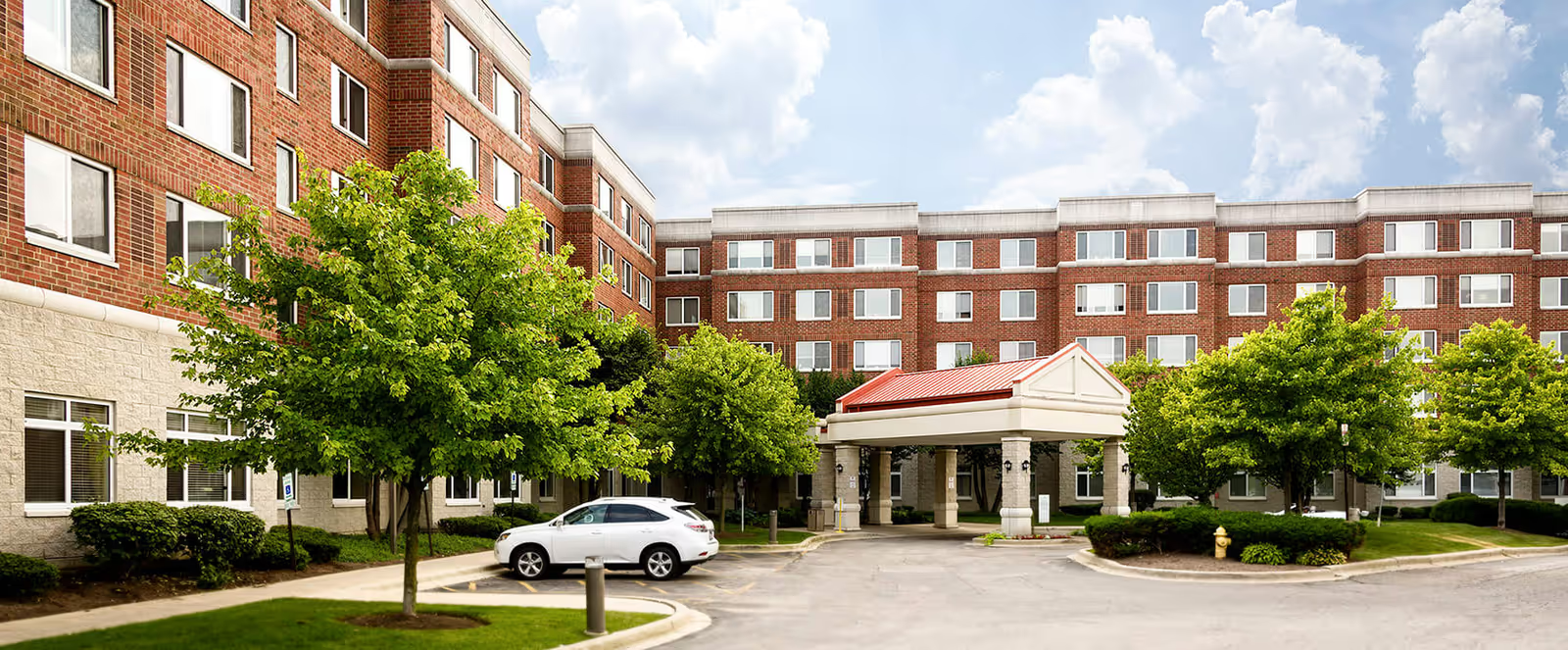
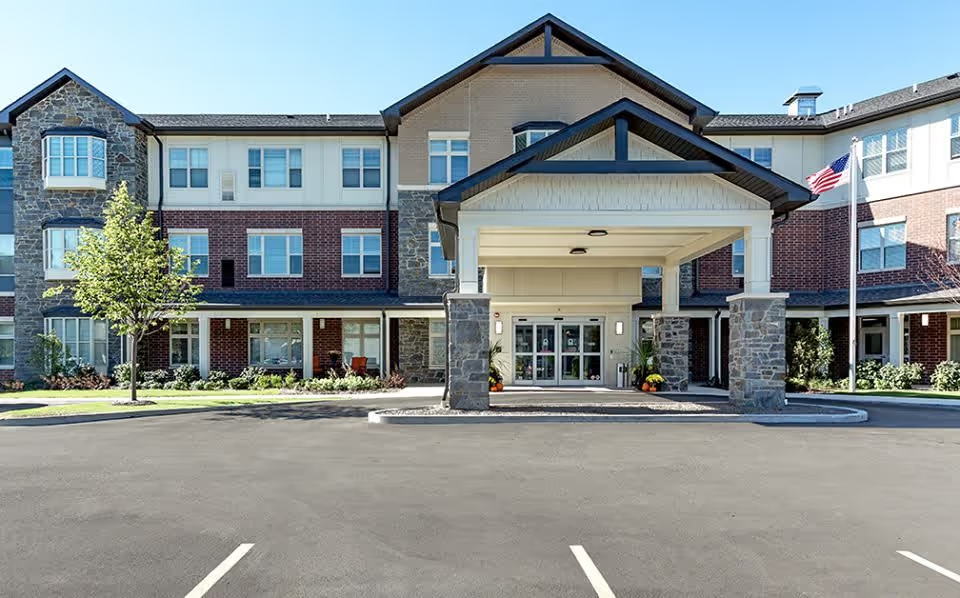
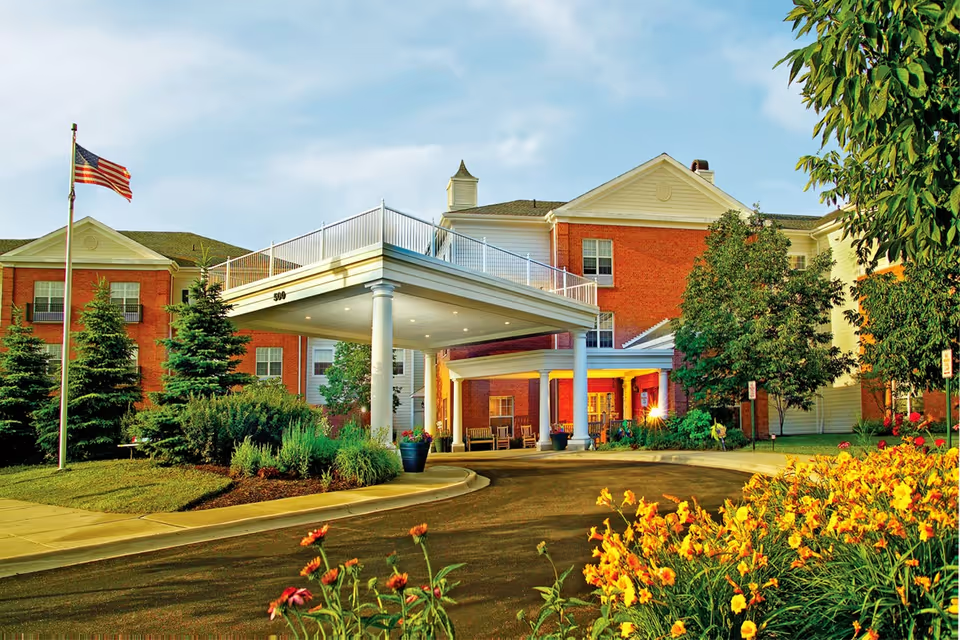
Families and visitors describe a facility with clear strengths in environment, rehabilitation, and day-to-day hospitality, alongside operational gaps that affect clinical reliability and specialized care. Physically, the building is frequently characterized as new or recently renovated: common areas are spacious, bright, and tastefully decorated, and many found the facility clean and welcoming. Rooms are described as comfortable and fairly large, with some private-room options available. Housekeeping and front-of-house reception receive consistent praise.
Dining and activities are generally viewed positively. Meals are commonly described as appetizing and ranging from average to above average in quality, though reviewers also noted occasional timing problems. The activities program appears active and resident-centered — musical programming and social events were highlighted as engagement strengths that contribute to a pleasant daily environment.
Staffing and direct care receive mixed but informative commentary. Numerous accounts praise caring, patient, and attentive nurses, CNAs, therapists, and administrative staff; rehabilitation services and admission/financial processes were often singled out as thorough and helpful. At the same time, recurring concerns indicate inconsistent staffing levels and periods when staff are overwhelmed. Those operational pressures are linked in several reviews to delays in responding to call lights, inconsistent medication timing or administration processes, and gaps in emergency response procedures.
Specialized care and safety concerns are an important pattern to note. Several reviewers described deficiencies in dementia-specific care and general clinical oversight; these reports point to inconsistent practices for residents with cognitive impairment and indicate that family communication about clinical events and end-of-life matters can be inadequate. A small number of accounts raised serious conduct and safety concerns; these items stand out from the general tenor of praise and merit follow-up by families and regulators as appropriate.
Management and administration are also portrayed in mixed terms. Many reviewers complimented welcoming admissions staff, helpful social services, and engaged administrators; others noted policy and process weaknesses, unclear or misleading informational materials, and problems with infrastructure such as phone lines or localized maintenance issues (furniture, HVAC placement, limited outdoor walking areas). These operational inconsistencies appear to contribute to divergent family experiences: some describe the facility as outstanding and rehab-focused, while others describe lapses that affected trust and perceived safety.
Overall, prospective residents and families can reasonably expect a well-appointed, activity-rich facility with strong rehabilitation and many compassionate caregivers. However, it is important to evaluate staffing levels, medication-management and emergency-response protocols, dementia-care capabilities, and family-communication processes during tours and discussions with leadership. Those operational areas are the most commonly cited sources of concern and are the best targets for direct questions prior to admission.