Ridgewood Health Campus is described by many families as a generally clean, comfortable, and service-oriented senior care community with notable strengths in caregiving, rehabilitation, and social programming. Reviewers frequently praise direct-care staff for compassion, attentiveness, and a family-like approach; several accounts highlight specific caregivers and night-shift personnel who communicate with families and take pride in their work. The campus is also commended for its therapy/rehab focus, available clinical specialties (physicians and psychiatrists), hospice support, and memory-care programming and dementia education.
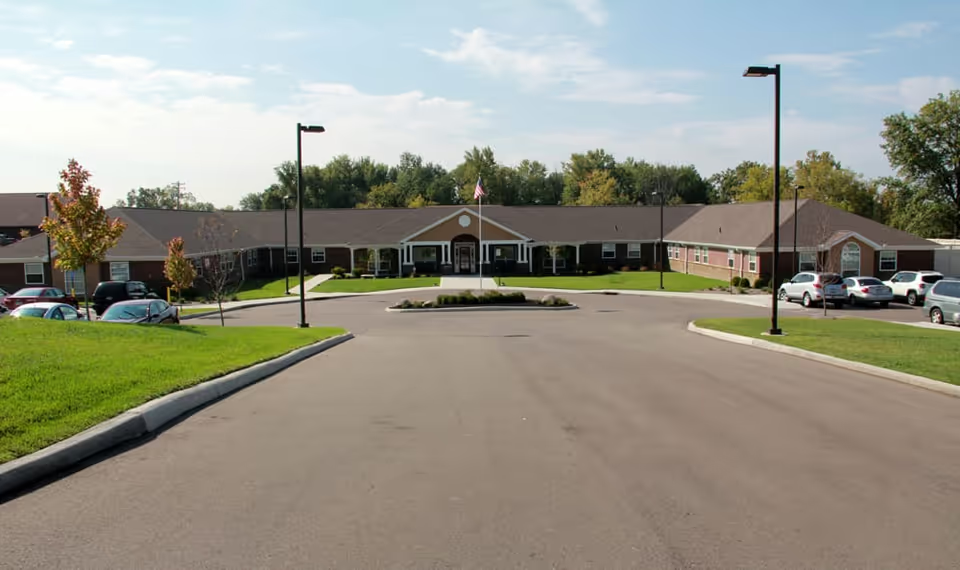
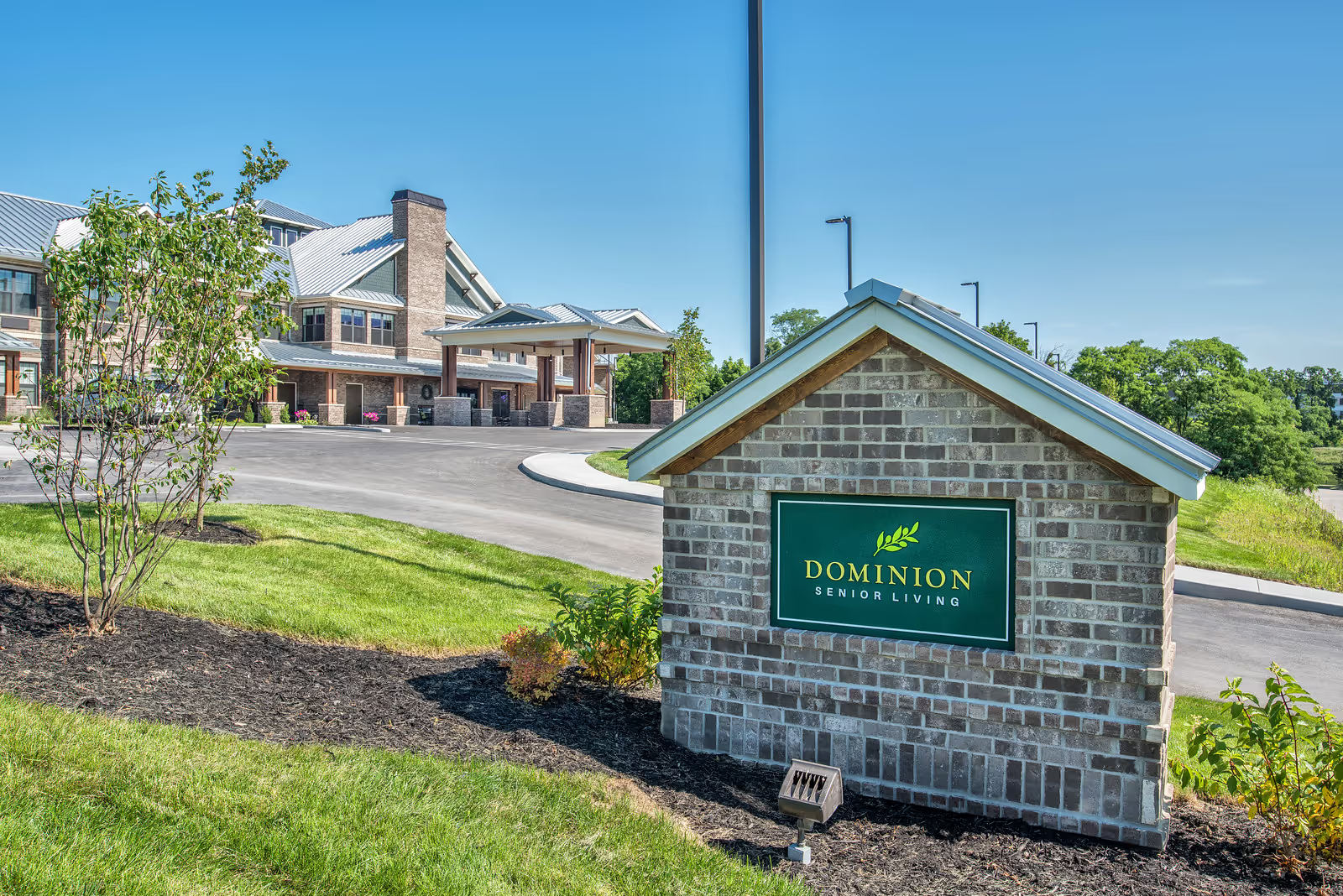
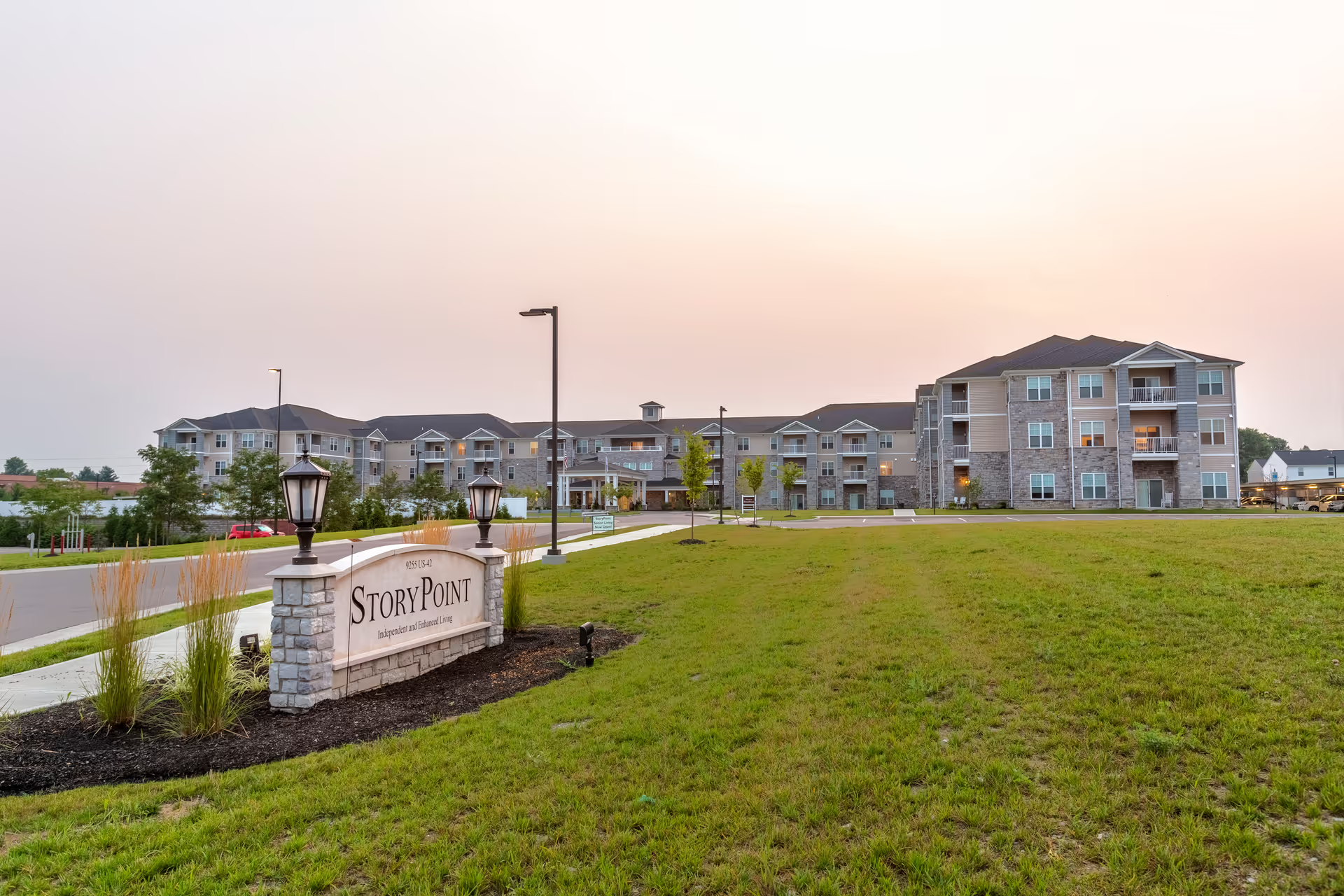
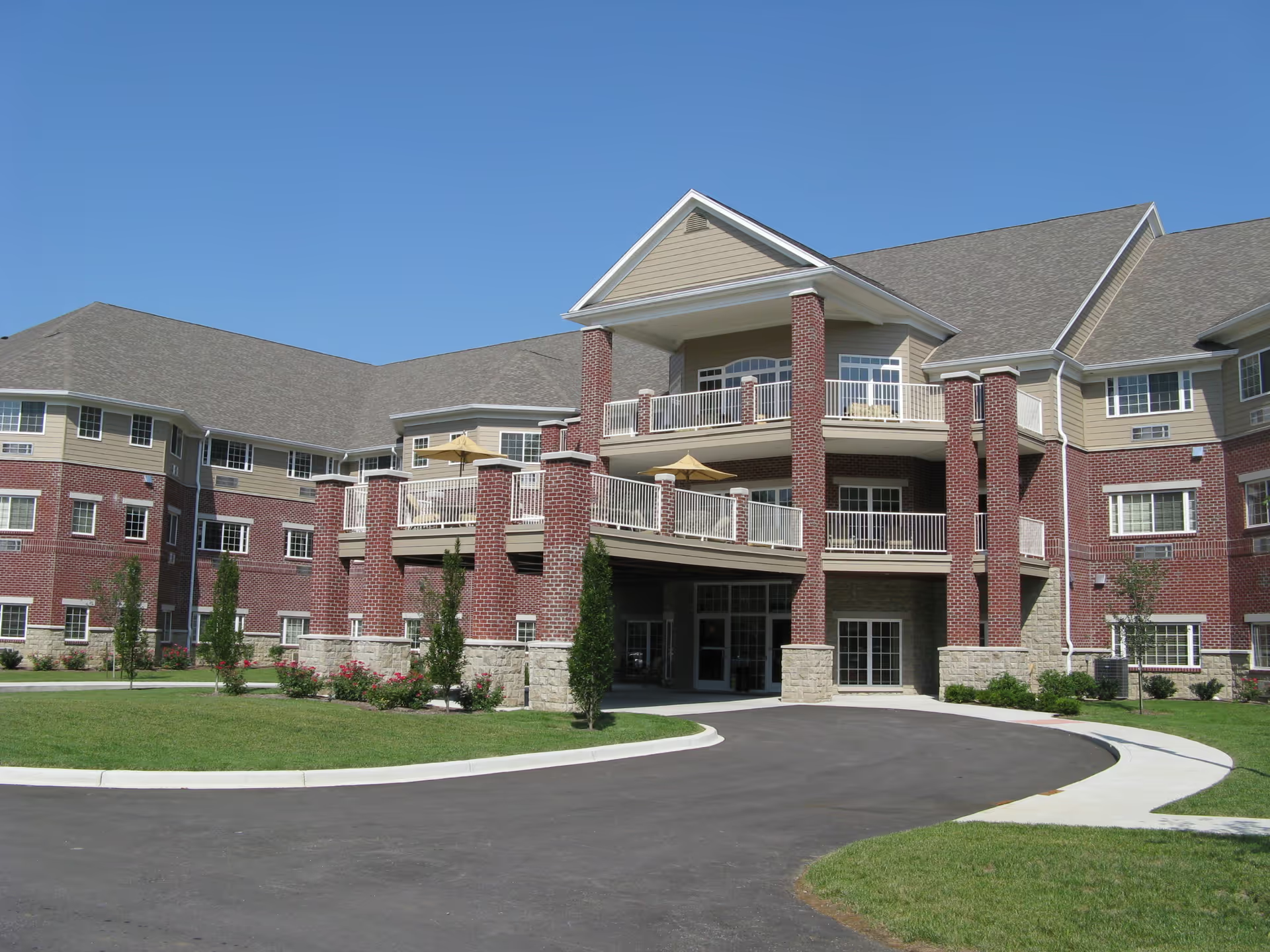
Dining and activities are central positive themes. Numerous comments describe well-prepared, plentiful meals, attractive dining spaces, and an appealing menu; therapy and activity teams are credited with creative programming, outings, an events calendar (for example, tribute shows), and family-oriented events such as monthly brunches and support groups. The physical environment is repeatedly characterized as clean, modern, and well maintained, with comfortable rooms, an accessible and secure courtyard, and pleasant common areas.
Despite these strengths, a pattern of operational inconsistencies emerges. Staffing instability and caregiver turnover are noted as recurring issues that correlate with variable day-to-day care experiences. Reviewers describe interruptions in continuity of caregivers, occasional delays in attending to resident needs, and inconsistencies in clinical tasks such as incontinence management. Several accounts identify front-desk or visitor-service gaps and delays in administrative processes, including medical-records transfers and returning family calls.
Communication and management responsiveness receive mixed feedback. While some families describe strong unit management, teamwork, and direct support from HR and scheduling, others report gaps in administrative follow-through, including limited acknowledgement in bereavement situations and uneven responsiveness from owners/administration. There are also isolated but serious concerns about compliance and care oversight; these have been described strongly enough in some accounts to be summarized as allegations of regulatory noncompliance and warrant further inquiry by prospective families or their advisors.
Cost and value perceptions are also mixed: several reviewers describe the community as higher cost and express concern that price does not always align with consistently delivered value. Taken together, the pattern suggests Ridgewood offers many features families seek—compassionate direct care, robust therapy, engaging activities, and a well-kept facility—but prospective residents should ask targeted questions about staffing stability, continuity of clinical care (including incontinence protocols), administrative responsiveness, bereavement and family-communication practices, and any recent regulatory history before making a placement decision.