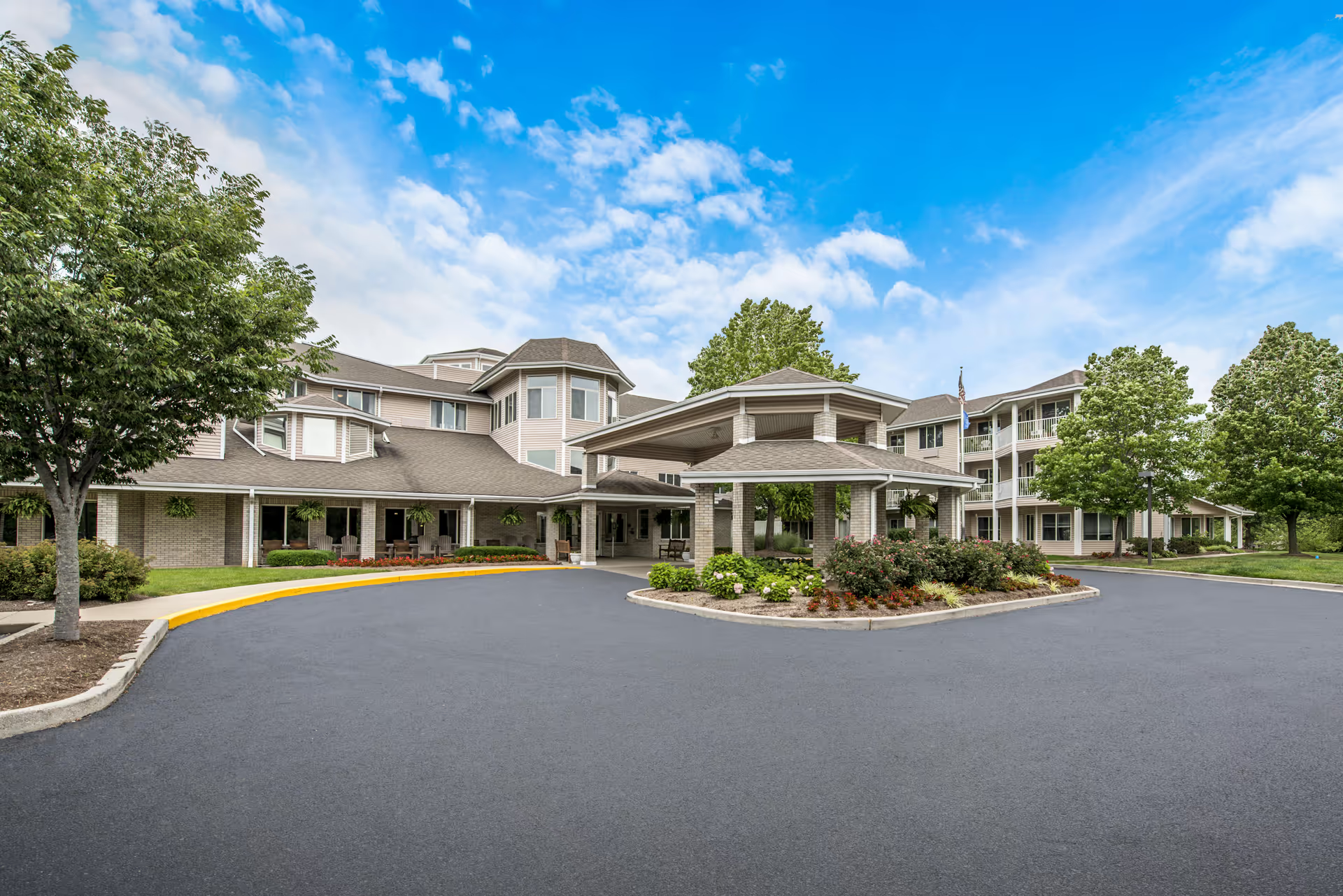
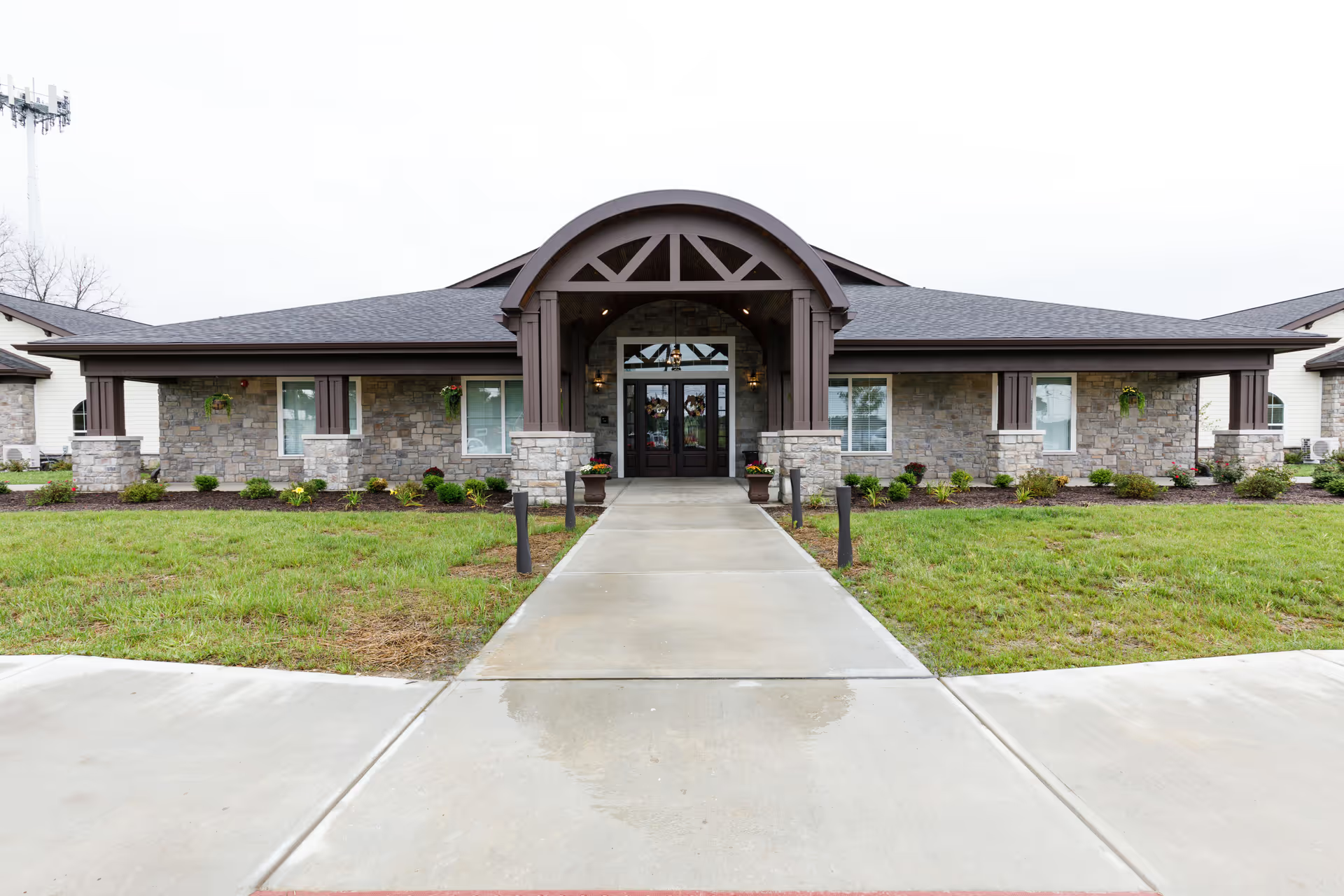
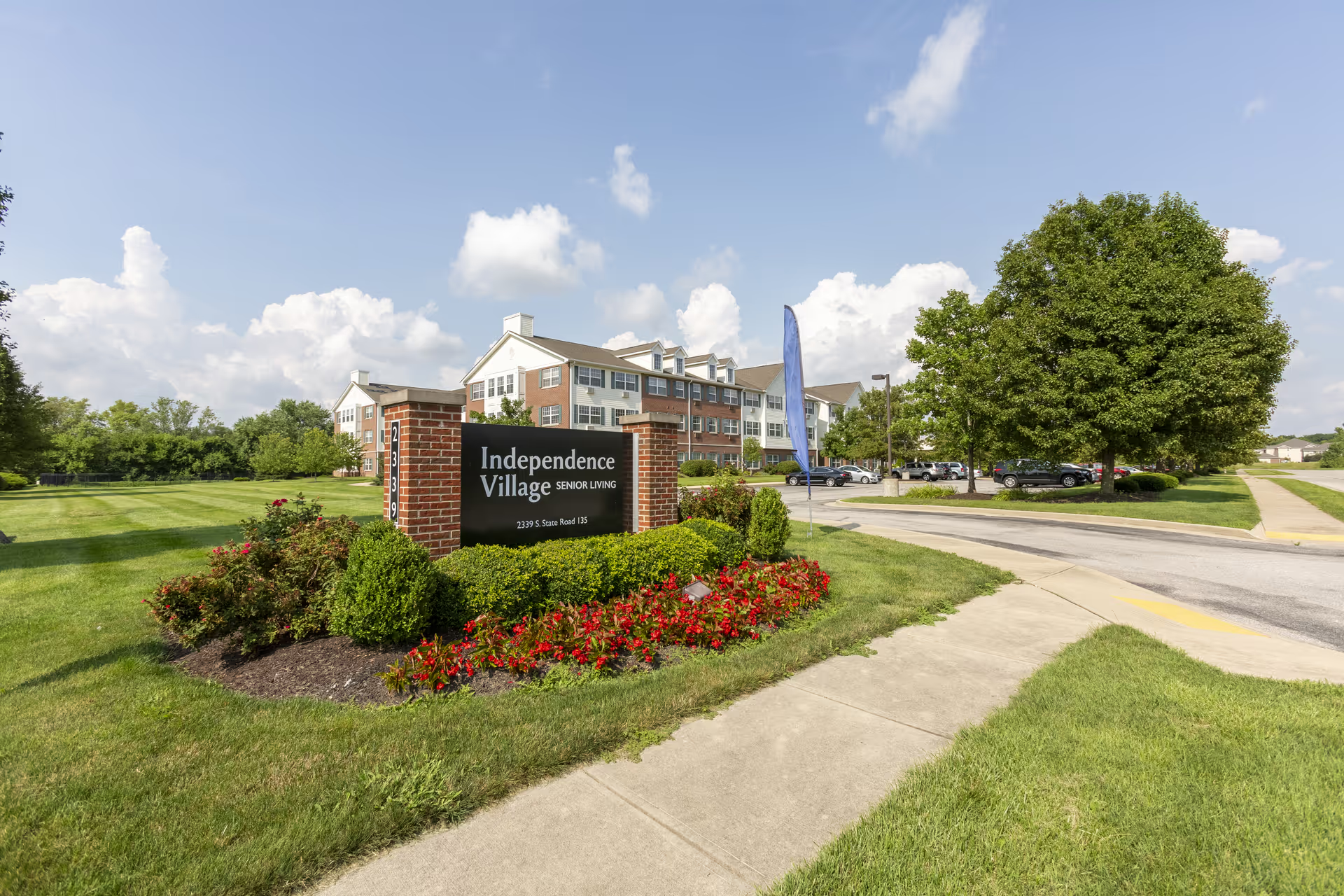
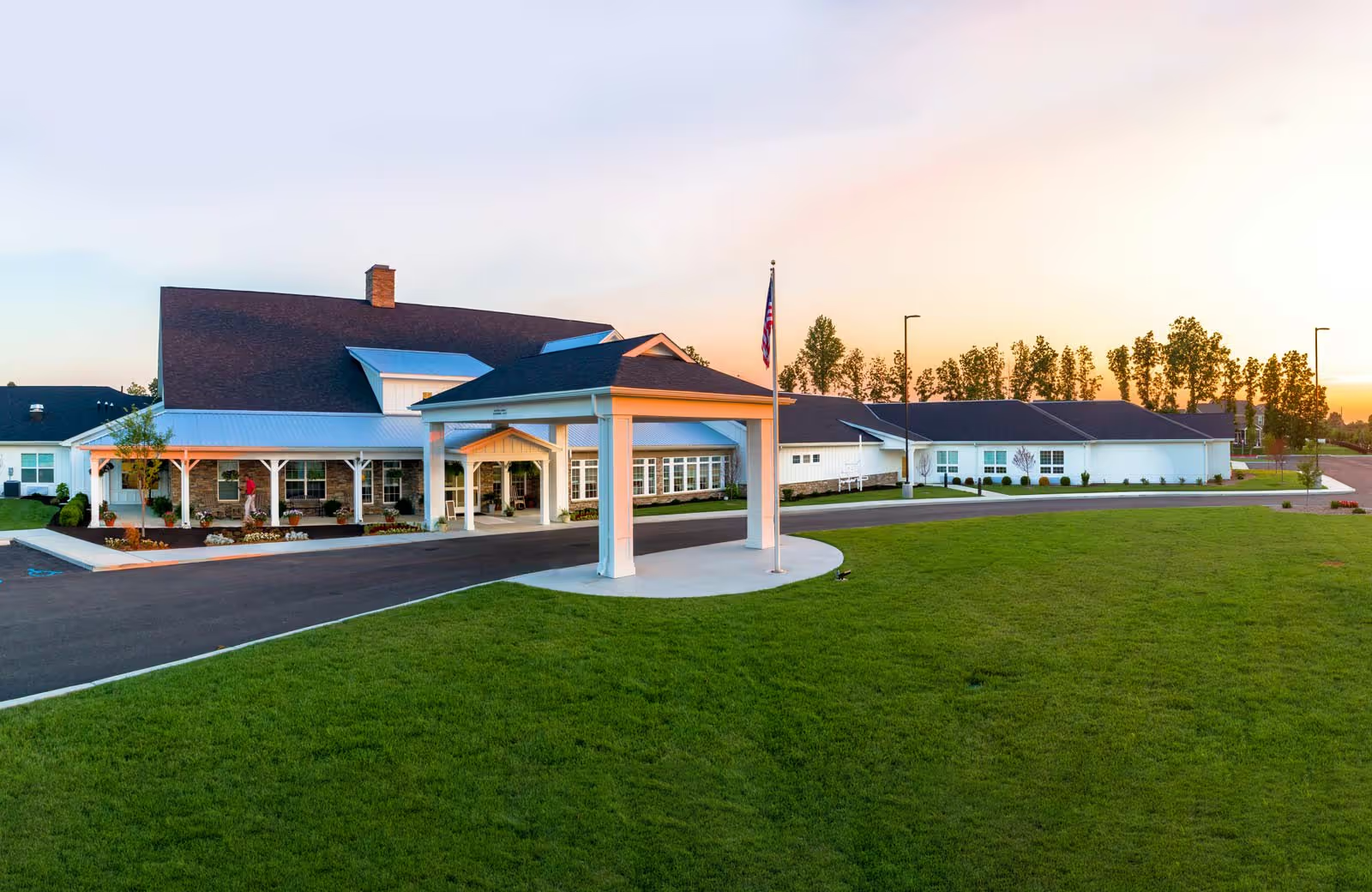
Reviews of Waters of Martinsville show a facility with distinct strengths alongside recurring operational weaknesses. Strengths most consistently described include a compassionate, resident-centered approach among many direct-care staff, a well-regarded therapy/rehabilitation department, and a specialized memory-care unit (Memory Springs) with veteran-focused services and VA coordination. Several accounts emphasize on-site medical coverage, a welcoming, family-like atmosphere, usable event and outing resources (including a facility bus and celebration spaces), and positioning as an affordable option for short-term rehab or respite stays.
Care quality perceptions are mixed. Many reviewers praised individual caregivers and therapists for responsiveness, clinical skill, and outcomes such as mobility improvement; however, other descriptions point to inconsistent staff competency and professionalism across shifts. Chronic understaffing is a repeated operational theme, linked to slow responses to call lights, delays in personal care and meal assistance, and general workload strain. Documentation and care-planning gaps were also noted, including errors in paperwork and incomplete or unclear treatment plans; these issues intersect with concerns about medication-administration and pharmacy coordination, where delays, wrong paperwork, and supply interruptions were described.
Food and sanitation assessments vary. Positive comments highlight three meals a day and appealing communal areas, while negative accounts raise specific food-safety and kitchen-process concerns and mention regulatory scrutiny. Reviewers also raised odor and cleanliness observations in certain contexts; these were uneven across reports, with other reviewers describing a clean, pleasant environment. Dining-service consistency (including special-diet availability) and kitchen sanitation controls appear to be areas requiring attention.
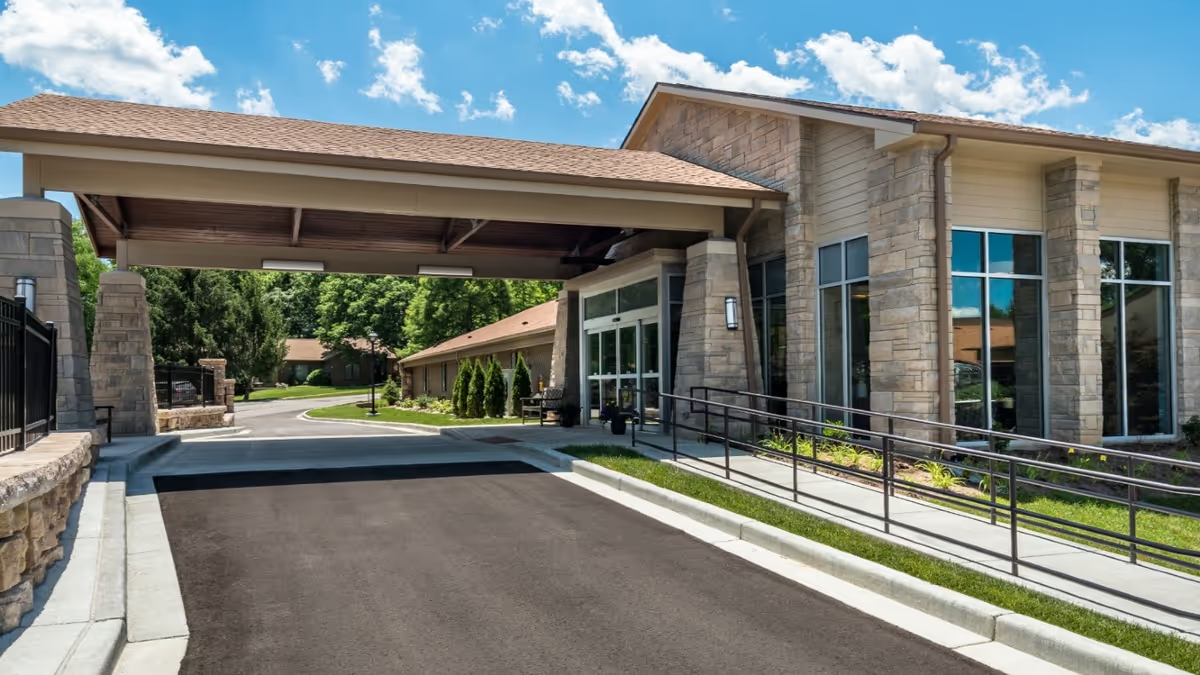
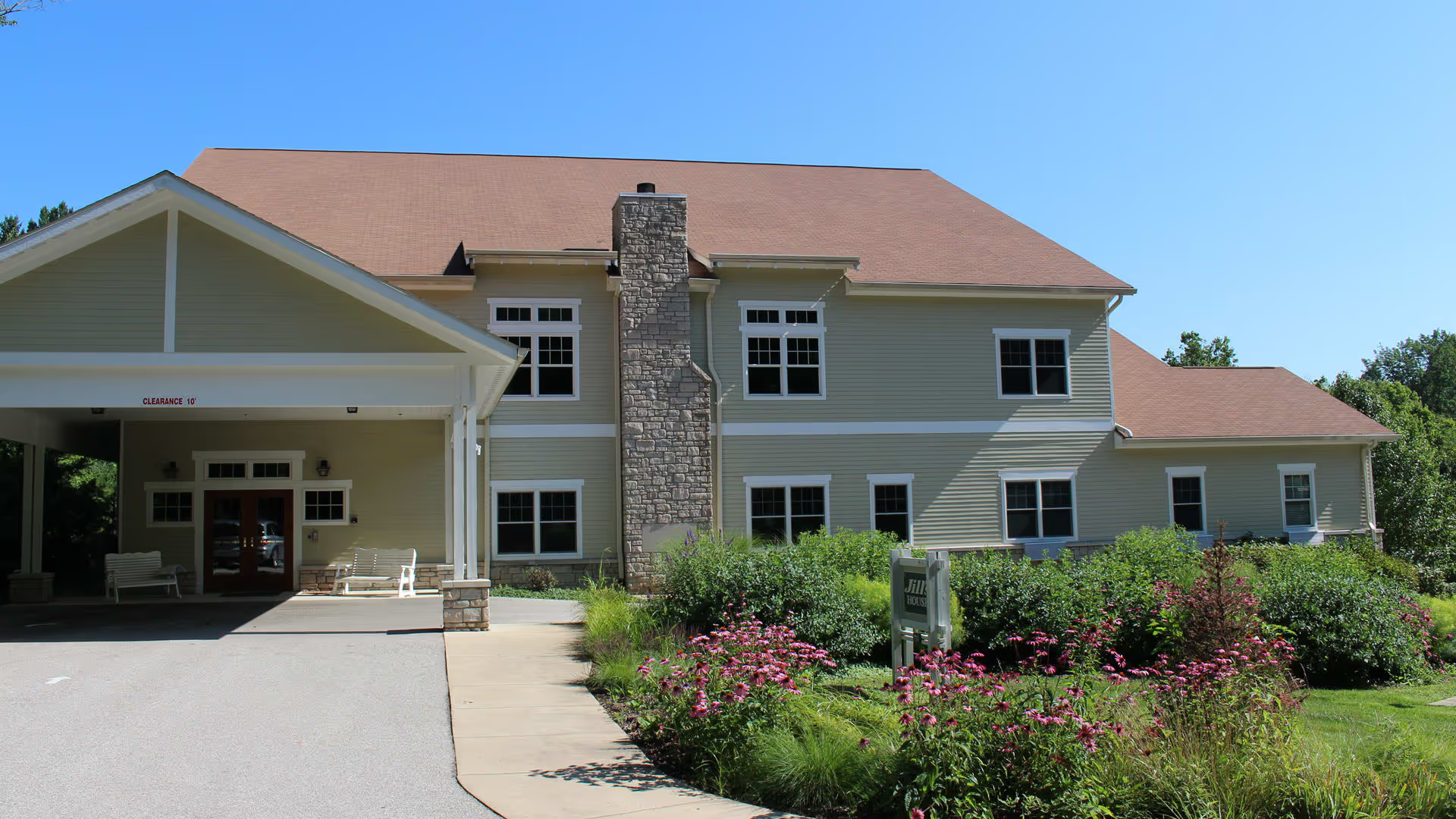
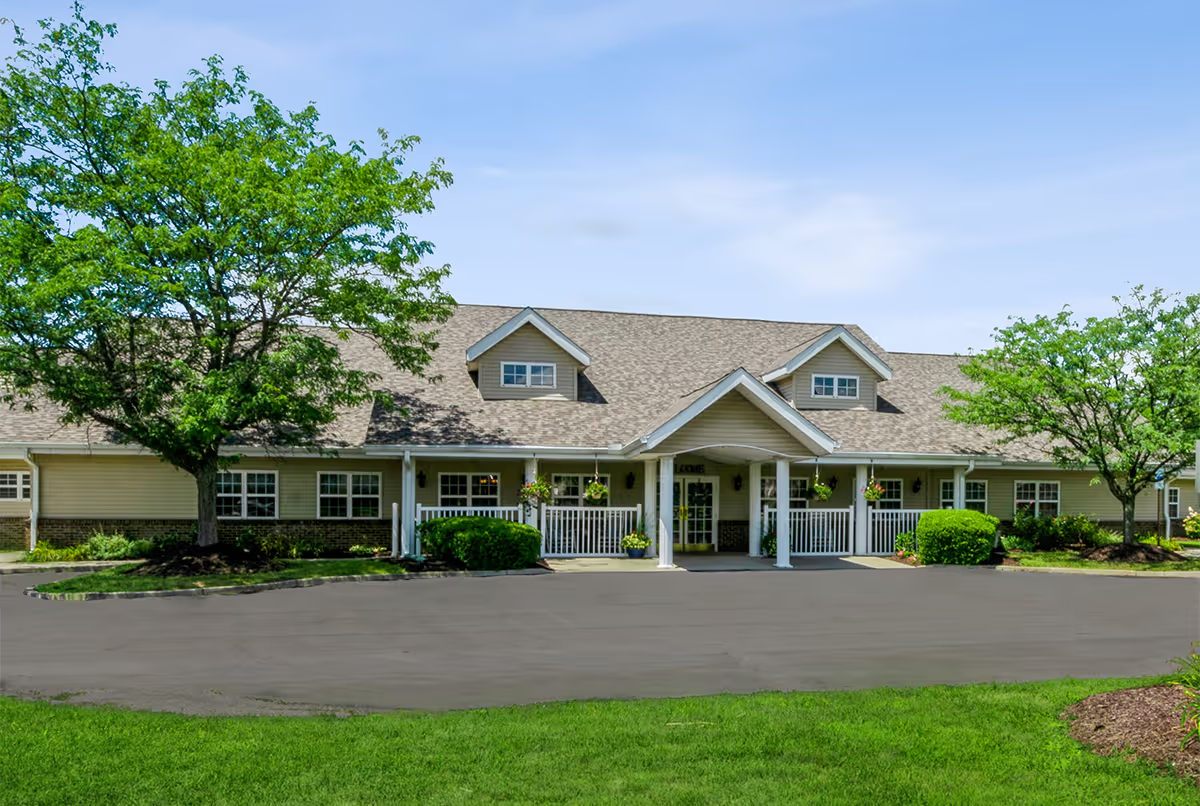
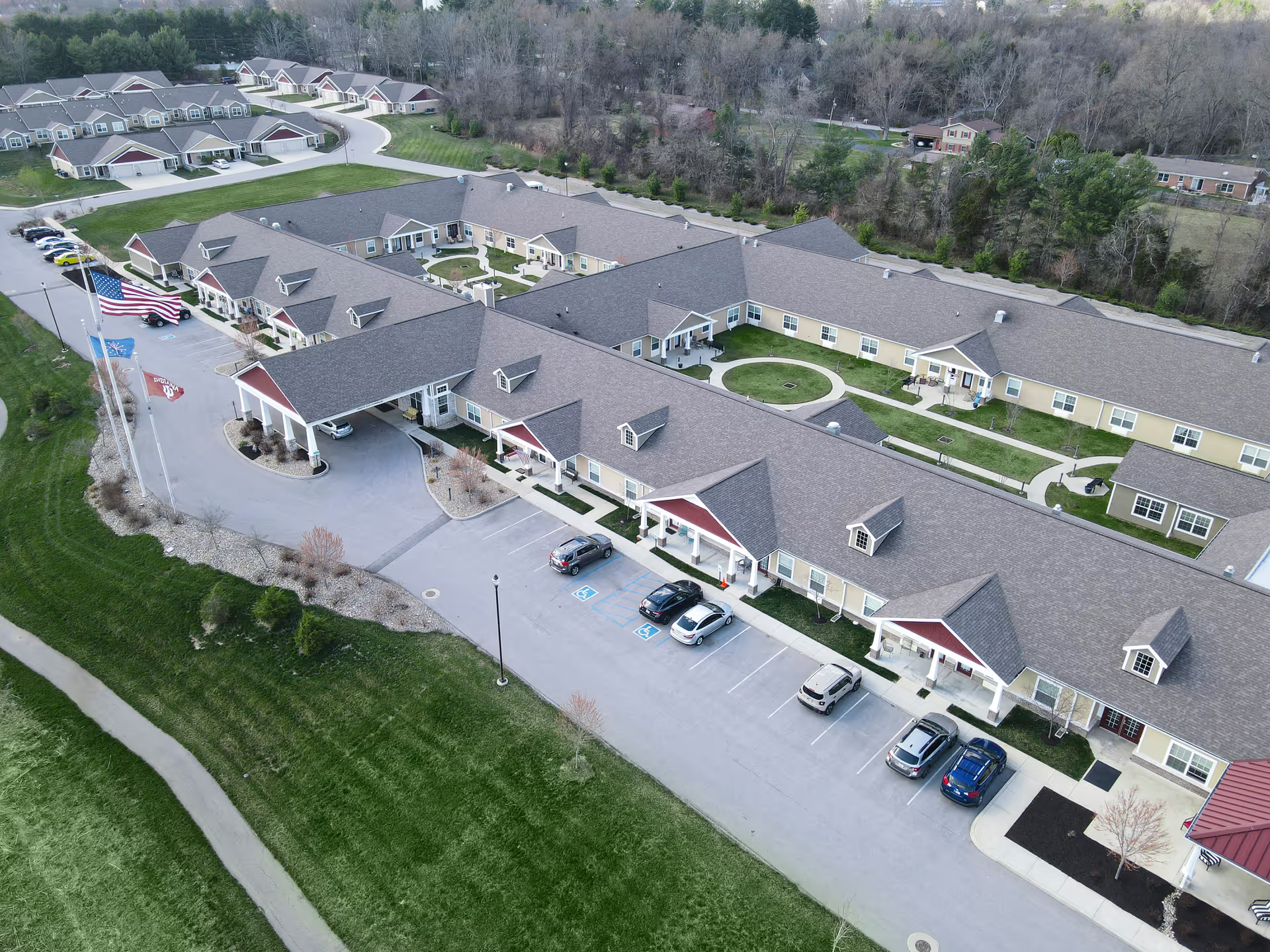
Activities and the physical environment present a similar mixed picture. The facility offers social programming, music, bingo, and therapy-integrated activities that some families and residents find engaging. At the same time, others describe limited activity frequency and an older building with small rooms and shared bathrooms that can feel crowded. The memory-care unit and veteran program receive frequent praise for focused supervision and specialized services.
Management and operational patterns are uneven. Some accounts describe proactive leadership, improved staffing practices, and responsiveness to concerns; others describe poor communication, administrative unresponsiveness, frequent leadership turnover, and rigid grievance or visitation handling. A few reviewers raised serious post-incident concerns (including end-of-life care coordination and alleged financial misconduct); these are individualized but notable and suggest the need for clear incident-response protocols and transparent family communication.
Taken together, Waters of Martinsville appears to offer strong clinical and memory-care capabilities in areas such as therapy and veteran services, and a warm atmosphere in many units. Prospective residents and families should weigh those strengths against recurring operational issues: inconsistent staffing and professionalism, medication and pharmacy coordination weaknesses, occasional food-safety and sanitation concerns, documentation and care-planning gaps, and an aging facility layout. If considering placement, ask for recent regulatory reports, examples of current staffing levels and turnover, documented medication-management improvements, and specific details about memory-care programming and infection-control practices to confirm present conditions align with individual needs and expectations.