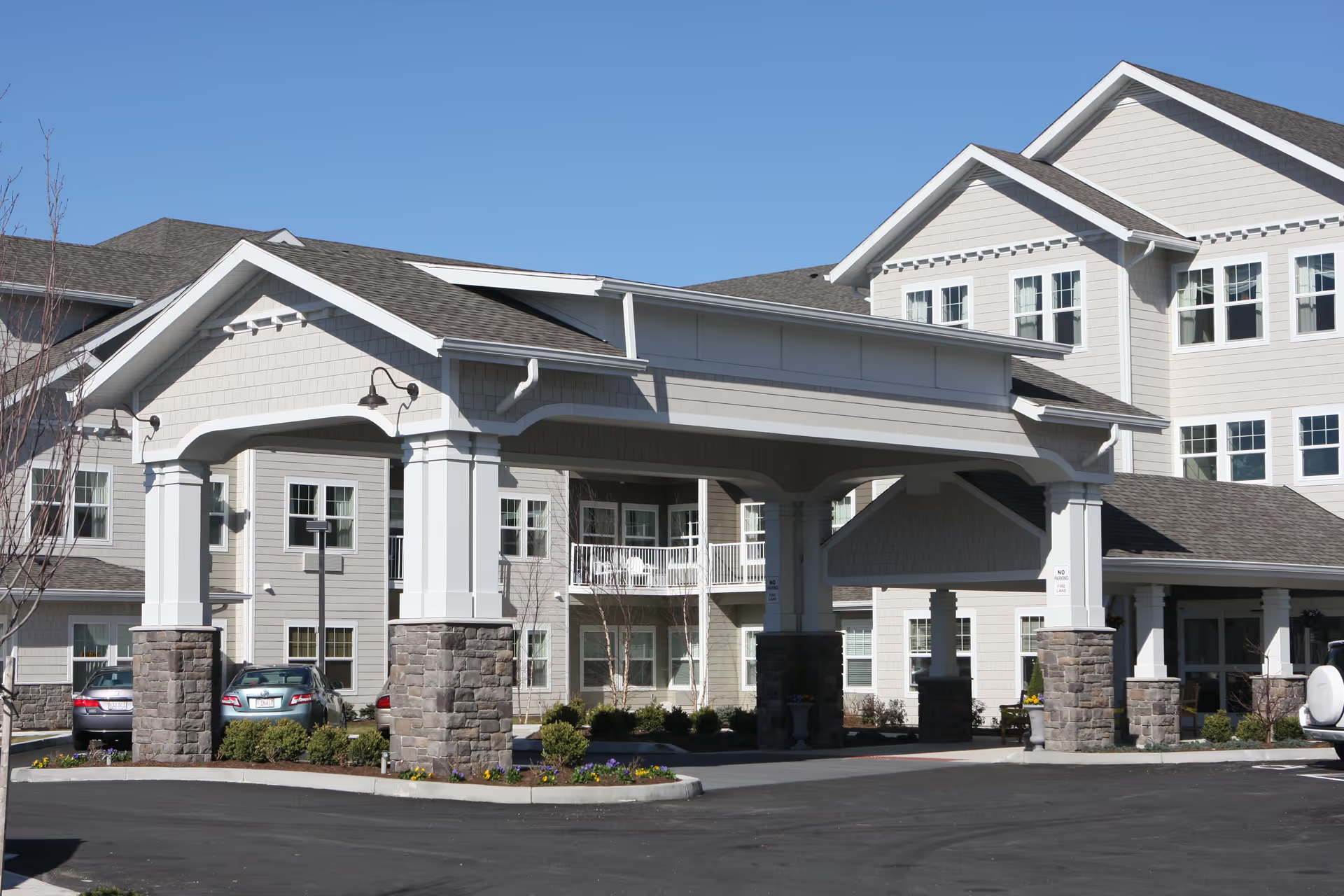
Reviews present a mixed but consistent pattern: many families and clinicians describe genuinely compassionate, skilled staff and strong rehabilitation services, while others describe operational shortfalls that affect care continuity and family confidence. Positive comments frequently cite engaged nurses, aides, and therapists who deliver effective post-operative and rehabilitative care, along with supportive hospice services and a welcoming admissions experience. Memory-care areas are often characterized as home-like and clean, and some units provide a range of activities and private-dining options that families appreciate.
At the same time, recurring operational issues emerge. Staffing levels and responsiveness are uneven across shifts and units, which reviewers link to long call-light waits and delayed assistance. Several comments point to lapses in medication administration and documentation, and to inconsistent clinical monitoring and escalation—issues that in a few cases resulted in hospital transfers. Family communication and transfer-notification processes are also inconsistent, producing frustration at important decision points and during transitions of care.
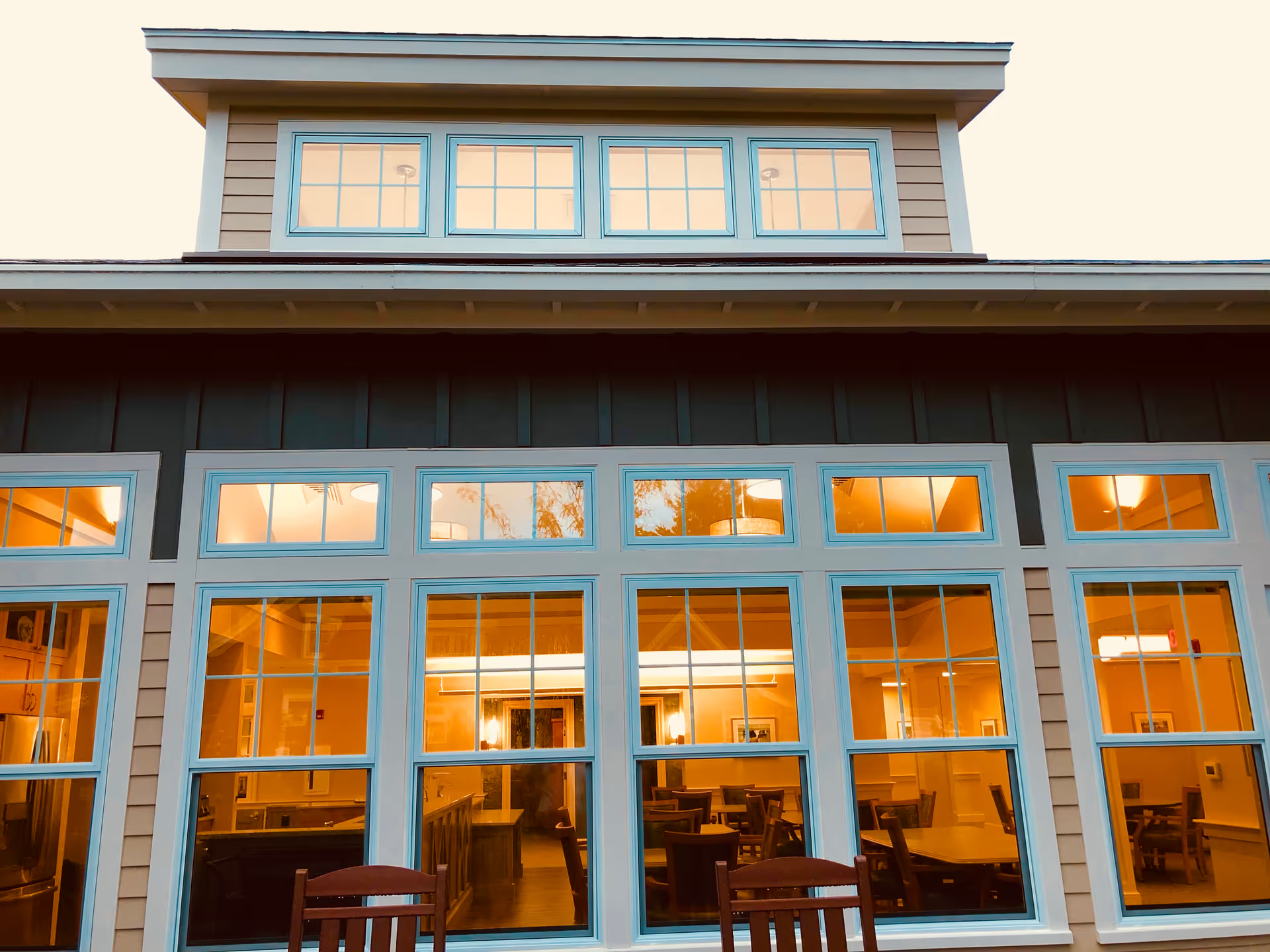
Dining and daily-living supports are similarly variable. Some families describe satisfactory meals and attentive aides; others report inconsistent meal temperatures, diet mismanagement for texture-modified diets, missing condiments, and water-clarity concerns. Activity programming is strong in several units, particularly memory care and rehab-focused areas, but other units are described as having limited or infrequent activities, leaving residents under-stimulated.
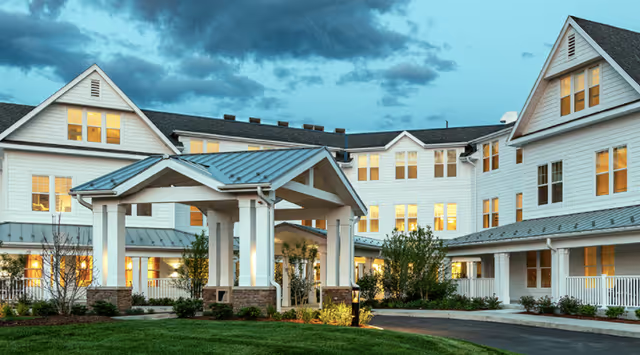
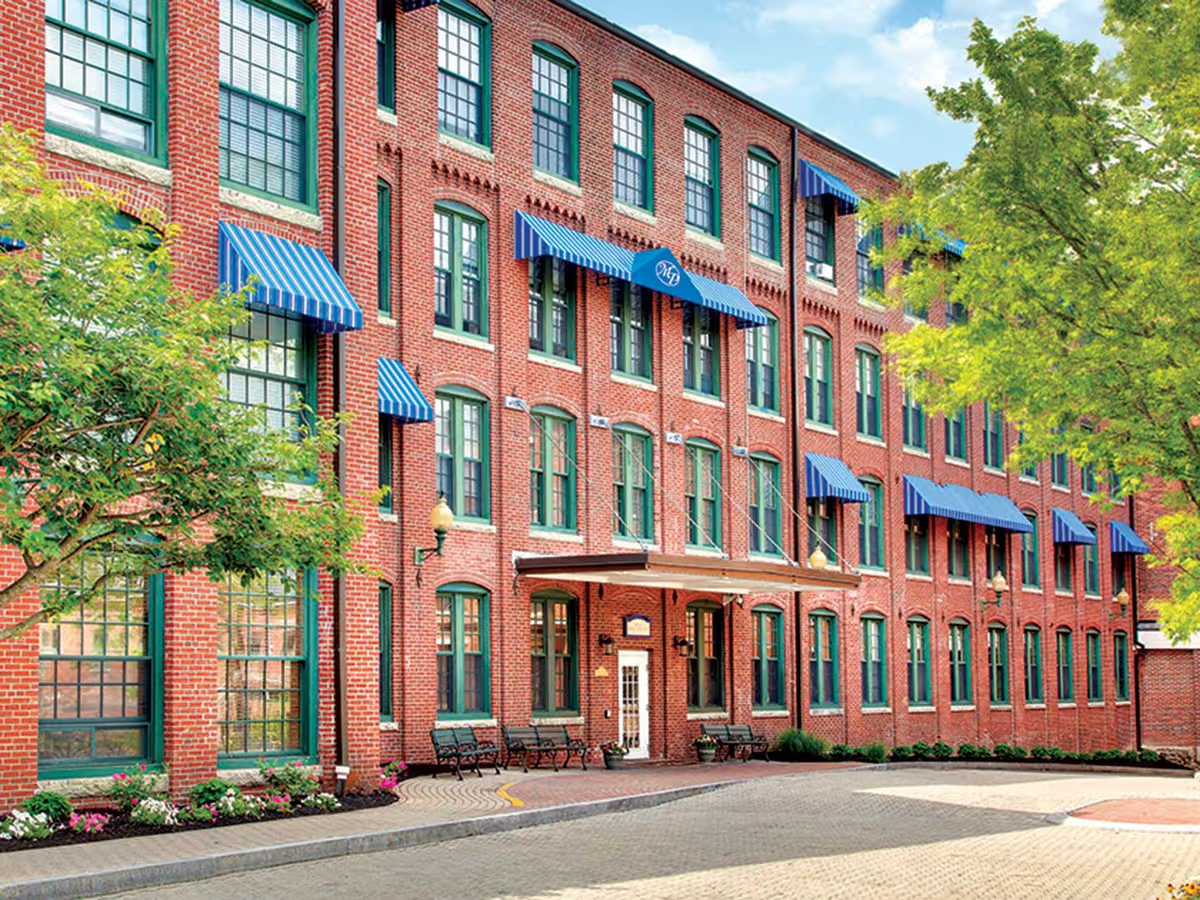
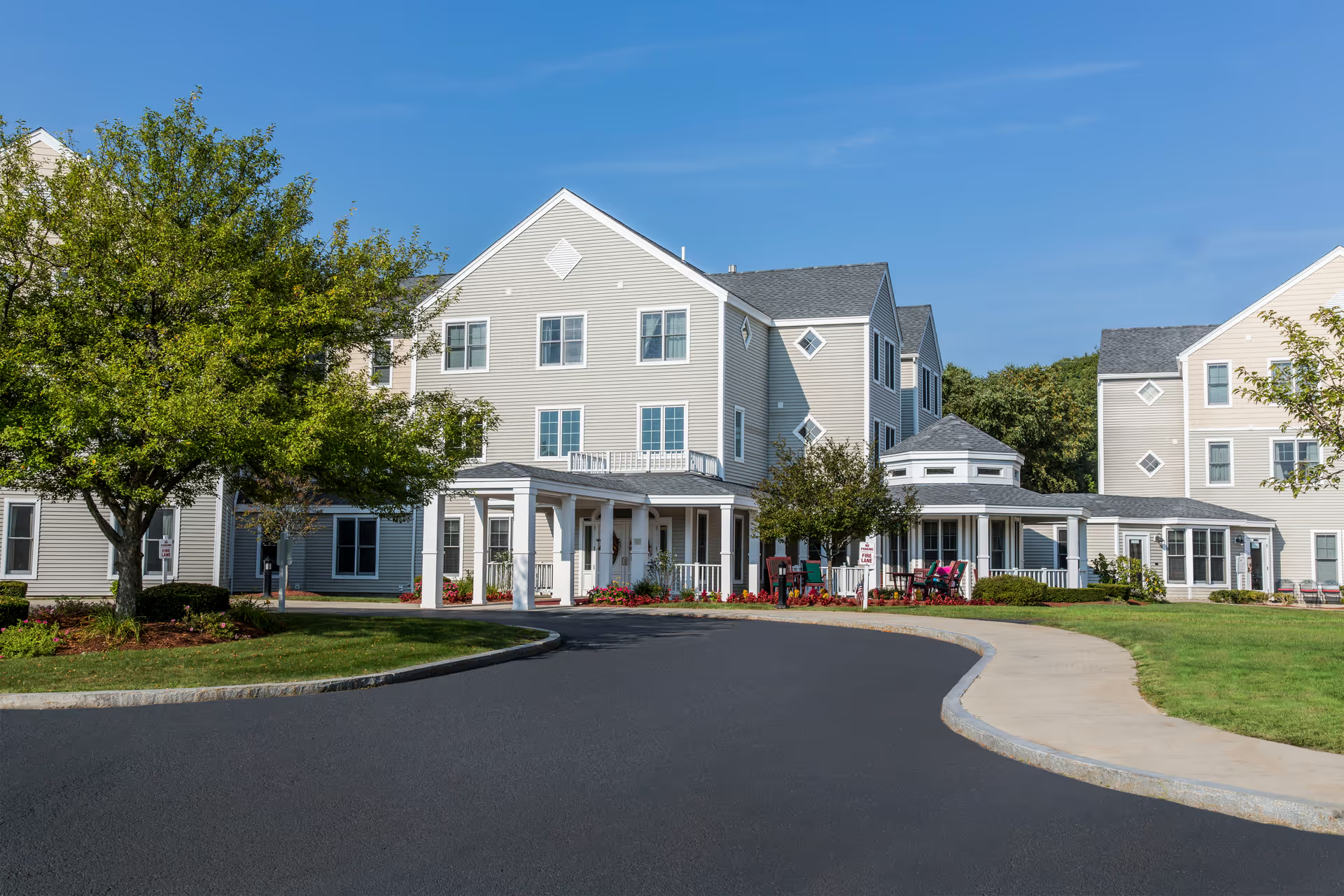
Facility condition and management responses are mixed. Many reviewers praise clean, comfortable rooms and helpful front-line staff, whereas others identify housekeeping and maintenance inconsistencies, occasional odor concerns, and dated infrastructure in places. Admissions and documentation processes are sometimes inefficient, causing delays at intake and complicating family logistics. There are also concerns about personal-property handling and incident documentation; these administrative weaknesses have undermined trust for some families.
In summary, Andover Manor demonstrates clear strengths in rehabilitation, therapy, hospice support, and in the compassionate work of many front-line staff. Prospective residents and families should weigh those strengths against evidence of operational variability: inconsistent staffing and responsiveness, gaps in medication and clinical monitoring processes, uneven dining and activity offerings, and administrative/documentation shortfalls. Where possible, families considering placement should ask about current staffing ratios, medication-safety protocols, unit-specific activity schedules, property-handling procedures, and the facility’s process for communicating clinical events and transfers to family members.