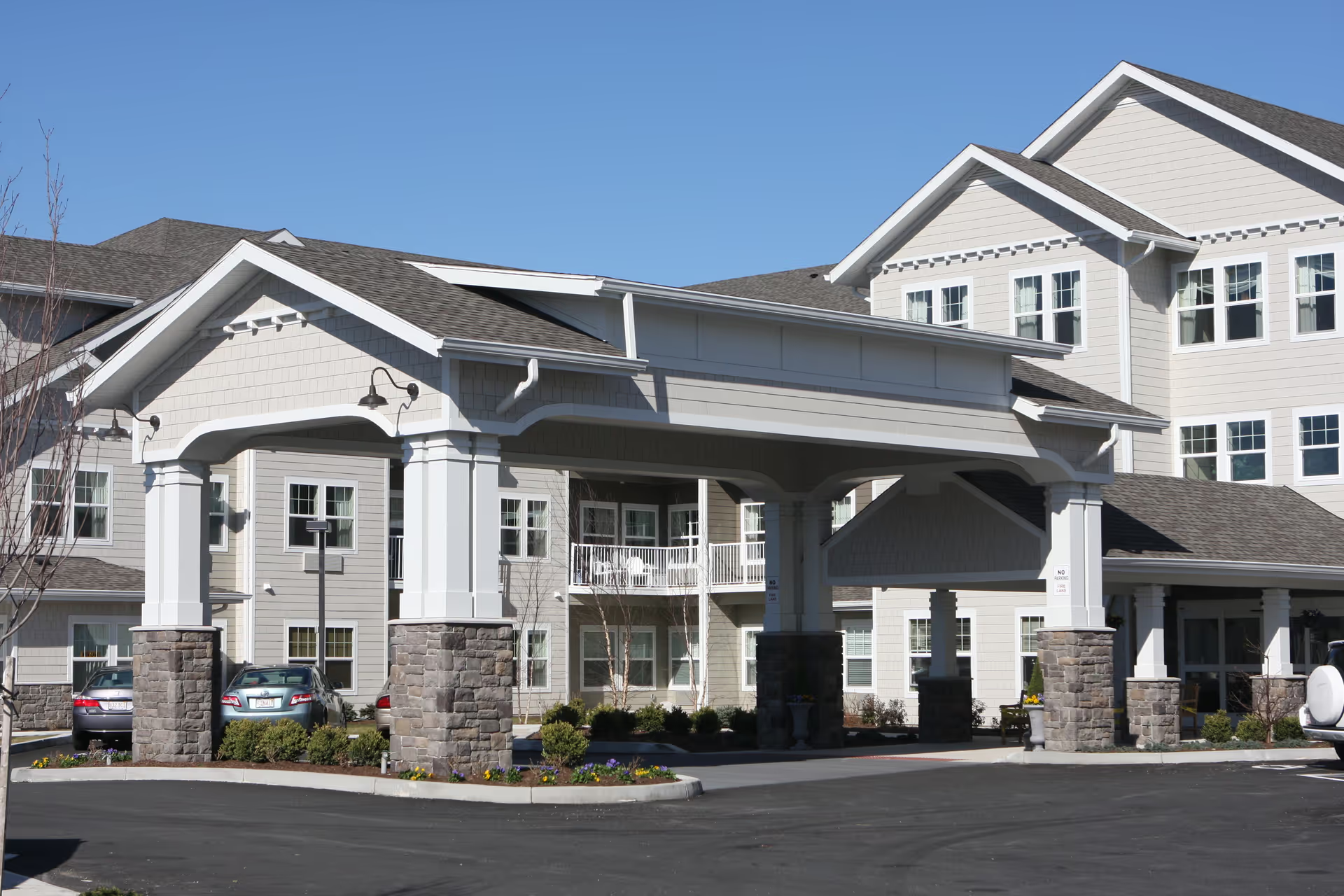
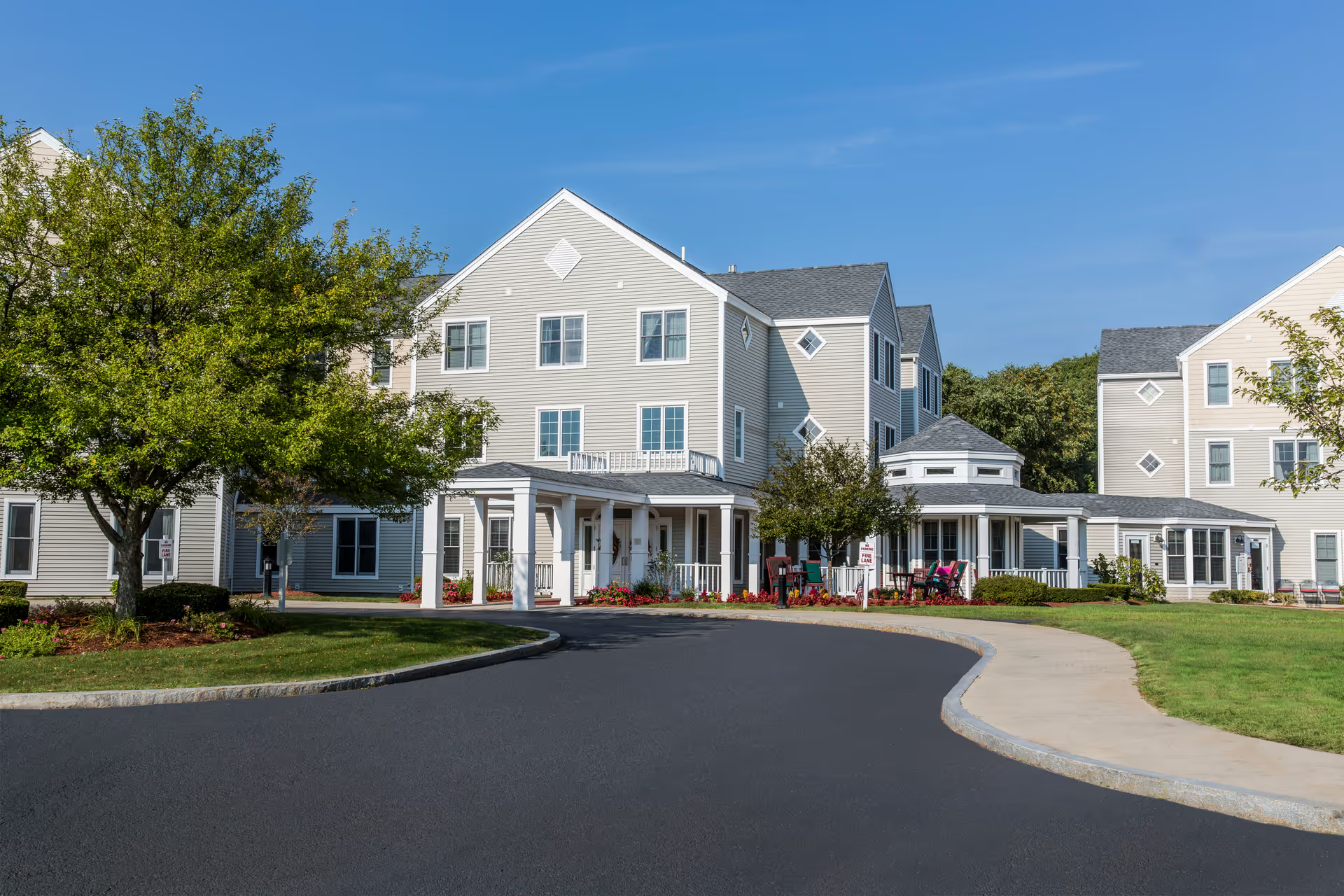
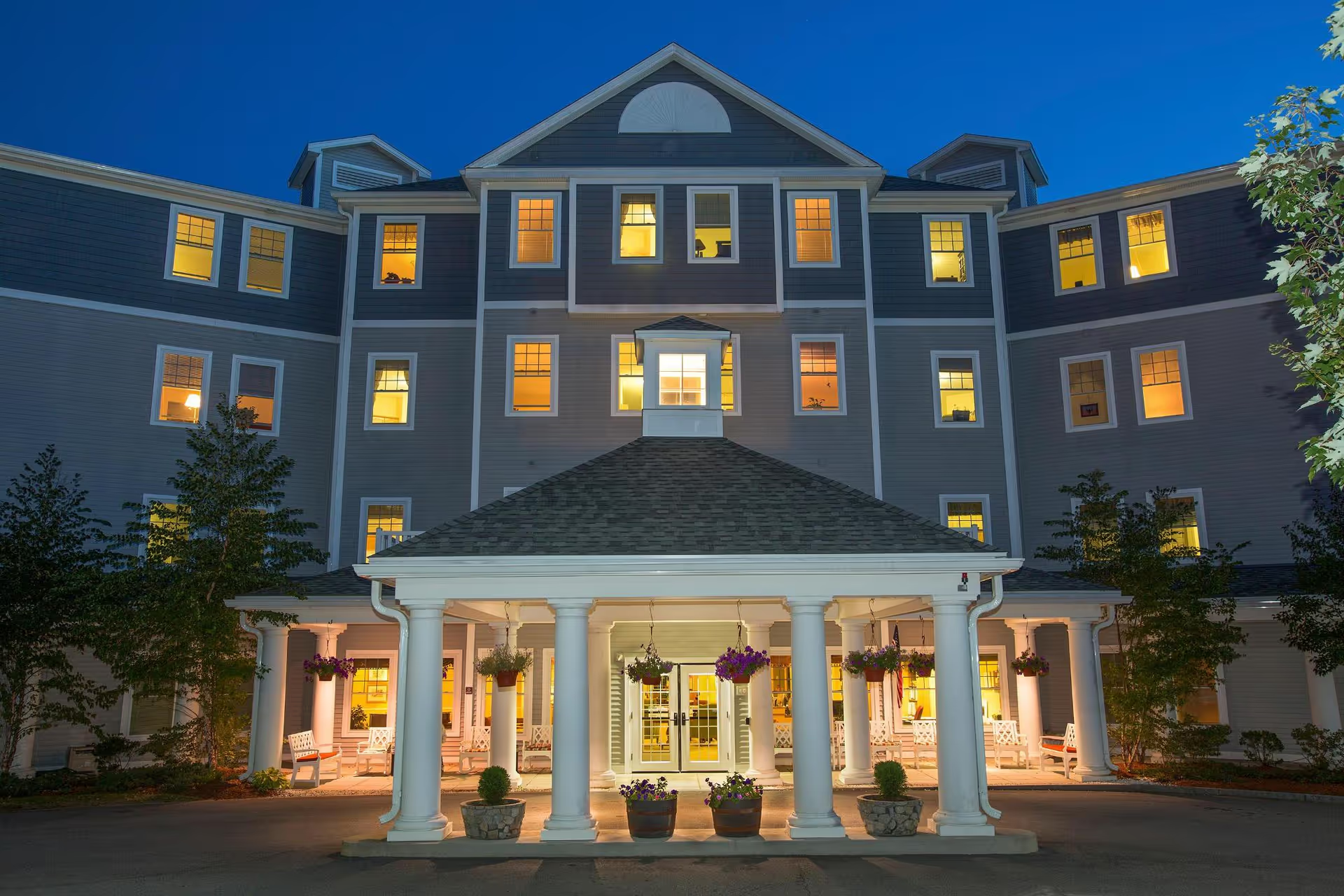
Overview: Reviews of Bear Mountain at Andover describe a facility with clear strengths in clinical rehabilitation, many caring staff members, and an inviting physical environment, alongside recurrent operational weaknesses that prospective residents and families should evaluate during a tour. The facility is consistently noted for its therapy focus and for staff who create family-like relationships with residents; however, reviewers also describe variability in everyday caregiving, dietary service, and operational follow-through.
Care and staff: Many accounts highlight compassionate, professional nurses, aides, and therapists who support rehabilitation goals and teach family members transfers, bathing, and home-care techniques. Skilled-therapy services (PT/OT) are frequently described as effective, with measurable functional improvement for some patients. At the same time, there is notable variability in frontline staffing—high turnover, weekend staffing gaps, and inconsistent CNA performance—which translates into uneven responsiveness. Recurrent concerns include delays in responding to call buttons, inconsistent attention to personal care needs, and occasional lapses in monitoring that families found problematic.
Rehabilitation and clinical response: Rehabilitation services are a consistent strength, with multiple reports of successful post-surgical and stroke recovery supported by gym-based exercises and individualized therapy plans. Several reviewers also praised prompt recognition of acute clinical changes and timely escalation to emergency services. Conversely, a subset of reviews described gaps in medication administration and coordination, and isolated instances where equipment availability or placement (e.g., walkers, bed controls, safety devices) appeared to contribute to safety events. These items suggest variability in clinical processes and equipment maintenance practices.
Dining and activities: Opinions on dining are mixed. Some reviewers commend the kitchen staff, dietary accommodations for special diets, and improvements over time; others describe repetitive menus, inconsistent meal quality, and problems with meal delivery and special-diet handling. The facility offers a range of activities, outings, and social programming that some residents find engaging, but activity participation appears uneven across the population.
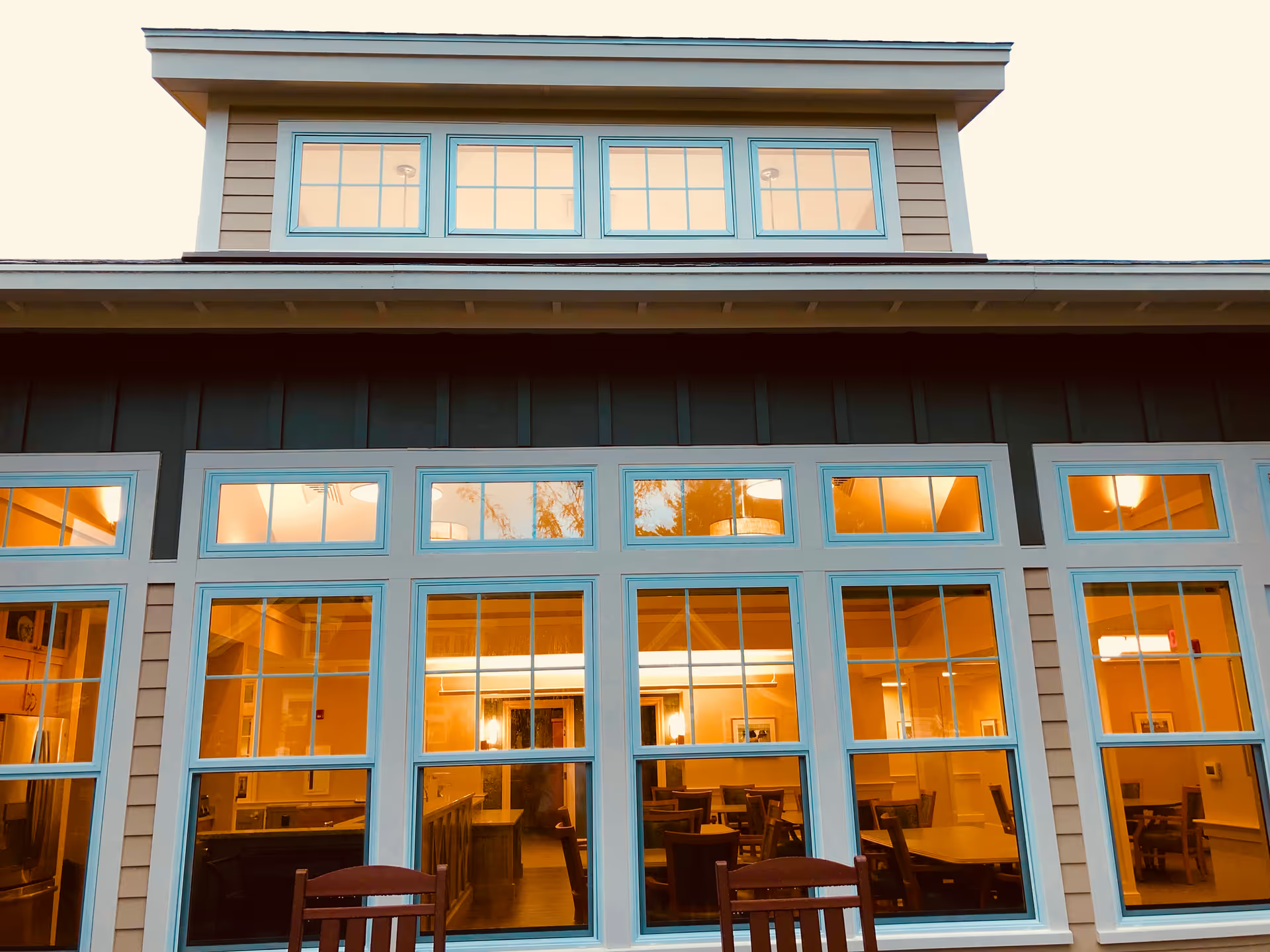
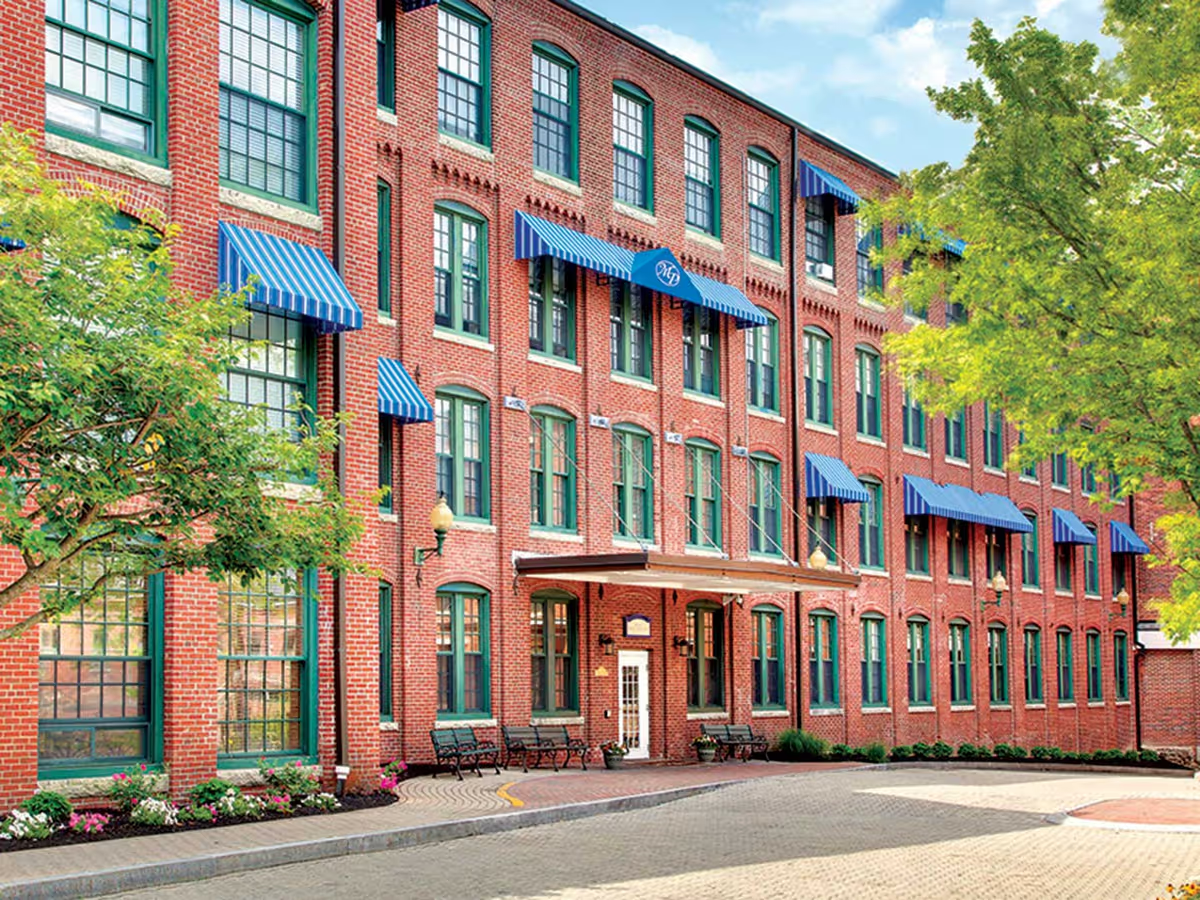
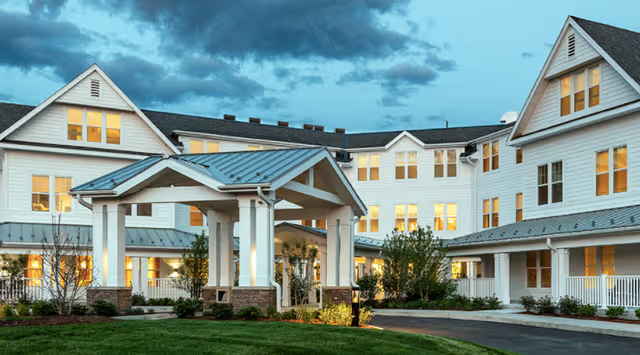
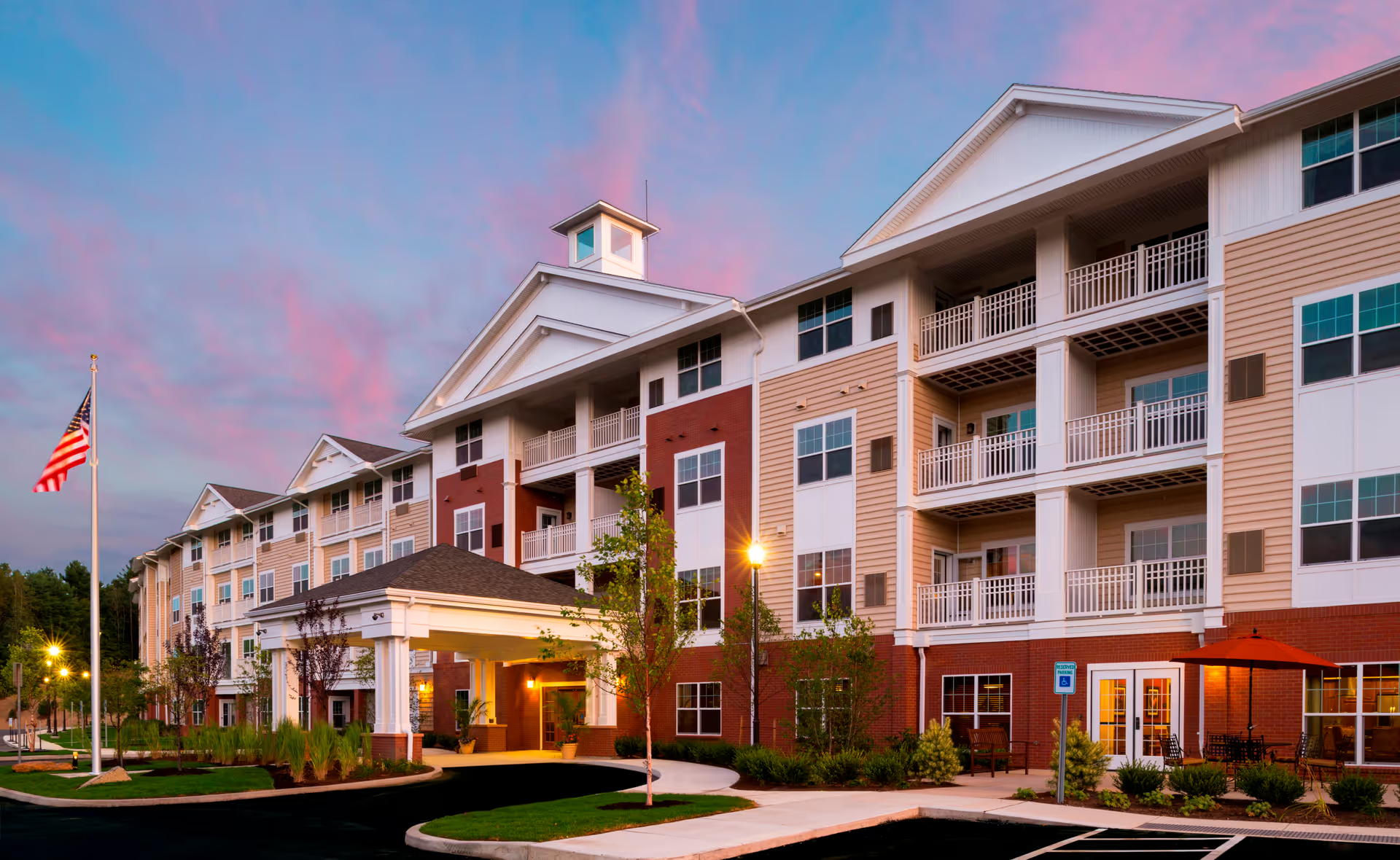
Facilities and cleanliness: The building, rooms, and bathrooms are frequently described as bright, spacious, and well maintained. Yet there are reports indicating sanitation and incontinence-care concerns in specific units or rooms, and occasional odor concerns. Laundry management and loss of personal items were also raised as recurring operational issues to review with administration.
Management and communication: Leadership receives both praise and criticism. Several reviewers describe hands-on, responsive administrators and a supportive Director of Nursing; others report inconsistent follow-through, unaddressed complaints, and breakdowns in family communication, including interactions with social-work staff. Infection-control was flagged as a serious concern in some accounts, including a COVID outbreak on a unit and questions about visitor protection and PPE practices.
Patterns and practical guidance: The strongest, most consistent positive signal is the facility's rehabilitative focus and presence of dedicated therapy staff; the most persistent concerns relate to day-to-day operations—staffing consistency, call-response times, dining reliability, sanitation on certain units, and communication/management follow-through. Prospective residents and families should tour in person, observe caregiving and meal service during a typical shift, ask about current staffing ratios and infection-control policies, review medication-management protocols and safety-device availability, and clarify laundry and property procedures before placement.