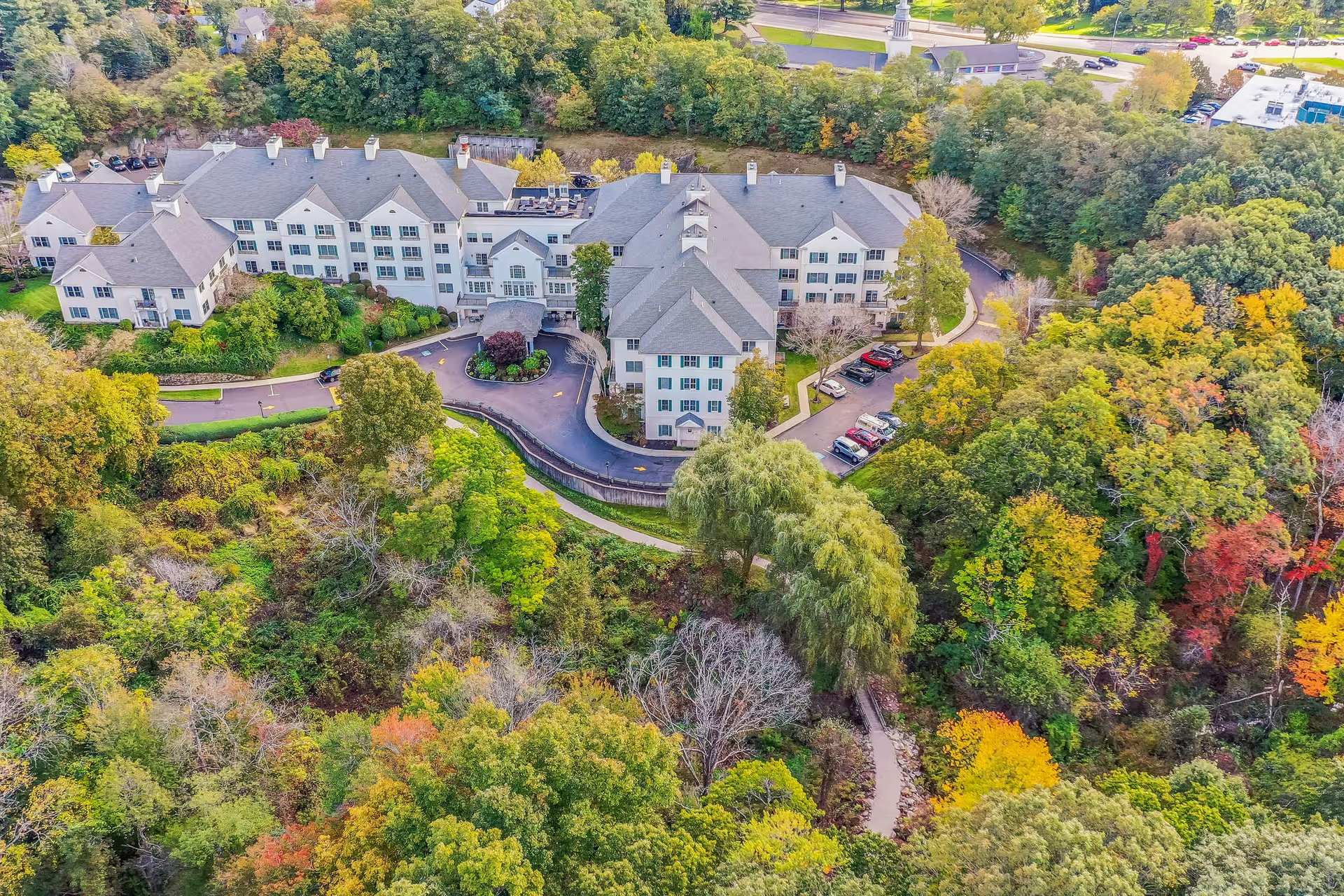
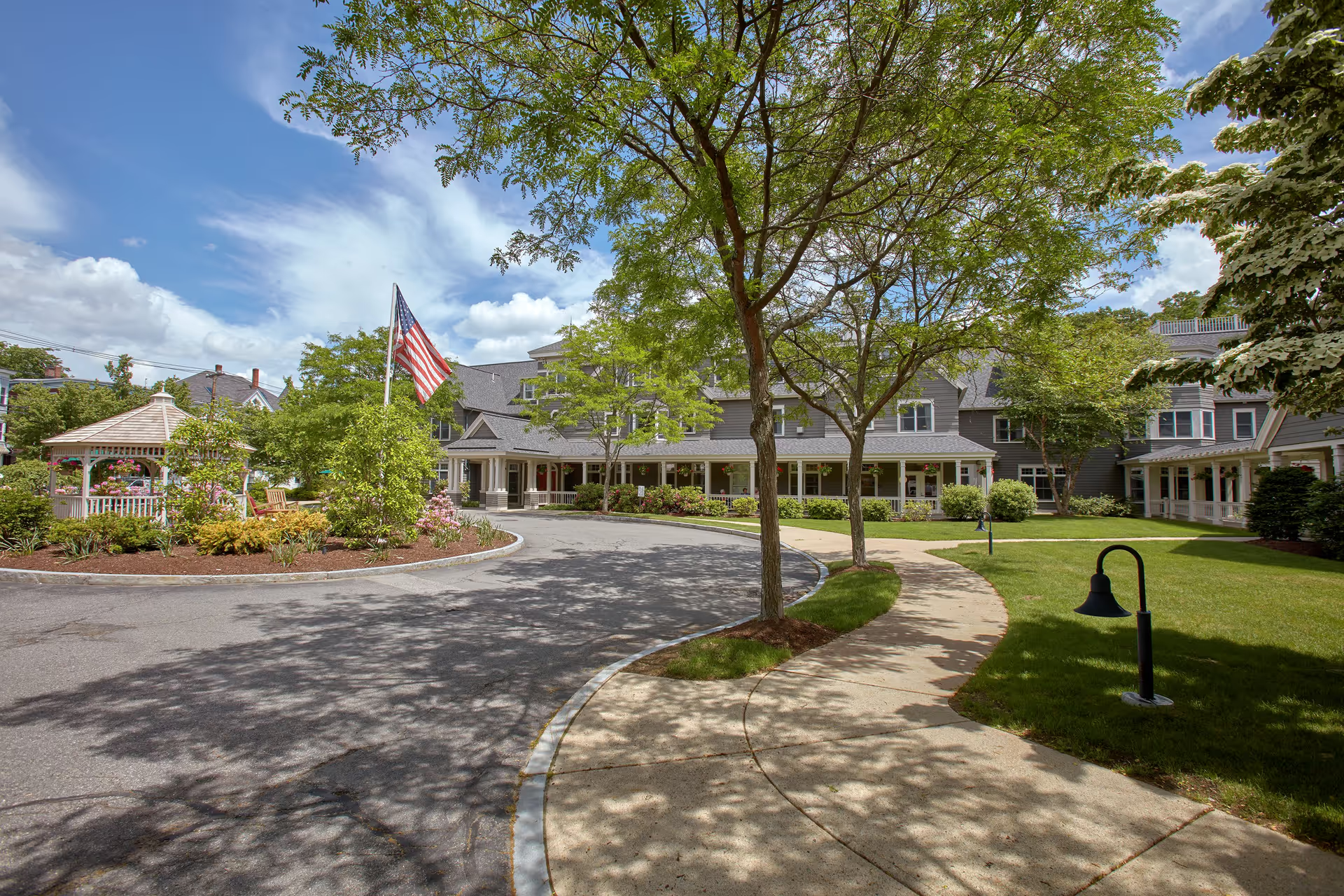
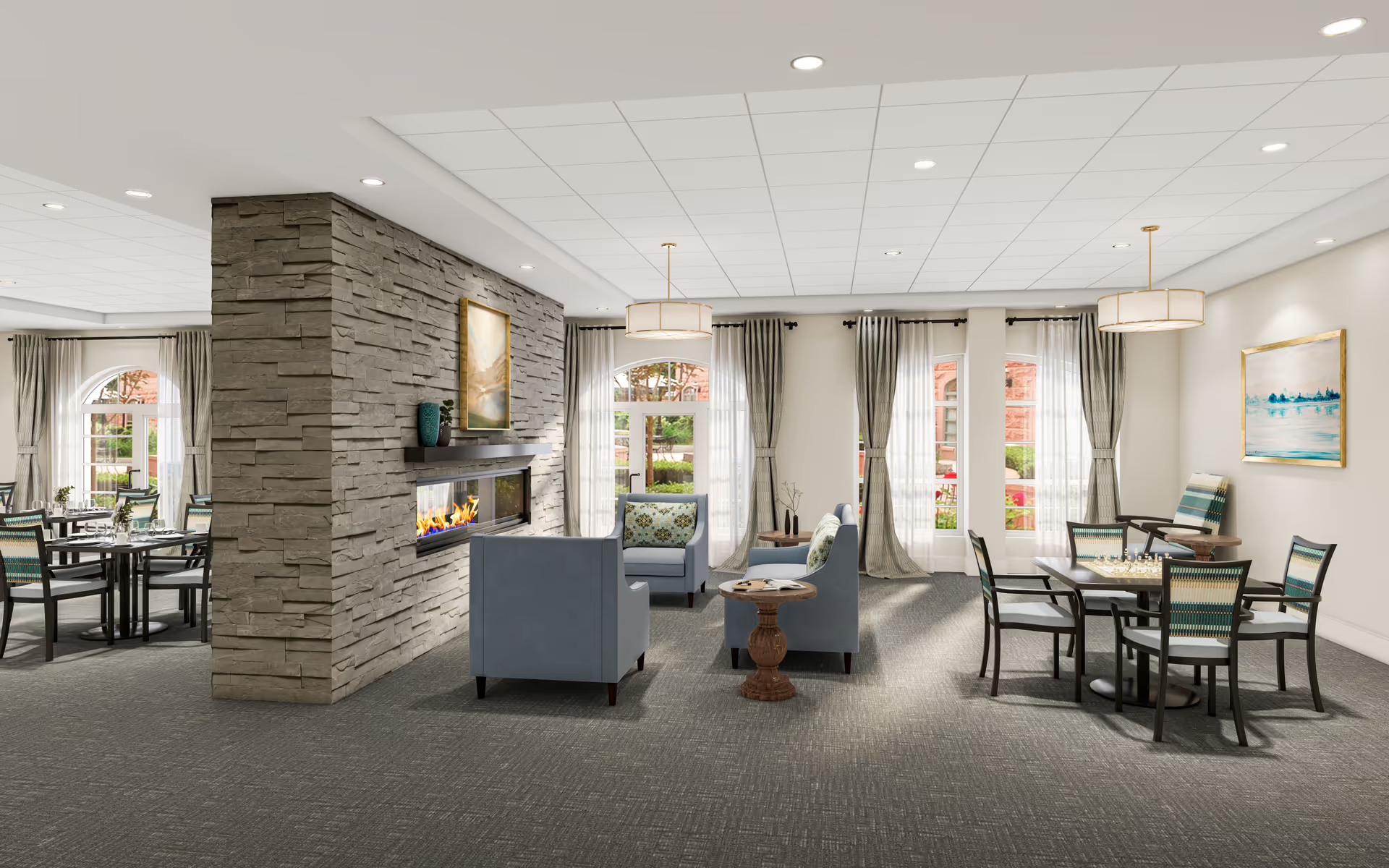
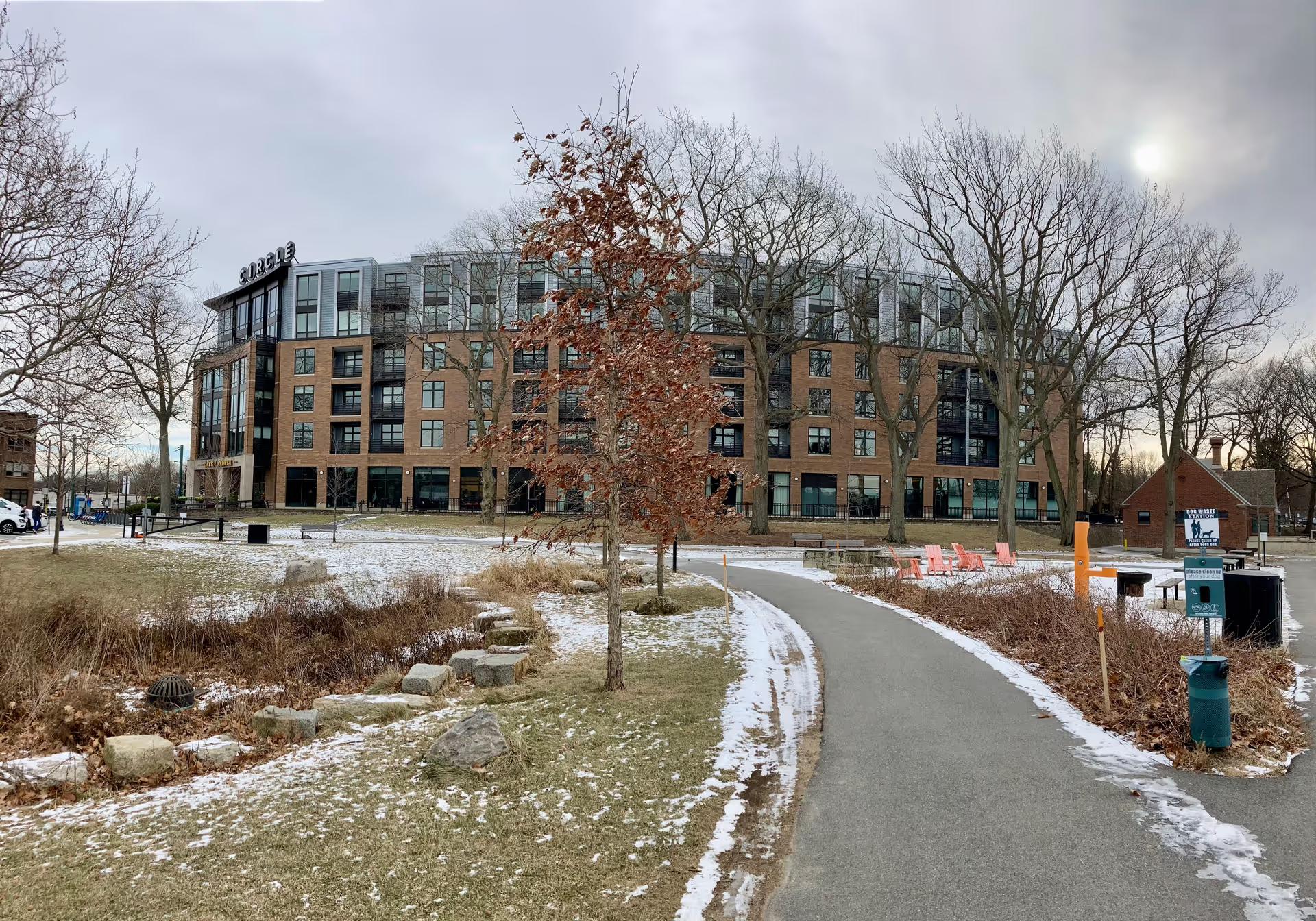
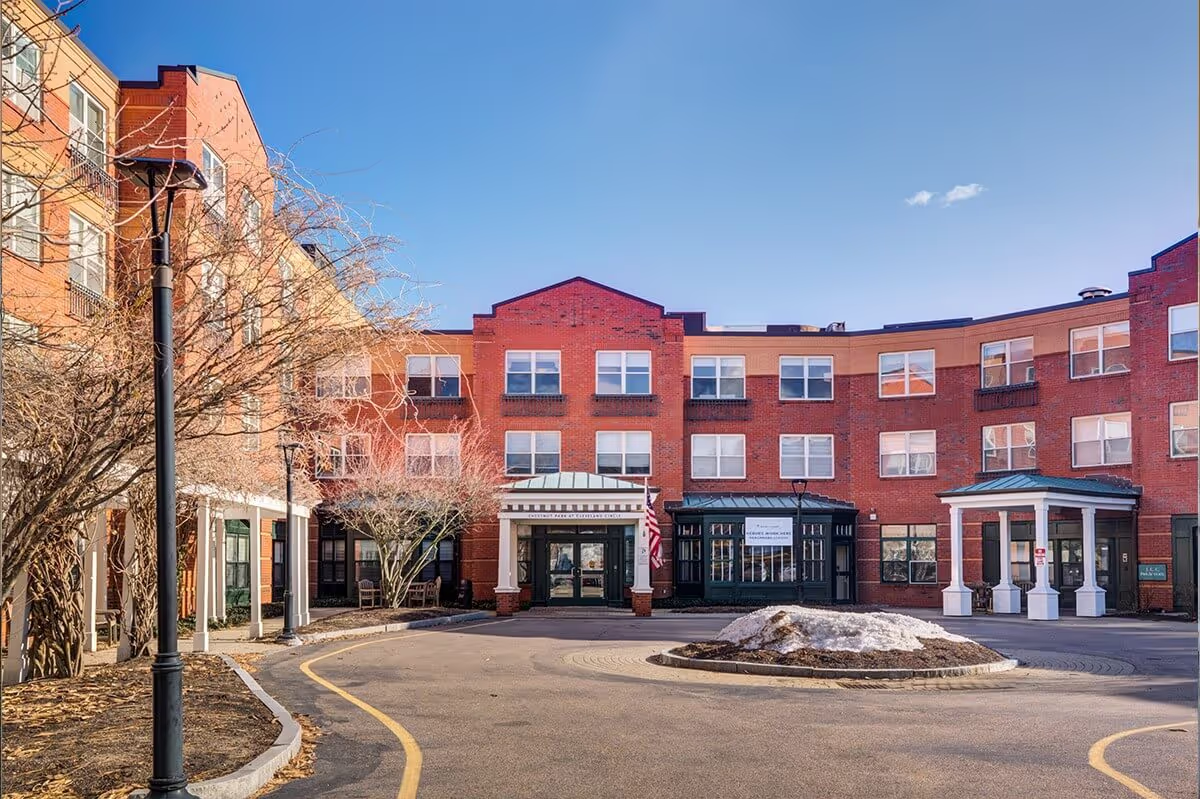
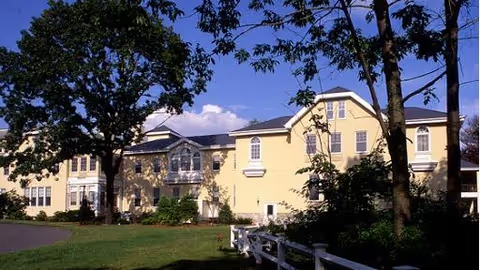
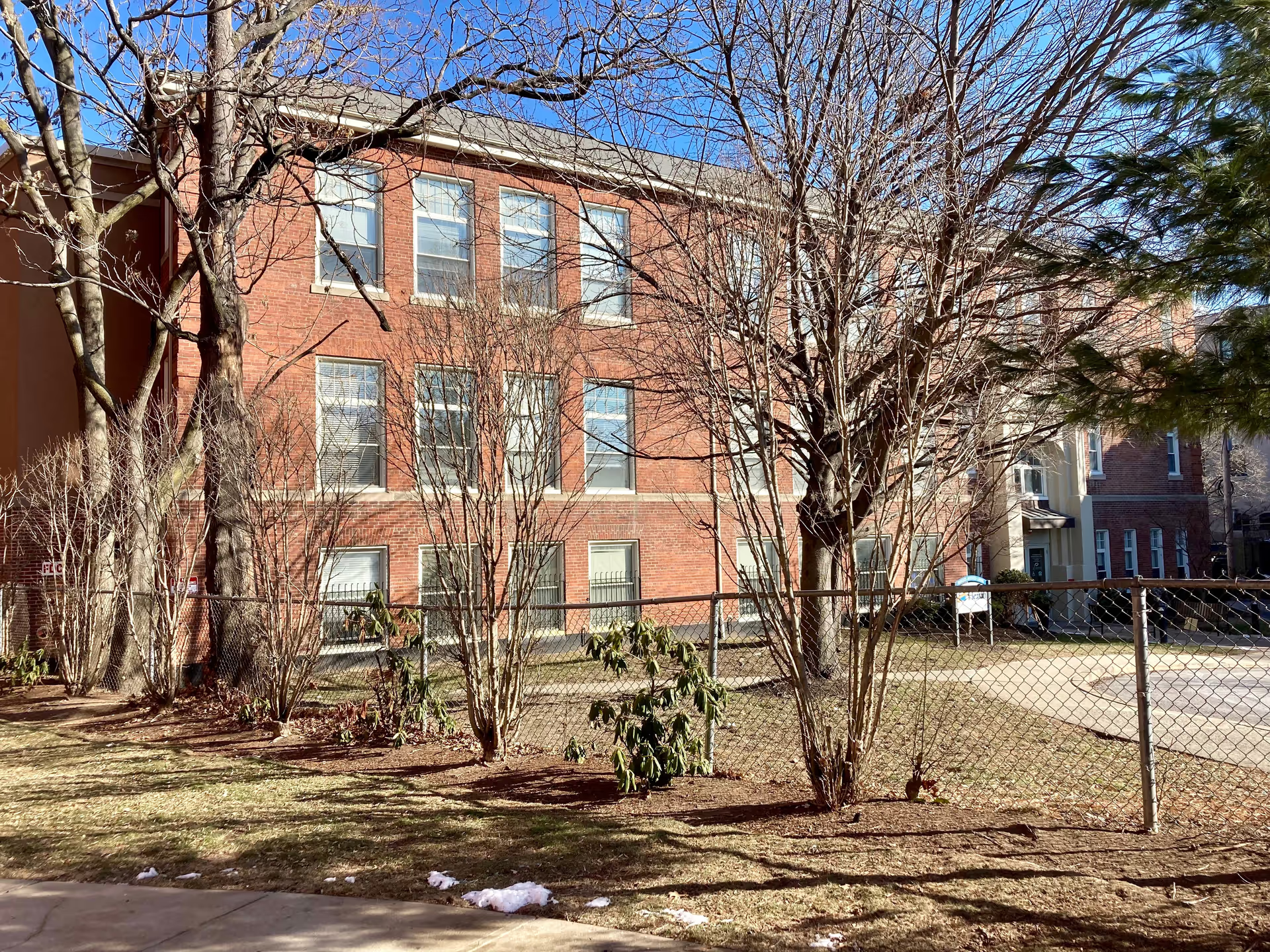
Reviewer feedback for Armenian Nursing & Rehabilitation Center is mixed, with a clear pattern of strong, person-centered caregiving noted alongside operational weaknesses that affect consistency of care. Many accounts highlight compassionate dementia care, attentive nurses and CNAs, a helpful admissions director, and kitchen and therapy staff who tailor meals and services to resident needs. Several reviewers emphasized the facility’s clean, well-kept grounds, peaceful neighborhood setting, and communal spaces such as a dining hall, TV room, and deck that families found pleasant. Some families specifically praised pain management, language-access efforts, and rapid implementation of vaccination and unit separation during the COVID-19 response.
At the same time, there are recurring concerns about workforce stability and management practices. Reviewers described high nursing turnover and frequent use of per-diem staff, which contributed to inconsistent care continuity and unclear or inconsistently communicated treatment plans. Communication with families was a frequent challenge: relatives reported difficulty obtaining timely clinical updates and perceived delays in sharing information. Several accounts raised issues with the facility’s infection-response processes during the COVID-19 surge, including delayed testing and concerns following resident deaths, which influenced family trust in management and clinical oversight.
Operational and environmental issues were also noted. While many described the facility as clean and well-maintained, others reported inconsistent sanitation of shared items such as tray tables and activity materials. The physical layout includes small double-occupancy rooms, which some families experienced as crowded and limiting of privacy. Activity programming is present and engaged, but space and scheduling sometimes led to overcrowded sessions. Dining impressions varied: some families praised meal accommodations and suitable portions, while others described uneven meal temperature and food quality.
Overall, the pattern is one of pockets of strong, compassionate frontline care within a facility facing systemic challenges tied to staffing, infection-control consistency, and family communication. Prospective residents and families who prioritize dementia expertise and individualized interpersonal care may find strengths here, but should also assess leadership stability, staffing models, infection-response protocols, and room configuration. Recommended questions for families would include: current nurse-to-resident ratios and turnover rates, procedures for outbreak testing and family notification, cleaning protocols for shared equipment and activity materials, meal service routines (including temperature control), and how individualized treatment plans are documented and communicated.