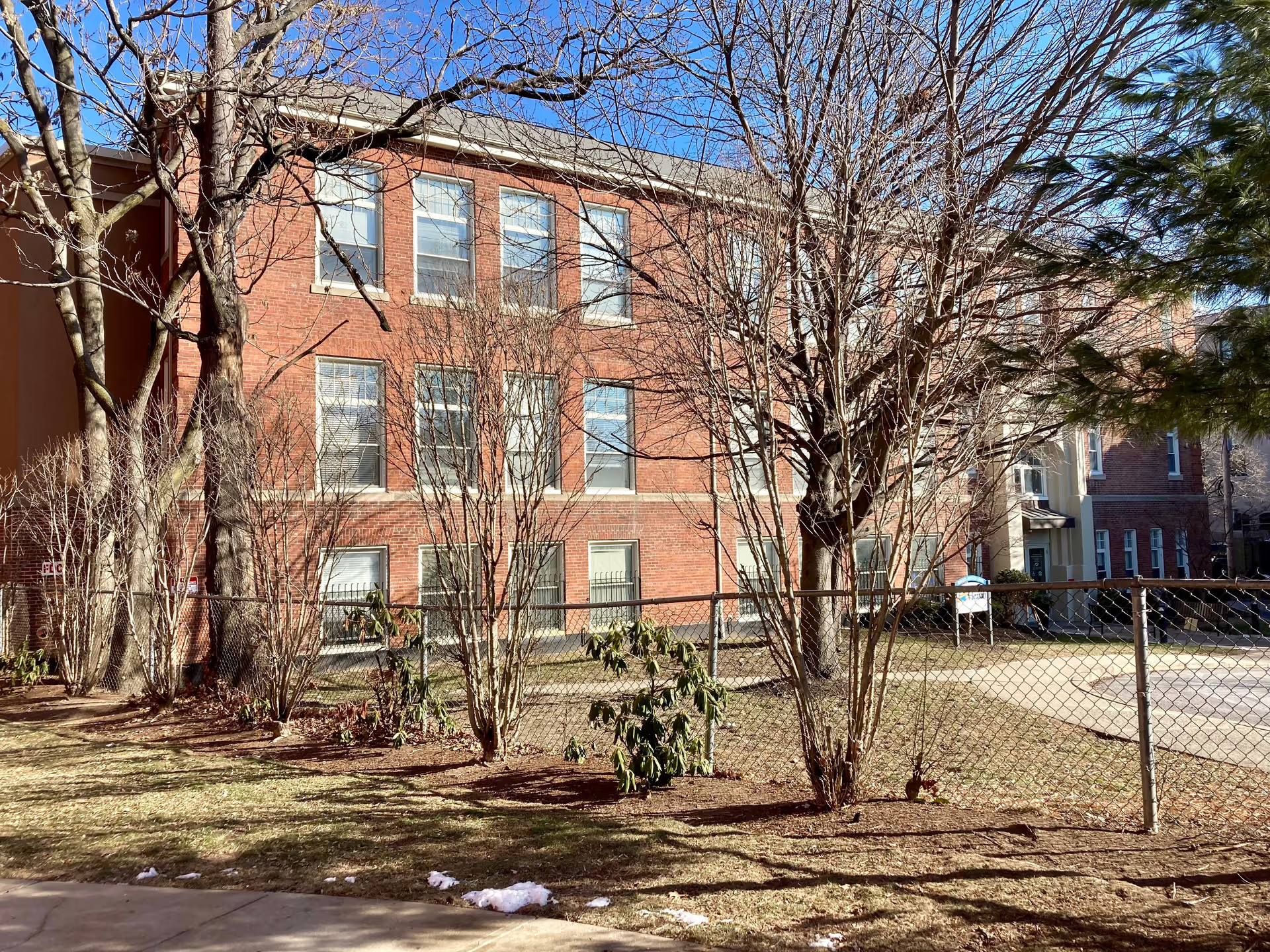
CareOne at Brookline elicits strongly mixed impressions. Many families and residents praise the facility's therapy teams and direct-care staff: physical and occupational therapists, speech therapists, and a number of nurses and CNAs are repeatedly described as attentive, compassionate, and effective in supporting mobility and return-to-home goals. The recreation program and some administrative staff also receive positive mention for keeping residents engaged, accommodating dietary needs (kosher, vegetarian, vegan), and facilitating family contact through video calls and outdoor visits.
At the same time, a substantial number of reviews describe operational and clinical inconsistencies that affect day-to-day care. The most common pattern is staffing shortfalls and uneven staff performance—night shifts and certain units are singled out for slower response times, missed bathing or toileting assistance, and inconsistent bedside manners. Call-bell responsiveness, timely medication administration, and other basic care processes are recurrent concerns. Several reports describe lapses in wound care, feeding-tube handling, and other clinical procedures that suggest gaps in training or supervision rather than isolated events.
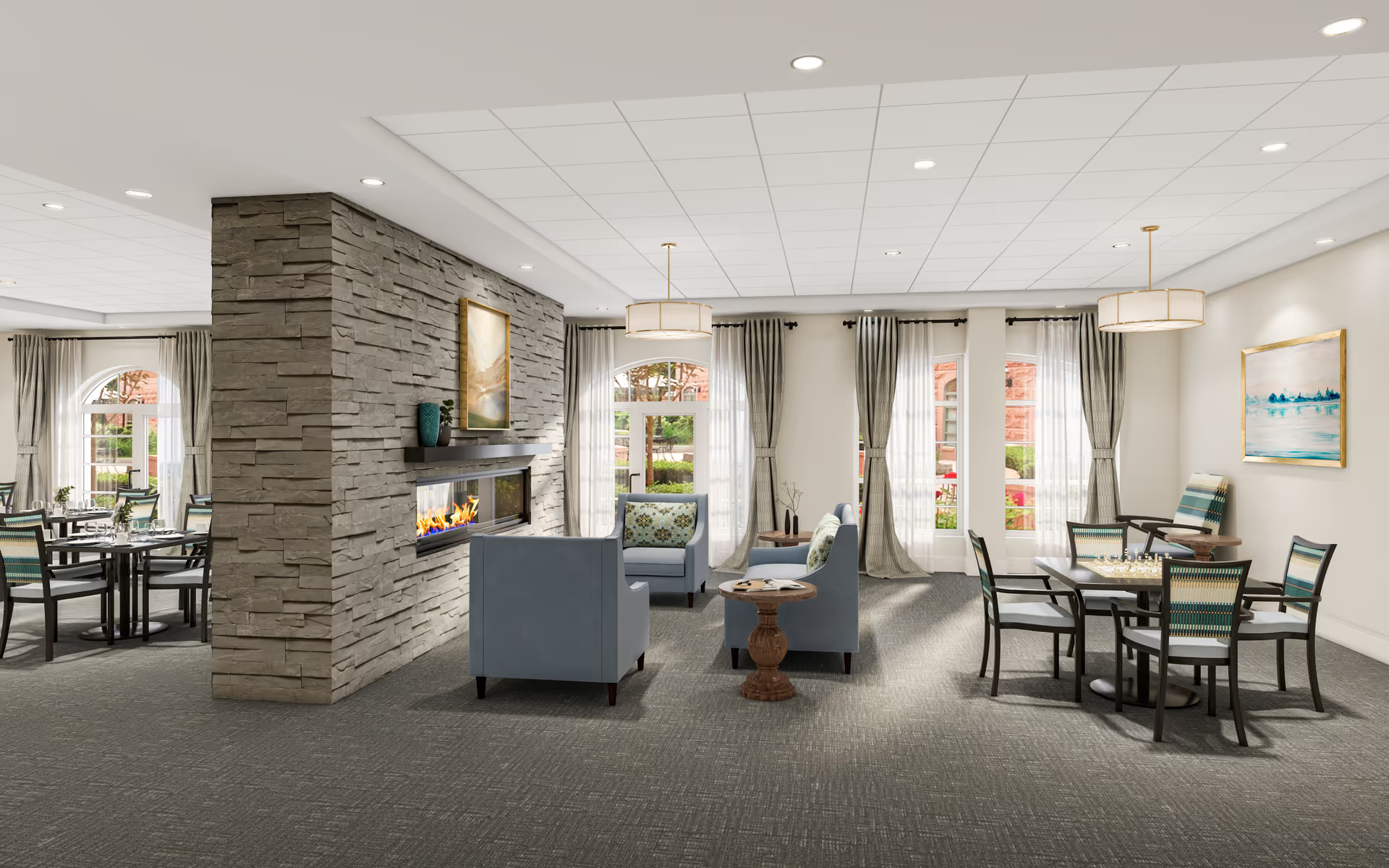
Dining and environmental observations are similarly mixed. Some reviewers commend the food presentation, meal choice, and cleanliness of common areas; others report cold or spoiled meals, limited breakfast options, and unreliable laundry or personal-item management. Facility maintenance is variable: reviewers note both well-kept public spaces and aging or run-down resident rooms (flickering lights, squeaky beds, broken phones) that indicate uneven capital upkeep across units.
Communication and management responsiveness appear to be key differentiators for families. When therapy leadership and nursing management are actively engaged, issues tend to be resolved quickly and families report positive transitions home. Conversely, several accounts cite poor communication at discharge, delays in processing paperwork, difficulty reaching senior management, and concerns about how complaints are handled. There are also isolated but serious allegations—including theft of personal items and concerns about record handling—that families should consider when evaluating the facility.
For prospective residents and families, the dominant pattern is clear: CareOne at Brookline offers strong rehabilitative services and many compassionate caregivers, but operational weaknesses—especially staffing variability, inconsistent clinical-procedure adherence, and communication breakdowns—can significantly affect the experience. Visitors should ask specific, practical questions during a tour: night staffing ratios and response-time metrics, protocols for wound and feeding-tube care, how medication administration errors are tracked and prevented, language-support resources, and discharge paperwork procedures. Observing a mealtime and speaking directly with the therapy director and nursing leadership can help assess whether the facility’s strengths align with an individual resident’s needs.