Overall sentiment in the provided review excerpts is positive, centered on a strong sense of safety, welcome, and home-like care. Multiple phrases emphasize that the facility feels secure and safe, and that residents experience respect, a sense of being wanted, and a feeling of being at home. The word “caring” appears explicitly and supports an interpretation that staff or the caregiving culture is perceived as compassionate. One reviewer notes long-term supportive living experience (25 years), which suggests continuity of care and satisfaction over an extended period for at least some residents.
Care quality and staff: The comments imply that caregiving and staff-resident interactions are a major strength. Phrases such as “caring,” “respected,” and “wanted” indicate personalized attention and emotional support. The long tenure of supportive living (25 years) points to sustained trust in the care model and staff competence from at least one resident perspective. There is no specific mention of clinical outcomes, medication management, or licensed nursing levels, so conclusions about clinical care must be conservative: the reviews highlight interpersonal and emotional aspects of care rather than clinical detail.
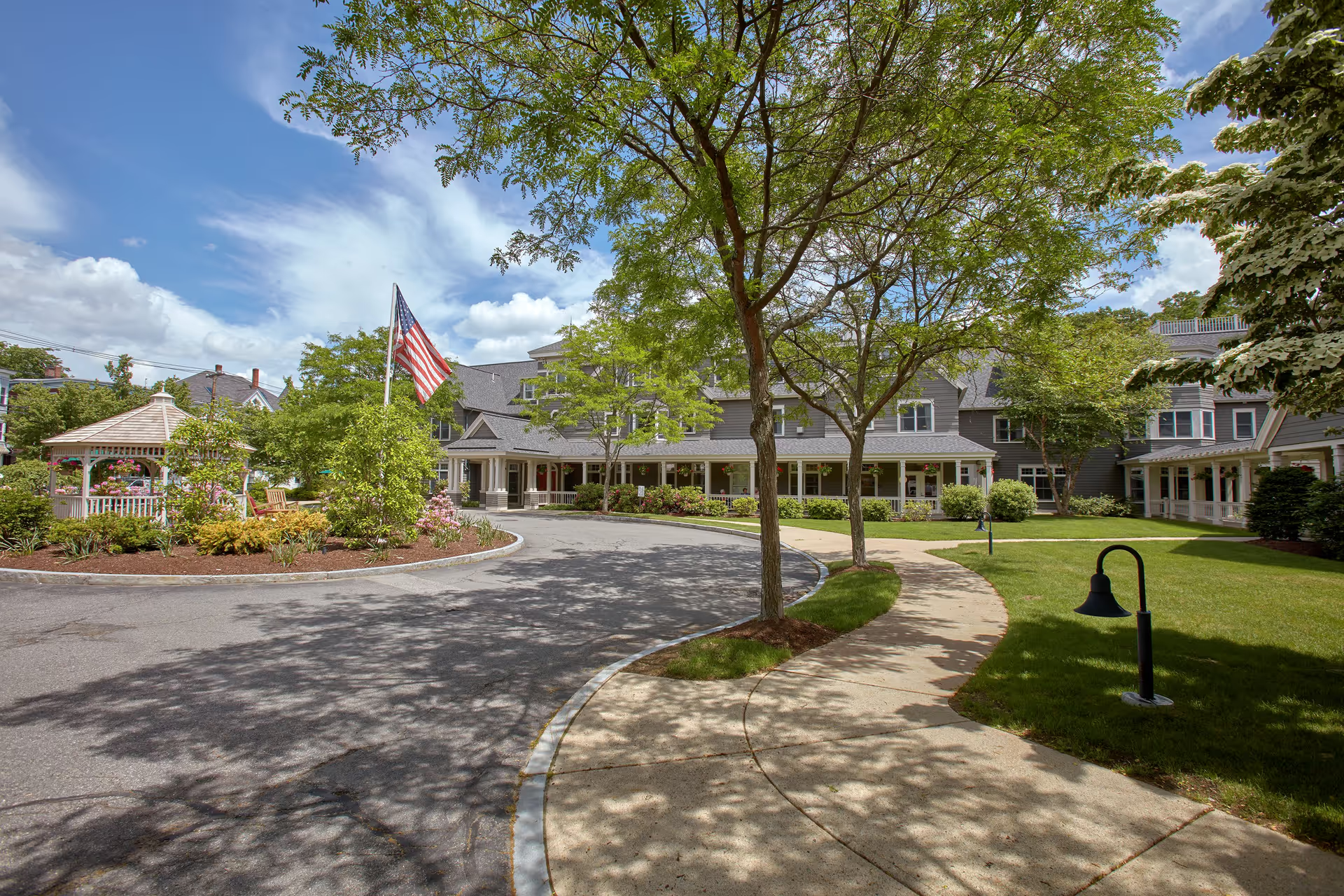
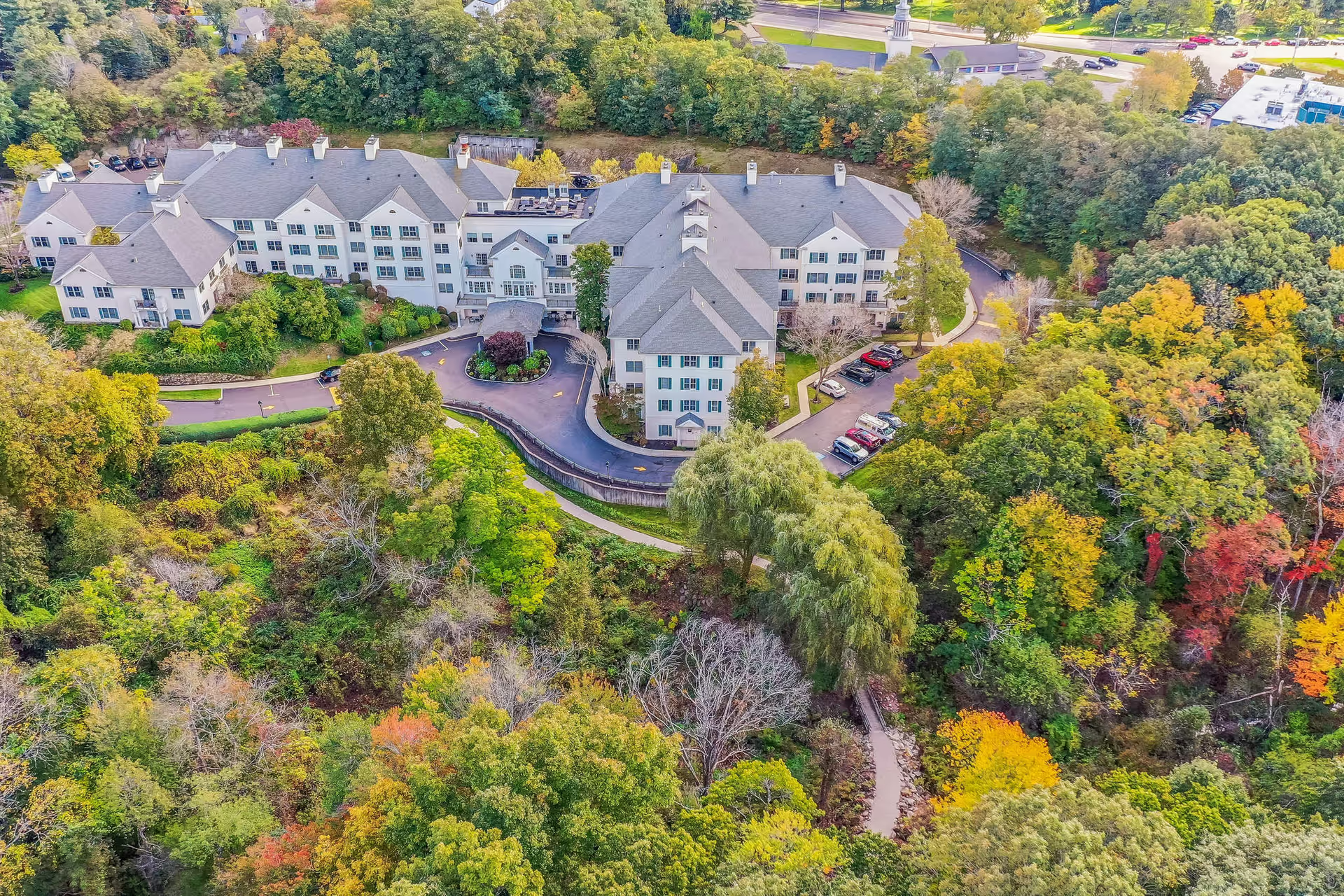
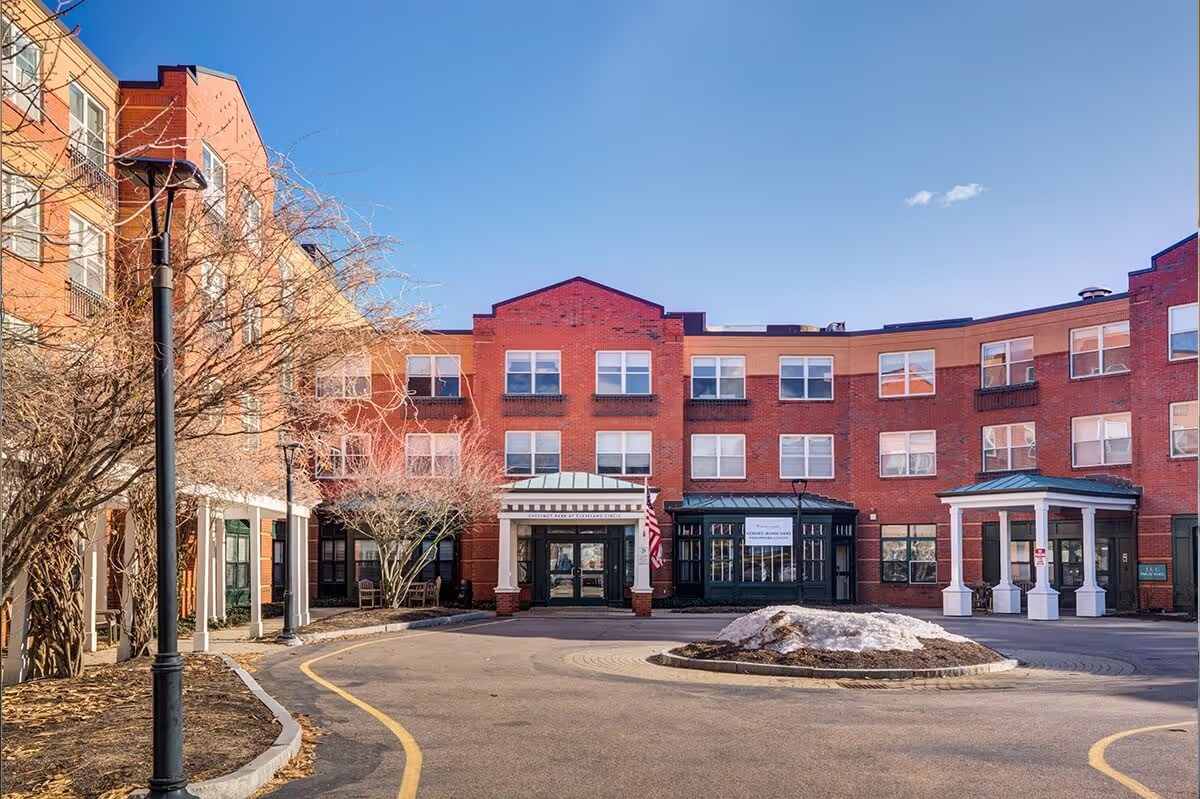
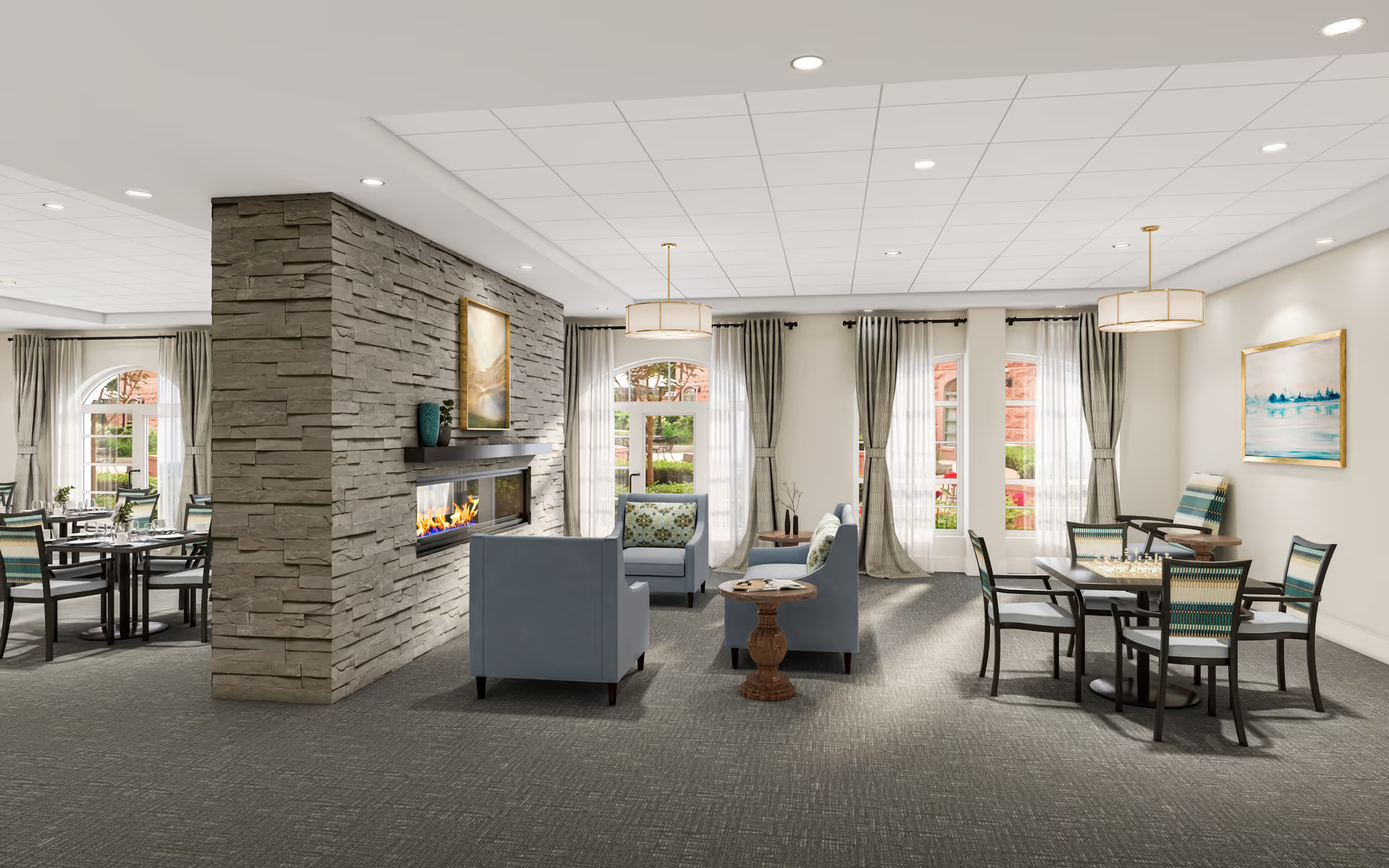
Facilities and safety: Review language explicitly cites security and safety, suggesting the physical environment and procedures contribute to residents feeling protected. Descriptions like “home” and “welcoming” imply that the facility’s design or atmosphere promotes a domestic, comfortable setting rather than an institutional feel. Again, specifics such as room quality, maintenance, accessibility features, or amenities are not provided, so the positive impressions should be understood as primarily experiential rather than a detailed inventory of facility attributes.
Resident experience and fit: While the dominant tone is favorable, there are indications that the setting is not universally the right fit. Statements such as “hard for me” and “looking for new housing” show that at least one person experienced difficulty adjusting or had unmet needs prompting a housing search. This pattern suggests variability in how well the environment meets individual preferences or care requirements. The mention of a 71-year-old and long-term residency underscores that the community serves older adults and can support long stays, but prospective residents should assess personal fit—social, mobility, health-care needs—since adaptation varies by individual.
Dining, activities, management and other operational areas: The available reviews do not mention dining quality, recreational programming, administrative responsiveness, or management practices. Because these topics are not addressed in the excerpts, no confident claims can be made about them. Interested parties should request specifics about meal services, activity schedules, staffing ratios, staff turnover, and leadership communication during tours or conversations with administrators to fill these gaps.
Notable patterns and recommendations: The most notable pattern is the strong emphasis on emotional comfort—residents feeling welcomed, respected, and cared for—paired with affirmation of safety and long-term suitability for at least some. The primary concern is personal fit: transition difficulty and searches for alternative housing by some reviewers indicate that the community may work very well for many but is not a universal solution. For decision-making, prospective residents and families should (1) visit multiple times at different hours to assess atmosphere and staff interactions, (2) ask for references from long-term residents or families to corroborate claims of sustained supportive living, and (3) probe areas not discussed in reviews (dining, activities, clinical services, and management practices) to ensure the facility meets their specific needs.
In sum, the reviews portray Mount Pleasant Home as a caring, safe, and welcoming place that many residents experience as “home,” with evidence of long-term supportive living. However, the limited sample also flags adaptation challenges for some individuals and leaves gaps about operational details that matter for many prospective residents. Follow-up visits and targeted questions will be important to determine whether it is the right fit for a specific person.