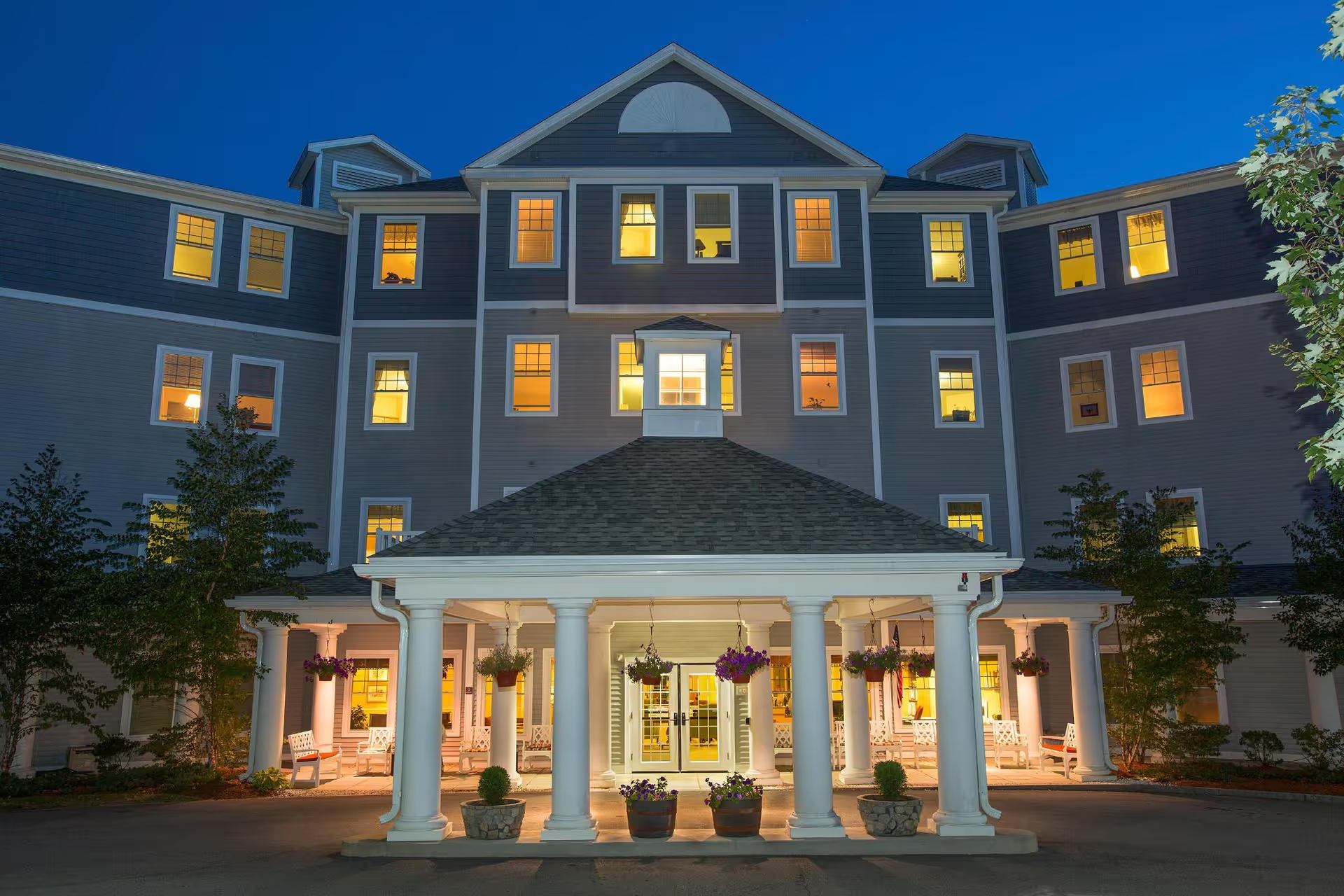
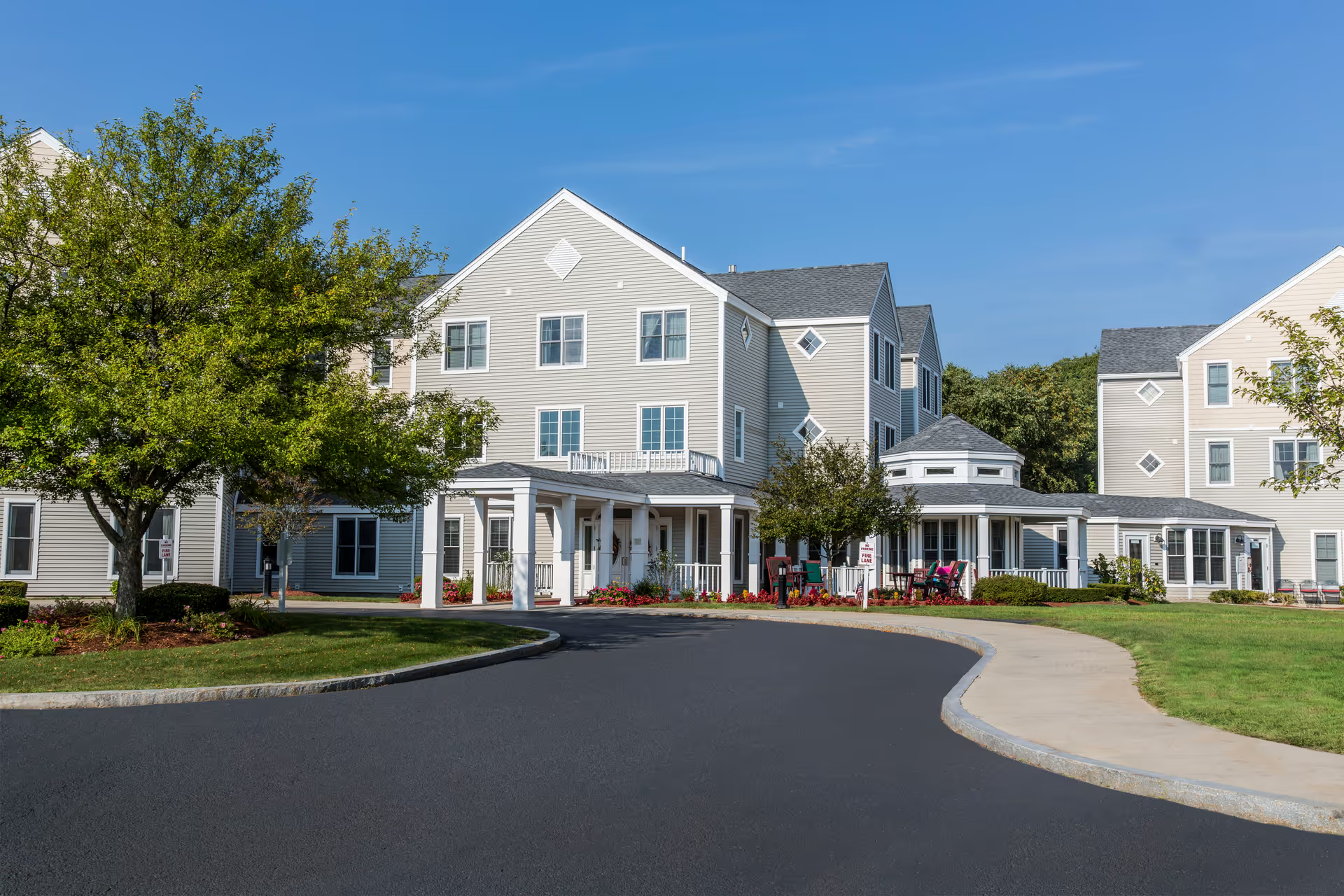
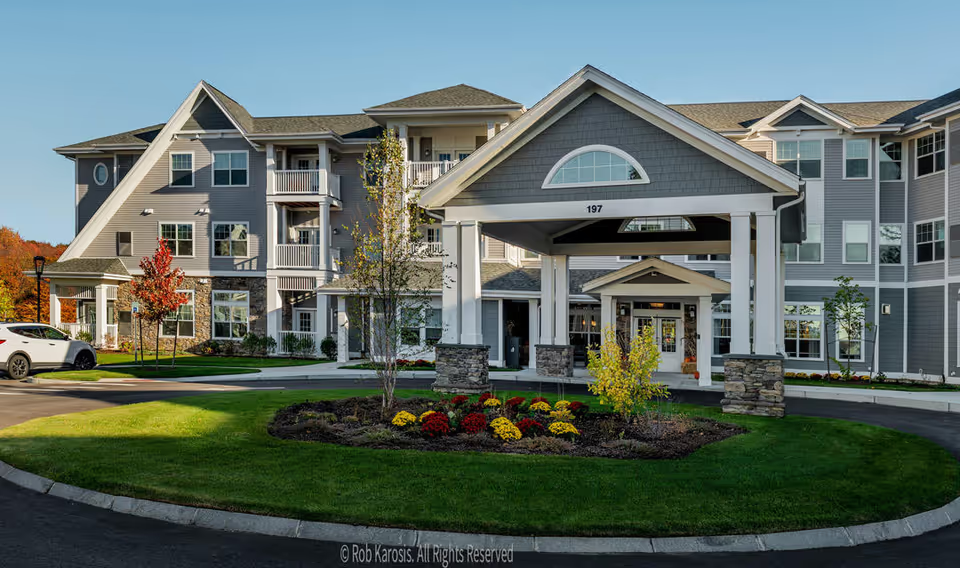
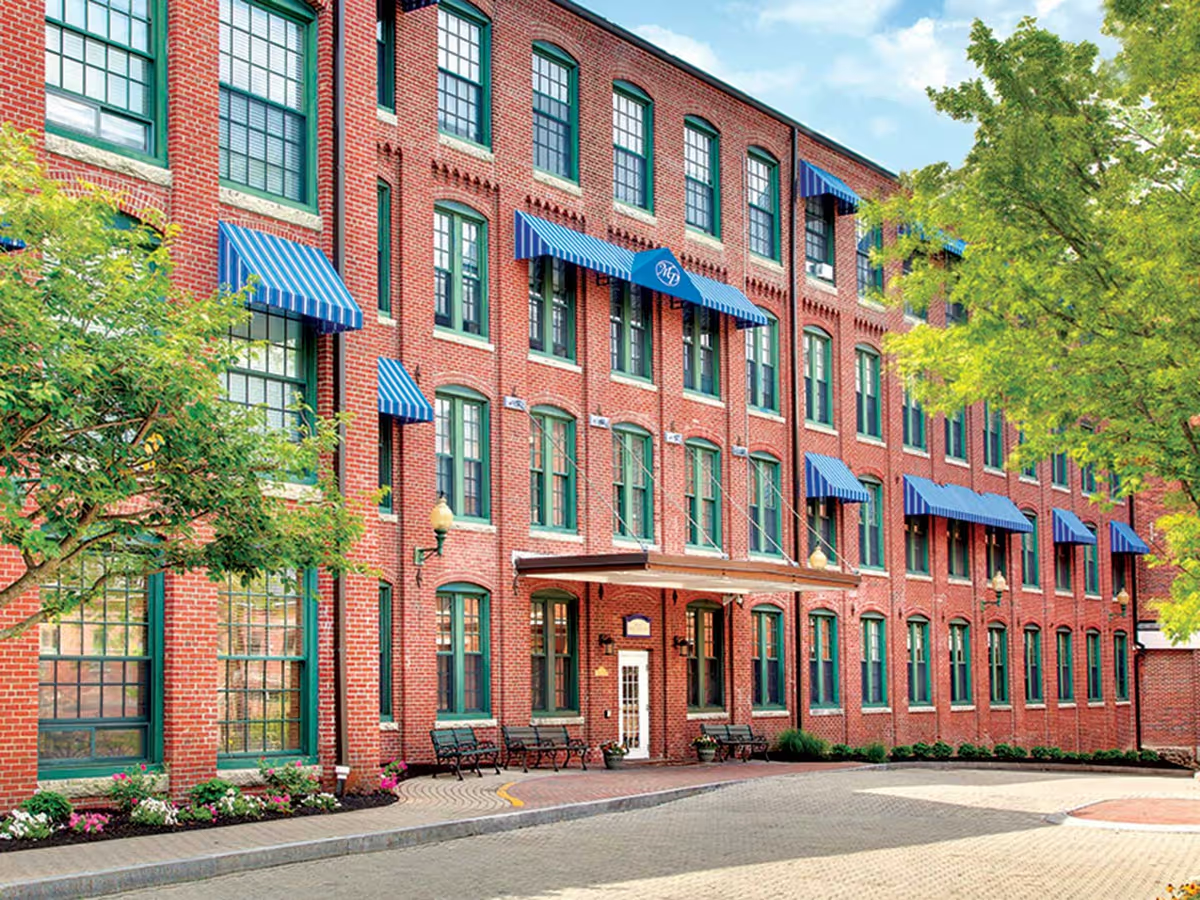
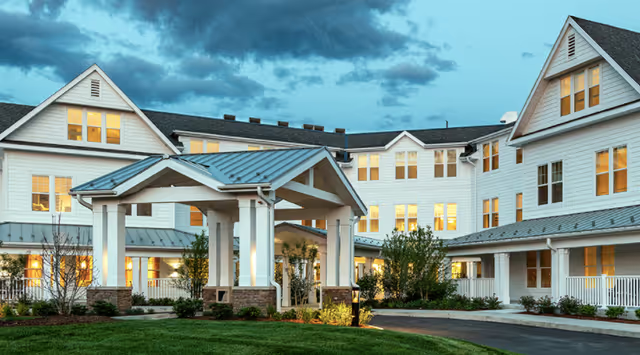
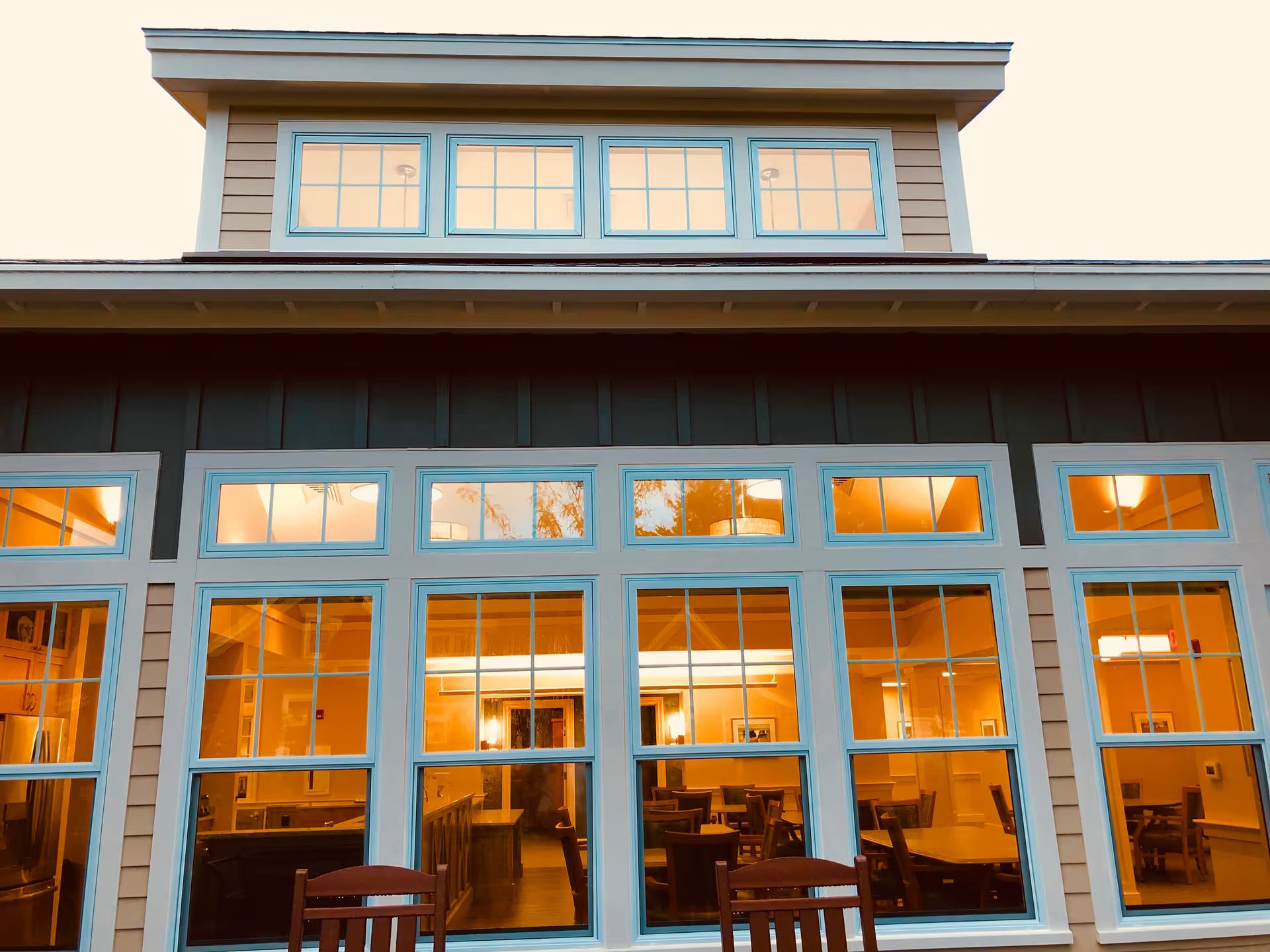
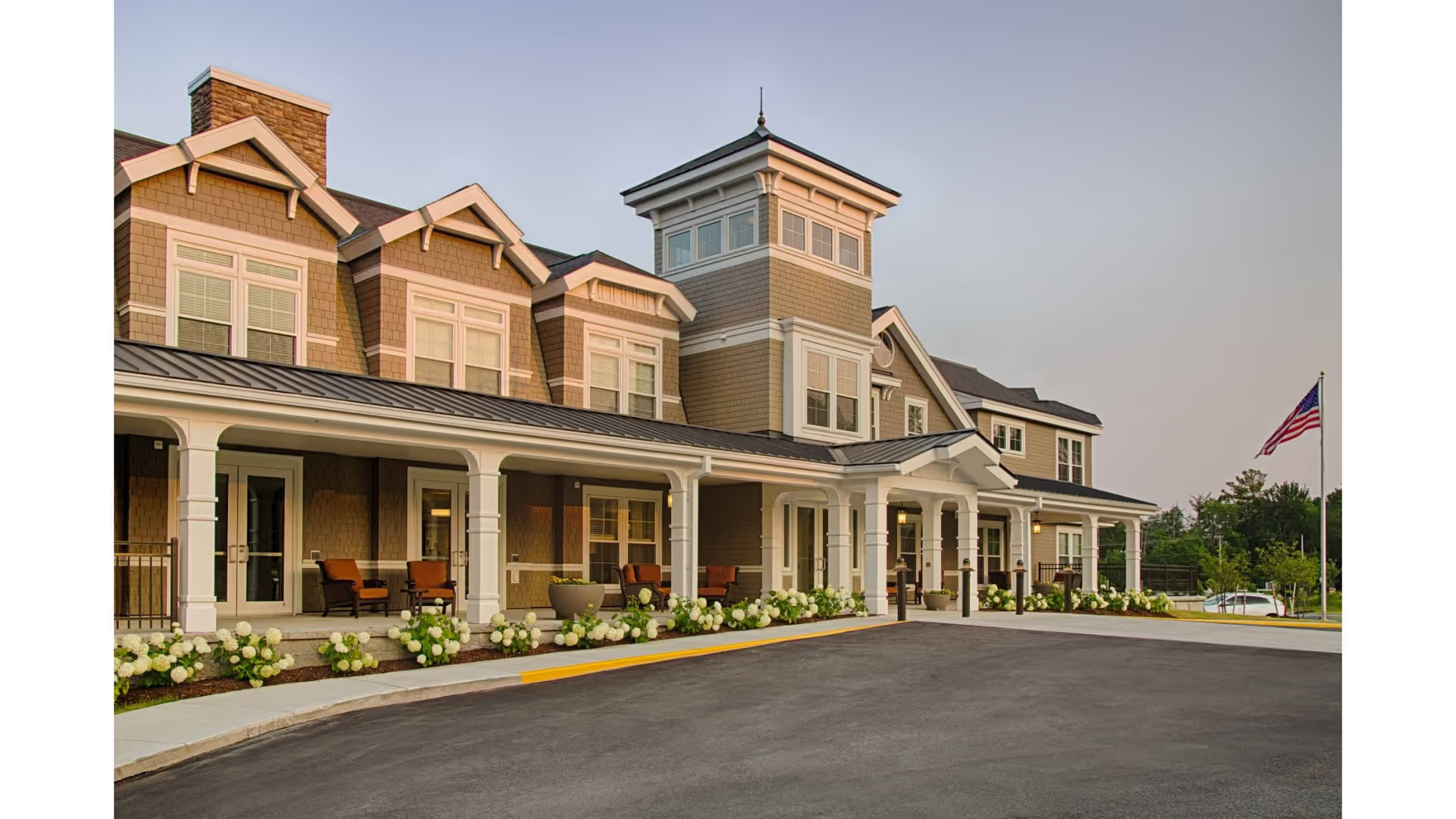
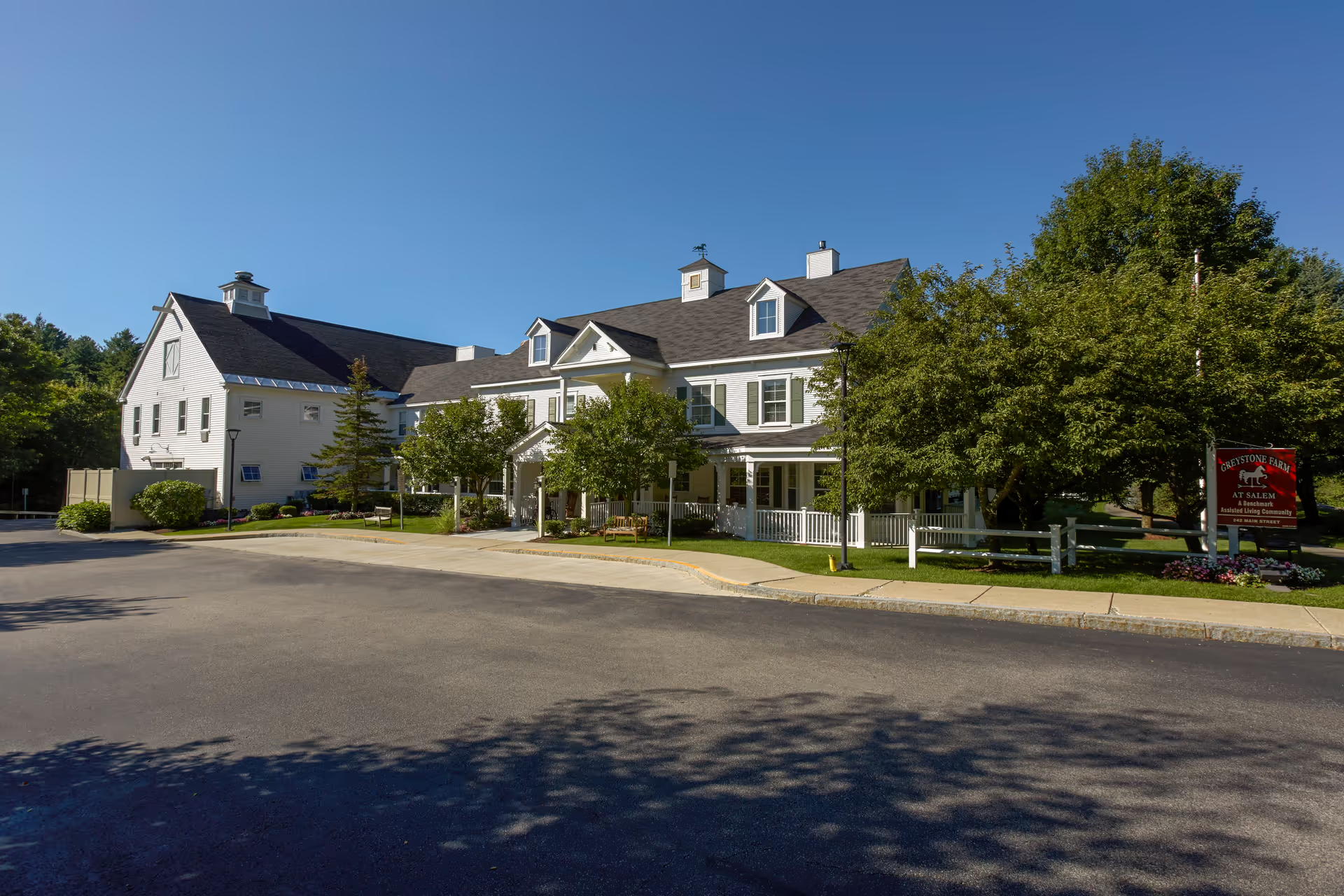
The reviews describe a facility with clearly identifiable strengths alongside persistent operational weaknesses. Strengths most consistently mentioned include compassionate, engaged direct-care staff and a robust activities program that keeps residents socially and physically active. On-site rehabilitation (PT/OT) services and a focus on returning residents to higher function were cited as helpful by families who experienced positive outcomes. The facility’s common areas, dining room, and resident rooms are often described as comfortable and well maintained, and faith-based programming and a welcoming admissions team reinforce a community-oriented culture. As a nonprofit provider, Mary Immaculate is also seen as offering value-oriented care.
At the same time, multiple reviews point to uneven clinical care and care processes. Concerns include inconsistent medication management and examples of medication or treatment changes that were not clearly linked to documented care-plan adjustments. Several families described delays in responding to call bells and personal-care needs, inconsistent bathing schedules, and delays in linen or room cleaning; these issues cluster around understaffing and high staff workload. Reviewers also raised sanitation and pest-control concerns in some resident rooms and variability in maintenance (lighting, broken fixtures), indicating inconsistent housekeeping and facilities oversight in parts of the building.
Staffing and communication are recurring themes. Positive accounts emphasize warm, attentive caregivers and helpful unit staff who provide good updates to families; negative accounts describe long wait times for assistance, perceived distractions among nursing staff, and inconsistent follow-through from charge nurses or leadership. These patterns suggest variability in staffing levels and supervision by shift. Family communication and care coordination were uneven: some families reported clear explanations and collaborative planning, while others reported poor notification about changes in status or transfer decisions.
Dining and activities are strengths with qualified caveats. Many reviews praise the dining area, varied food selections, social meals, and refrigerators available for residents, as well as a wide range of activities (music, exercise classes, holiday events, intergenerational visits). However, other reviewers noted declining meal quality, instances of cold meals, and inconsistent food-service delivery, indicating variable consistency in kitchen operations.
Safety and clinical-risk management are areas to probe further. The aggregated concerns reflect gaps in fall-prevention practices, inconsistent supervision during transfers, and isolated allegations of staff-caused injury; there are also mentions of serious clinical scenarios (e.g., poorly controlled glucose and infection-risk concerns) that should prompt review of clinical oversight and physician/RN involvement. There are also concerns following a resident’s death in at least one account, which families will want to discuss directly with facility leadership and survey records.
For prospective residents and families: the facility offers meaningful strengths—particularly in rehabilitation services, activities, and a caring culture among many frontline staff—but the variability in clinical management, responsiveness, sanitation, and facility maintenance means outcomes may depend strongly on unit staffing and leadership on a given shift. Suggested inquiry topics when evaluating placement: current staffing ratios and turnover, protocols for medication changes and family notification, call-bell response times, infection-control and pest-control processes, fall-prevention measures, and the facility’s recent state survey history and corrective actions. These targeted questions can help clarify whether the facility’s positive features are consistently delivered for an individual resident’s needs.