Reviewers express a strongly mixed view of Sippican Health Care Center. Many families and short-stay patients describe consistently positive interactions with front-line staff, excellent rehabilitation services, and a clean, well-organized physical environment. At the same time, a number of accounts describe operational weaknesses that have materially affected some residents' experiences, producing a polarized overall impression.
Care quality shows a clear pattern of strengths and variability. The facility receives frequent praise for rehabilitation and physical therapy, with measurable short-term recovery outcomes and motivated therapy spaces (including a therapy garden). Several families also praised compassionate end-of-life care and individualized attention from particular nurses. Conversely, other accounts describe inconsistent clinical responsiveness, delayed attention to changes in condition, and instances that required emergency escalation. These divergent accounts suggest reliable performance for focused rehab cases but uneven results for more complex medical or cognitive-care needs.
Staff competence and conduct are similarly mixed. Numerous reviewers highlight staff who are attentive, friendly, and go above and beyond, creating a reassuring atmosphere for many residents. However, staffing shortages and uneven coverage were frequently cited as contributors to variability in care. Communication practices with families and across shifts also appear inconsistent: there are repeated comments about unanswered calls, limited updates on health status, difficulty contacting case managers, and changing discharge dates. Additionally, there are administrative concerns about the facility's transparency—families reported difficulty obtaining leadership or ownership information and experienced procedural friction when trying to identify responsible staff members.
Dining and activities are another area of contrast. Several reviewers commended nutritious, well-presented meals and responsive dietary staff, while others described unacceptable meal quality and inconsistent adherence to prescribed diets. The activities program has dedicated staff who provide meaningful engagement for many residents, but activity accessibility is uneven across units and some residents with cognitive impairment appear underserved. Reviewers requested more cognitive stimulation and socialization options tailored to residents with dementia.
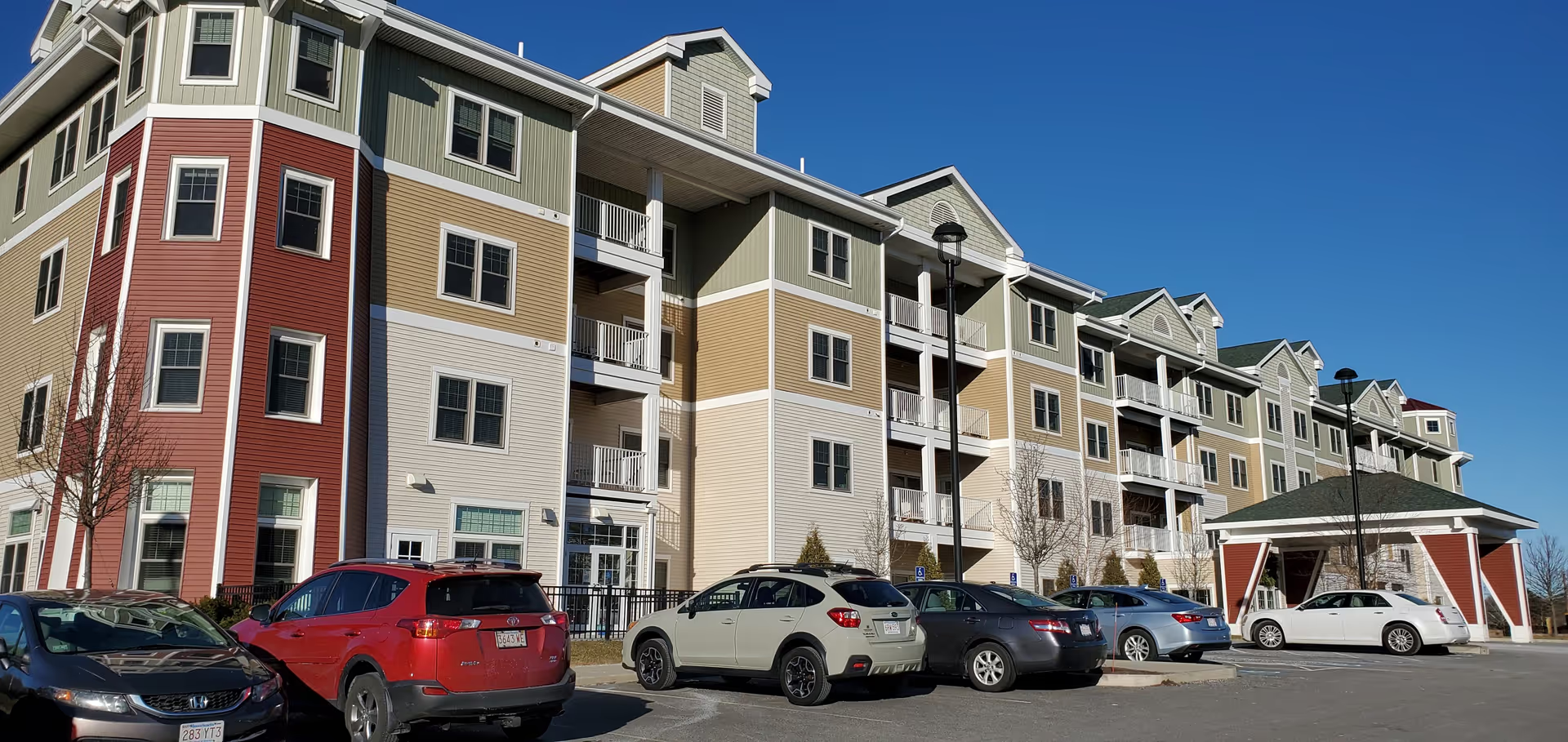
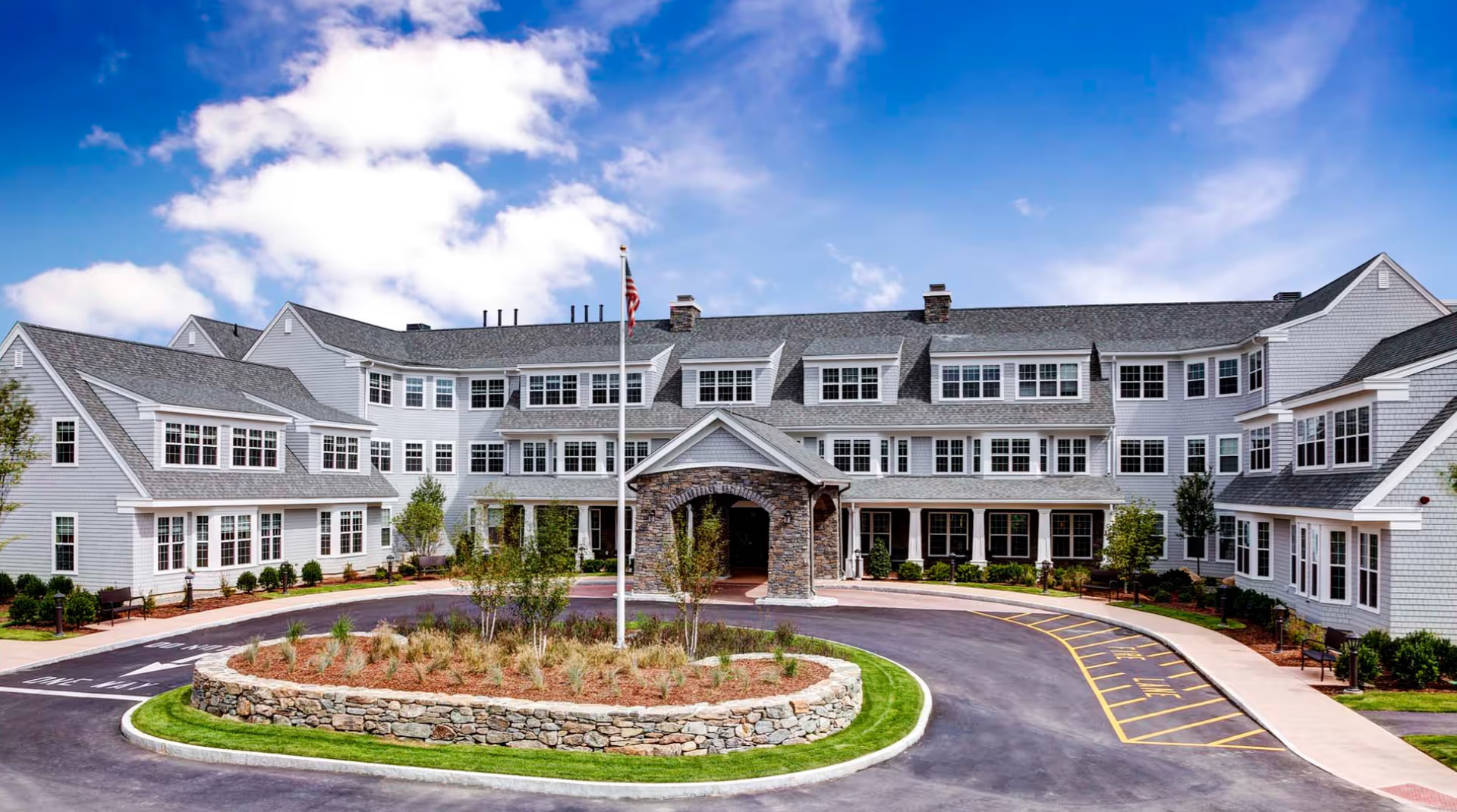
The physical environment generally receives positive remarks for cleanliness, organization, and maintenance; many described pleasant, well-kept rooms and communal spaces. At the same time, specific sanitation and personal-care practices were flagged as inconsistent in some cases, indicating variability in how hygiene and dressing/transfer routines are executed. These inconsistencies reinforce the pattern that performance varies by unit and by staffing level.
Management and operational issues emerged as recurring themes: weaknesses in valuables and personal-property controls, delays and unread discharge documentation, unclear billing items, and restrictive visitation during infection-control events that affected family access. These are operational traits that prospective families should investigate directly. Given the polarized feedback, it is advisable for prospective residents and families to conduct an on-site visit, ask for staffing ratios by unit and typical coverage for nights/weekends, review policies for valuables and personal property, request examples of discharge-planning timelines, and clarify communication protocols for clinical updates and visitation. Doing so can help determine whether the facility’s strengths align with the specific needs of the individual resident.