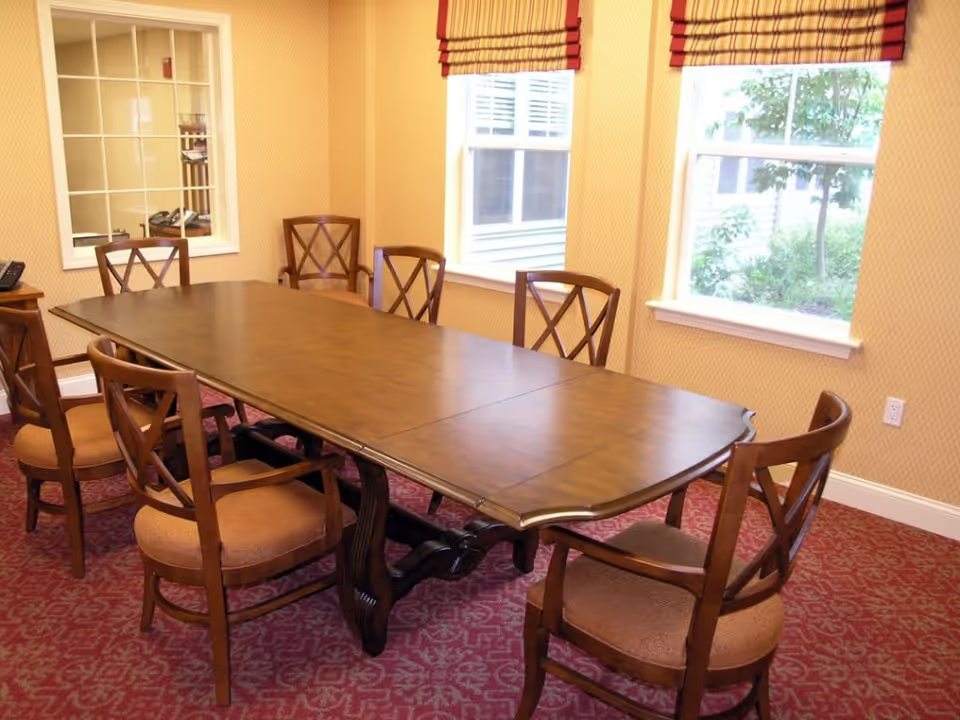
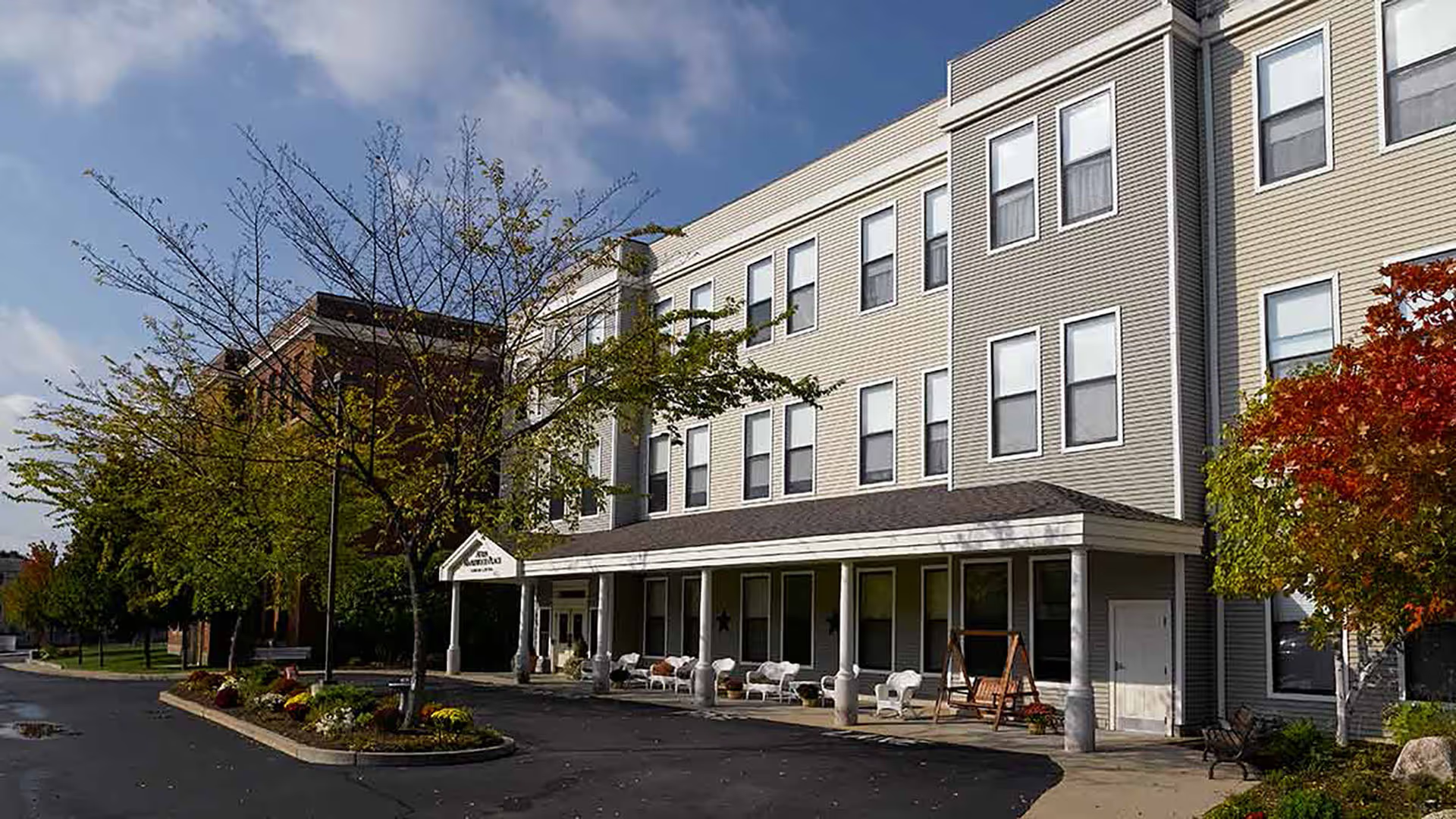
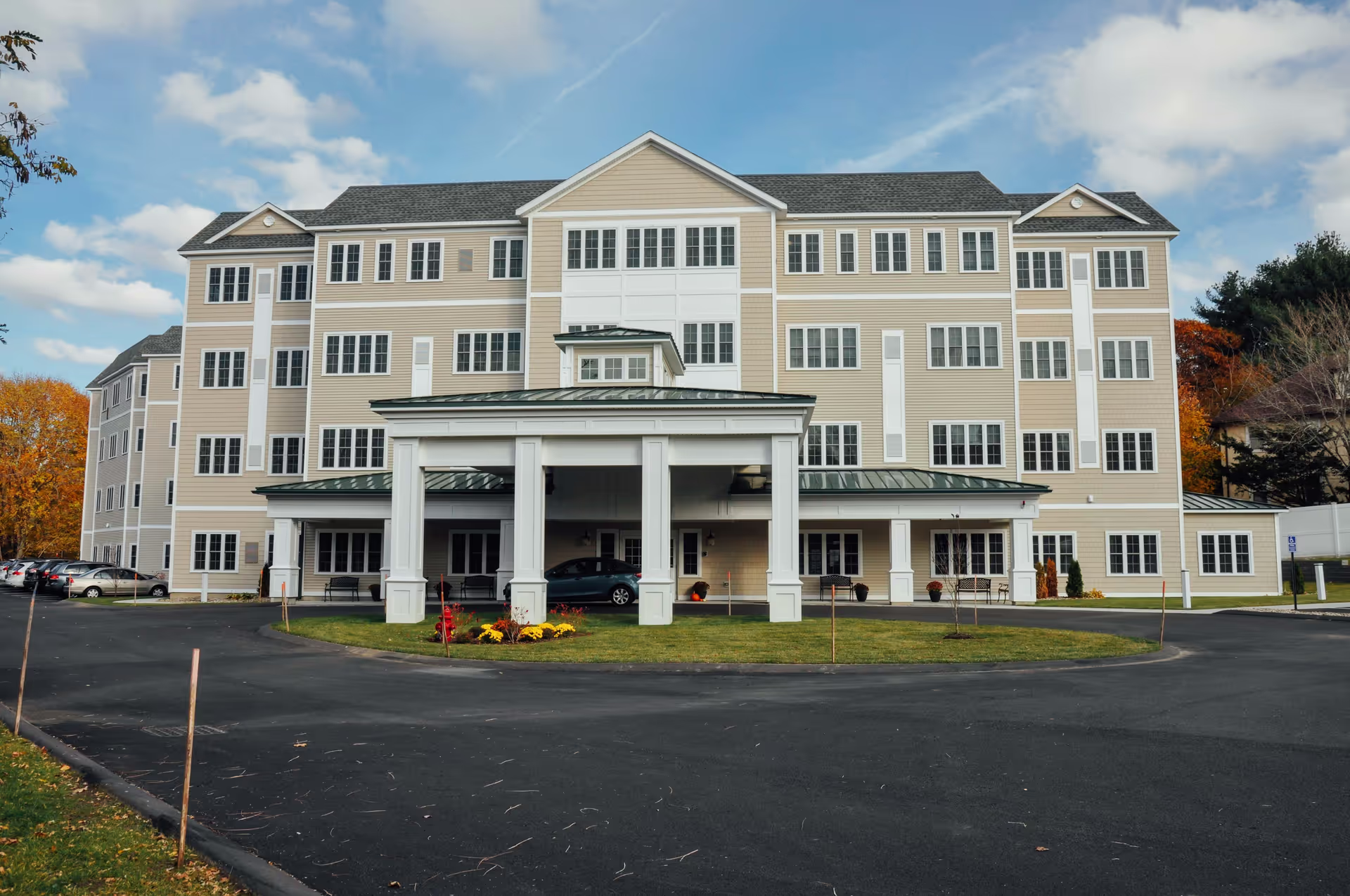
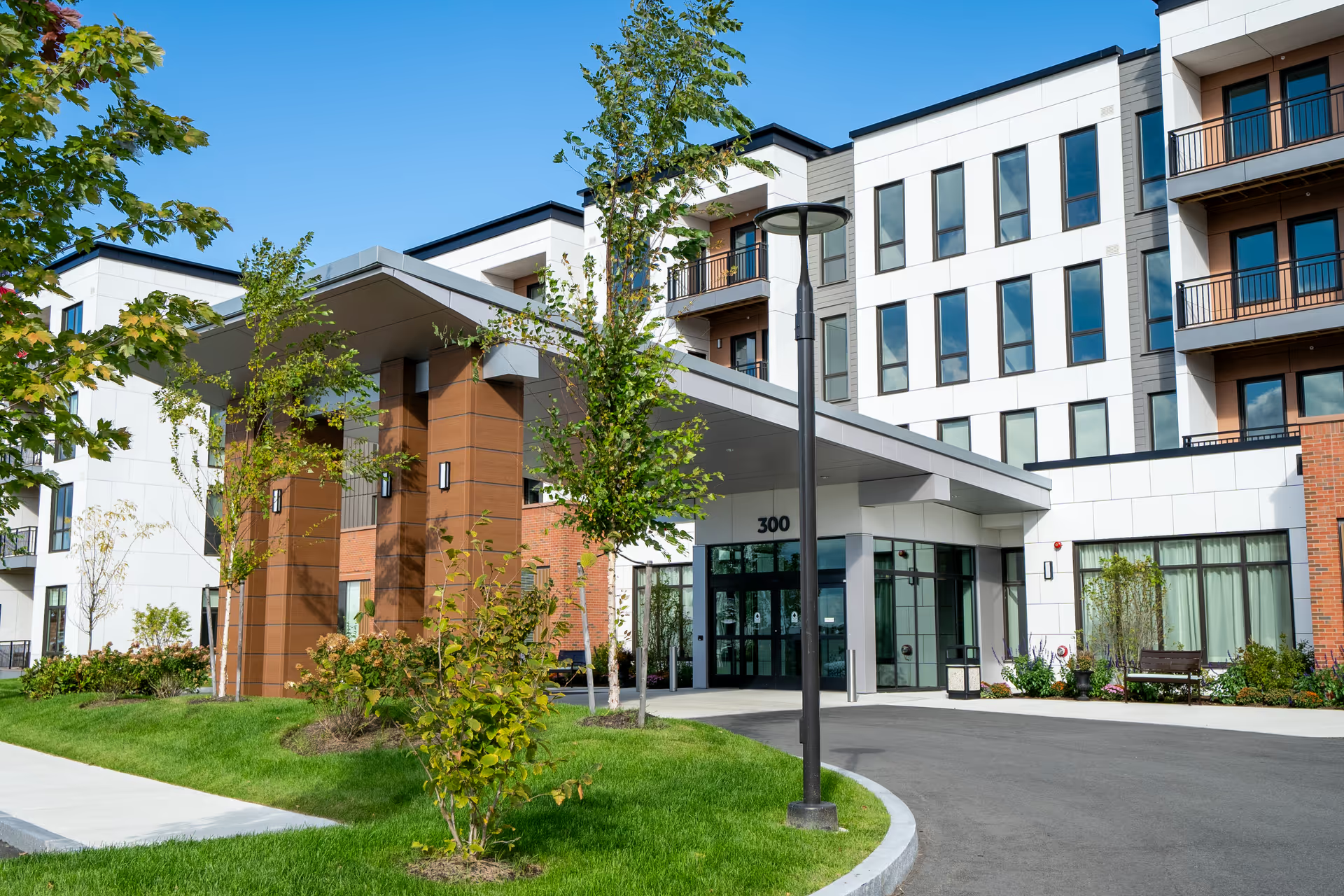
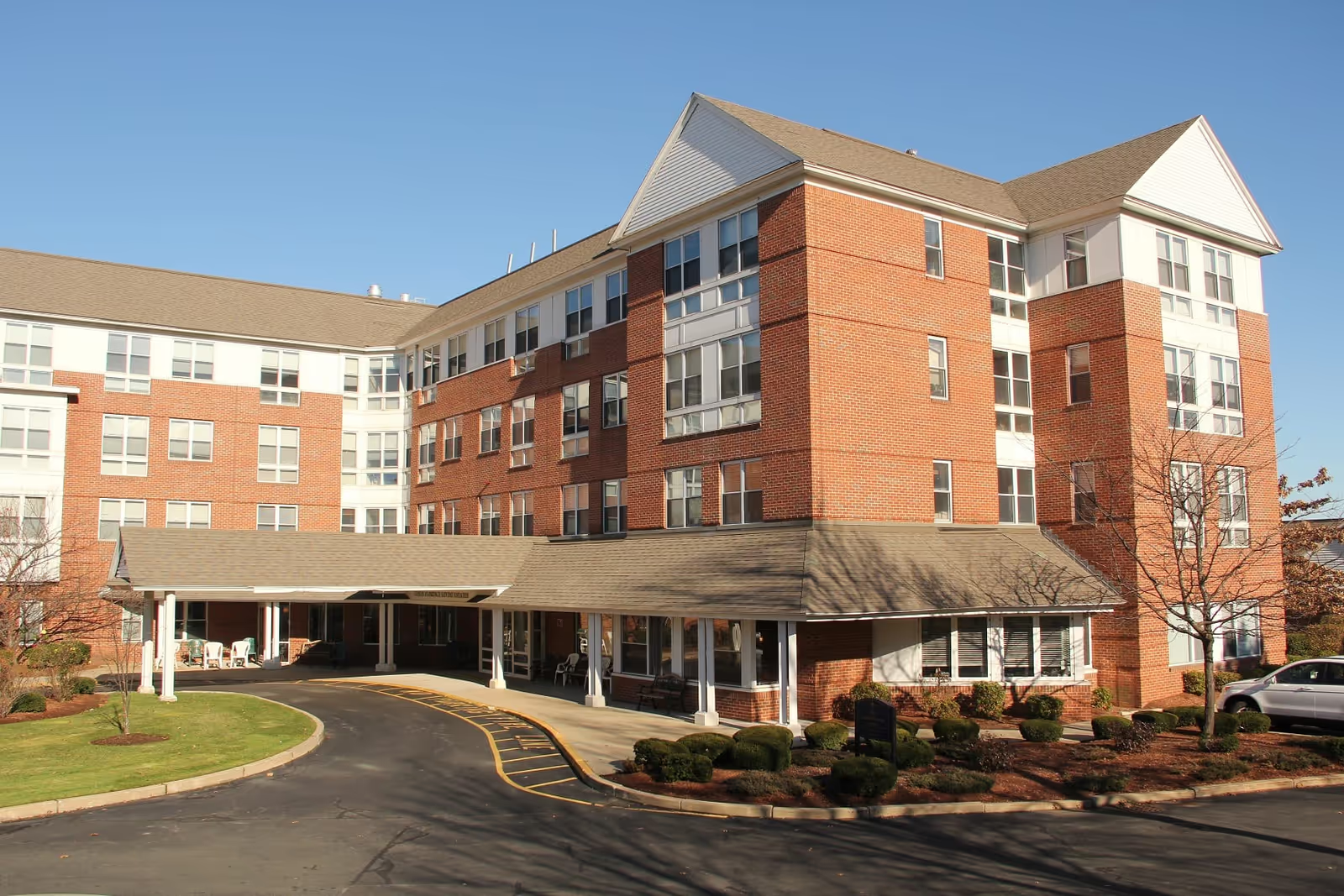
Overall impression: RegalCare at Glen Ridge presents a facility with strong physical assets and notable clinical strengths alongside recurring operational concerns. Many reviewers praise the campus aesthetic — well-maintained grounds, hotel-like common areas, and a secure memory-care unit — and several families highlight successful short-term rehabilitation outcomes and attentive therapists. The facility offers roomy, nicely appointed accommodations with the option to bring personal furniture, an activity program that includes art and music, and availability of end-of-life care, which some families found supportive.
Care and staff: Accounts of care vary considerably. A number of families describe compassionate, responsive caregivers, supportive nurses, and an admissions-to-discharge process that went smoothly. Conversely, there are repeated indications of uneven staff performance: variability by shift (notably weekends), reports of curt or unhelpful interactions, and instances that raise concerns about staff conduct and handling. There are also isolated but serious allegations concerning staff behavior; prospective families should inquire directly about staffing models, supervision, and incident reporting practices when evaluating placement.
Clinical operations and safety: Reviewers point to operational weaknesses that could affect resident safety and continuity of care. Common themes include delays in responding to call buttons, gaps in medication administration and discharge-medication provision, and concerns about transfer/handling technique. Several accounts describe frequent external emergency or police responses, which suggests episodic safety or behavioral-management challenges. These patterns, when present, appear linked to inconsistent staffing levels and management transitions.
Dining and housekeeping: Dining impressions are mixed. Some residents and families appreciate flexible meal service and accommodating staff, while others report cold meals, small portions, limited menu options, and inconsistent delivery of selected meals. Housekeeping and maintenance receive generally positive comments for many areas, but there are also specific sanitation and maintenance inconsistencies noted (including issues with certain common areas, reliability of elevators, and ad hoc water-setup problems). Incontinence-care delays and other sanitation concerns were mentioned and should be a point of inquiry.
Management, communication, and responsiveness: Experiences with management and administration vary. Several reviewers commend a kind administrator and a nursing director who listens and resolves concerns, noting improvements over time. At the same time, other families describe poor communication, unstaffed front desk periods, long phone wait times, and management turnover under a new operator, all of which contribute to variable day-to-day experience. These communication gaps extend to discharge planning for returning residents to home settings in at least one report.
Notable patterns and considerations: The reviews depict a facility with high physical and clinical potential but uneven execution in operations and staffing. Strengths include the environment, rehabilitation services, activities, and examples of compassionate nursing. Weaknesses cluster around staffing consistency, call-response reliability, medication and discharge coordination, meal quality, and maintenance reliability. Prospective residents and families would benefit from on-site visits that focus on current staffing ratios (including weekend coverage), response times to call systems, review of medication and discharge processes, sanitation practices in care areas, and sample meal service. Asking for recent staffing metrics, incident logs, and references from current families may help assess whether the facility’s positive attributes are being delivered consistently.