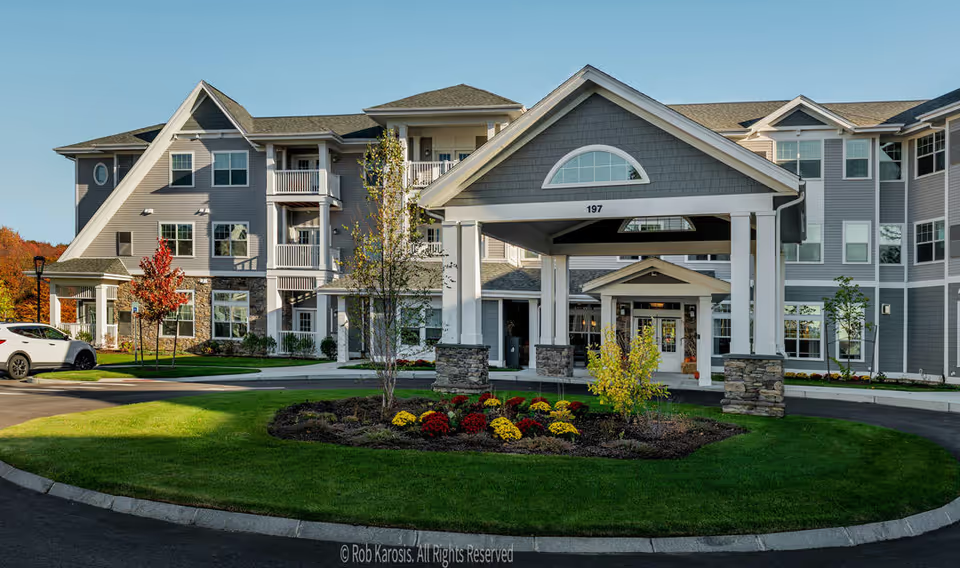
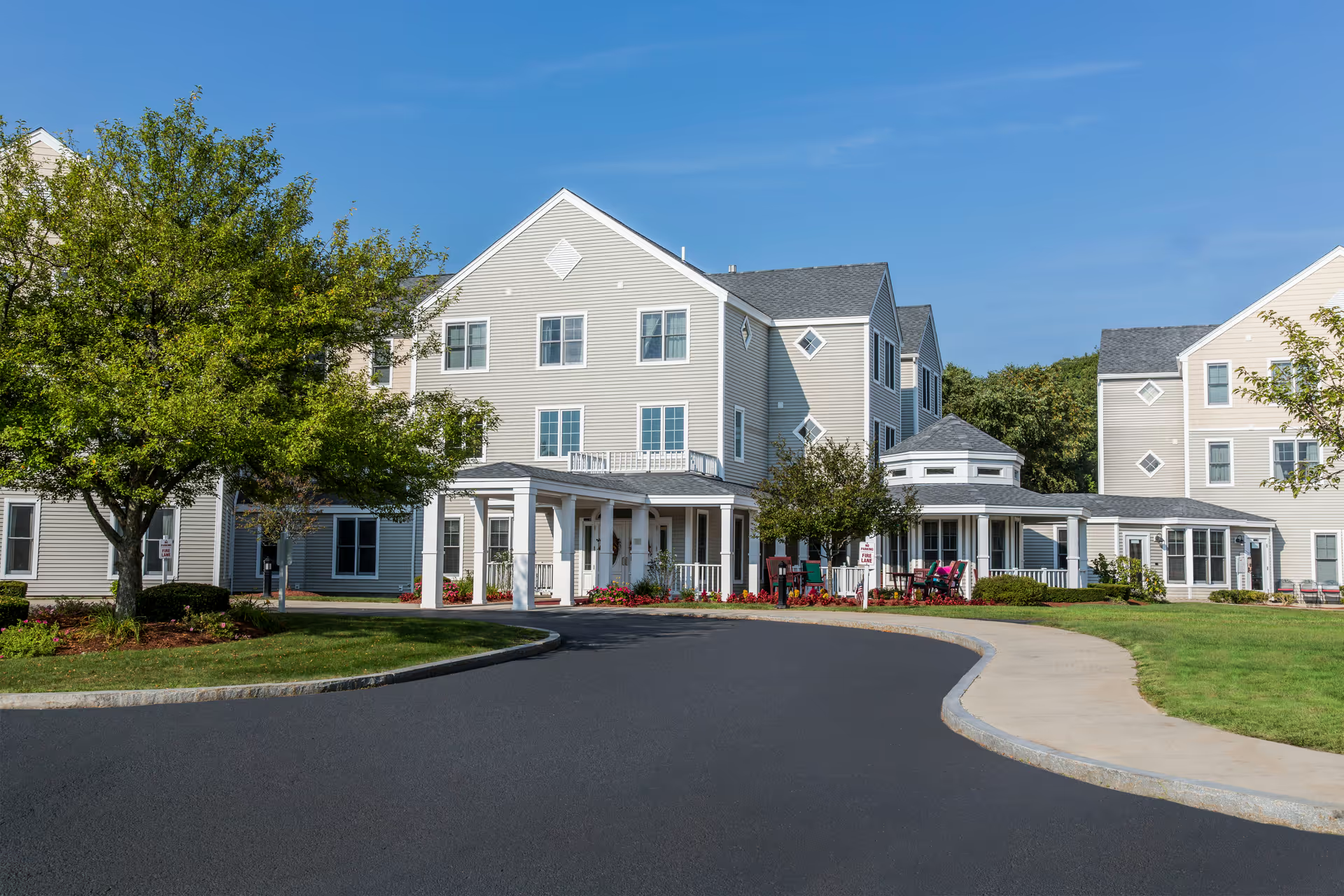
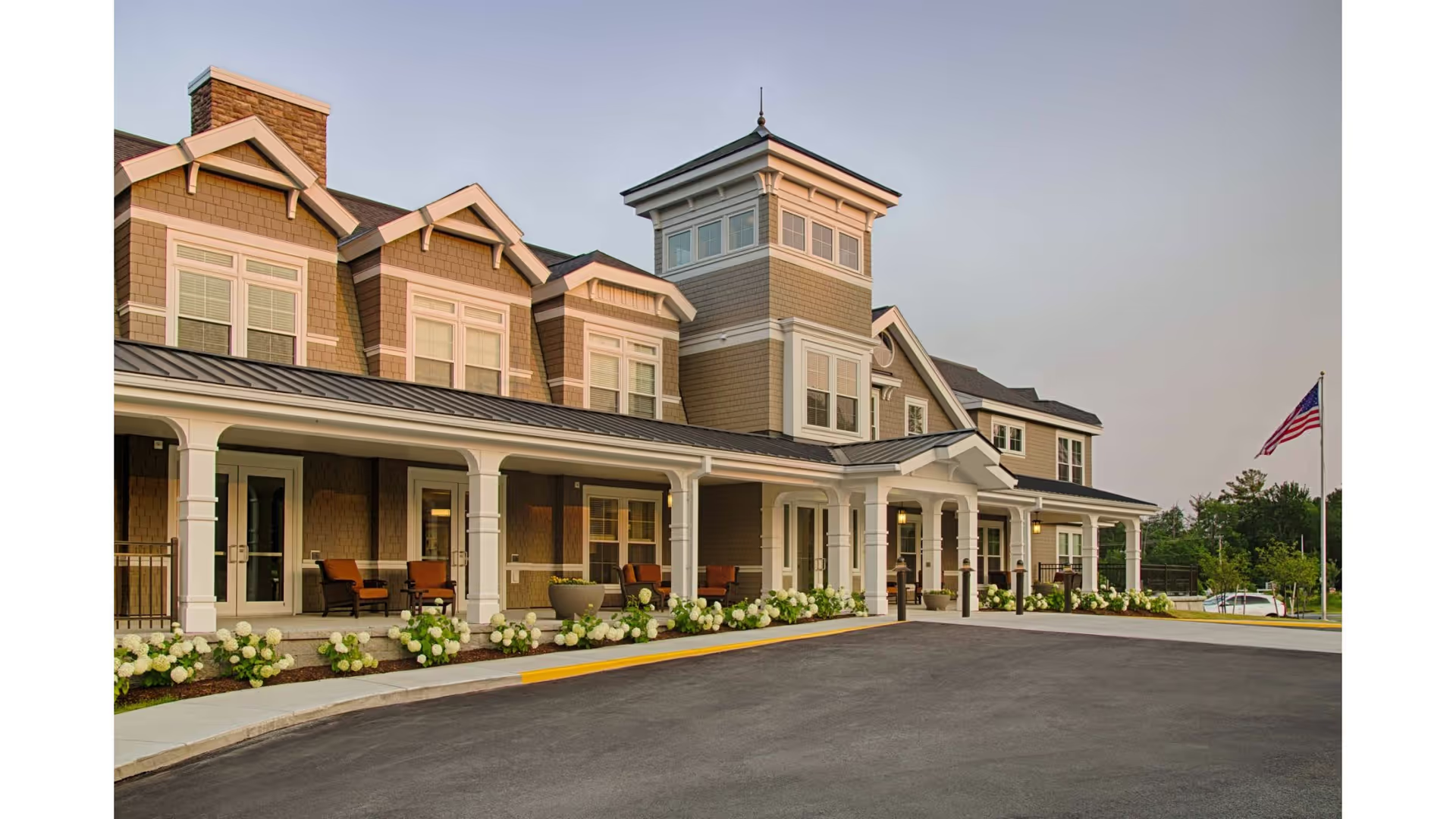
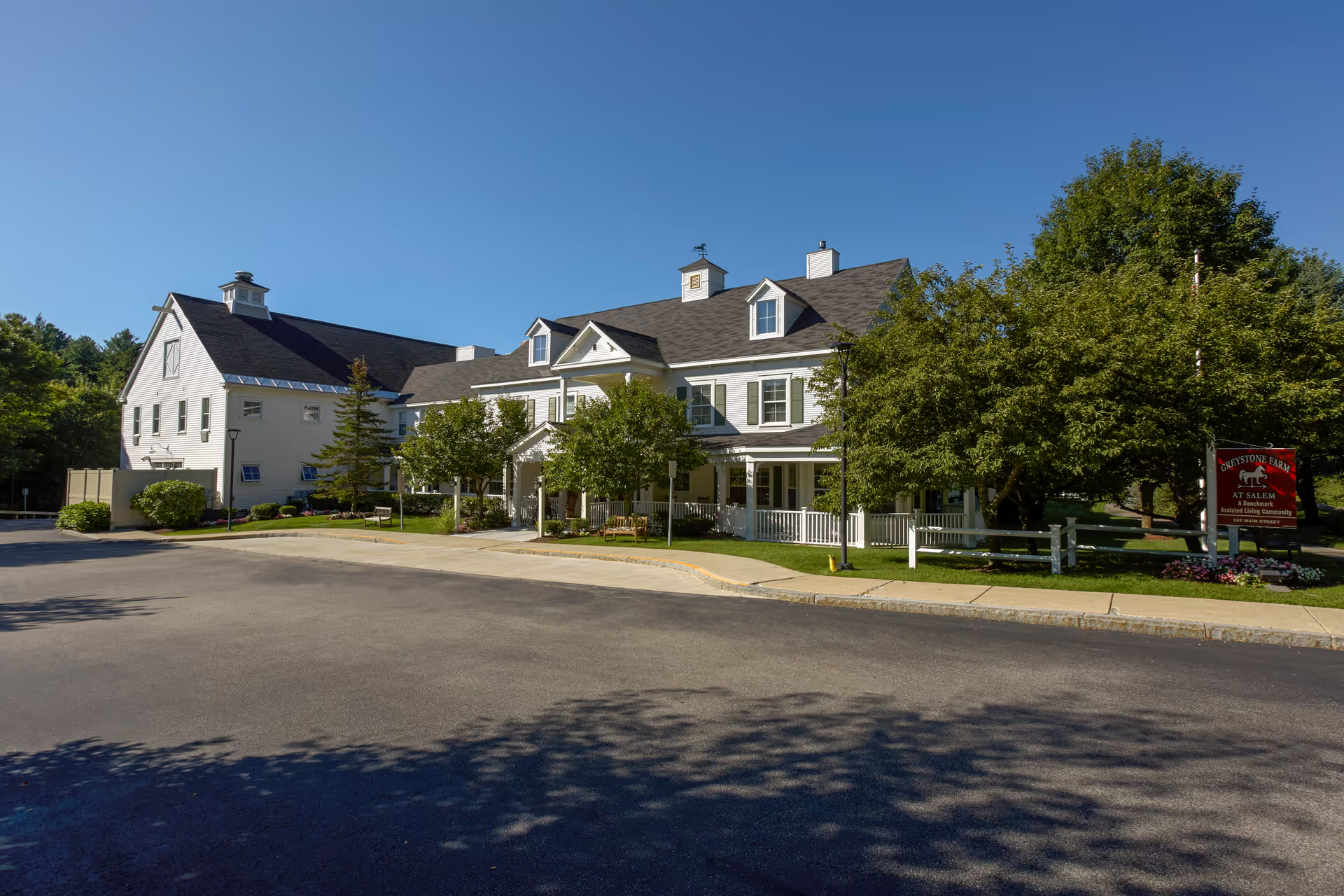
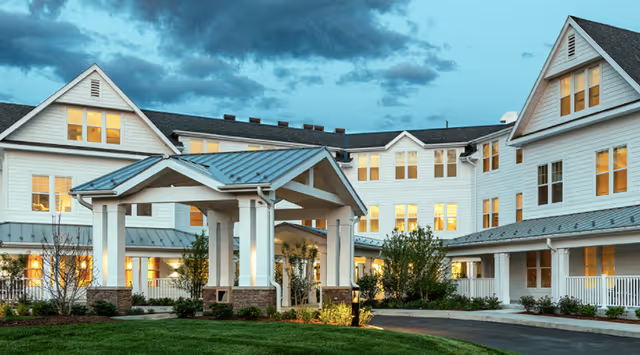
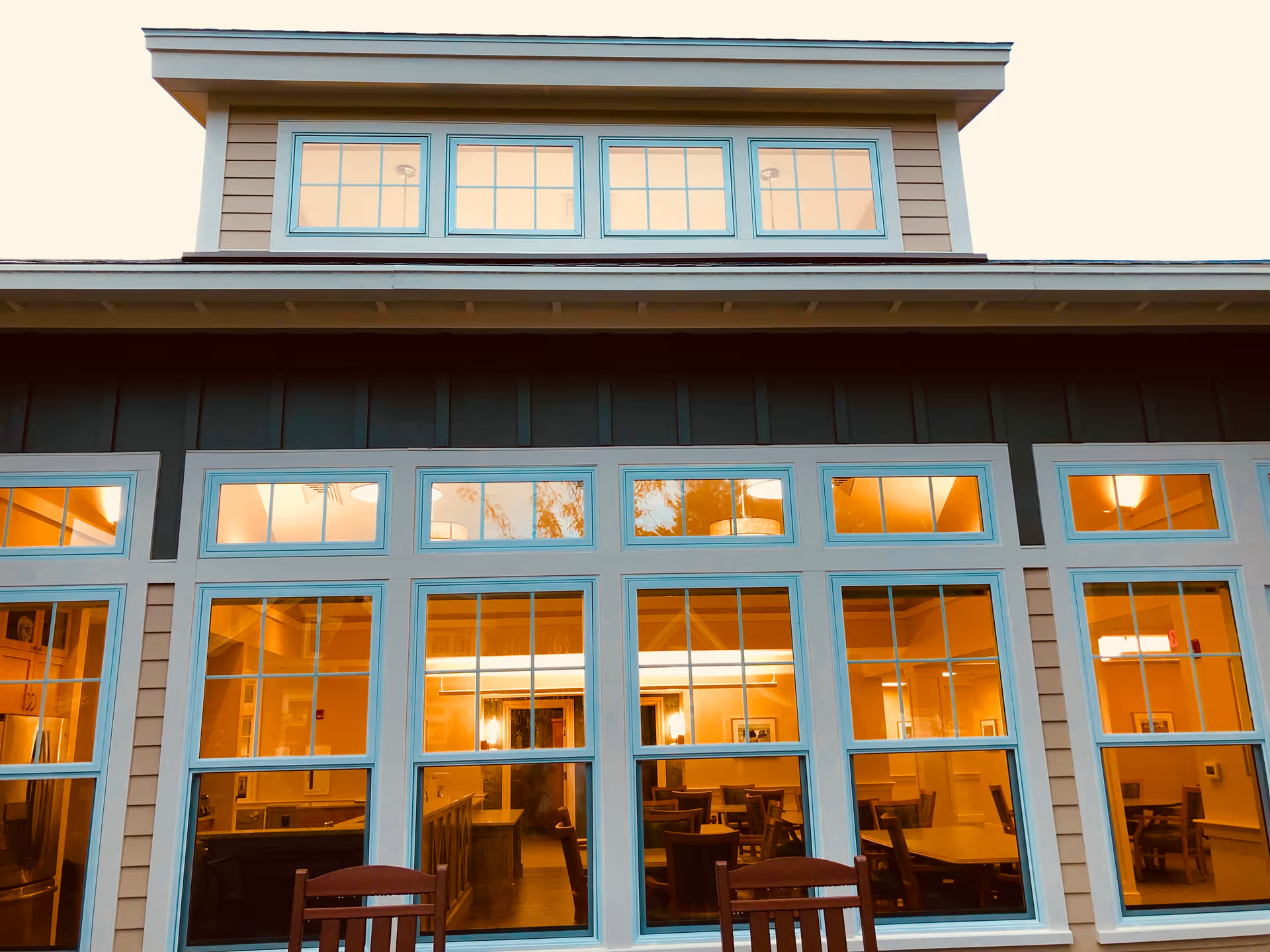
Cedar View elicits strongly polarized impressions across reviewers. A prominent and recurring strength is the facility’s rehabilitation program: many families and patients describe effective physical and occupational therapy with measurable functional gains, attentive therapists, and a rehab‑focused environment. The facility’s appearance, recent renovations, cleanliness in many units, and visible infection‑control practices (PPE use) are also frequently cited positively. Admissions and front‑desk staff, certain case managers, and a number of nursing assistants and aides receive repeated praise for compassion, attentiveness, and culturally responsive service, including Spanish‑language accommodations. Organized activities and community engagement (events, seasonal programming) are noted as enhancing resident quality of life.
At the same time, a distinct set of operational weaknesses appears across reviews. Staffing inconsistency—particularly reduced clinical coverage on weekends and stretched nurse/CNA ratios—underpins many of the clinical and service concerns. Those staffing gaps are associated with delayed medication administration, slow responses to call lights, long waits for basic assistance (bathing, toileting, repositioning), and variability in the presence of licensed nurses during off‑hours. Linked to staffing are reports of inconsistent wound and pressure‑injury management, transfer‑safety lapses that contributed to falls, and uneven therapy availability for long‑term residents. Family communication and administrative responsiveness are also recurring concerns: reviewers cite delayed or unclear updates, difficulty reaching leadership, and problems obtaining timely medical records or discharge information.
Dining and support services show mixed performance. Many reviewers praise the dining presentation and specific staff who accommodate preferences, but an equally common theme is inconsistent meal quality and service continuity—cold or incorrect meals, limited choices, and issues with food storage/handling were raised. Sanitation and pest‑control concerns appear in a minority of accounts and contrast with other reviewers’ descriptions of an immaculate environment; this suggests variability across units or shifts. Several reviewers describe billing and financial‑management problems, including misapplied charges, collections notices, and disputed appeal handling, which should be considered separate from clinical quality but materially affect families.
Notable patterns of serious concern appear in some individual accounts: delays in escalation to higher‑level care, adverse clinical events after fall or transfer, and allegations regarding property loss and staff conduct. These are not uniformly reported but are sufficiently significant that prospective residents and families should inquire directly about incident reporting, grievance procedures, property‑security controls, and state inspection history. Equally important is to clarify staffing ratios and weekend RN coverage, ask for the facility’s fall‑prevention and pressure‑injury protocols, review wound‑care resources, confirm language services, and request examples of recent discharge coordination and medical‑record transfer processes.
In summary, Cedar View demonstrates clear strengths in rehabilitation outcomes, many compassionate front‑line staff, and a well‑maintained, activity‑oriented environment. However, operational variability—especially related to staffing, clinical oversight at certain times, communication, food service consistency, sanitation in some areas, and financial/billing controls—creates mixed experiences. Prospective residents and families should verify current staffing practices, clinical coverage policies, wound and fall‑prevention protocols, language‑access services, and billing procedures, and consult state inspection records to form a balanced decision based on recent, facility‑specific information.