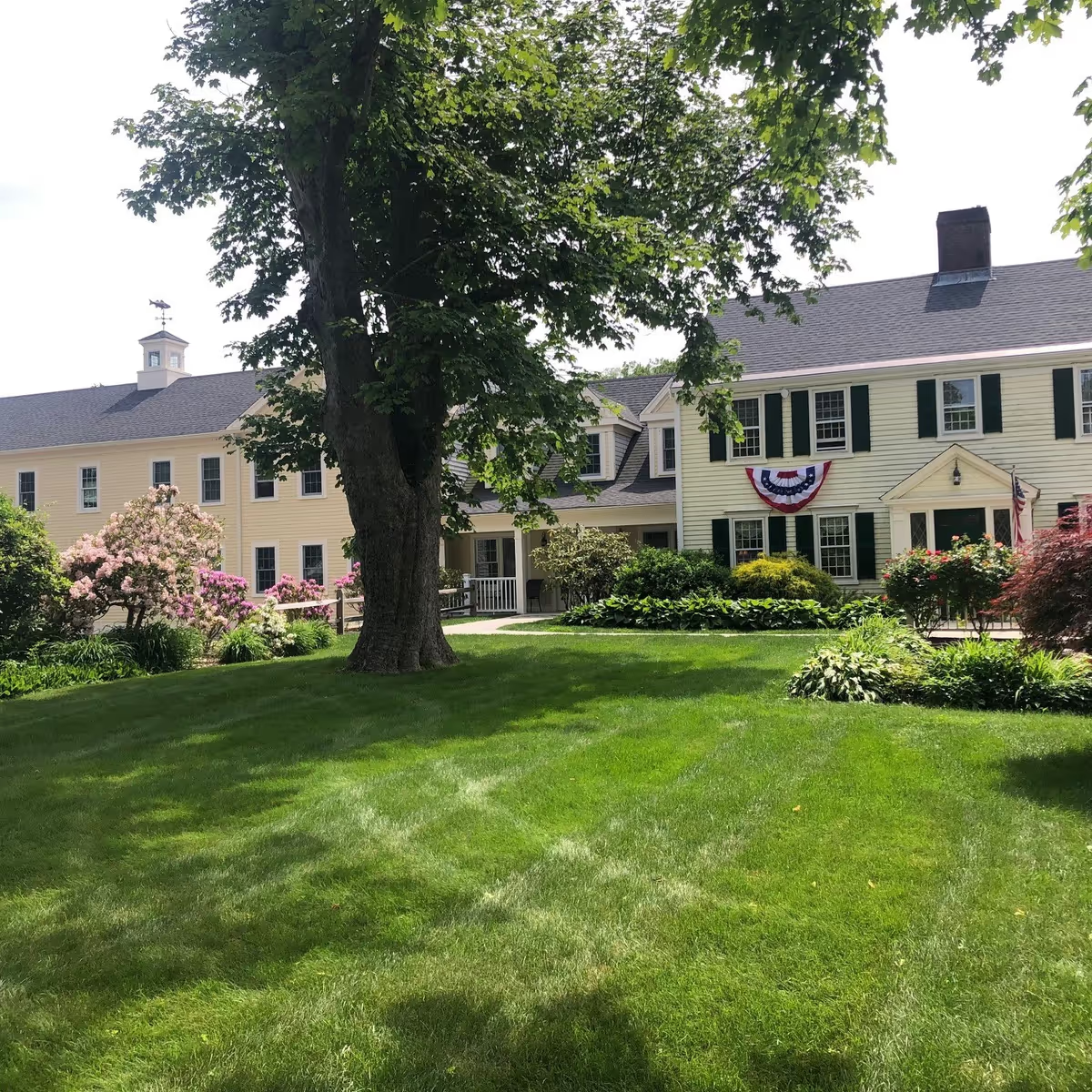
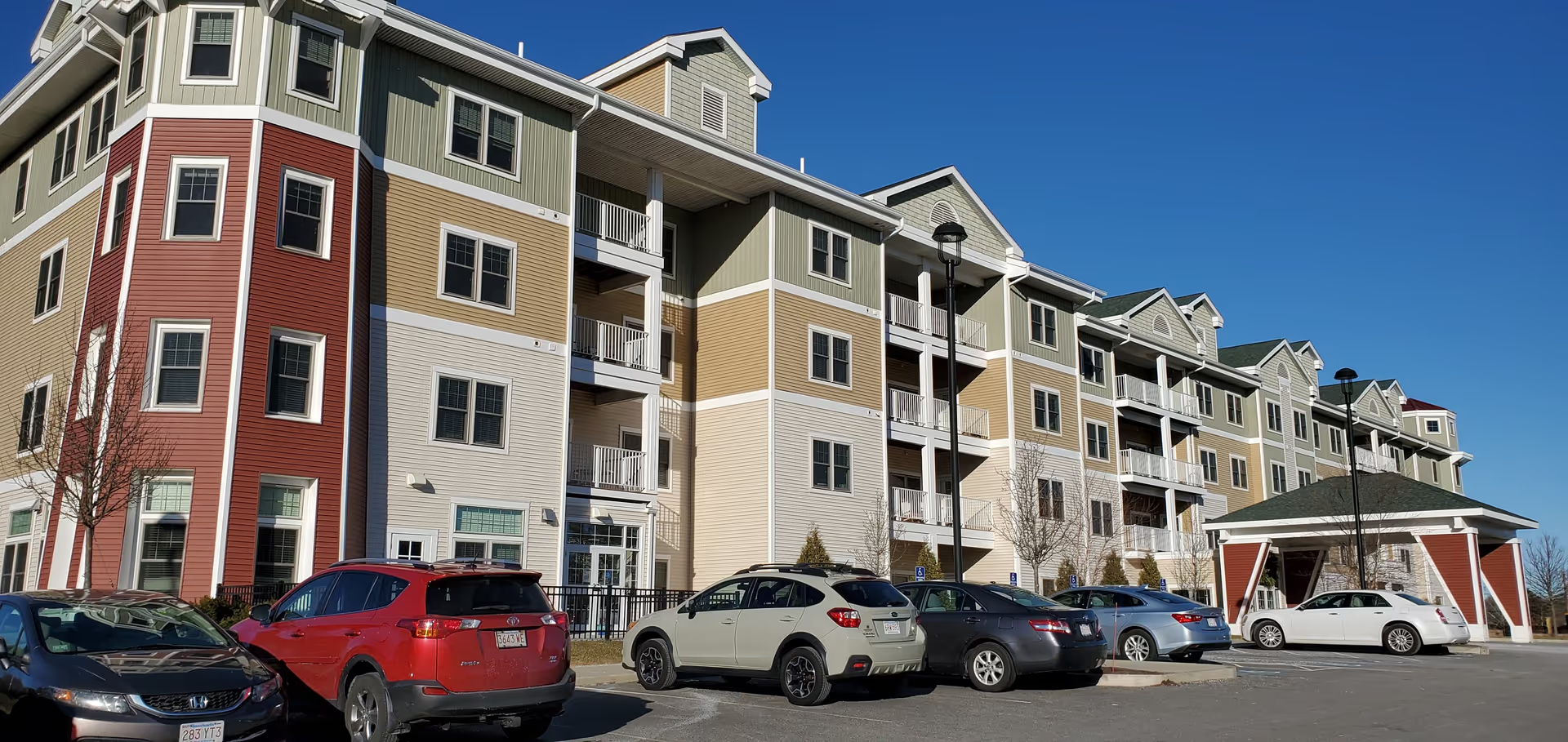
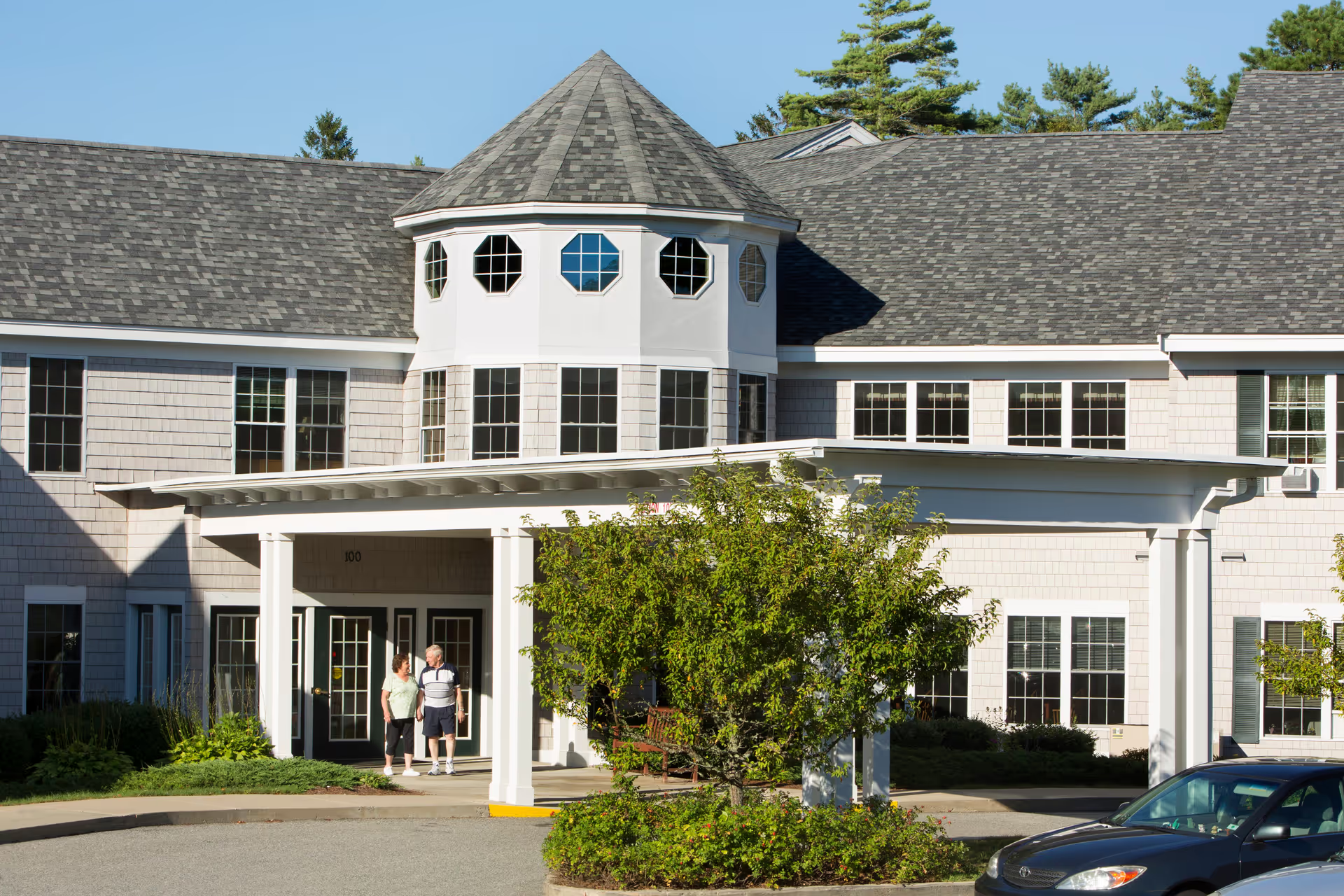
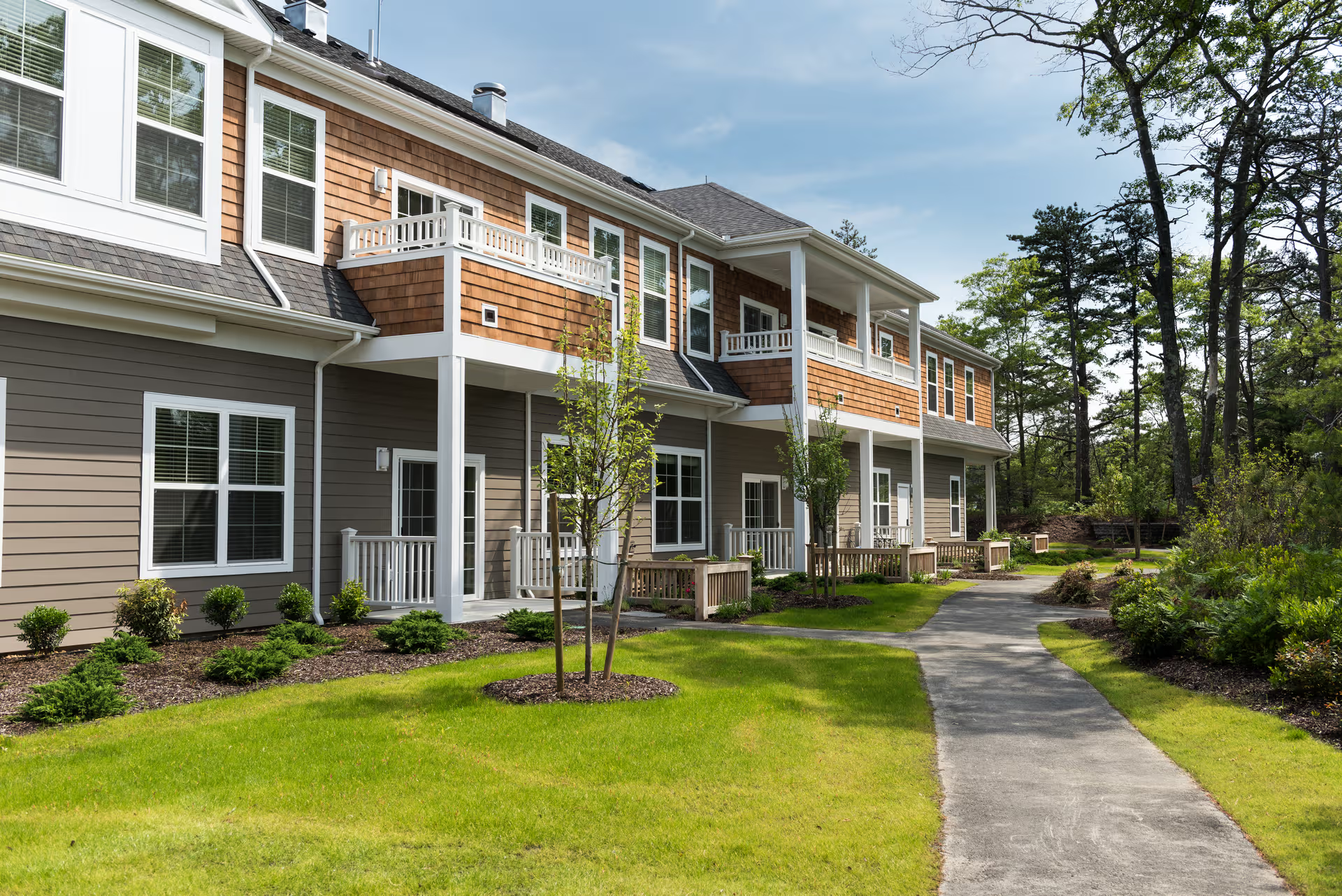
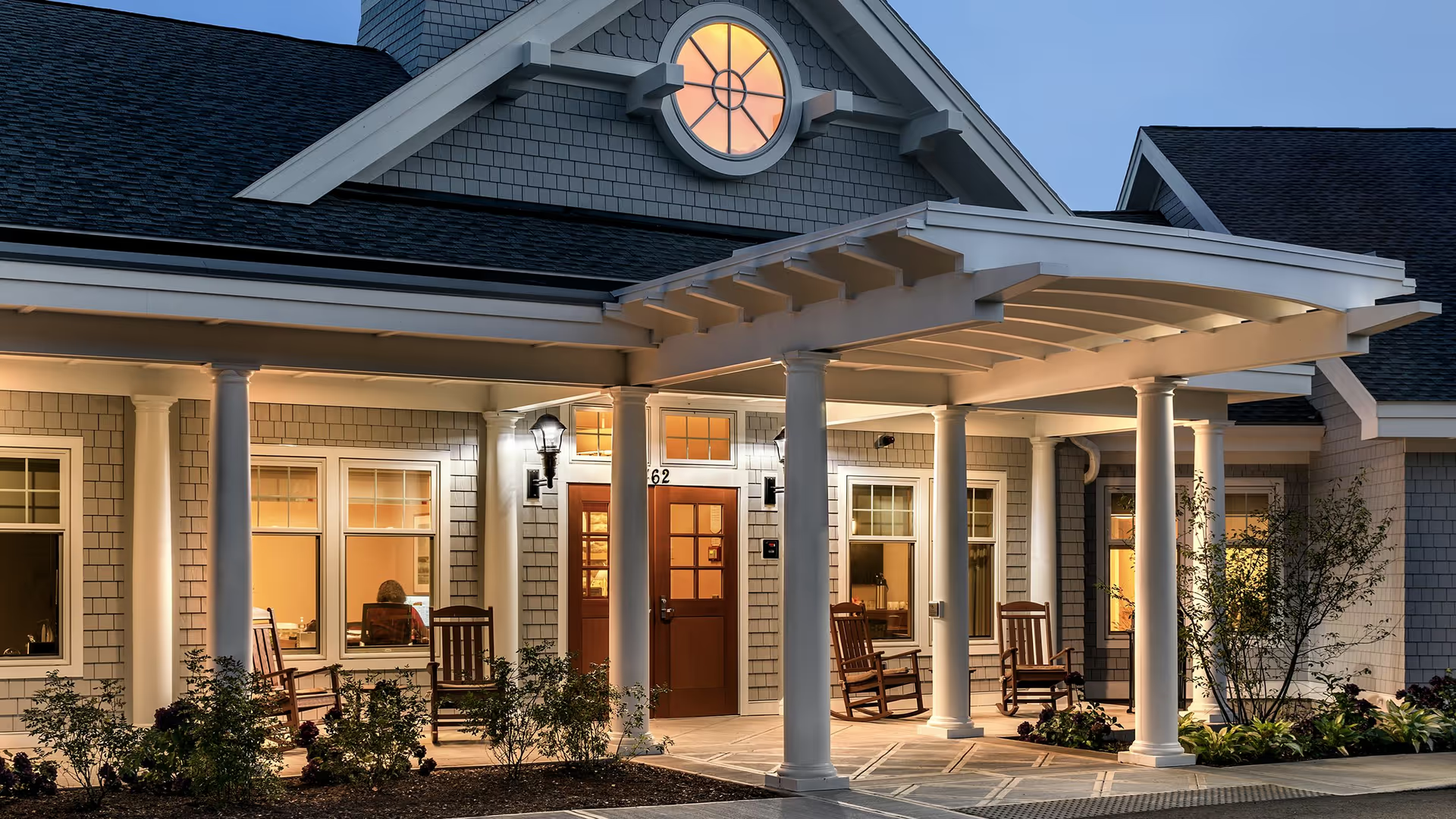
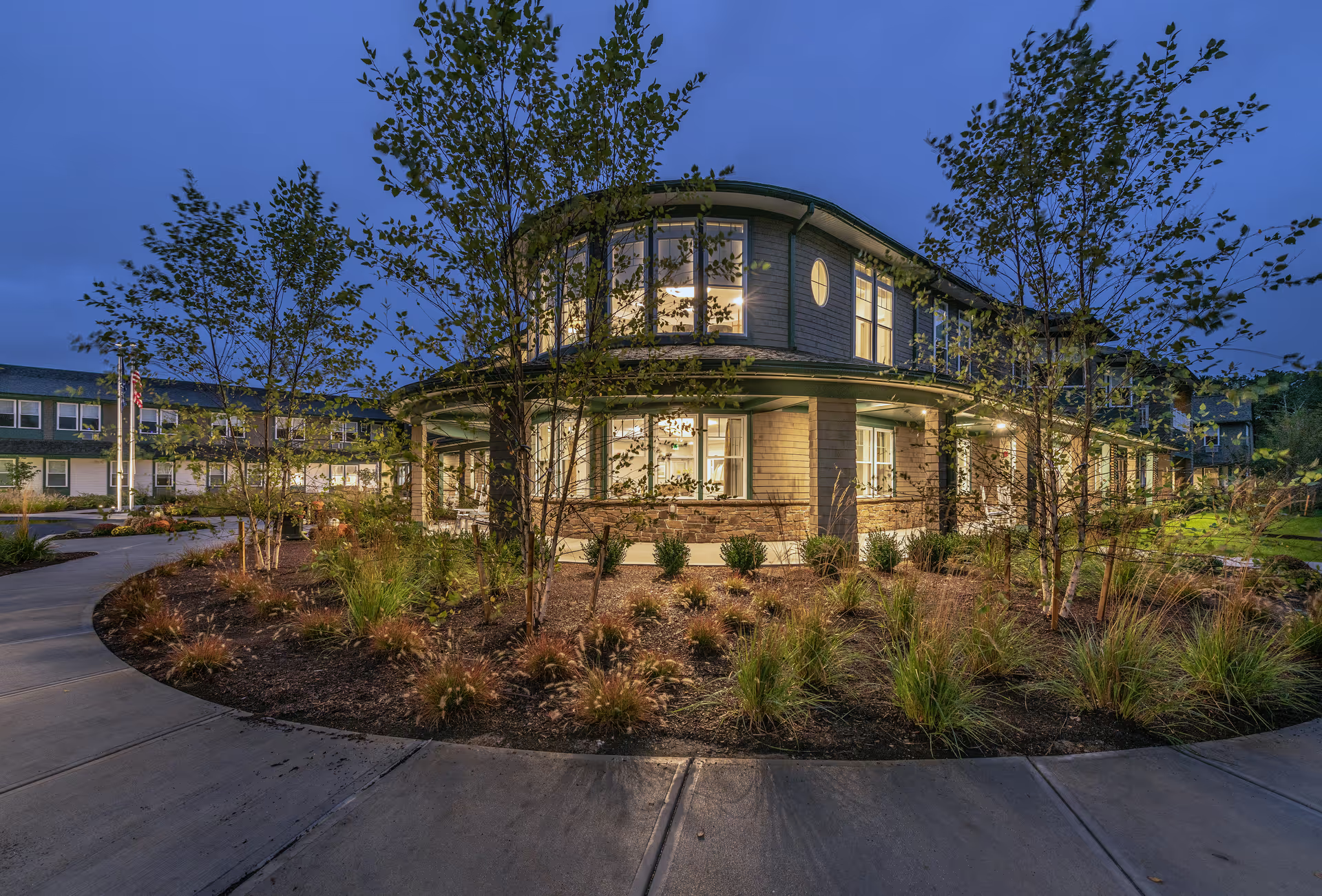
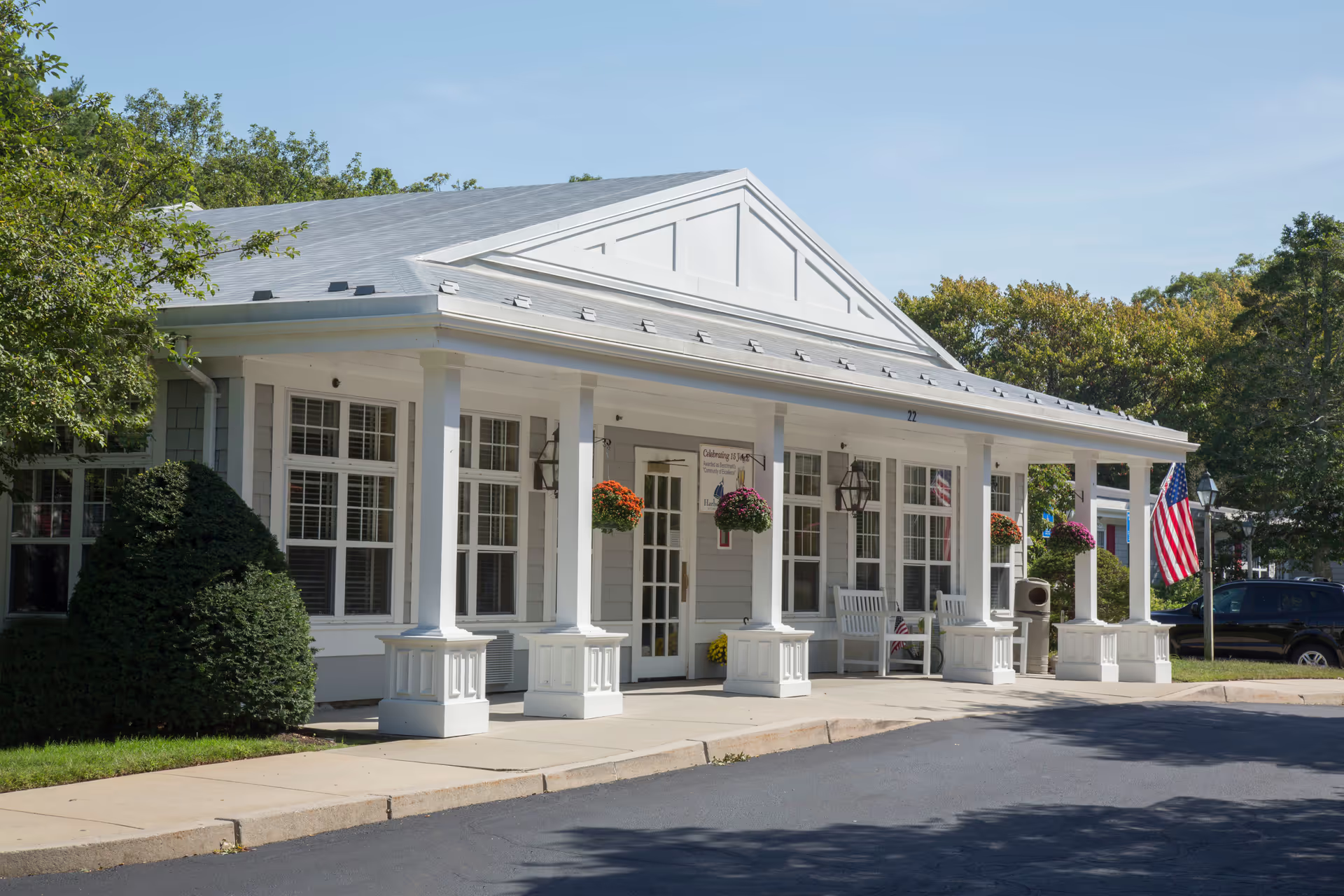
Cape Heritage presents a mixed set of strengths and operational challenges. Many families and residents praise the facility's clinical therapy resources and engagement programs: physical and occupational therapy are frequently described as effective, and the Director of Therapeutic Recreation receives consistent recognition for individualized, compassionate engagement that supports residents' emotional and cognitive needs. The facility's common areas, landscaped courtyard and sunny rooms are seen as appealing, and special events and holiday meals are highlighted as positive experiences. Several accounts also note responsive maintenance and a cordial reception/ admissions experience.
At the point of direct care, feedback is divided. Nursing staff and some CNAs are characterized as skilled and caring by multiple reviewers, but there are recurrent concerns about inconsistent staffing levels and high patient-to-staff ratios that appear to drive delayed responses to call bells and clinical alarms. Reviewers describe variability in hygiene and toileting support, inconsistent medication administration, and gaps in dementia-specific approaches; together these indicate uneven daily-care reliability across shifts and units. A number of families raised concerns about clothing and personal-possessions handling, and about discharge and transfer coordination during transitions of care.
Dining and activities show a similar pattern of strengths tempered by variability. The activities program is a clear asset for many residents, with arts-and-crafts, social gatherings, and committee involvement noted as enhancing quality of life. At the same time, there are accounts of unstable leadership within the activities team and isolated incidents of poor conduct that have affected resident experience. Meal quality and service are generally favorable for events, yet reviewers also report inconsistent meal accuracy, problems with therapeutic/dietary adherence, and occasional dining-area comfort issues (temperature, seating).
Facility condition and safety reveal mixed signals. While some units are described as clean and updated, other comments indicate sanitation concerns, pest-control issues in certain areas, broken or nonfunctional equipment, shared bathrooms, HVAC inconsistencies, and missing safety devices such as bed alarms or rails. Transfer practices and lift procedures are identified as an operational weakness by several reviewers, suggesting the need for clearer protocols and staff training. These environmental and safety items are linked in several accounts to delays in care and family dissatisfaction.
Management and communication appear inconsistent. Some reviewers praise prompt maintenance response and administrative engagement; others describe insufficient oversight, poor follow-through on family requests, and difficulty reaching case management or social-work supports. A small number of reviews referenced external scrutiny and formal complaints; overall the pattern suggests variability in leadership responsiveness and in how incidents are handled across units and shifts.
Bottom line: Cape Heritage offers notable strengths in therapy, recreation, and communal programming that positively affect many residents. However, prospective residents and families should be aware of recurring operational issues—especially staffing consistency, responsiveness to call bells/alarms, dementia-care training, sanitation and pest control in certain areas, medication and possession-management practices, and maintenance reliability. Recommended steps for families considering placement include scheduling multiple visits across different times of day, asking for specifics on staffing ratios and dementia training, reviewing medication-administration and transfer procedures, confirming laundry/possession policies, and meeting the therapeutic-recreation leadership responsible for the resident's program.