The reviews present a polarized picture of Life Care Center of Stoneham: a substantial number of families and patients describe high-quality rehabilitation, engaged therapy teams, and compassionate direct-care staff, while other accounts raise significant operational and safety concerns. Strengths commonly cited include an effective PT/OT program, coordinated discharge planning with accessible case managers and social workers, and a generally welcoming, family-like atmosphere. Many reviewers credited specific staff members and on-site leaders for proactive communication and smooth transitions to home care.
Clinical care shows an uneven pattern. Rehabilitation services receive frequent praise for measurable functional gains and individualized therapy plans. Conversely, medication management and documentation emerge as recurring concerns: reviewers describe delays in medication administration, scheduling errors, and at least one serious allegation relating to medication records. These point to potential weaknesses in medication-administration controls, oversight, and shift-to-shift handoffs. Relatedly, several accounts indicate delayed responses to call bells and limited assistance for toileting and bathing at times, suggesting that staffing levels and allocation can be inconsistent.
Staff behavior and communication are similarly mixed. Many reviews highlight compassionate, attentive nurses, aides, and ancillary staff who provide supportive daily care and build rapport with residents. At the same time, other reviewers describe blunt or unhelpful interactions, privacy-boundary concerns, and reception-level customer-service deficiencies. Weekend and off-shift coverage is singled out as a period of greater variability in responsiveness and service quality.
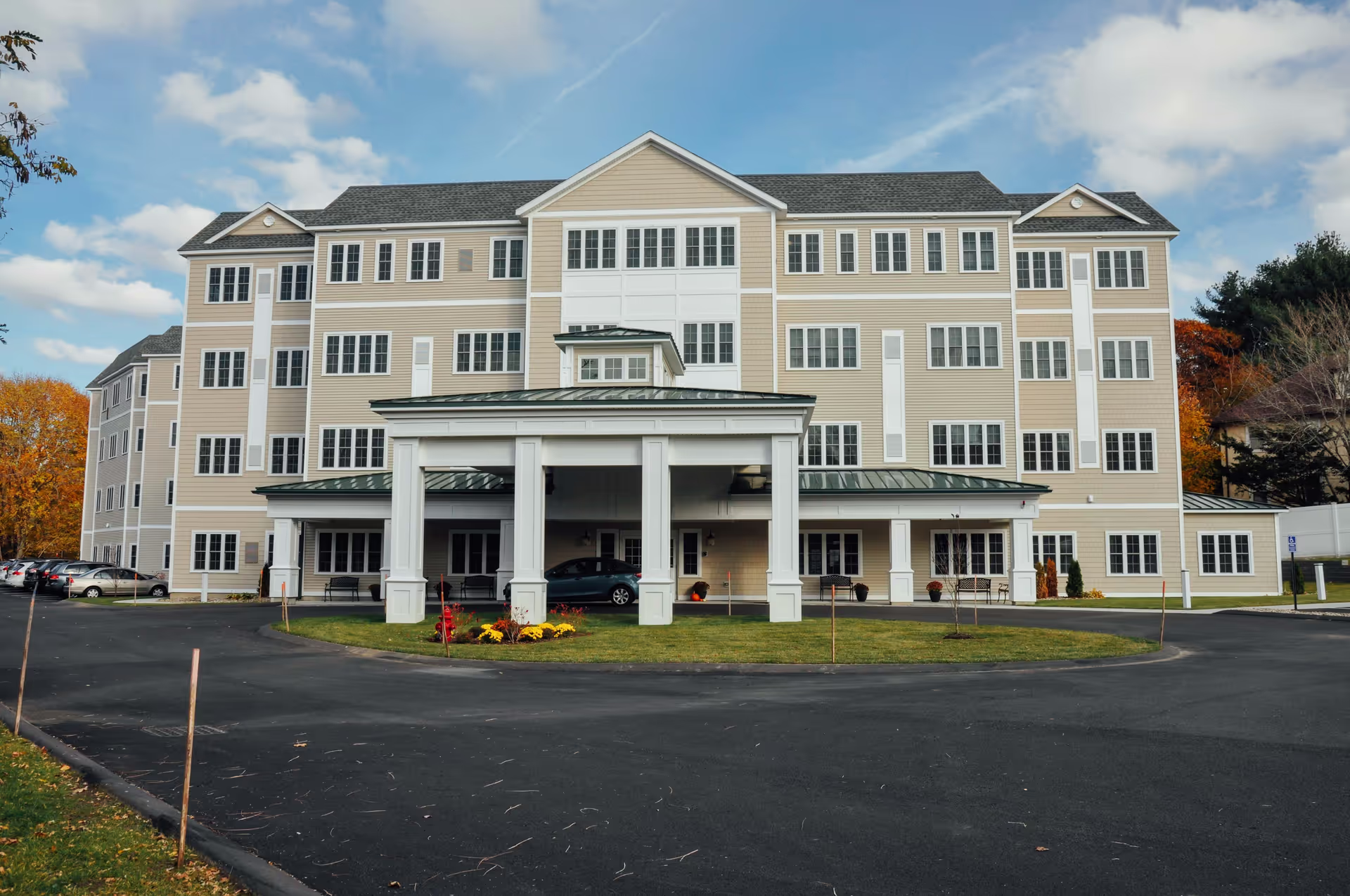
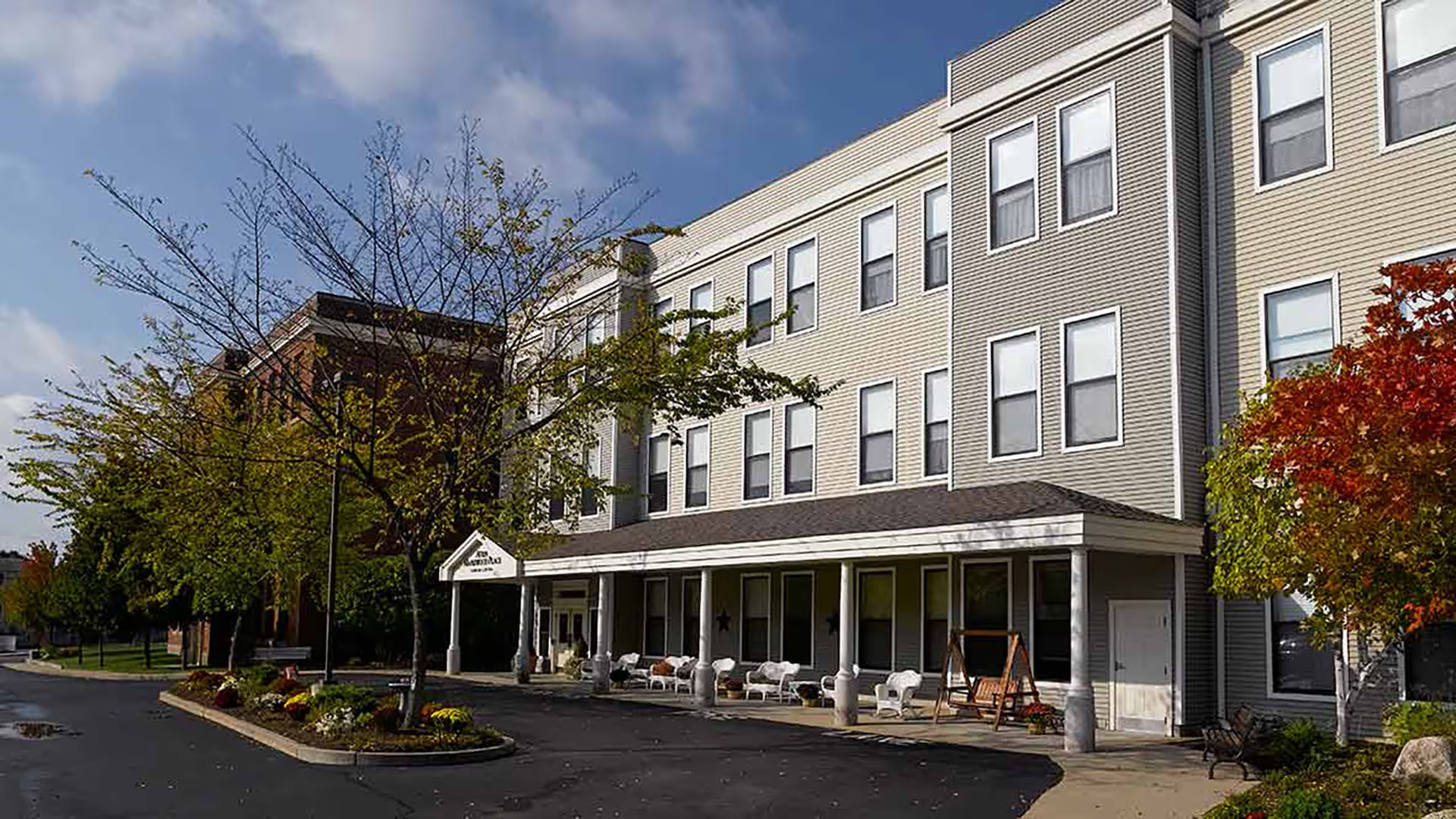
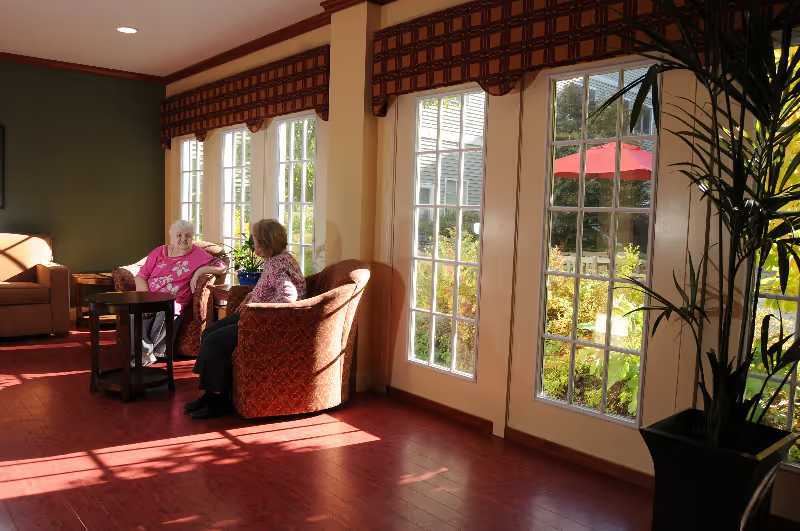
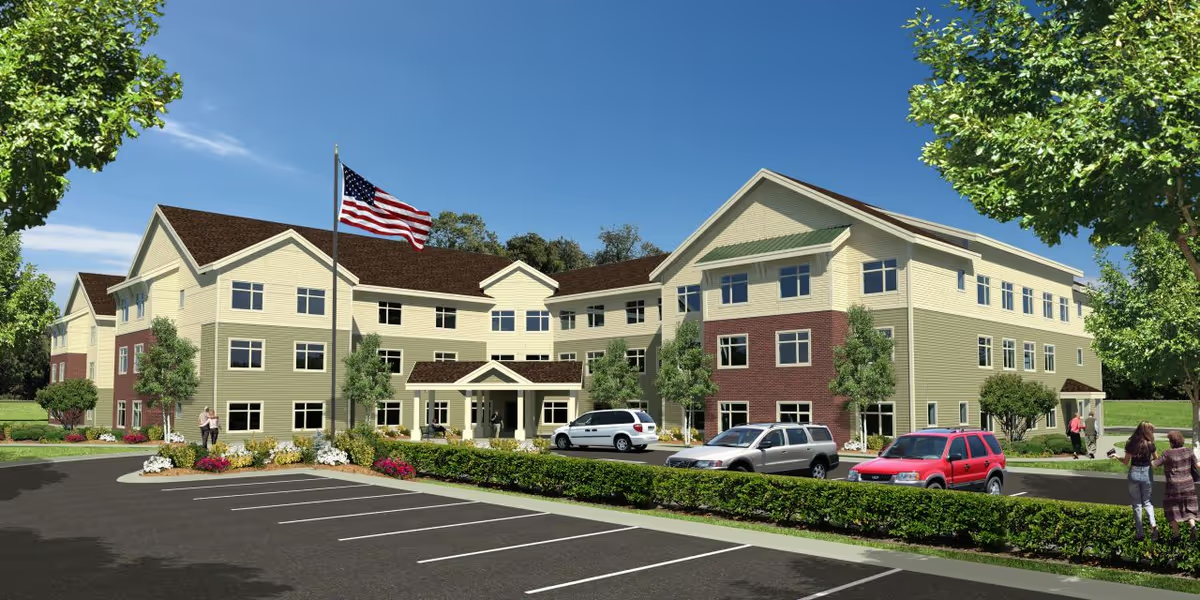
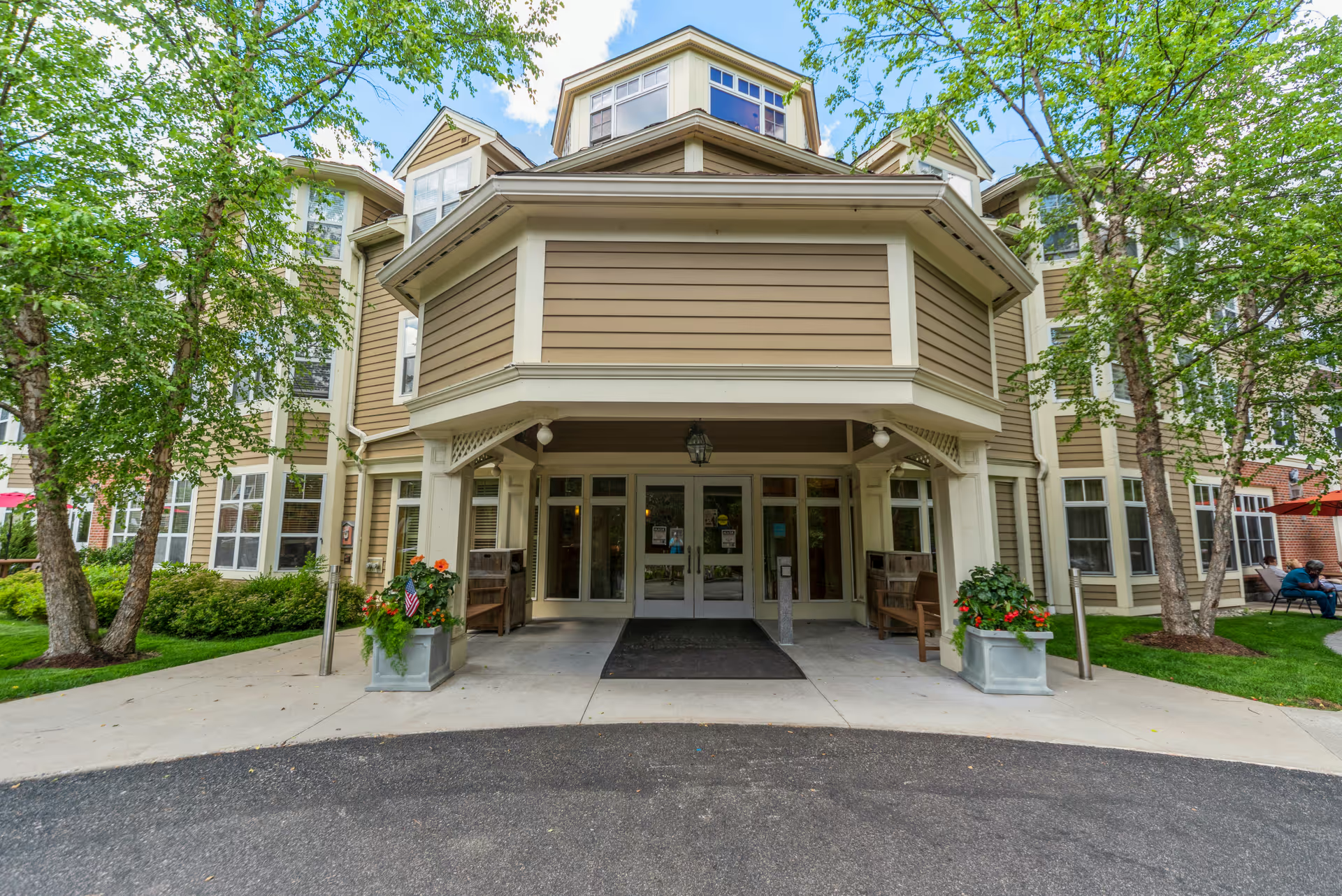
Dining, activities, and amenities receive generally positive marks for variety, palatable meals, and engaging social programs; holiday and daily activities are noted as beneficial for resident engagement. However, there are occasional lapses in meal delivery and weekend food-service continuity. Facility condition impressions are mostly favorable — clean, modern public spaces and comfortable rooms — but several reviewers raised sanitation and maintenance inconsistencies in specific units, including mold and equipment-corrosion concerns, window treatments in disrepair, and locked access to some resident areas.
Management and administrative responsiveness also show divergence. Certain case managers and leaders are repeatedly praised for clear communication, proactive problem-solving, and individualized attention. Other reviewers describe slow or unhelpful corporate responses and gaps in how the facility addresses family complaints and clinical incidents. There are also a small number of serious individual allegations (for example, around documentation and property handling) that warrant direct inquiry during any tour or intake.
Given the variation in experiences, prospective residents and families should consider targeted questions and observations during a visit: ask about medication-safety processes and oversight, staffing ratios and weekend coverage, how the facility handles clinical incidents and family communication, sanitation and maintenance protocols, and the availability of on-site medical providers. Request to observe a therapy session, speak with the unit case manager, and review recent inspection or quality reports if available. These steps can help clarify whether the facility’s strengths align with an individual’s clinical needs and safety expectations.