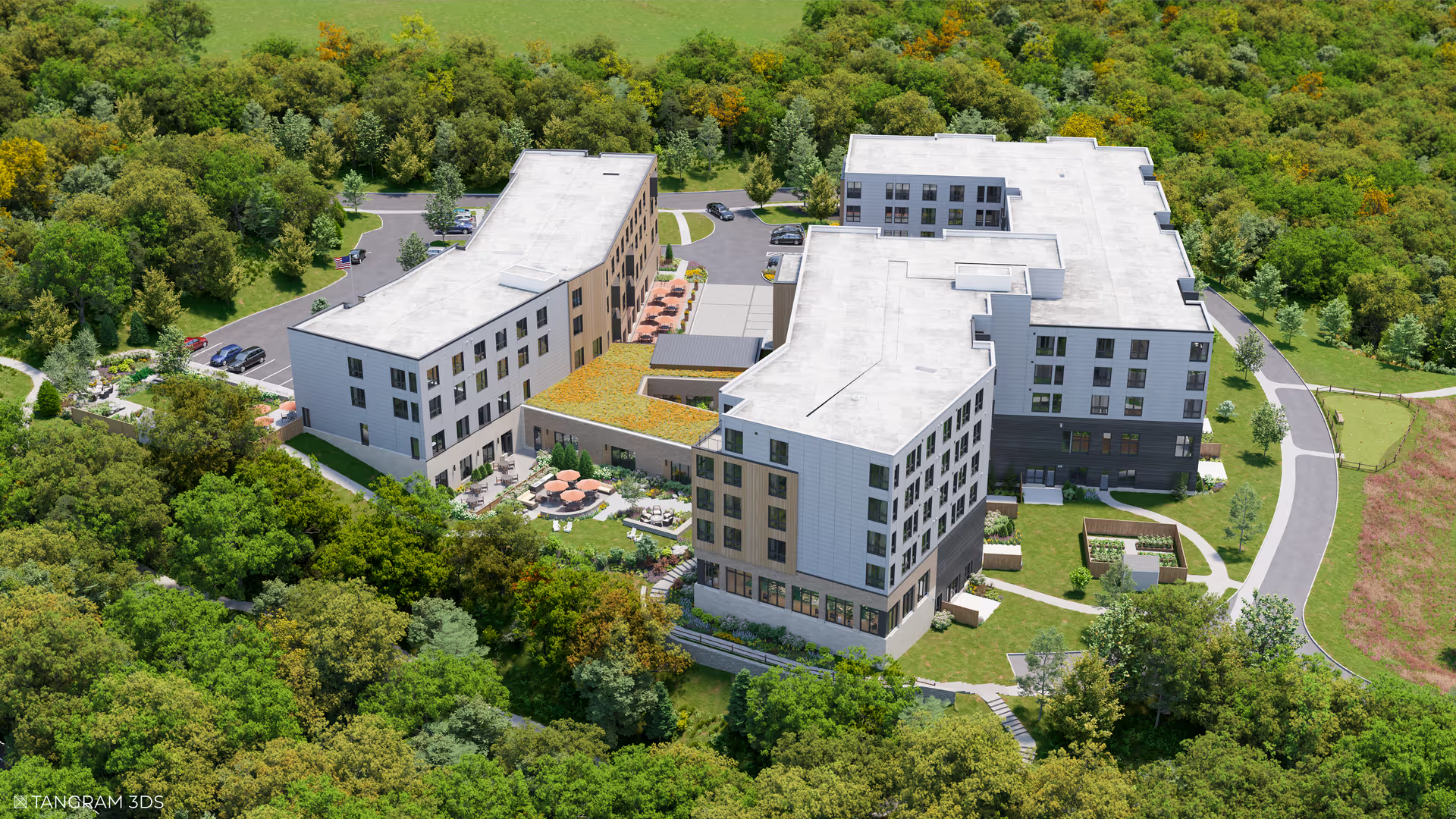
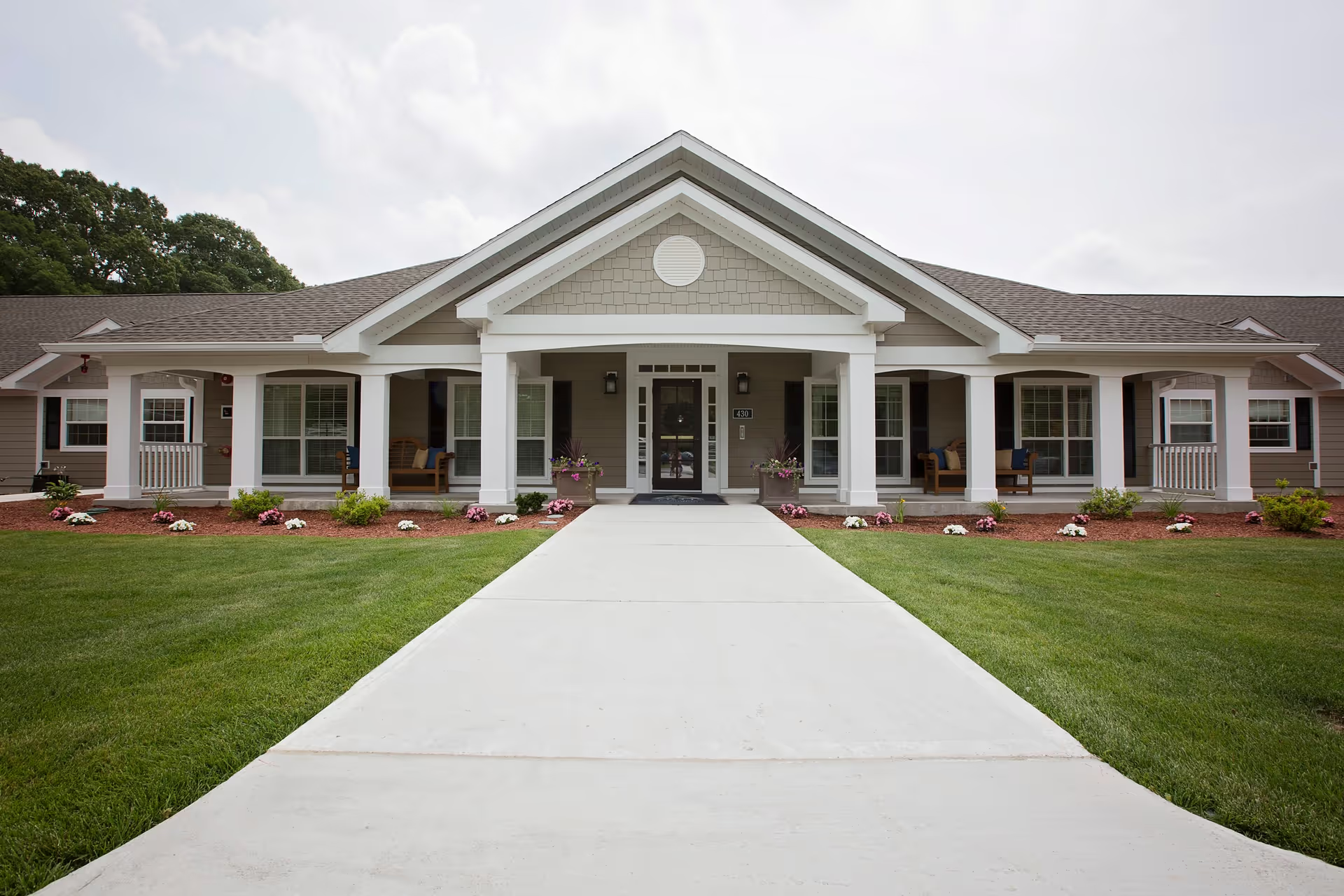
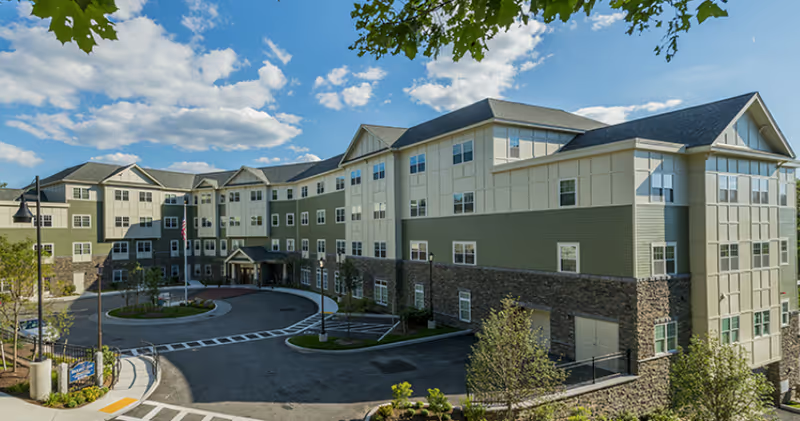
Meadow Green Rehabilitation and Nursing Center elicits strongly mixed impressions. Many families and patients highlight the facility’s strengths in restorative care: physical and occupational therapy services are frequently described as effective, and short-term rehabilitation outcomes are often positive. The facility’s environment is commonly characterized as clean and well-kept, with pleasant common areas, attractive grounds, and a home-like atmosphere supported by seasonal programming and social dining.
Staffing is a prominent source of variability. Numerous accounts praise individual caregivers, therapists, nurses, and front-desk personnel as compassionate, personable, and attentive; those staff members provide meaningful emotional support, activities engagement (including spiritual services), and timely pain management. However, this is contrasted by recurrent concerns about inconsistent nursing care, unreliable staffing levels, and uneven supervision. Families describe occasions when call lights are unanswered for extended periods, shifts with limited oversight, and the need for family members to advocate through frequent visits to ensure baseline care.
Clinical safety and care processes show notable divergence. Strengths in therapy and rehabilitation sit alongside operational weaknesses in transfer safety, fall prevention, and medication-administration controls. Reviewers cite delayed clinical escalation in some cases, problems with transfers and assistive-device use, and examples of delayed diagnostic or treatment responses. Infection-prevention practices and clinical incident handling have been described inconsistently; while some families felt well informed and supported in hospice coordination, others raised concerns about outbreak management and post-incident communication.
Daily living services and belongings management are another mixed area. Several reviews note attentive assistance with personal care and dignity-preserving interactions, yet there are repeated descriptions of incontinence-care delays, inconsistent hygiene management, and shortcomings in tracking or returning residents’ personal items. Dining impressions range from satisfactory to subpar: some residents appreciate the meals and hospital-style offerings, while others request healthier options, larger portions, or more menu variety.
Facilities and amenities are generally regarded positively: clean rooms, inviting common spaces, active programming, and accessible therapy areas are recurring positives. There are, however, isolated sanitation and pest-control concerns and occasional logistical issues (for example, ice access and storage problems) that suggest variability in environmental oversight.
Management and communication emerge as central patterns. Positive experiences often reference helpful admissions staff, specific nurses or administrators who intervene effectively, and clear, timely updates. Conversely, multiple families describe difficulty obtaining follow-up on complaints, limited availability of nurse leadership, and perceptions of insufficient accountability or transparency after adverse events. A consistent theme is unevenness: individual staff members and specific units (notably the inpatient rehabilitation section) earn strong praise, while other units or shifts are described as delivering substantially lower-quality care.
Overall, Meadow Green offers meaningful strengths—especially in rehabilitation therapy, engaging activities, and certain compassionate staff—but prospective residents and families should be prepared for variability in nursing care, staffing reliability, clinical-safety practices, and management responsiveness. Direct questions about staffing ratios, transfer protocols, medication-safety procedures, infection-control policies, personal-belongings handling, and complaint-resolution pathways are recommended during tours and admissions conversations to clarify how the facility addresses the operational gaps noted above.