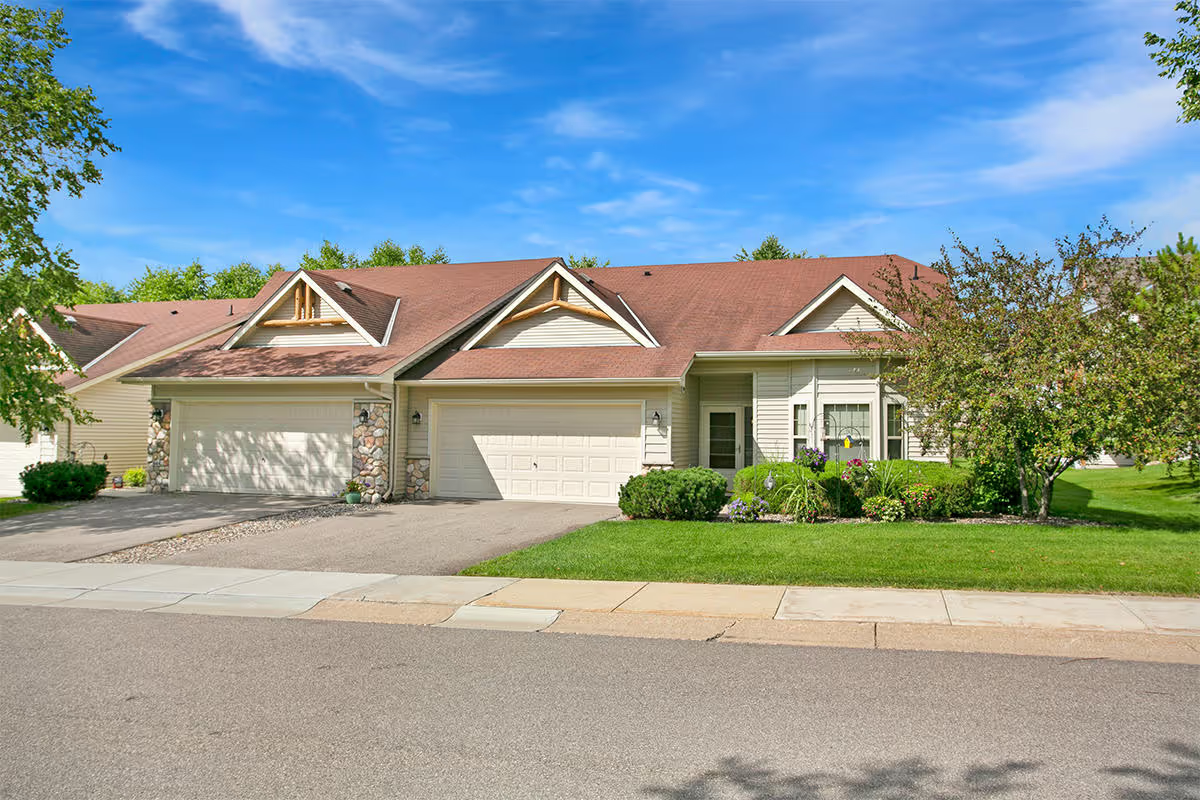
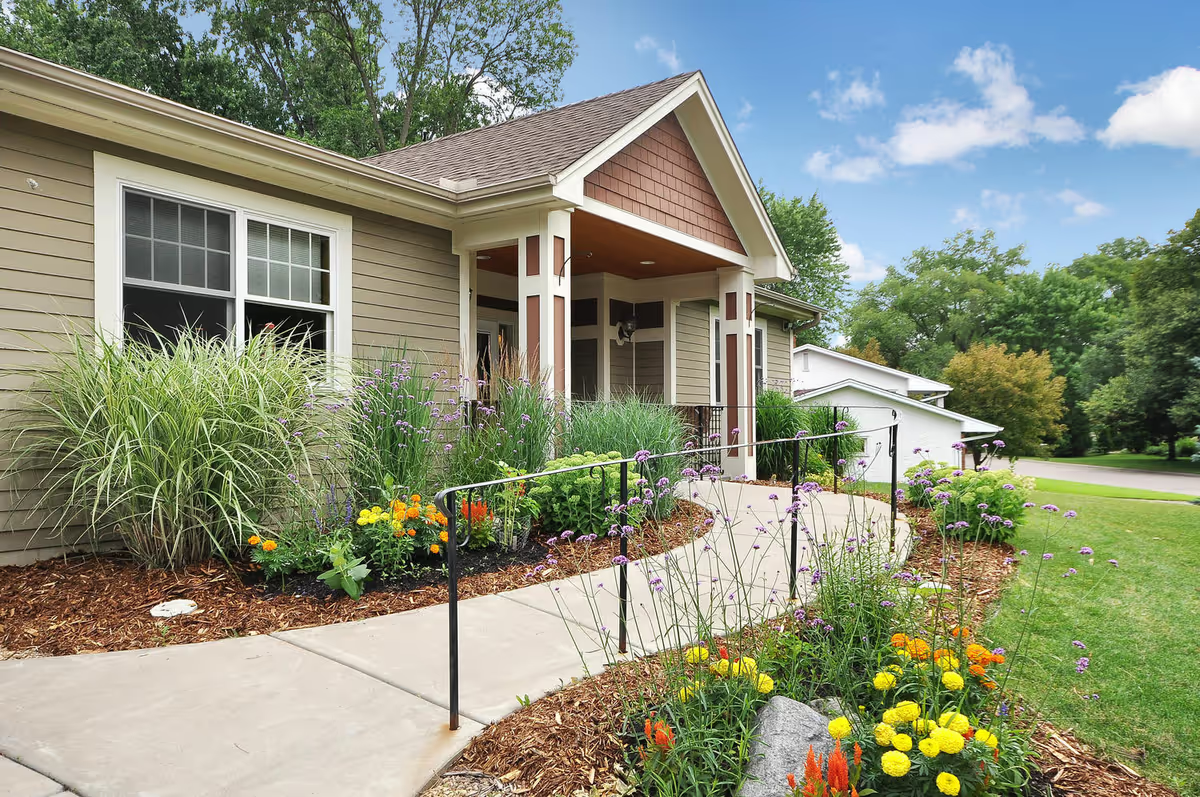
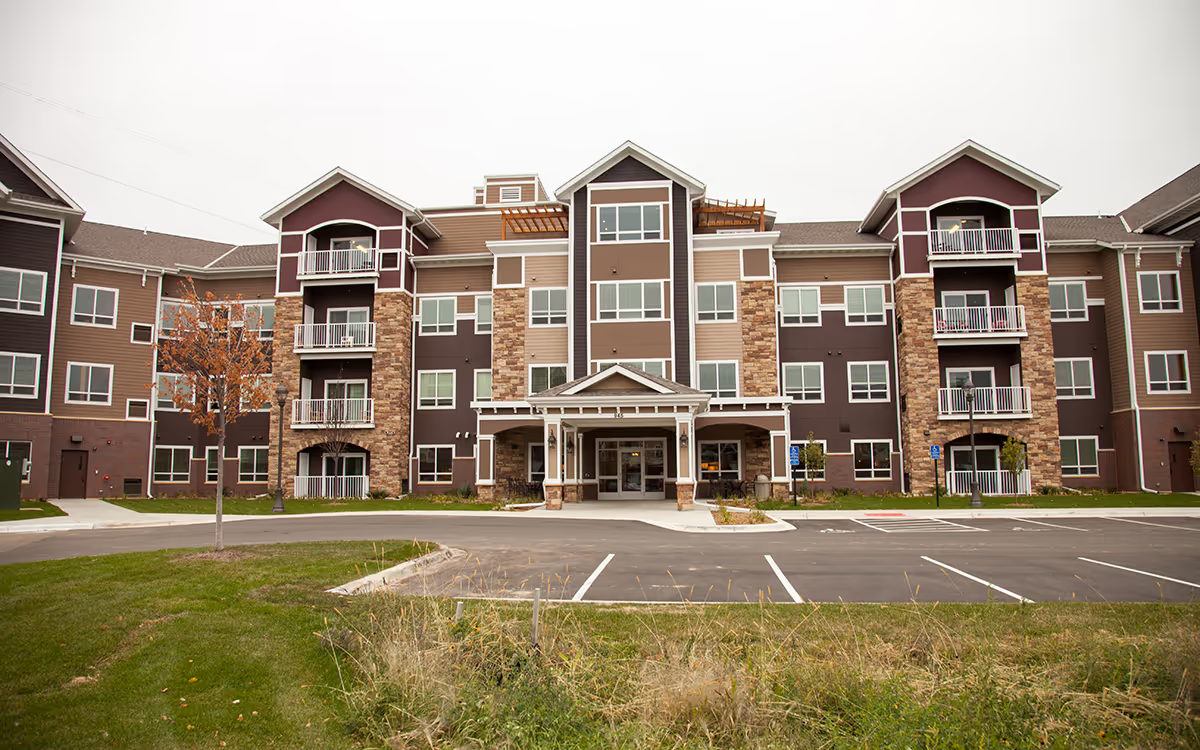
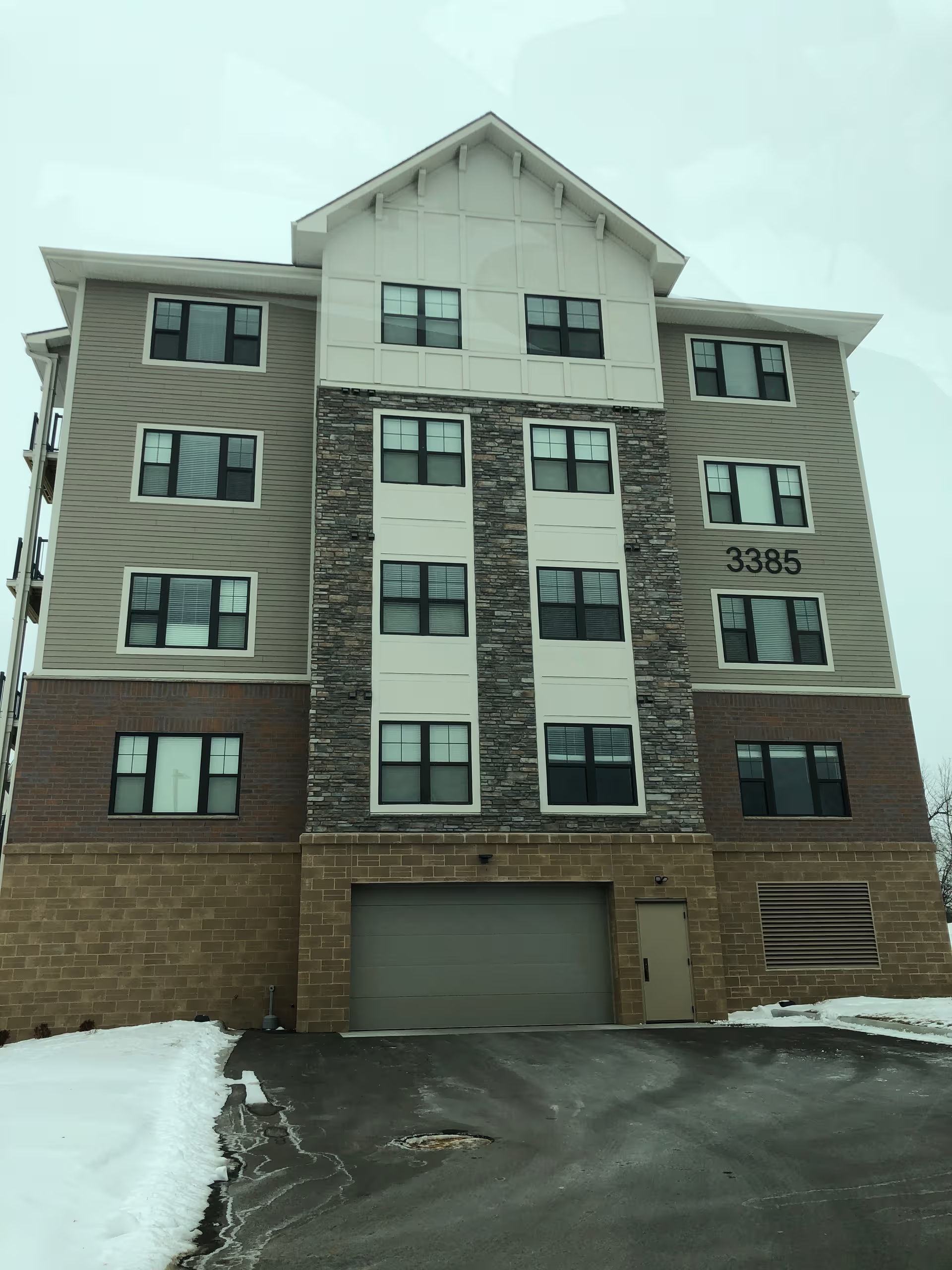
The reviews for Woodlyn Heights Senior Living present a polarized picture. Many families and residents praise the facility’s rehabilitation services, several individual caregivers, and recent leadership changes, while others describe persistent operational problems that affect daily care. The most consistent strengths are an active therapy department (physical and occupational therapy), an engaging activities program, private rooms for residents, and a generally well-maintained, home-like environment under visible maintenance and housekeeping efforts.
Care quality shows a clear split. Rehabilitation and therapy are widely commended for producing good outcomes and attentive clinicians. In contrast, routine nursing and personal-care services are described as inconsistent. Multiple accounts cite extended delays responding to call lights (with some delays reported in the range of tens of minutes to a few hours), missed or delayed assistance with toileting, bathing, and oral care, and instances where wound or skin issues were not managed to family expectations. Medication administration and charting deficiencies are also a recurring theme, with families noting lapses in documentation and timing that raise concerns about clinical oversight and care coordination.
Staffing and staff conduct are central drivers of experience. Reviewers attribute many service lapses to understaffing and resulting workflow failures: slow call responses, limited bedside attention, and shortened checks on residents. At the same time, many individual aides, therapists, and nurses are described as compassionate and attentive; several reviewers named staff and the executive director as contributing to positive improvements. Reports of variable professionalism and communication tone suggest inconsistent staff training or supervisory follow-through across shifts.
Dining, activities, and facilities receive mixed-to-positive feedback. The activities calendar (bingo, crafts, bowling-style events, nail care) and social culture are frequently highlighted as strengths that support resident engagement. Food quality is described variably: some reviewers find meals tasty and varied with friendly dietary staff, while others note cold entrées, menu inaccuracies, and inconsistent assistance during meals. Physical spaces — private rooms, pleasant views, and responsive maintenance — are often cited as positive contributors to resident comfort.
Operational and safety patterns of concern include sanitation and odor issues in some rooms and common areas, equipment or supply shortages that impede care, and reported weaknesses in transfer and safety practices that have been associated with injuries in a few accounts. Family communication and administrative responsiveness are also inconsistent: some reviewers describe prompt, transparent coordination, whereas others experienced slow or inadequate follow-up from leadership and clinical staff. A subset of families expressed worries about financial transparency and waiver language associated with care agreements.
In sum, Woodlyn Heights appears to offer strong rehabilitation services, meaningful activities, and several devoted staff members and leaders who have improved aspects of the culture. However, persistent operational gaps — notably chronic understaffing, slow call-response, inconsistent personal-care assistance, medication/documentation issues, and localized sanitation concerns — create variability in resident experience. Prospective residents and families should consider on-site evaluation focused questions about staffing levels by shift, average call-light response times, medication-administration safeguards, wound-care protocols, and recent leadership or staffing changes when deciding whether the facility meets their needs.