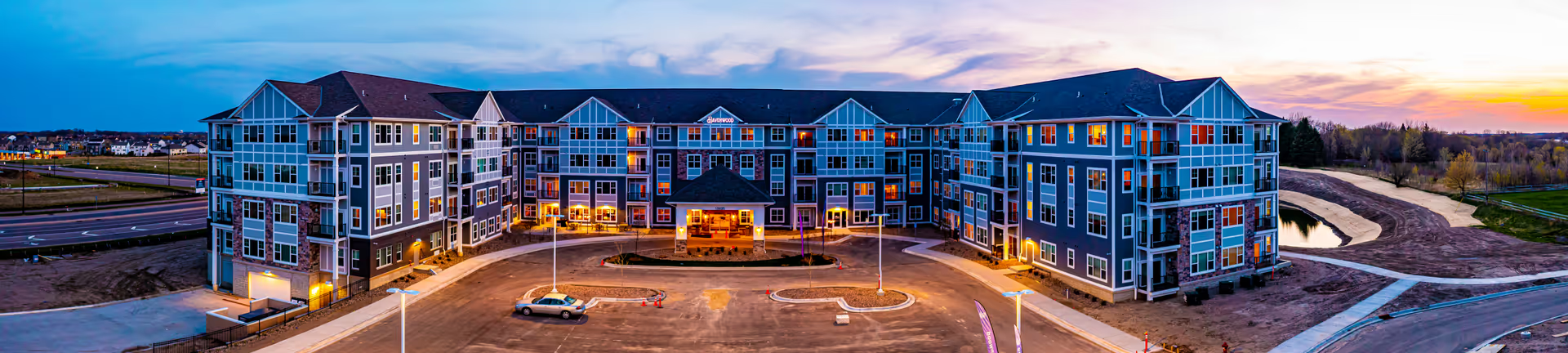
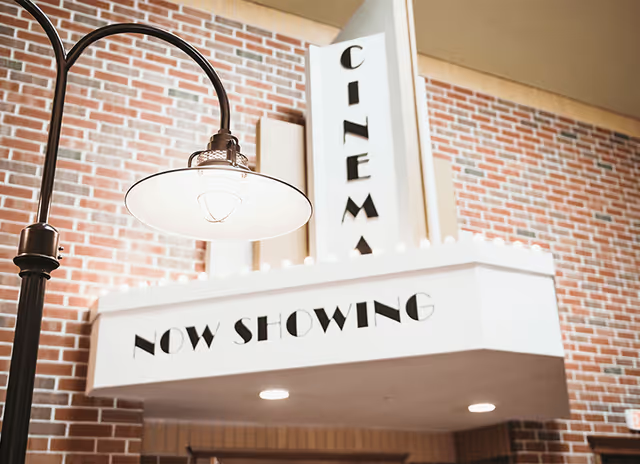
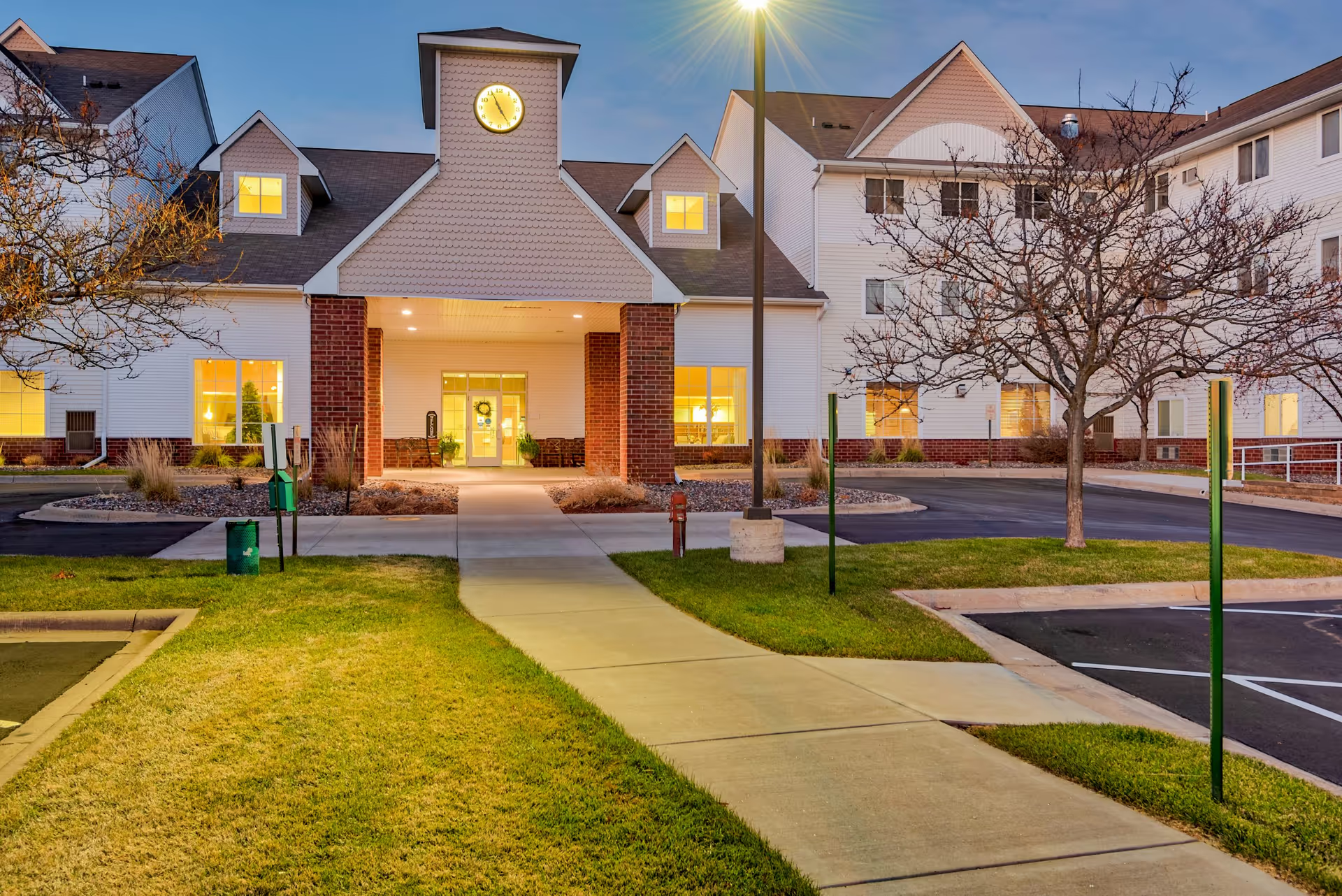
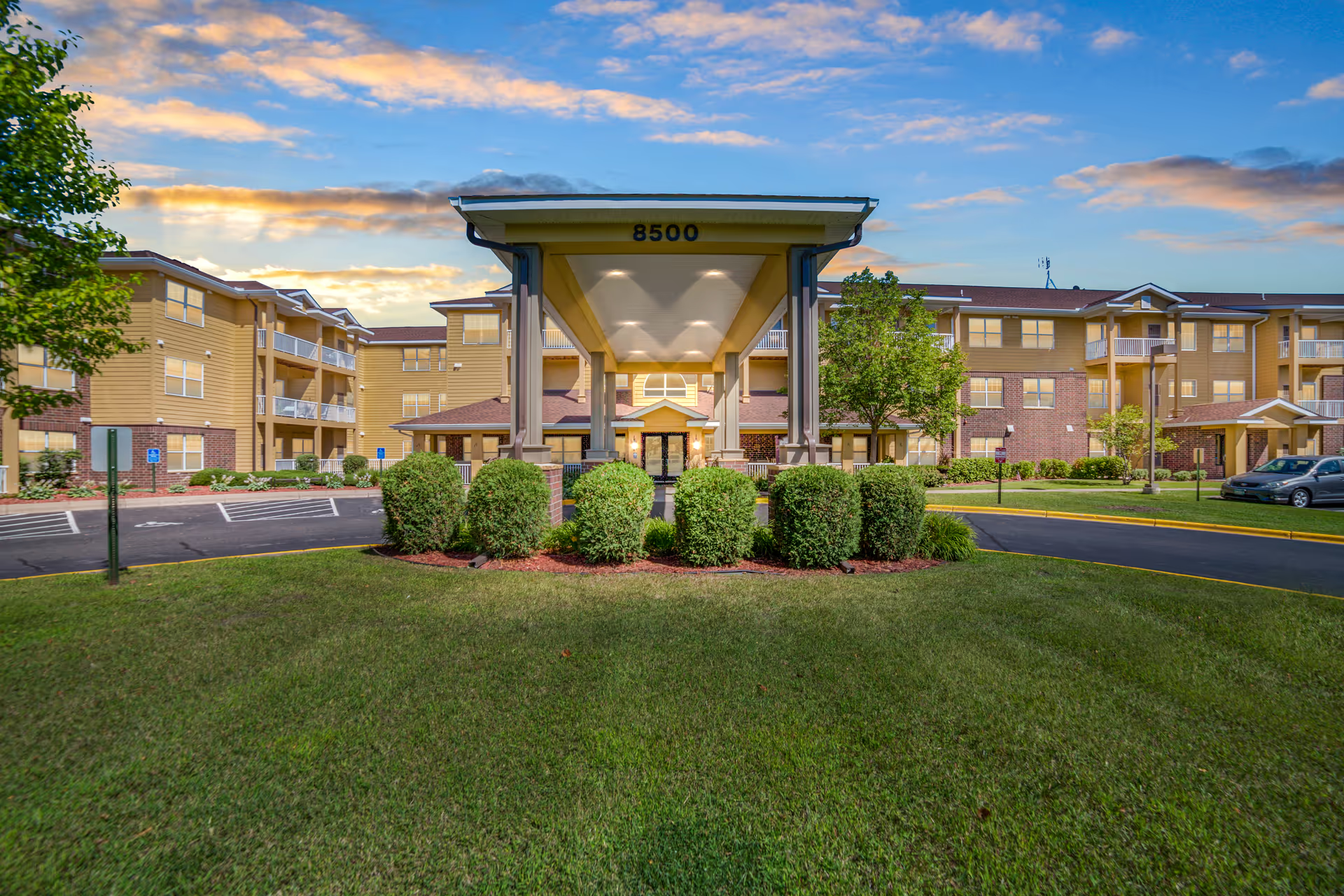
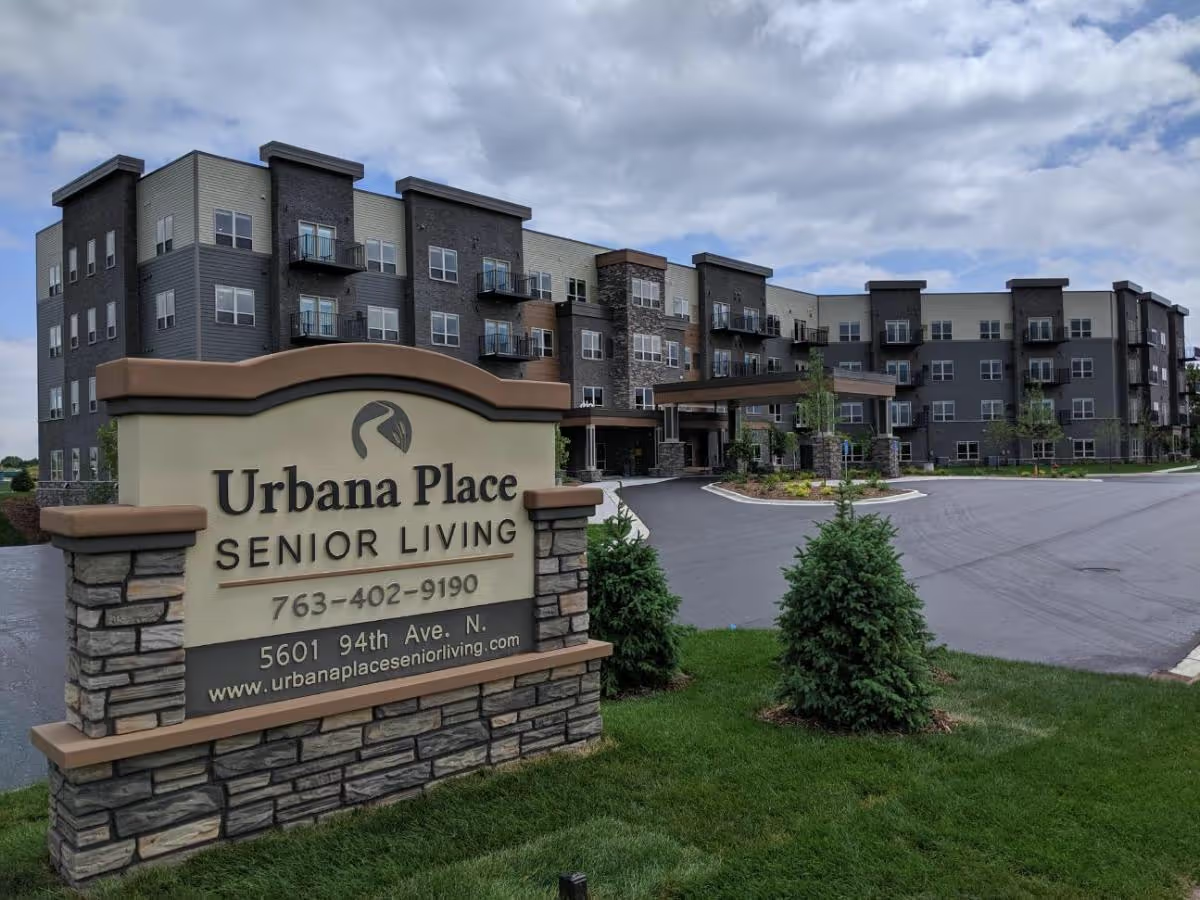
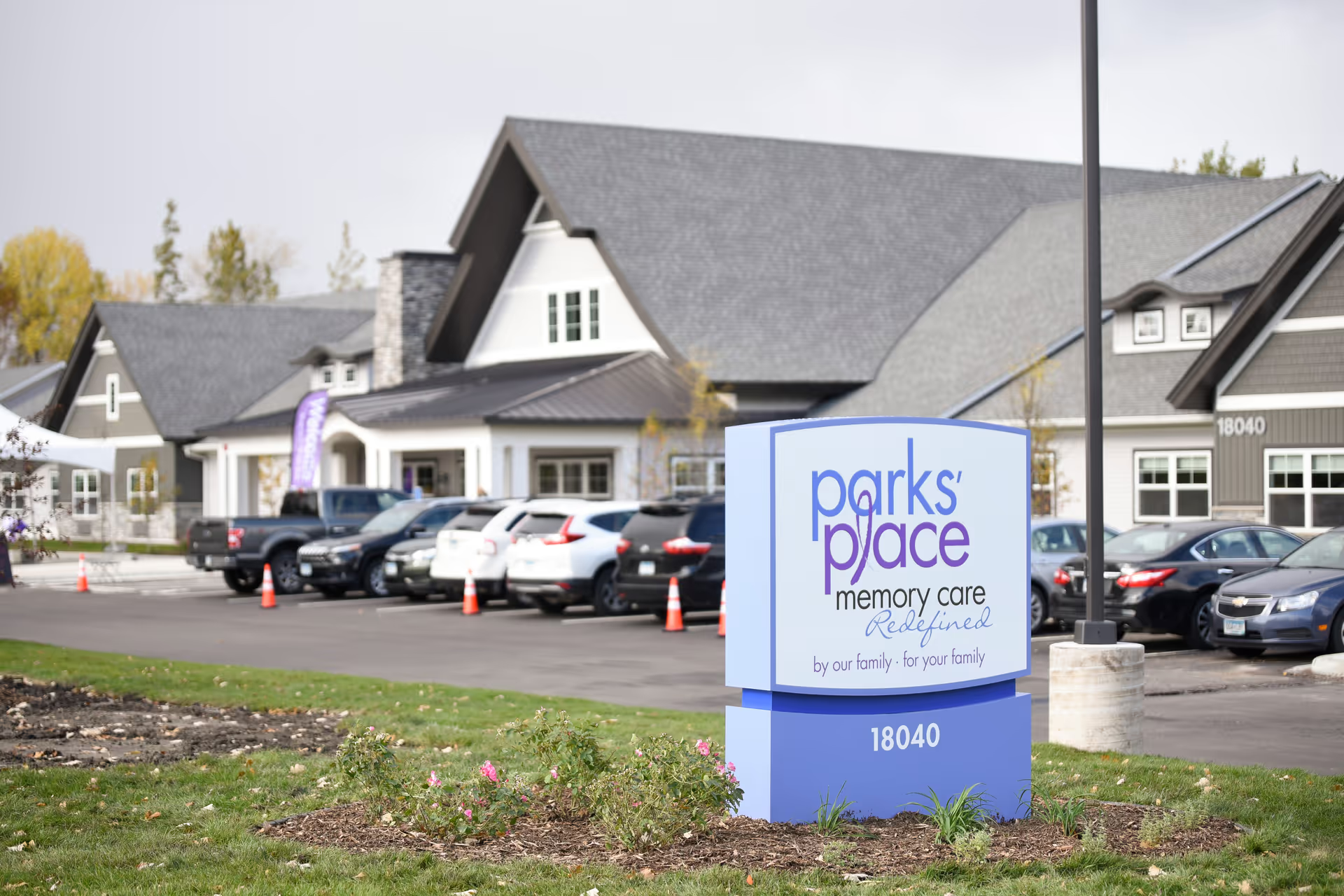
Prospective residents and families describe a community with many appealing features alongside operational inconsistencies. Strengths frequently noted are the welcoming, often compassionate front-line staff and a robust activities calendar that includes chapel services, music programs, outings, exercise classes, and multiple social spaces. The campus presents a lodge or cabin aesthetic with several well-appointed common areas (dining room, salon, library, activity rooms), and many apartments are described as spacious, with full kitchens and layouts that support independent living and relatively easy transitions to assisted care. On-site conveniences commonly cited include laundry facilities, salon/barber services, and scheduled transportation for outings.
Care quality assessments are mixed. Several families praise day staff, long-tenured caregivers, and transition support; others cite inconsistent care coverage, especially on night shifts and within memory-care neighborhoods. Reviewers raised concerns about medication administration and documentation practices and described delays or unreliability in carrying out routine care tasks (medication delivery, bathing schedules, and housekeeping). Memory-care effectiveness is uneven: while the unit layout and activities worked well for some residents, others experienced insufficient supervision and an environment reviewers characterized as not fully adapted to dementia needs.
Dining is a visible strength in many accounts: attractive dining rooms, meal plans that include breakfast and optional extra meals, and accommodating kitchen staff. However, several reviewers noted variability in food quality and portioning, occasional preparation issues, and frustration when meal promises did not match day-to-day execution. Families considering the community should ask specific questions about menu planning, special-diet handling, and how meal complaints are addressed.
The program of activities and social opportunities is a consistent positive. The community offers many scheduled events, volunteer opportunities, and organized outings that support social engagement. That said, activity availability can be constrained by staffing and by residents’ sensory or mobility limitations; some reviewers felt certain areas (particularly parts of memory care) lacked adequate programming or stimulation.
Physical plant observations show a mix of newer and older areas. Many reviewers appreciated the woodsy, lodge-like ambiance and daylight in updated units; others described darker corridors, smaller memory-care spaces, or a dated feel in portions of the building. Ongoing renovations were mentioned as creating temporary appearance and maintenance inconsistencies. Sanitation and cleaning scope were variable in family accounts—some praising thorough housekeeping and cleanliness, and others noting gaps in frequency, ambiguous cleaning responsibilities, or odor concerns in particular areas.
Management and operations are an important pattern to evaluate. Multiple reviewers highlight leadership turnover, personnel changes, and corporate restructuring as drivers of uncertainty. These changes appear linked to operational problems such as inconsistent staff scheduling, slower follow-up on family questions, and confusion over billing or admissions. A few reviewers raised serious concerns about staff conduct and personnel practices; these were described as allegations requiring follow-up. Families should request current information on leadership tenure, staffing ratios by shift, and formal processes for incident reporting and resolution.
In summary, the community offers many tangible advantages: spacious apartment options, an active activities program, attractive communal spaces, and a generally friendly culture among front-line staff. However, there is a clear pattern of operational variability — particularly around staffing stability, medication and housekeeping consistency, memory-care supervision, and communication from leadership. Prospective residents and their families would benefit from targeted questions during a tour: current staffing levels by shift, medication-administration protocols, a written housekeeping schedule, how dementia training is implemented and measured, transportation availability, and recent changes in management. Verifying these items and requesting references from current families can help clarify whether the facility’s strengths align with a specific care need.