Overall impression: Reviewers describe White Pine - Mendota Heights as a recently built, well-appointed community with many strengths in interpersonal care and communal amenities, balanced by several operational inconsistencies. The facility earns frequent praise for warm, compassionate caregivers and an approachable clinical staff presence; families commonly highlight quick response times, attentive nurses (commonly naming a standout nurse), and a staff culture that creates resident-centered, home-like relationships.
Care and clinical quality: Many families report strong day-to-day caregiving and reliable clinical touchpoints (regular nurse/PA visits and periodic physician involvement). Positive anecdotes emphasize individualized attention, comfort measures, and staff willingness to go beyond basic tasks. At the same time, there are consistent concerns about staffing stability and workload pressure: reviewers cite periods of short staffing, perceptions of some caregivers being distracted, and uneven performance across shifts. More serious operational themes include medication-administration and documentation gaps and variable follow-up from management after clinical events, which families should verify during a tour.
Dining and activities: The community offers a range of activities — exercise classes, bingo, seasonal events, sing-alongs, and social opportunities — and an active recreation director is frequently mentioned. Participation levels vary, and some families note the programs are intentionally low-strain. Dining impressions are mixed: several comments praise fresh-from-scratch meals, large buffets, and family-style dining with staff engagement, while others describe instances of lower-quality or pre-prepared meal service. Meal portioning and consistency between kitchens and service occasions appear variable.
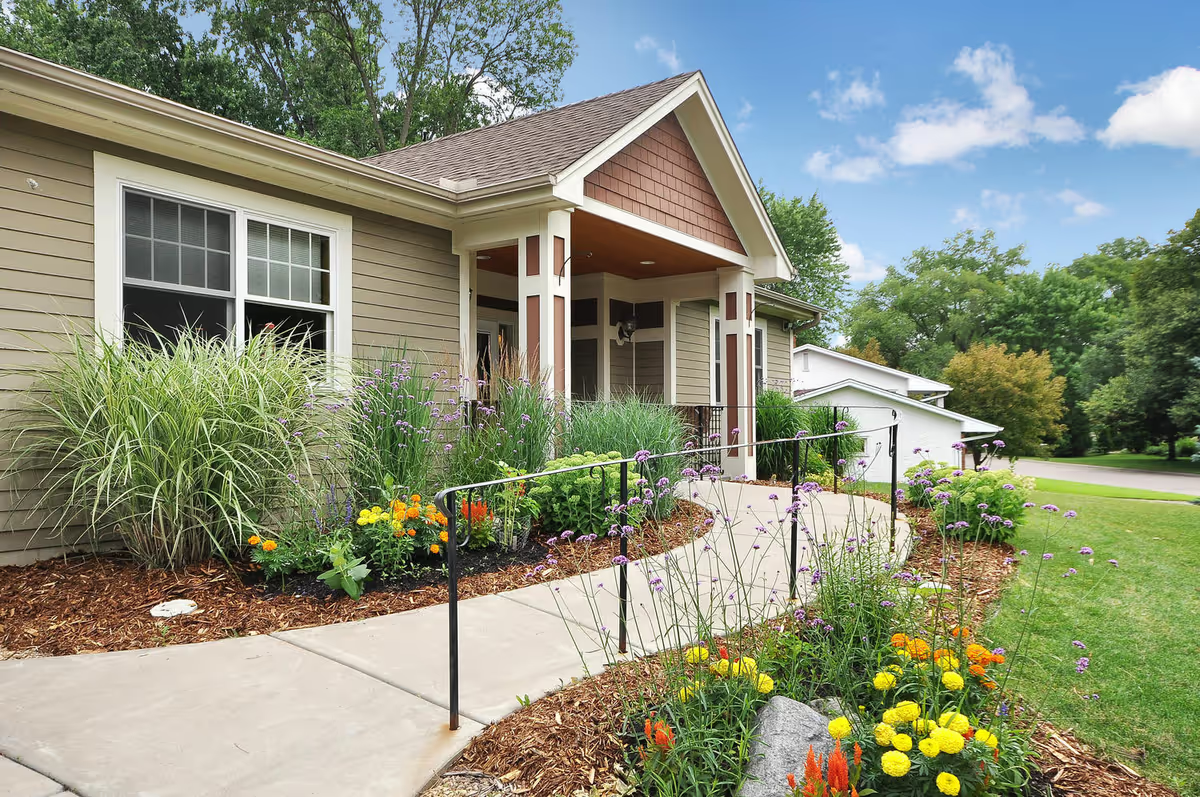
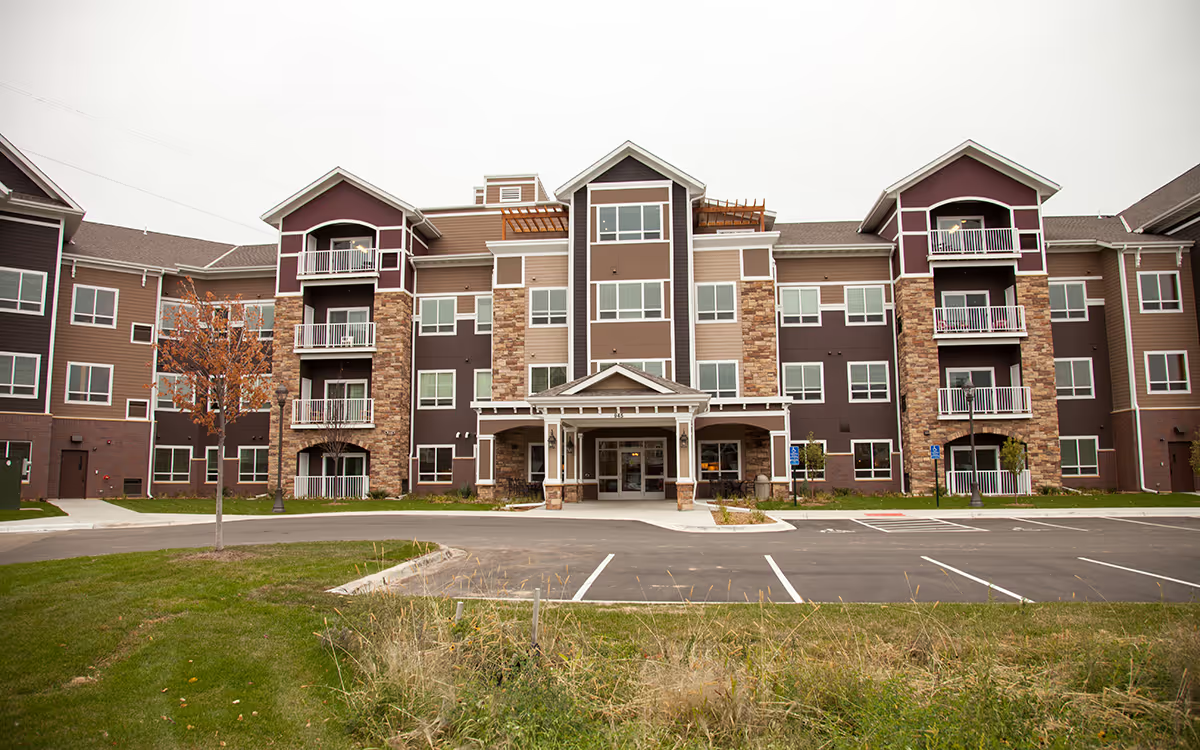
Facilities and amenities: The building and many common areas receive positive marks for modern design, cleanliness, and comfortable social spaces (including a welcoming main room with aquarium/fireplace). Suites and rooms range in size; many appreciate large, comfortable rooms, but some units are small and lack private restrooms. Housekeeping is often praised, though there are isolated sanitation concerns and episodes of misplaced personal items reported by families, indicating potential gaps in property and laundry management.
Management and operations: Feedback about administration is mixed. Several families describe a smooth move-in experience and proactive placement assistance; others describe weak communication, slow follow-up, and disorganization from management. Staffing challenges and perceptions of under-resourcing are recurrent themes tied to these management concerns. There are also comments indicating a need for stronger dementia/Alzheimer’s-specific training for some staff members.
Notable patterns and takeaways: The dominant pattern is a community that delivers strong, compassionate interpersonal care and has many attractive physical amenities, but that also shows variability in operational reliability — particularly around staffing consistency, medication practices, management responsiveness, and certain aspects of cleanliness and property handling. Prospective residents and families will likely benefit from direct questions during tours about staffing ratios, medication procedures, dementia-care expertise, linen/personal-item protocols, and meal-service options, and by asking to meet clinical leadership and view typical rooms at different times of day to assess consistency.