The reviews present a polarized picture of Victory Health + Rehabilitation Center: many families and residents describe strong clinical and rehabilitative strengths, while others describe operational failures that impact safety, hygiene, and trust. Care quality appears uneven. Several accounts praise the rehabilitation program and individual nurses and therapists for effective, compassionate care that supports recovery and independence. Concurrently, there are multiple descriptions of delayed responses to call lights, inconsistent medication administration, and concerns about wound care and infection-control practices. These patterns suggest variability in clinical oversight and adherence to protocols across shifts.
Staffing and staff conduct are mixed. Positive comments highlight committed clinicians, an engaged administrator, and helpful front-desk personnel. Social work and care-coordination receive favorable mention for advocacy and assistance with placements and resources. Conversely, families also describe episodes of poor communication, accusatory interactions when raising concerns, and instances where staff tone was experienced as disrespectful. Weekend coverage and supervision are specifically identified as weaker, which reviewers link to lapses in monitoring and care continuity.
Dining and activities: Many reviews note organized activities, community outings, and an active therapy schedule that contribute to resident engagement. Meals are described as generally balanced, with snack availability noted as a convenience. However, other reviewers describe inconsistent food quality and dining service interruptions, indicating variable dining experience depending on timing or unit.
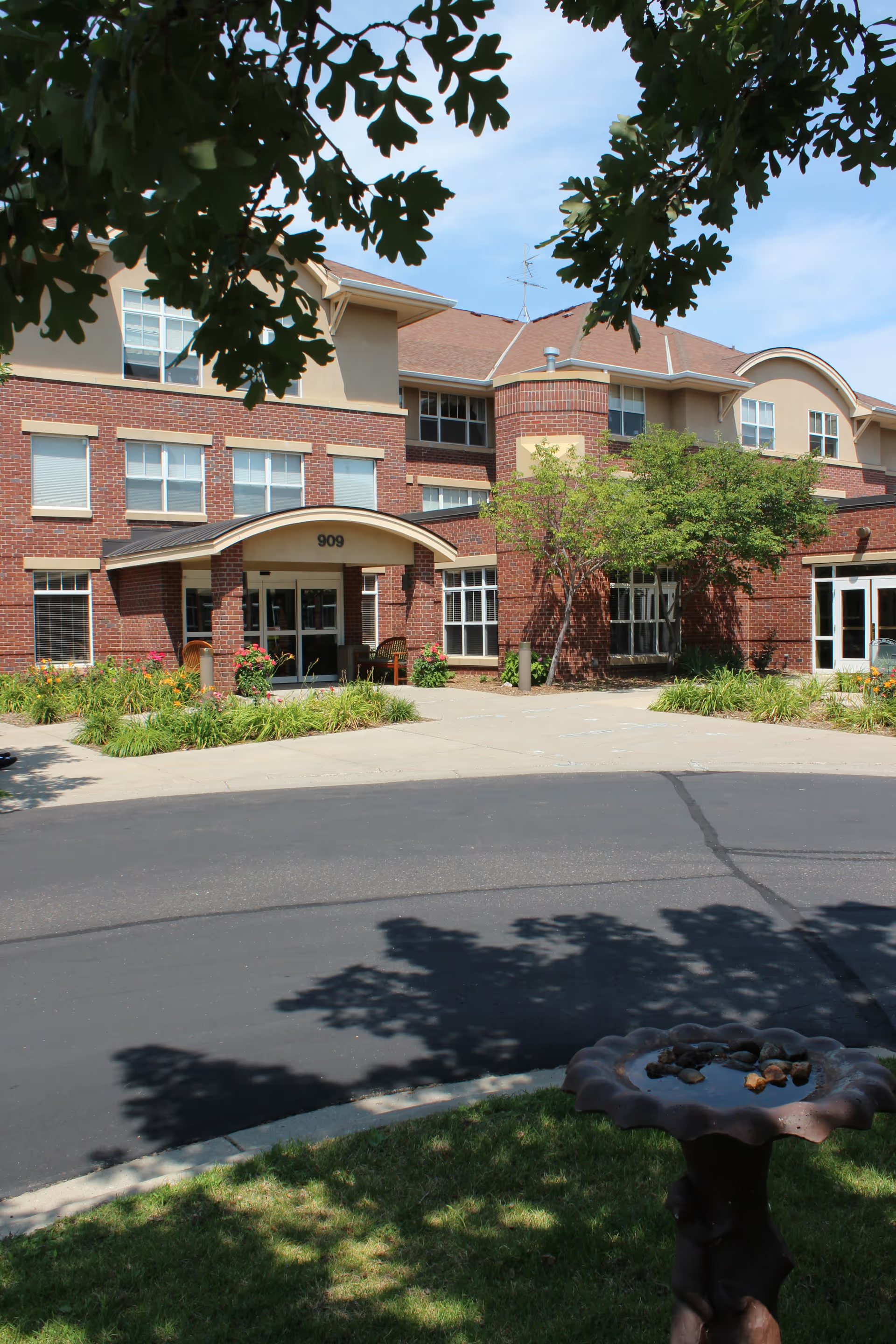
Facilities and environmental concerns: Positive remarks reference a pleasant outdoor area, clean front entry, and comfortable rooms with accessible showers. At the same time, substantive sanitation concerns recur in reviews — including odor issues, inconsistent housekeeping, and indications of pest-control problems — along with maintenance items such as mold-like staining in furnishings and dust accumulation. These environmental weaknesses affect perceived cleanliness and may present infection-control risks if not addressed systematically.
Management, safety, and notable patterns: Administrative strengths include visible leadership and helpful case management in some cases; however, systemic issues are highlighted around communication, transportation coordination, and financial handling. There are serious allegations concerning improper handling of resident funds that warrant attention and possible investigation. Safety-process weaknesses are also mentioned, including gaps that contributed to an unsupervised resident leaving the facility and other lapses in supervision. Taken together, the pattern is one of inconsistency: certain departments and shifts deliver high-quality, person-centered care, while others demonstrate operational and clinical vulnerabilities.
Implications for prospective residents and families: The facility shows clear capabilities in therapy, rehabilitation, and in some cases compassionate nursing care; these are strengths to weigh positively. At the same time, families should assess how the facility addresses the operational weaknesses noted above — particularly staffing consistency, infection-control protocols, medication-administration safeguards, environmental maintenance, transportation coordination, and financial safeguards. Visiting the unit, asking for current state inspection findings, inquiring about pest-control and housekeeping schedules, reviewing staffing plans for weekends and nights, and clarifying medication and wound-care oversight are recommended steps for anyone considering placement.