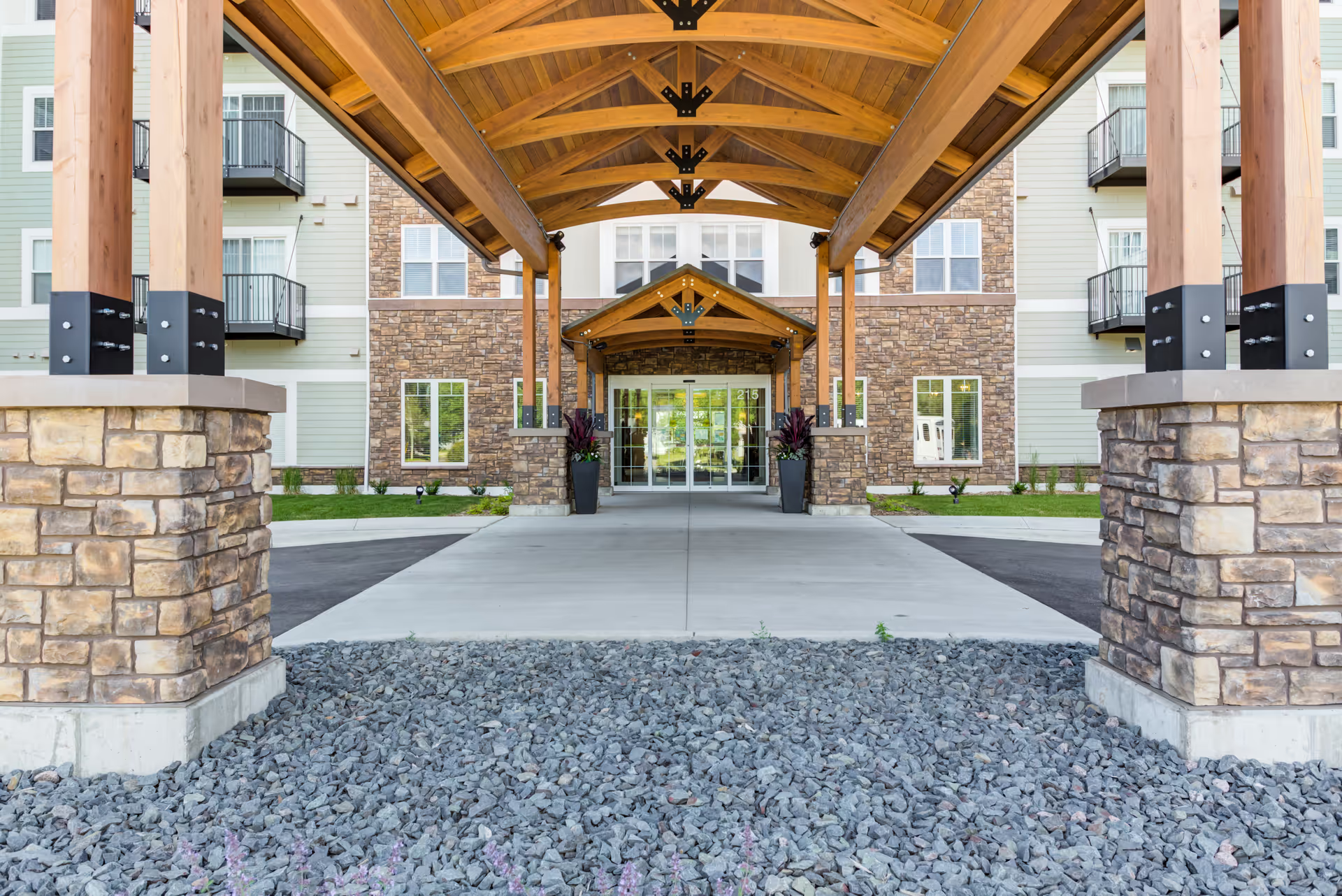
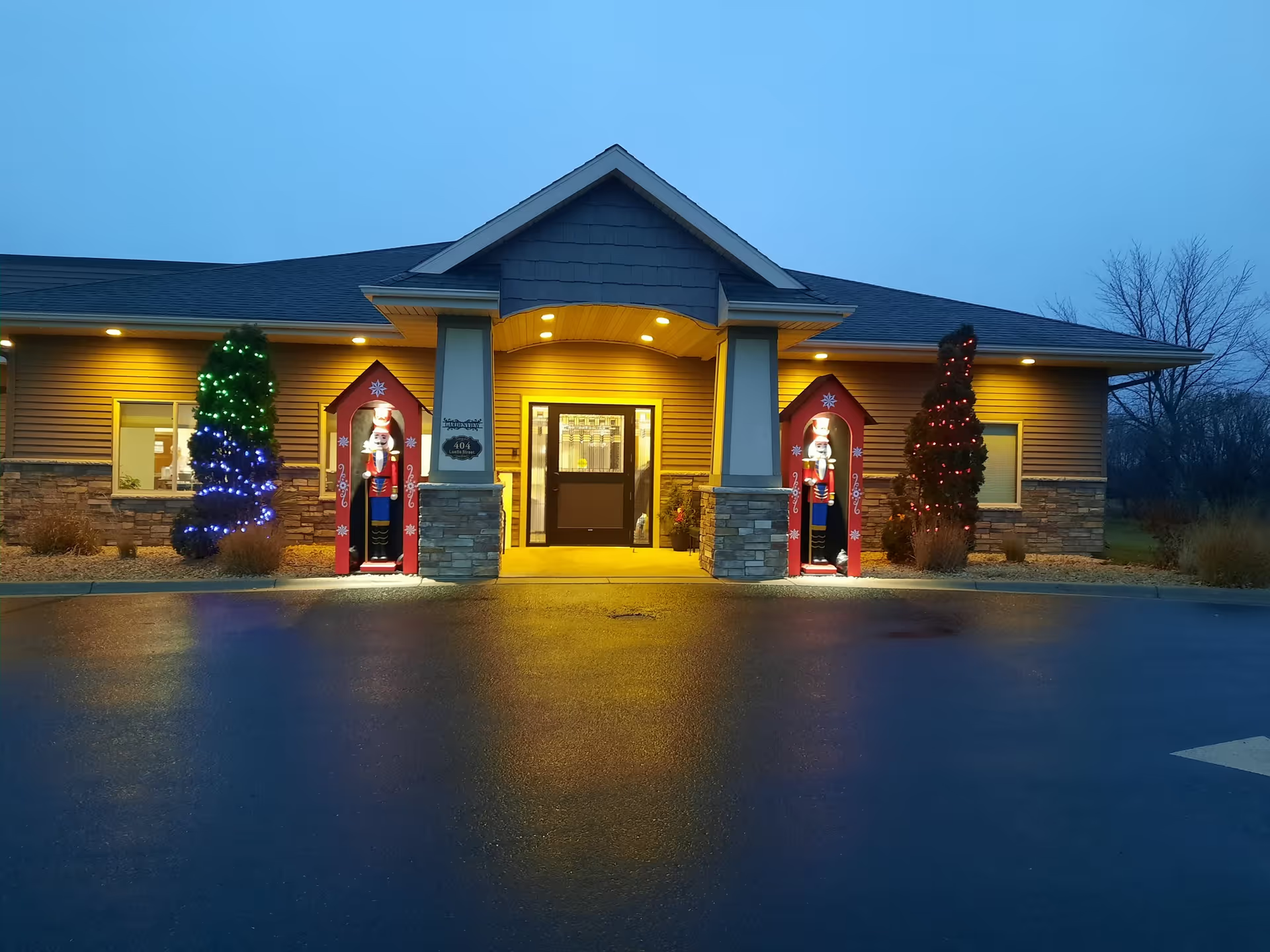
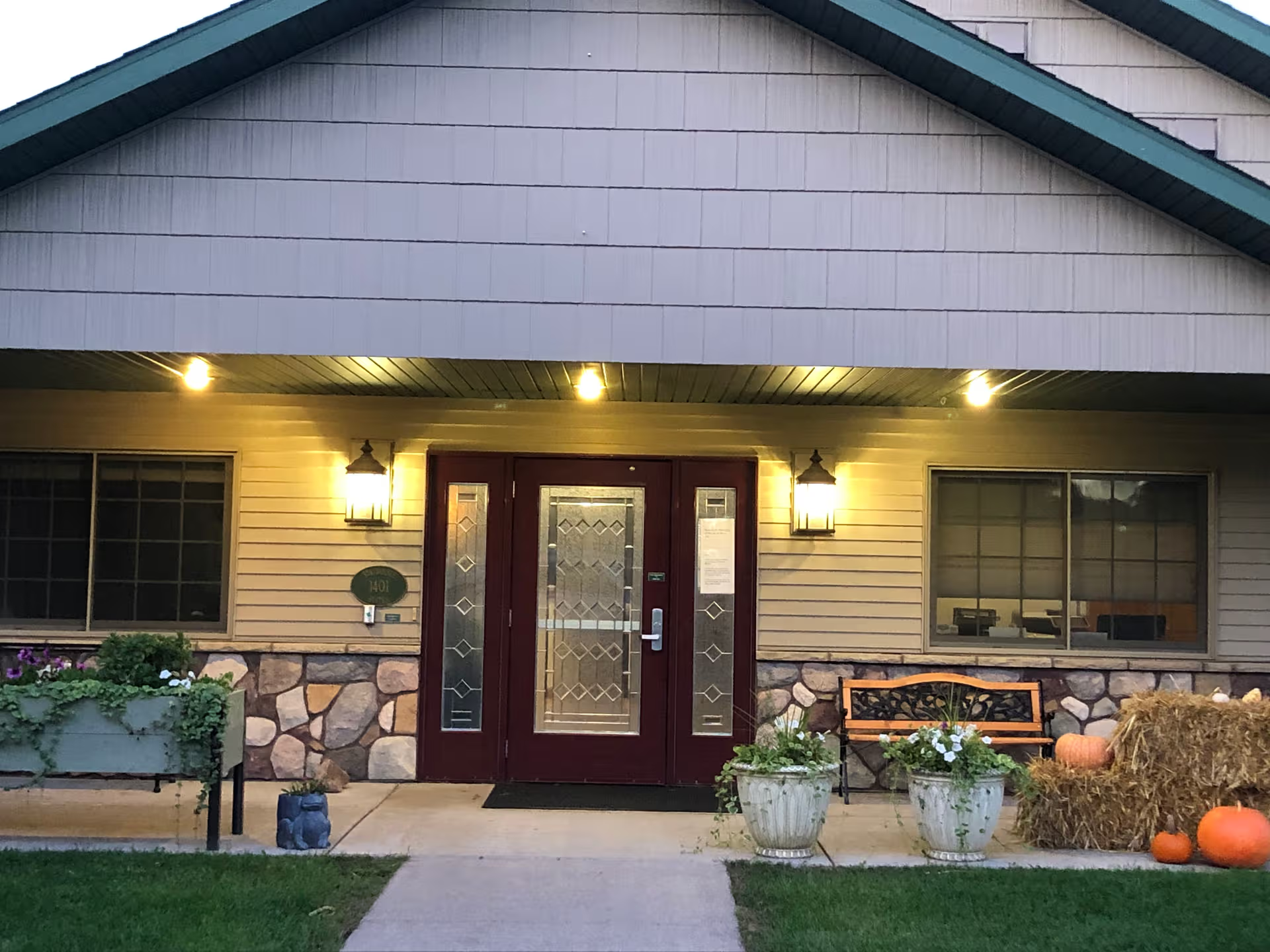
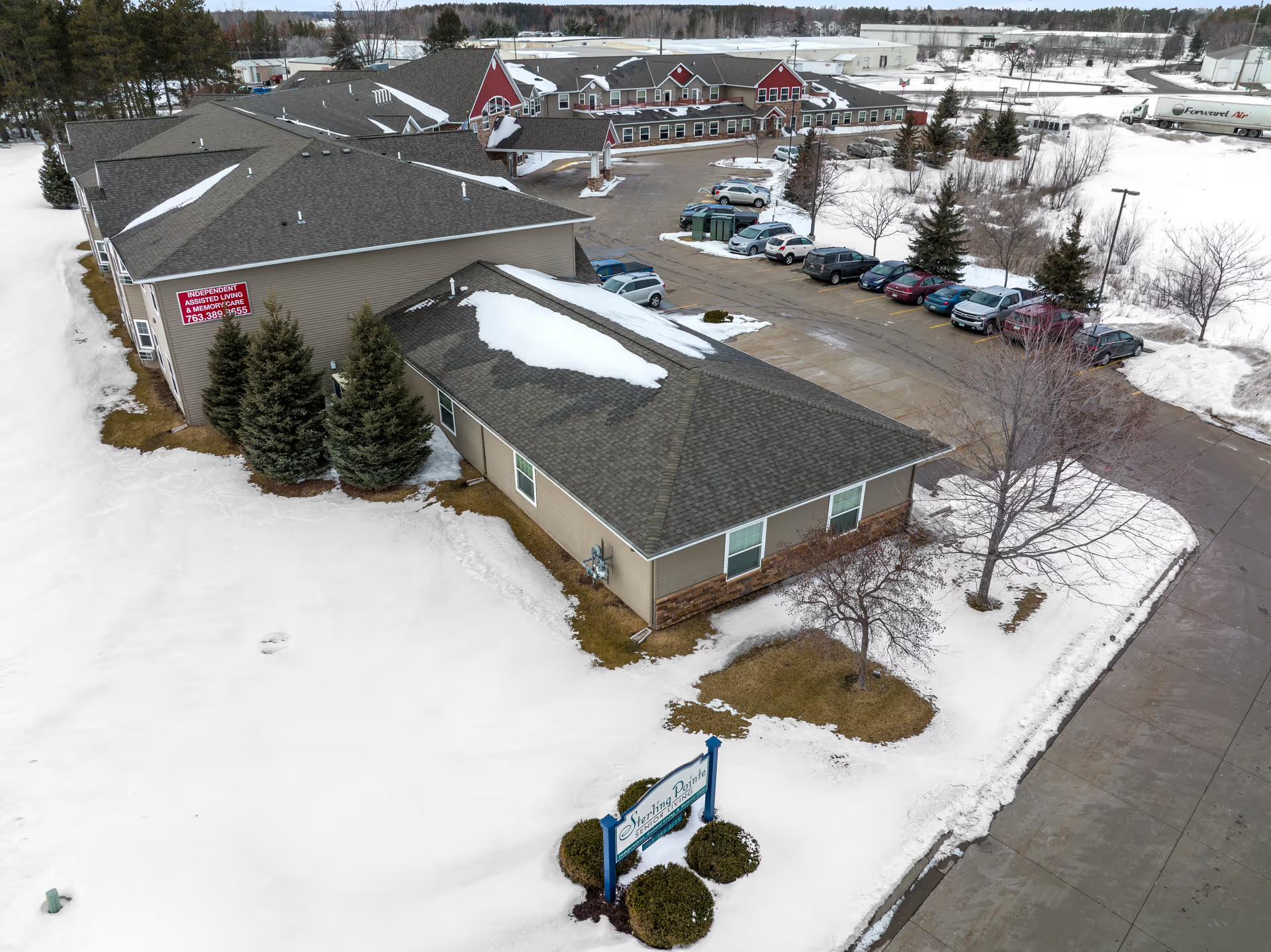
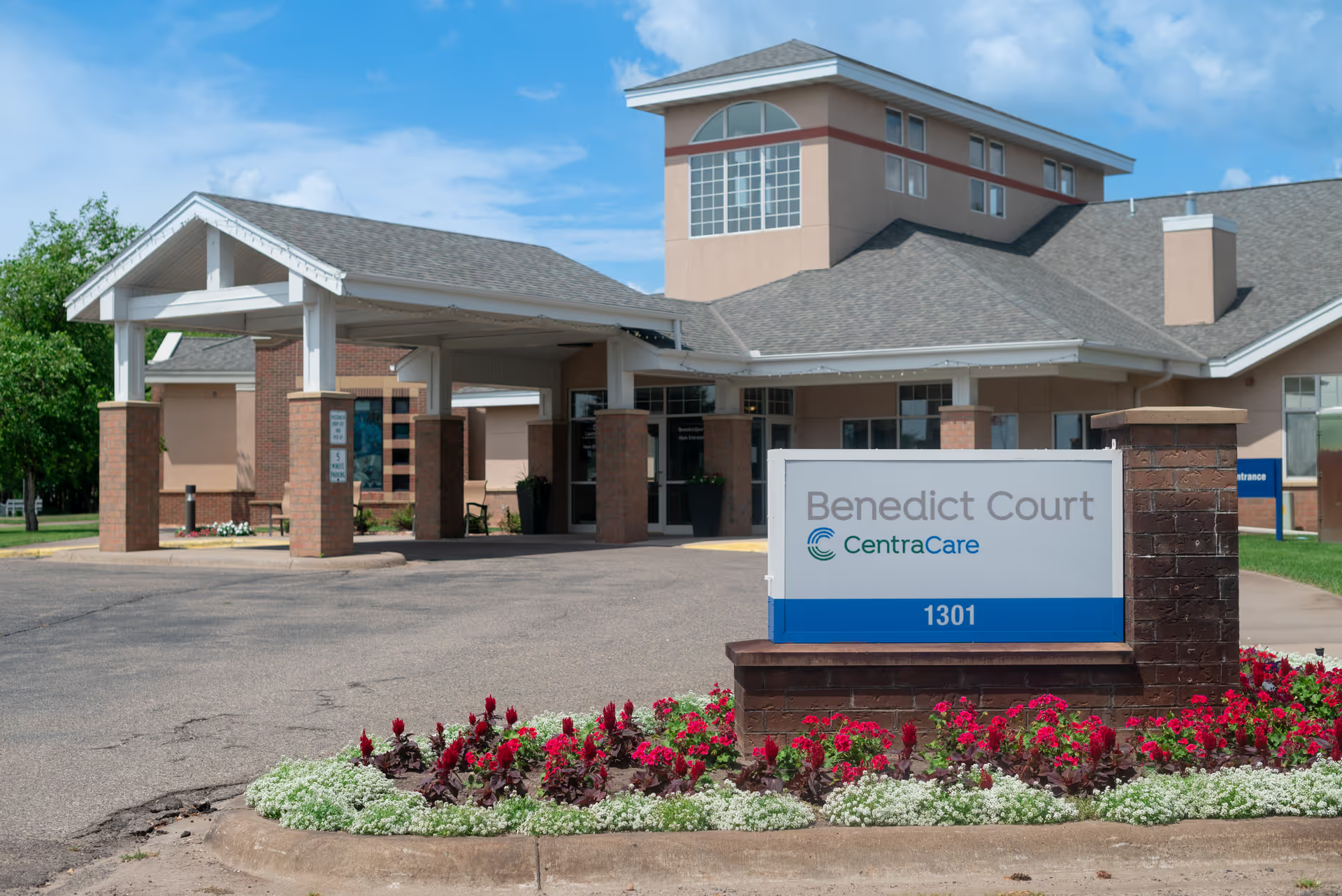
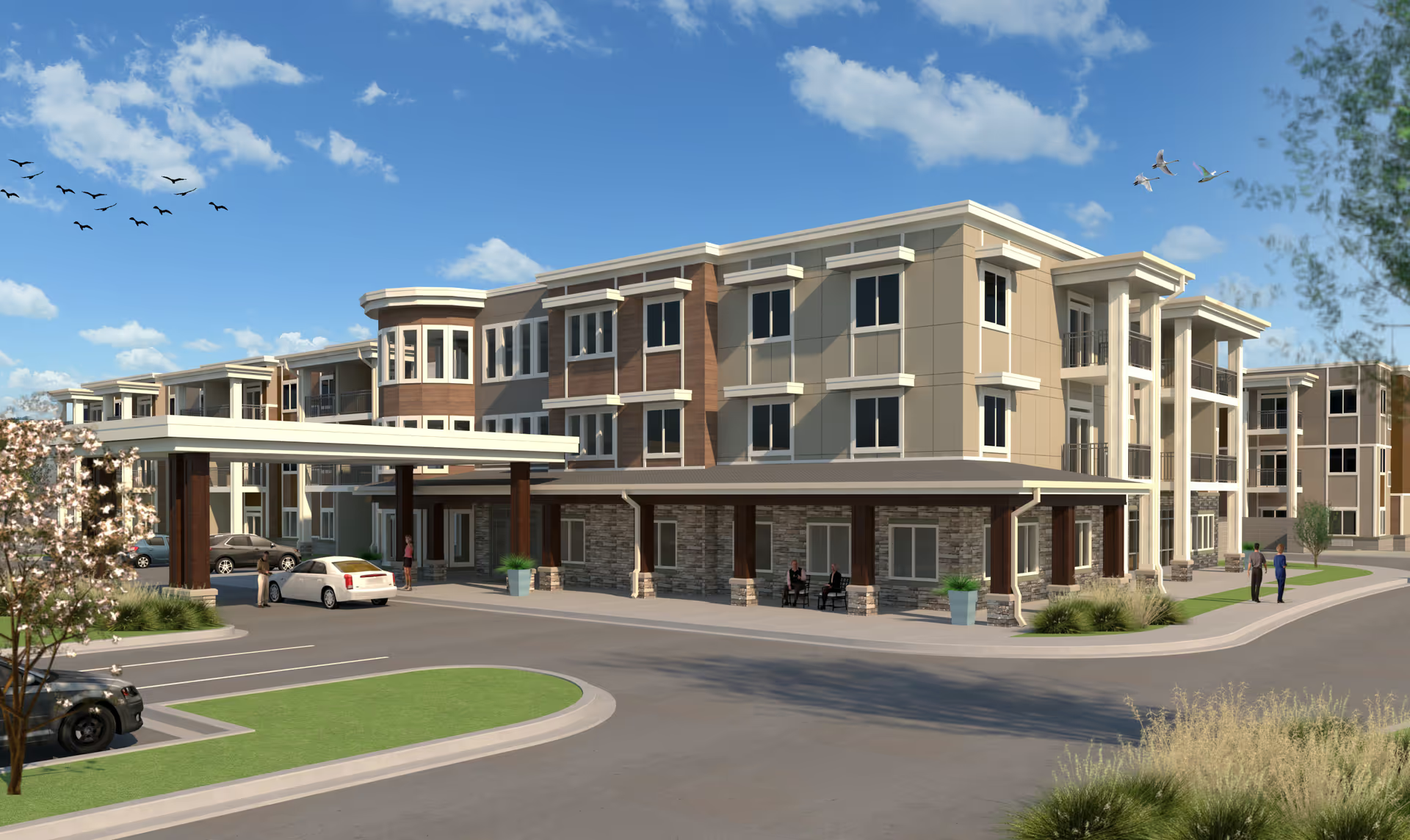
Country Manor Extended Service I presents a mixed but clear pattern of strengths and operational weaknesses. The campus and accommodations are frequently praised: reviewers highlight spacious, well-appointed apartments, clean interiors and attractive landscaped ponds, and a range of on-site conveniences such as an in-house restaurant, an on-campus pharmacy and country store, a chapel, and rehabilitation services. The community supports a robust activities program and multiple levels of care under one roof, and several accounts emphasize friendly, professional, and compassionate staff and good customer-service interactions.
Care quality assessments are variable. Many families commend the caregiving teams for professionalism and compassion, including positive experiences with night staff and certain nurses. Conversely, there are substantive concerns about clinical responsiveness and coordination for residents with more complex medical needs. These concerns include inconsistent medication administration and pain-management handling, delayed responses to clinical needs, and gaps in documentation or awareness of residents' medical histories. A small number of accounts describe serious clinical issues that families found significant; these underline the importance of confirming wound-care, transfer-safety, and medication protocols for prospective residents with high acuity.
Dining and daily-life services show a mixed picture. The on-site restaurant and campus dining receive favorable comments for convenience and atmosphere, yet some reviews cite repetitive or lower-quality meals in particular dining venues. The activity program is described as active and adaptable, and the community offers pet-friendly housing options and on-site rehabilitation, which can be attractive for residents seeking continuity of services.
Management and administration are frequent sources of concern. Reviewers identify opaque billing practices, notable extra charges, and care-plan structures that are perceived as confusing and expensive. Staffing turnover and organizational disorganization are reported to affect continuity of care and family communication. Some ancillary services and equipment, such as the laundry area, are described as dated and in need of updating.
For prospective residents and families: the facility offers strong amenities, a pleasant campus, and many staff who provide compassionate care, but experiences appear to vary by unit and by clinical need. Before moving forward, families should tour specific living areas, request copies of care-plan and billing examples, ask about staffing ratios and turnover, review medication and wound-care protocols, and clarify escalation and family-communication procedures so they can assess whether the facility’s operational practices align with the resident’s clinical and financial needs.