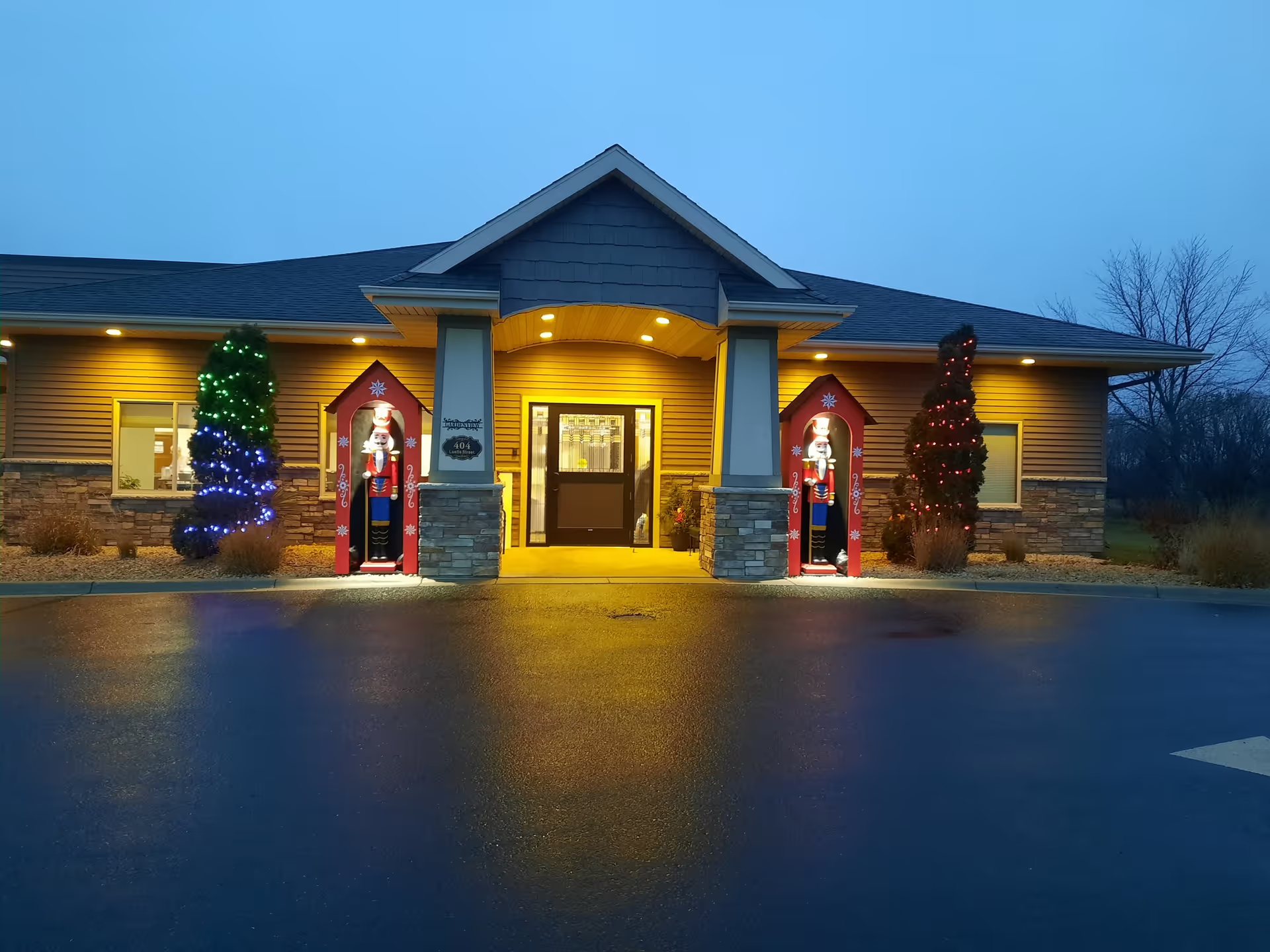
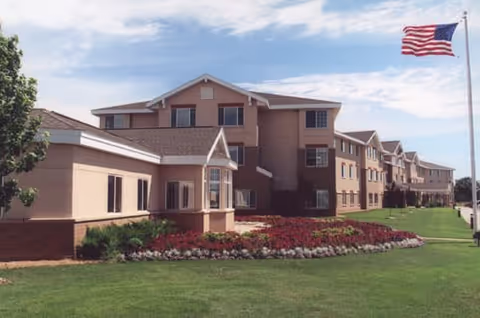
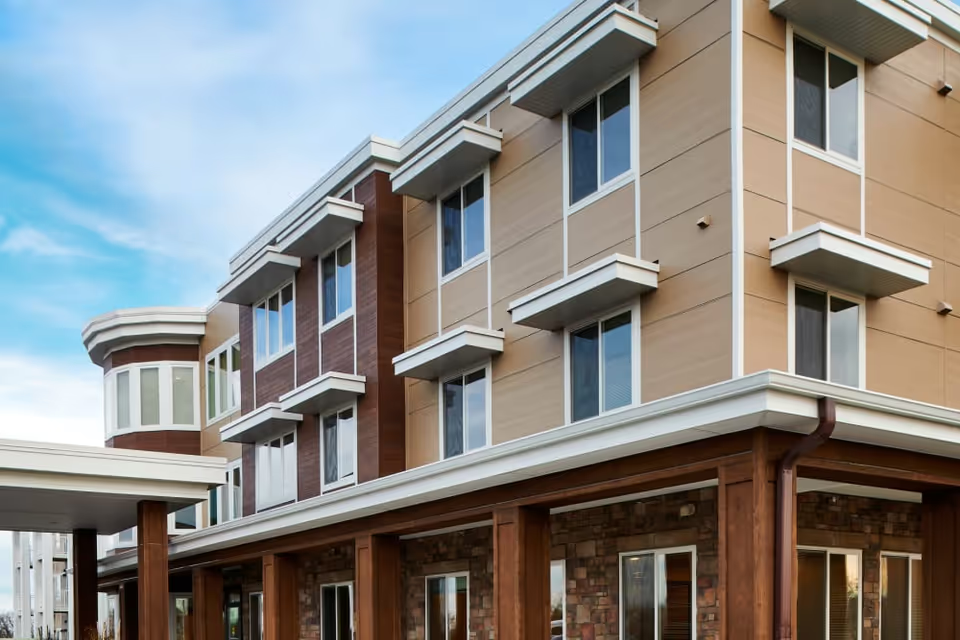
Good Shepherd Community elicits a broad range of experiences; many families and residents praise the staff, programming, and physical campus, while other accounts highlight operational inconsistencies that warrant careful inquiry during a tour. The facility's strengths include a visibly active social calendar, on-site therapy and rehabilitation services, spiritual programming, and a campus designed for mobility with spacious common areas and accessible layouts. Several comments emphasize compassionate, family-style caregiving and long-tenured staff in some units, as well as amenities such as a salon, theater, dining rooms, and transportation for shopping and outings.
Care and staffing are central themes with mixed impressions. Numerous reviews describe attentive, respectful caregivers who prioritize comfort and emotional support; therapy teams and rehab units receive specific praise for goal-focused care. At the same time, there are recurring operational concerns: inconsistent staff coverage, turnover among aides, and uneven responsiveness to call systems. Families should ask about typical staffing patterns, turnover rates, and escalation procedures, because some accounts point to delays in assistance for toileting and other time-sensitive needs and occasional concerns about communication tone and responsiveness.
Dining and nutrition are reported unevenly. Several residents and families compliment enjoyable meals and social dining, while others describe bland or processed offerings and limited variety, including snack quality complaints. Meal-service continuity and nutritional planning appear variable between units; prospective residents should request sample menus and discuss dietary-accommodation procedures and monitoring for special diets.
Activity programming is a clear strength in many areas of the community: scheduled events, bingo, music, live entertainment, religious services, and group outings are frequently mentioned and help create a lively social atmosphere. However, activity availability and variety appear to differ by unit—some memory-care or quieter units may have more limited or repetitive offerings, and not every resident experiences the same level of engagement. Ask for an activities calendar specific to the unit you are considering and for examples of dementia-appropriate programming if relevant.
The physical facility receives largely positive comments for cleanliness, spaciousness, and mobility-friendly design. Memory-care and nursing connections are noted as useful for residents who may need higher levels of care. That said, a subset of reviews cites occasional sanitation or cleanliness concerns in parts of the campus and limitations in hygiene-service availability (for example, shower scheduling). There are also mentions of separate charges for certain nursing services, including medication administration; clarify which services are included in the monthly fee and which incur additional costs.
Management and value perceptions are mixed. Many families describe attentive, respectful leadership and staff who create a home-like environment. Conversely, others raise concerns about inconsistent communication, uneven management responsiveness, and perceived value for the monthly price. A few accounts reference serious clinical-safety and oversight issues; while these appear to be isolated in the body of feedback, they suggest that prospective families should review recent inspection reports, ask about incident reporting and resolution processes, and seek clear written policies on staffing, hygiene services, and extra fees before deciding.
Overall, Good Shepherd Community offers substantial amenities, therapy services, and an active social environment with many caregivers who are described as compassionate. Those considering the community should verify current staffing levels, fee structures, dining menus, hygiene-service schedules, and unit-specific activity programming to ensure the campus aligns with the prospective resident's medical, social, and budgetary needs.