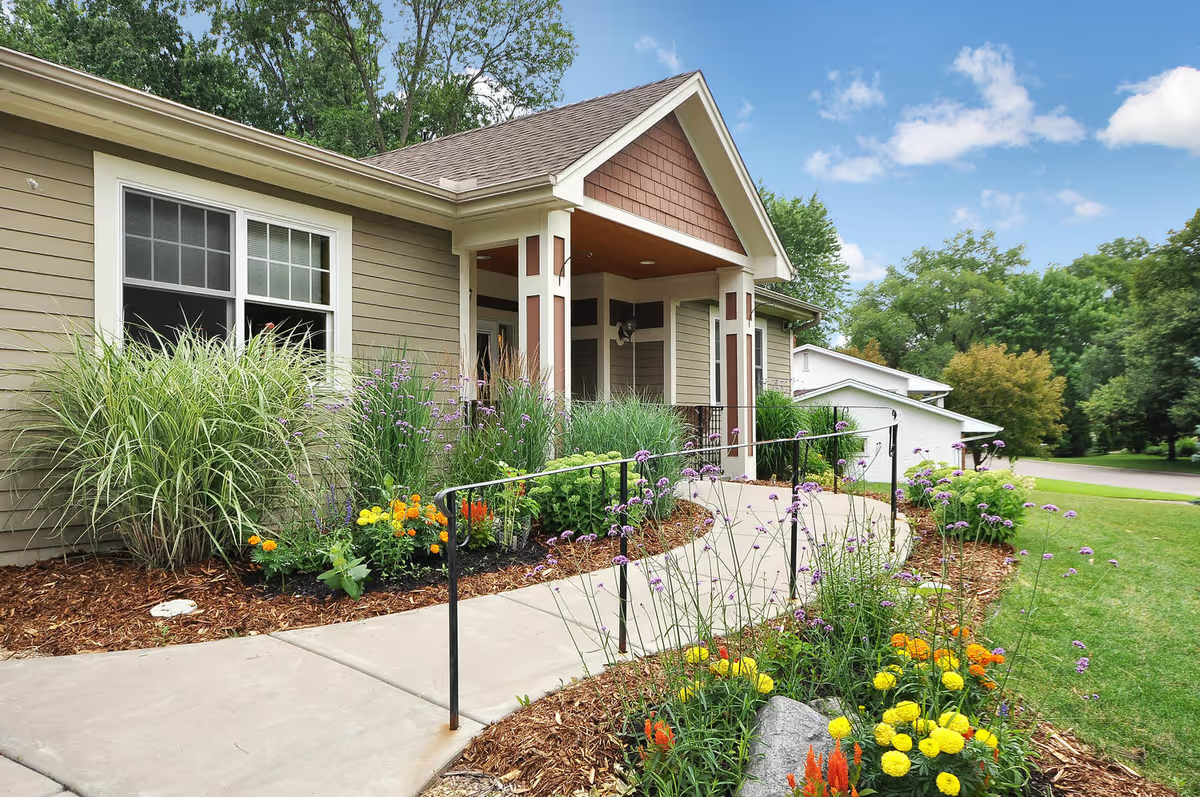
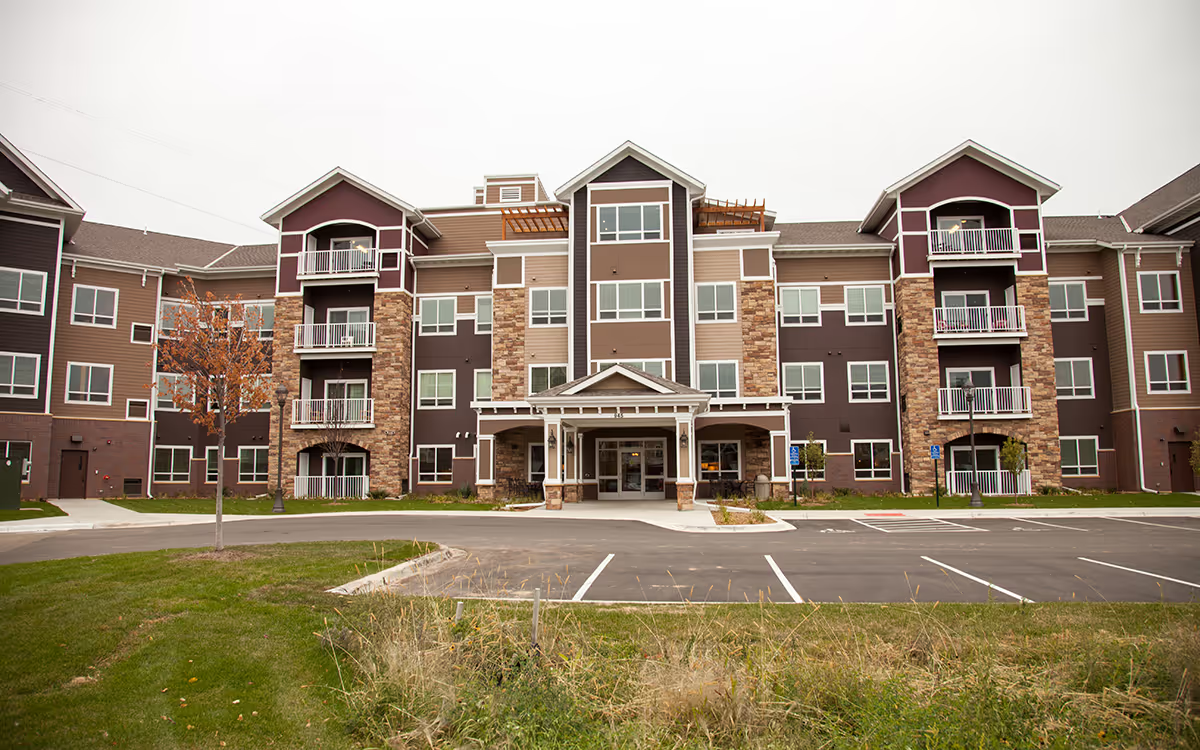
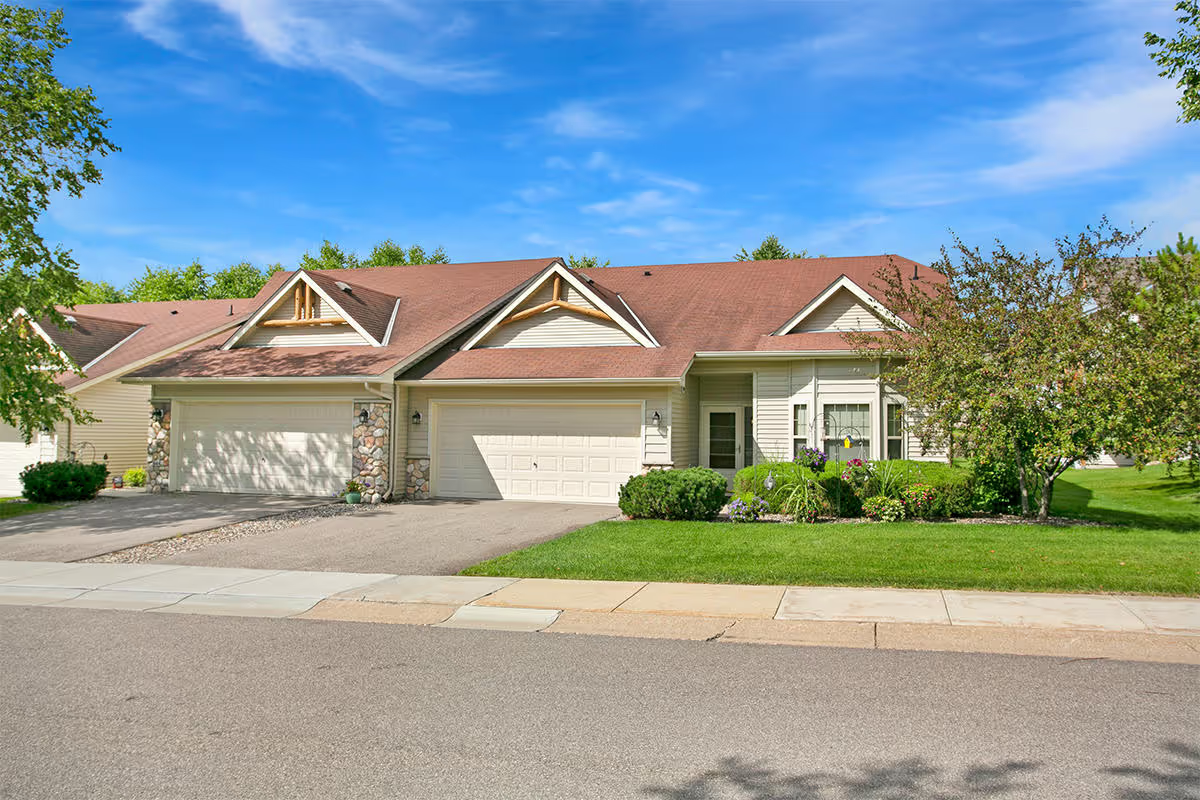
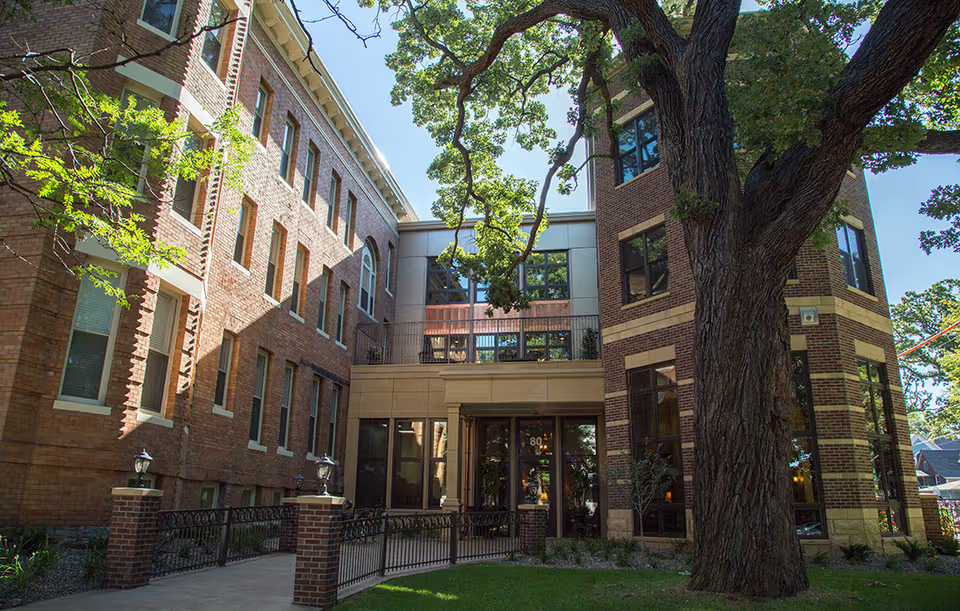
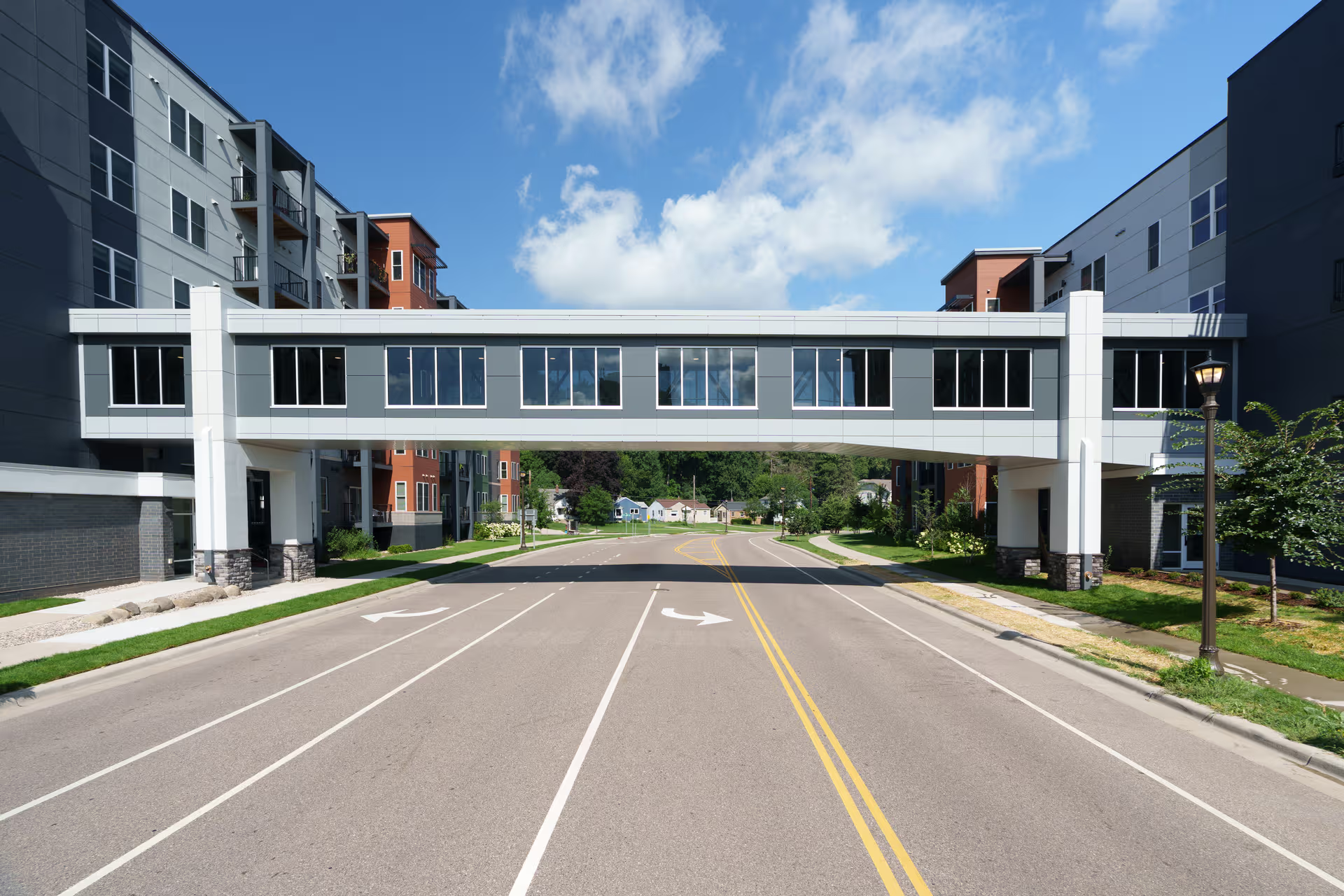
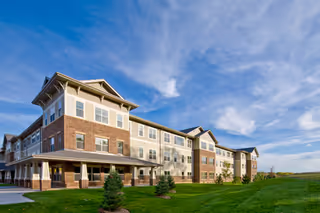
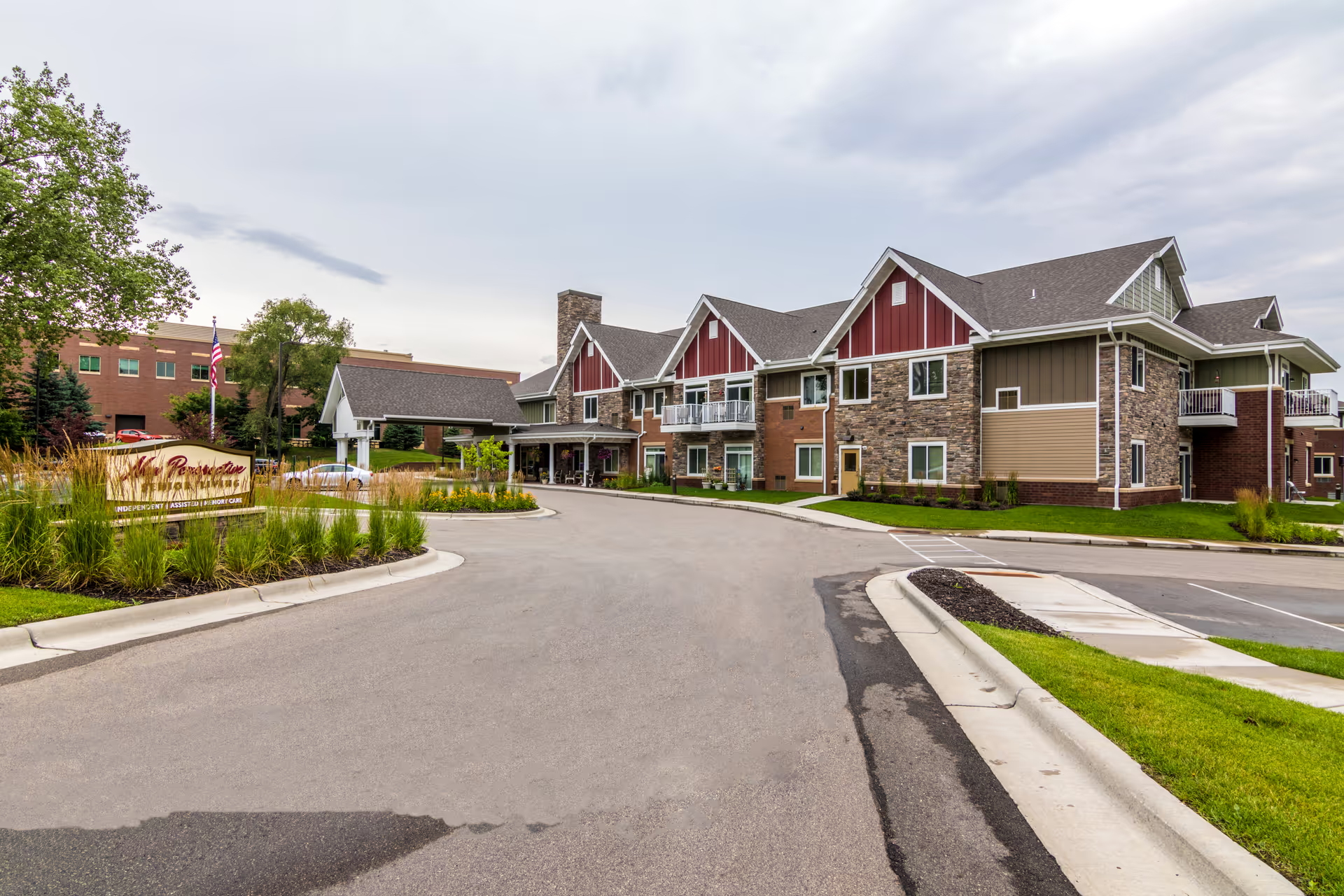
Brookdale West St. Paul presents as a small, home-like assisted living community with several clear strengths. Many accounts emphasize compassionate, personable caregivers and a memory-care program (Clare Bridge) that families found effective. The community is noted for attractive, well-maintained grounds, bright private apartments with large windows, one-level layouts that are easy to navigate, and on-site amenities such as a salon/barbershop, laundry service, and a visible kitchen where a chef engages with residents. Several reviews highlight individualized care plans, flexible move-in options, and pet-friendly policies as conveniences valued by families.
Care and staff quality are described in mixed but notably positive terms: numerous families reported attentive one-on-one interactions, effective memory-care approaches, and clinical responsiveness when staff and physicians collaborated on medication adjustments. At the same time, a recurrent operational pattern is inconsistent staffing — including reliance on agency staff and high turnover — which reviewers connect to rushed care, scheduling gaps, and uneven clinical presence. This contributes to variability in routine care processes such as personal grooming schedules, medication oversight, and timely family communication.
Dining and hospitality receive both praise and criticism. The on-site kitchen and chef are strengths; meals are described as tailored to dietary needs, with access to a dietitian and biweekly menu rotation in some accounts. However, multiple reviewers noted inconsistent meal quality, limited menu variety at times, and concerns about food-handling and infection-control practices in the kitchen. Housekeeping and sanitation practices also vary across reports: some families describe immaculate common areas and rooms, while others describe infrequent cleaning, sanitation concerns, and isolated pest-control issues.
Activities and resident engagement are available but uneven. The facility offers outings, music and memory activities, religious services, and exercise classes; many reviewers appreciated the activity programming and small-group engagement. Several accounts, however, indicate that programming has diminished at times (for example after staffing changes or a director departure), leaving some residents with limited daytime engagement and potential isolation.
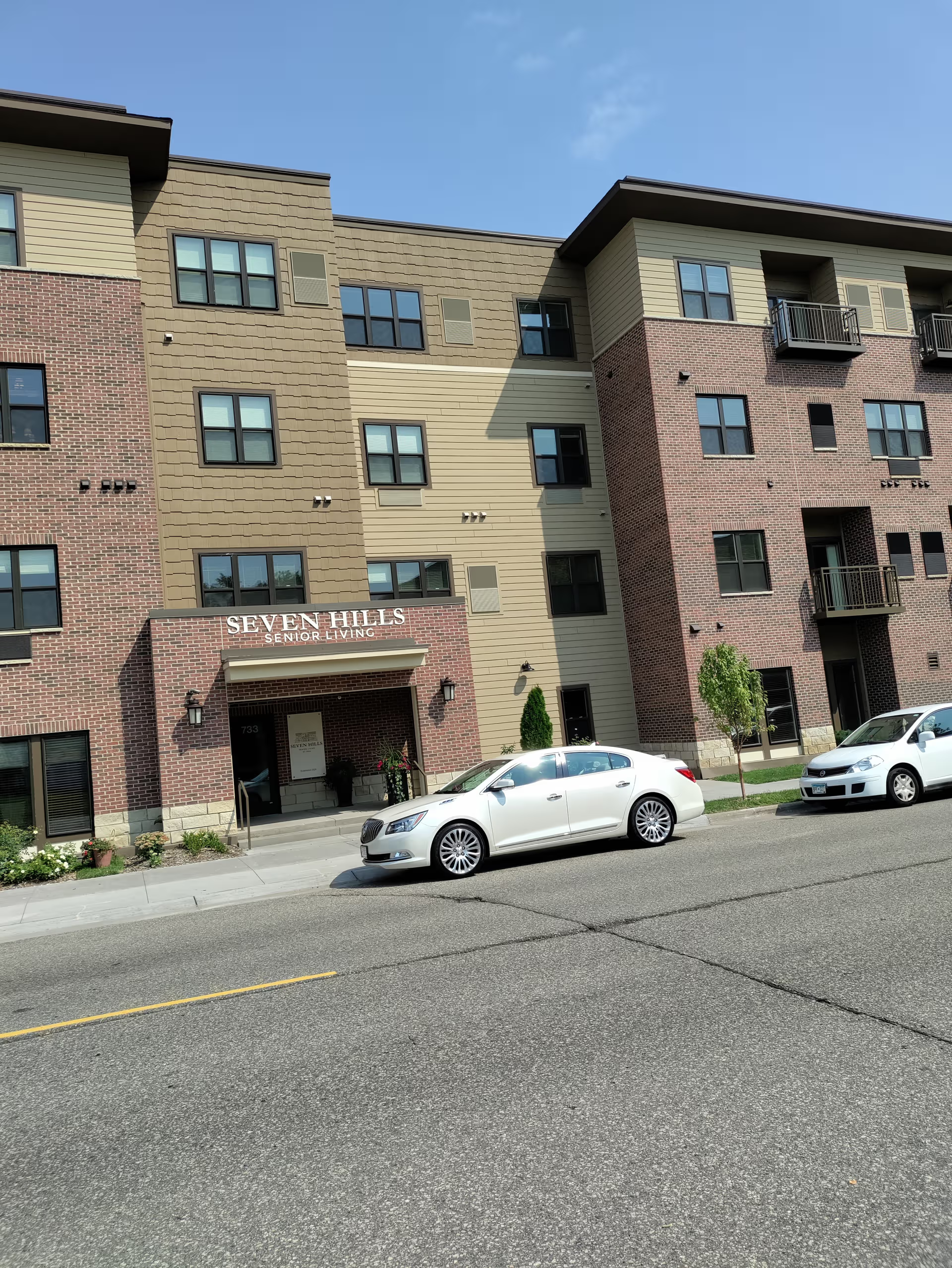
Facilities are generally described as tidy and appealing on the exterior and in many interiors, but reviewers note that some units are older or in need of maintenance (leaky windows/baseboard issues, dated finishes). Accessibility is an asset for residents who benefit from single-floor layouts, while a few families cited challenges for residents with visual impairment and limited group transportation options.
Management and administrative practices show variability. Positive experiences cite helpful tour staff and responsive local leadership. Negative patterns include billing and financial-administration errors, scheduling problems, and gaps in incident reporting and family notification. There are also serious individual claims that families should clarify with management and regulators; for example, there are allegations of financial misconduct and concerns following a resident's death that would merit independent verification. Prospective families should ask for clear copies of incident reports, current staffing ratios, recent inspection results, and documented policies for infection control, food handling, incident communication, and billing reconciliation.
Bottom line: Brookdale West St. Paul offers many attributes families seek in a smaller, memory-capable community — personable staff, a home-like setting, on-site dining, and active memory-care programming. However, persistent operational issues (staffing variability, inconsistent housekeeping and dining quality, administrative and billing problems, and some maintenance and safety-practice gaps) produce uneven experiences. Prospective residents should prioritize direct questions about staffing ratios and turnover, nursing coverage, incident-reporting procedures, meal preparation practices, activity schedules, and recent maintenance or pest-control actions before deciding.