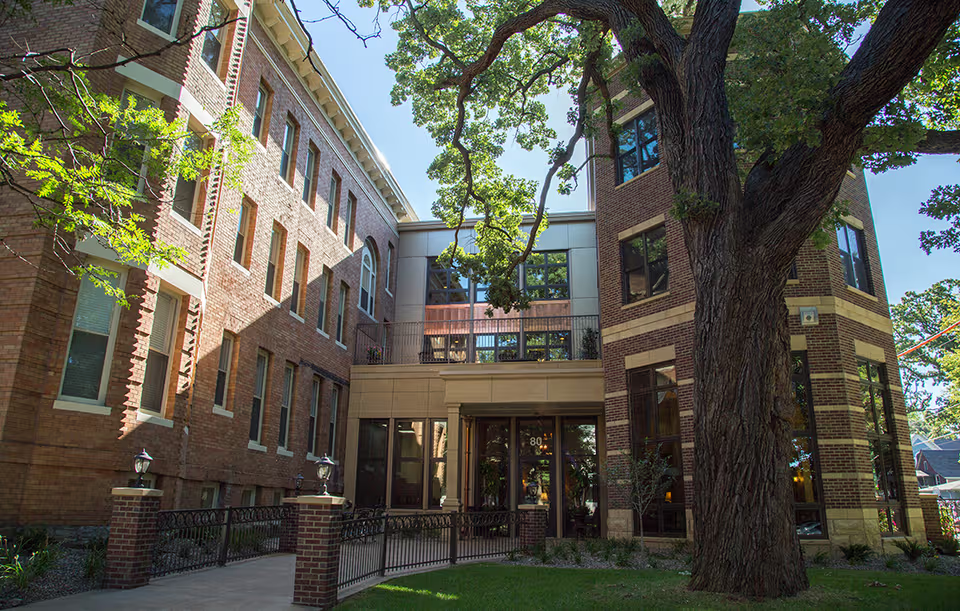
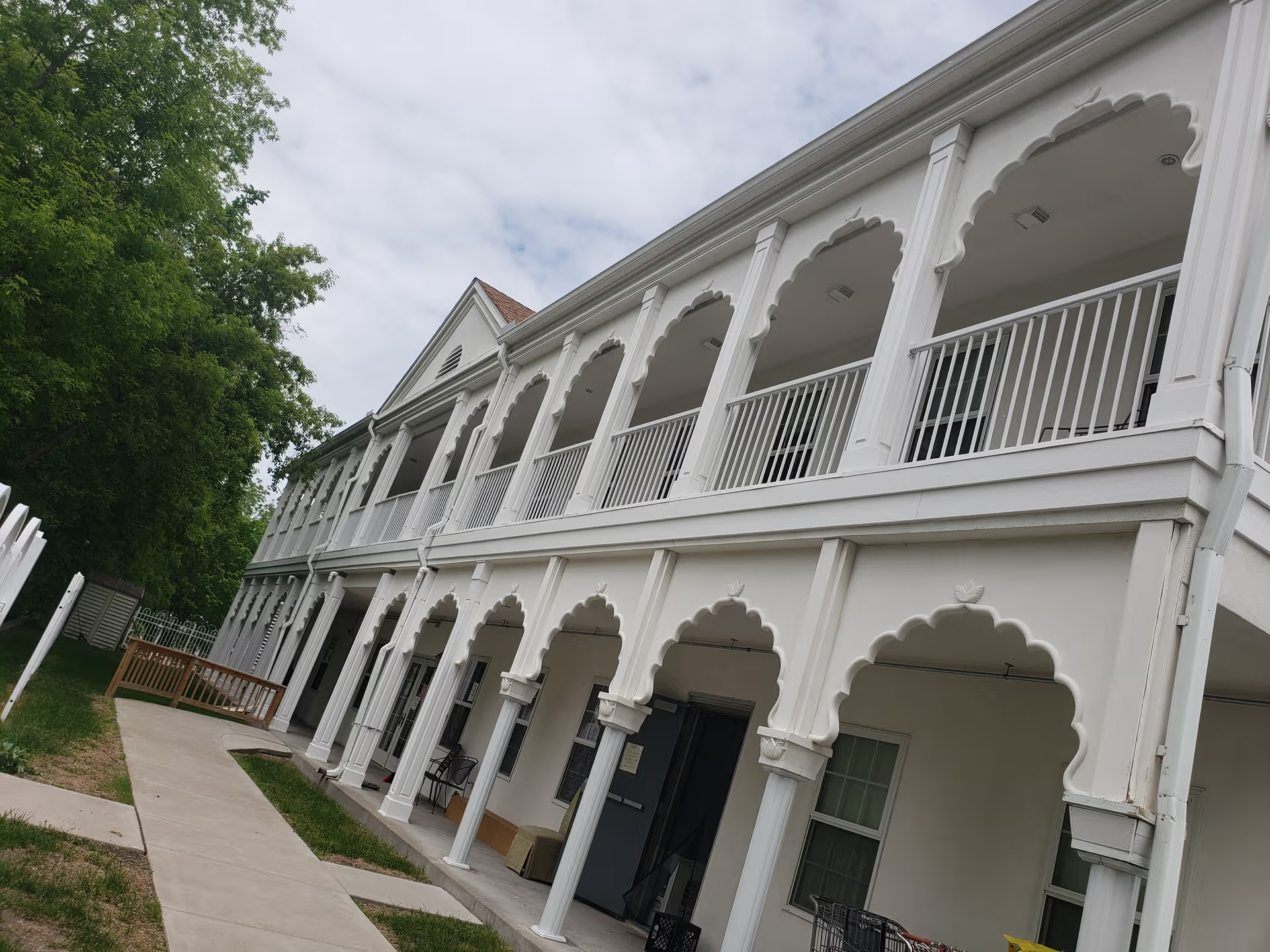
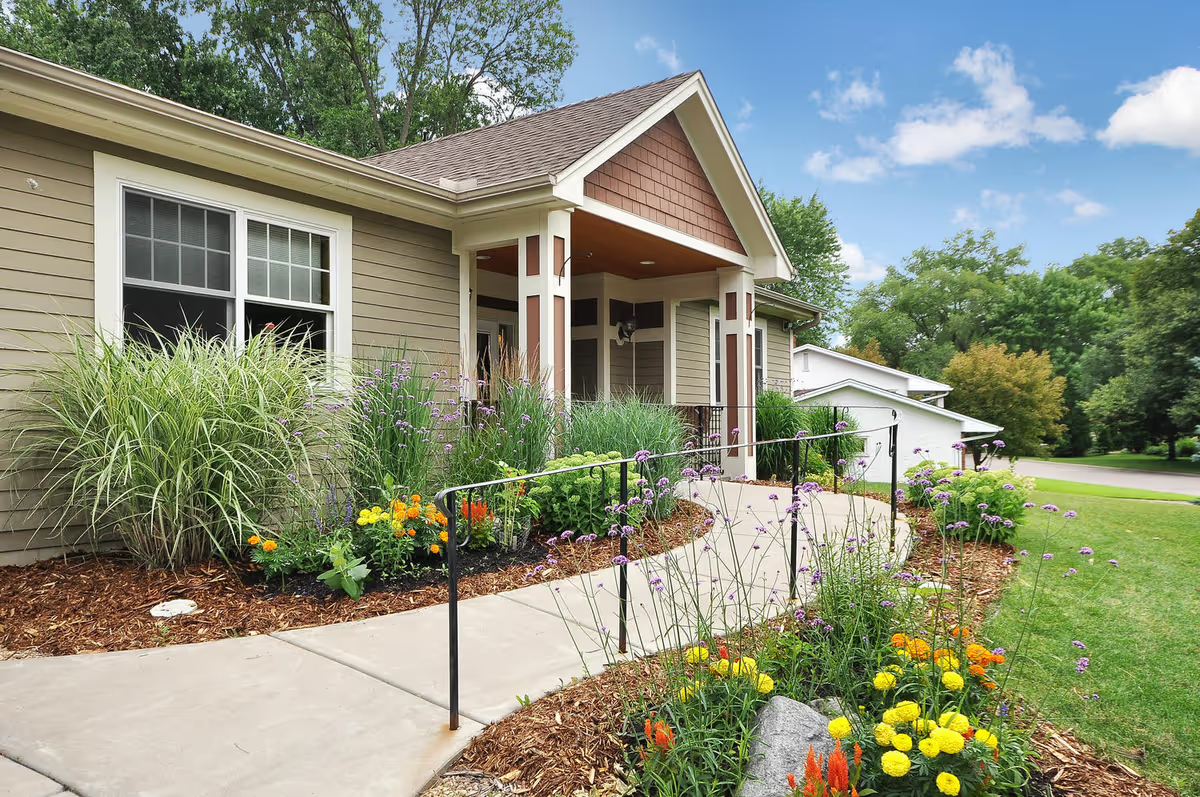
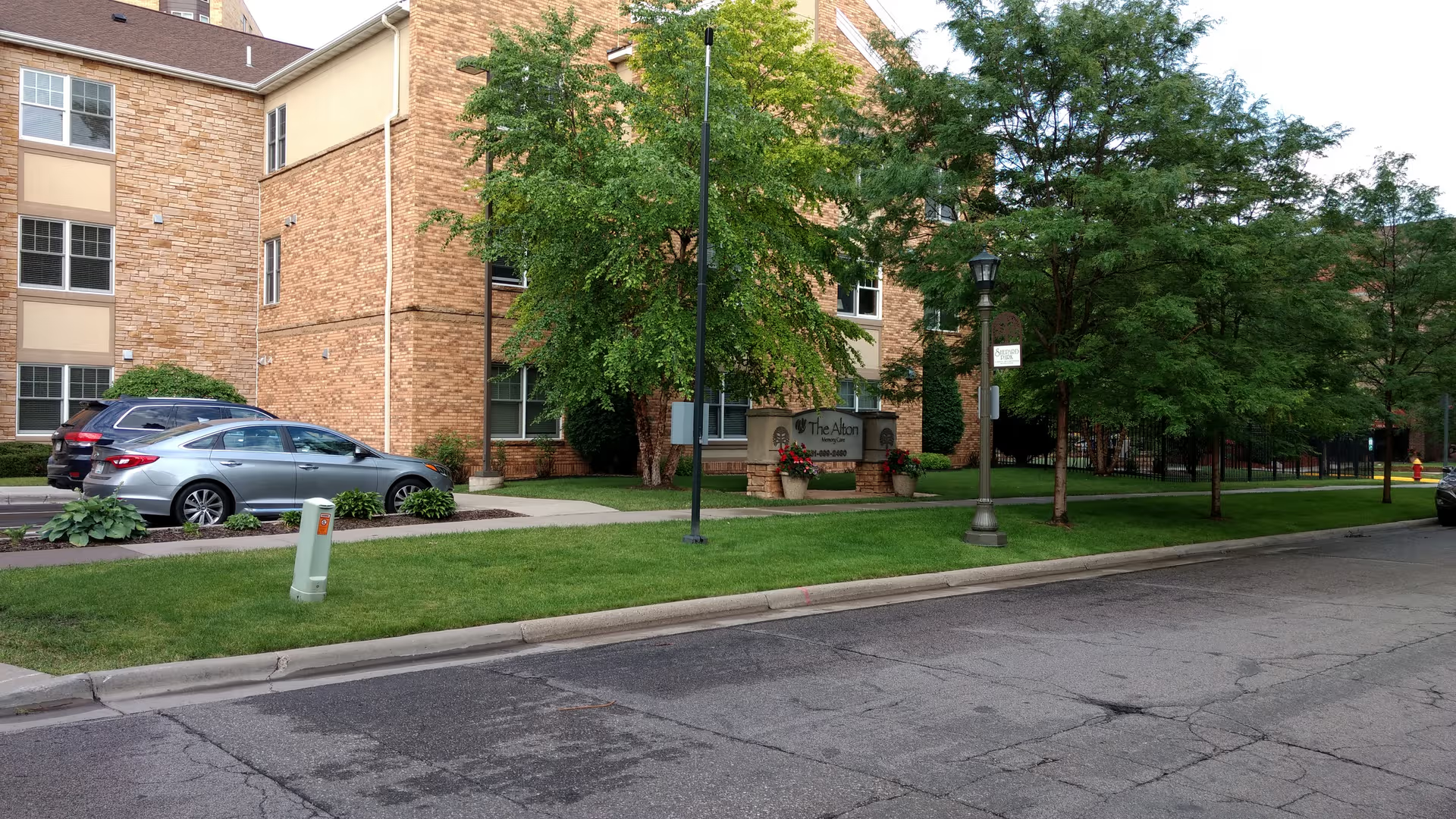
Cerenity Residence on Humboldt elicits a strongly mixed picture in reviews. Positive commentary centers on an attractive physical environment and active community life: reviewers describe well-maintained grounds, a large bright lobby, chapel and regular spiritual services, transportation options, and on-site amenities such as a salon. Common areas and public spaces are frequently characterized as clean and welcoming. There is also consistent praise for the facility's rehabilitation services and many therapy staff, which are cited as helping residents regain function and confidence.
Clinical care receives both commendation and concern. Numerous accounts praise nursing staff, aides, therapists, and specific staff members for being attentive, knowledgeable, and compassionate; families noted helpful care transitions and assistance with benefits navigation. At the same time, a subset of reviewers raised serious clinical-safety issues — specifically concerns about medication management, exposed medical items, and other safety shortcuts — and described inconsistent responsiveness during urgent situations. These accounts indicate variability in clinical controls and point to the need for stronger, consistently applied medication and safety protocols.
Dining and housekeeping show similar divergence. Many residents appreciate varied meal choices, flexible dining (dine-in and take-out), and a pleasant dining room; some units offer in-room microwaves and mini-fridges, which residents value. Conversely, others cite declining food quality, difficulty meeting special dietary needs (for example, dialysis diets), and inconsistent housekeeping or sanitation standards in resident rooms, bathrooms, and back-of-house areas. In short, dining execution and sanitation practices appear uneven across the facility.
Activity programming and life-enrichment are frequently highlighted as strengths, with music therapy, walks, games, and religious services contributing to an engaged community. However, several reviews note gaps in activity staffing and occasional limitations in programming coverage; the facility has been described as still recruiting for some activity roles. Maintenance and infrastructure present another split: while public areas are often well kept, reviewers report deferred maintenance within some resident rooms, broken furniture, and ad hoc repairs in resident areas, suggesting that public-space upkeep may outpace unit-level maintenance.
Management and operational patterns are mixed. Multiple accounts point to positive leadership changes and improved communication under recent management, which corresponded with observable improvements in care and amenities. At the same time, reviewers describe variability in admissions decisions, occasional unprofessional conduct from specific staff or managers, and ongoing turnover or inconsistency in leadership that affects day-to-day reliability. There are also concerns about family communication during emergencies and an uneven experience during intake and placement processes.
Overall, Cerenity Residence on Humboldt appears to offer many genuine strengths — engaged therapy services, a welcoming communal environment, spiritual supports, and caring staff members — but also shows operational gaps that can materially affect resident experience. Prospective residents and families should verify current staffing levels, housekeeping and infection-control practices, medication-safety protocols, dietary accommodations, and the status of recent management improvements during a tour and through direct conversations with administrative leadership. Visiting at different times of day (including mealtimes and activity periods) and speaking with current families can help assess whether the facility’s strengths are consistent and whether reported weaknesses have been addressed.