The reviews present a mixed but distinctive profile: Shaller Family Sholom East Campus is consistently praised for its warm, friendly front-line staff and a robust activity program, while notable operational and clinical inconsistencies appear across a subset of accounts. Many families described compassionate caregivers, an inviting social environment, accessible therapy services (including PT/OT and pool therapy), and amenities such as made-to-order breakfast, housekeeping, laundry, and river-view apartments. The facility’s cleanliness, modern appearance, and available transitional- and hospice-care supports are also commonly cited as strengths.
At the same time, several recurring operational issues emerge. The most serious pattern relates to medication and symptom management: reviewers describe delays or inconsistencies in administering prescribed pain medication and other medications, which points to a need for stronger medication-administration protocols and oversight. Nursing responsiveness is another theme — delayed call responses and slow assistance requests create concern about clinical reliability and timely personal-care support. Relatedly, there are reports that therapy appointments are not always kept and that family communications (phone calls, messages) are not reliably returned, indicating gaps in scheduling, care coordination, and customer service processes.
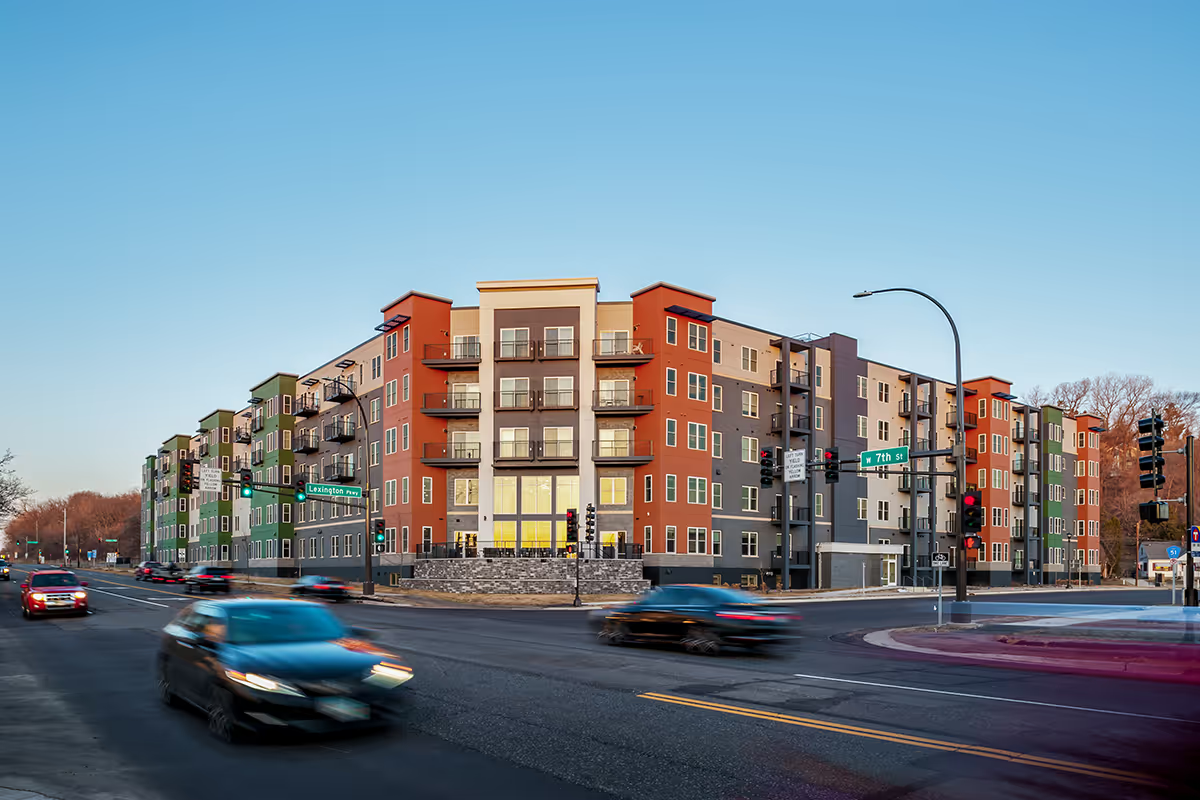
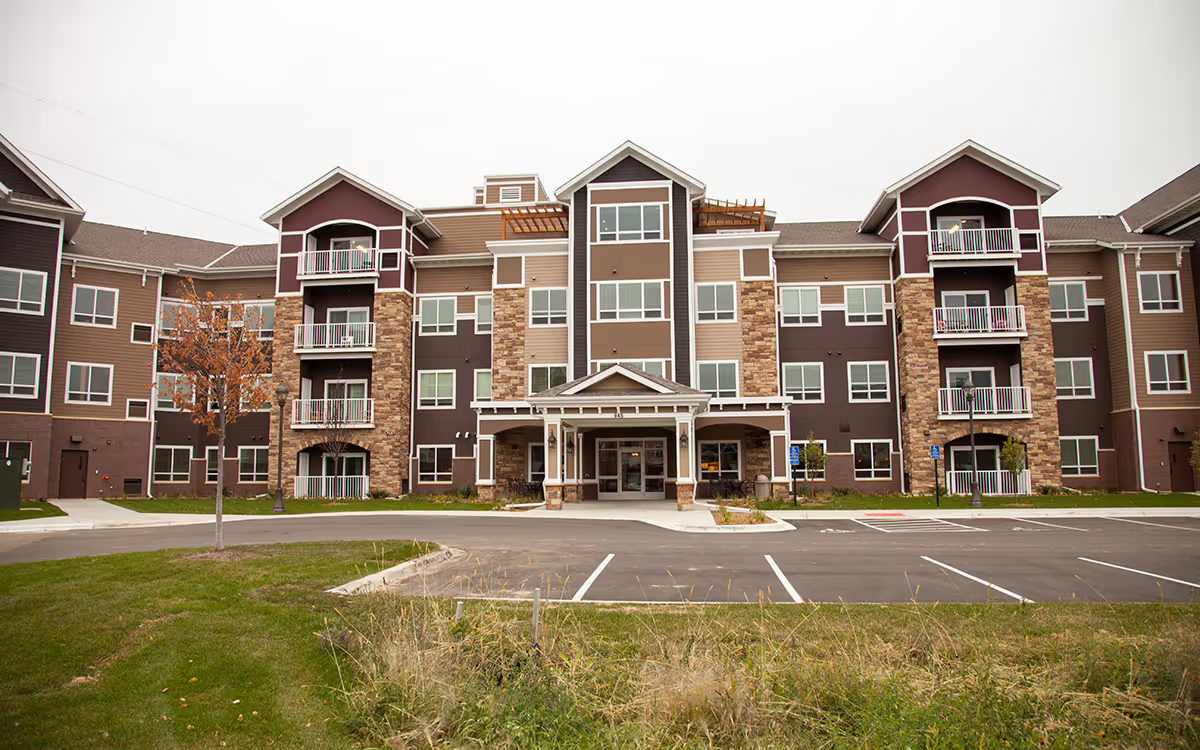
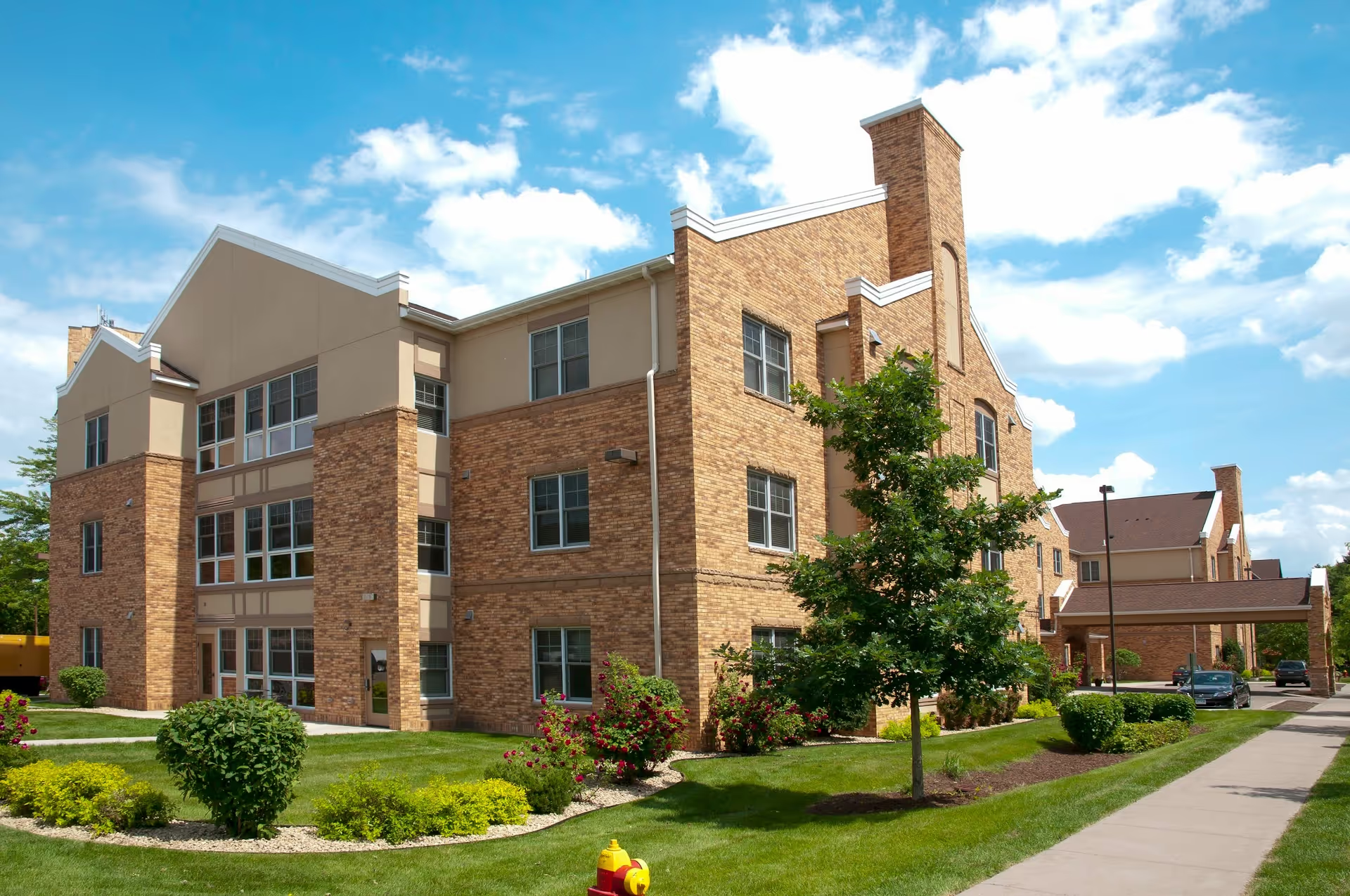
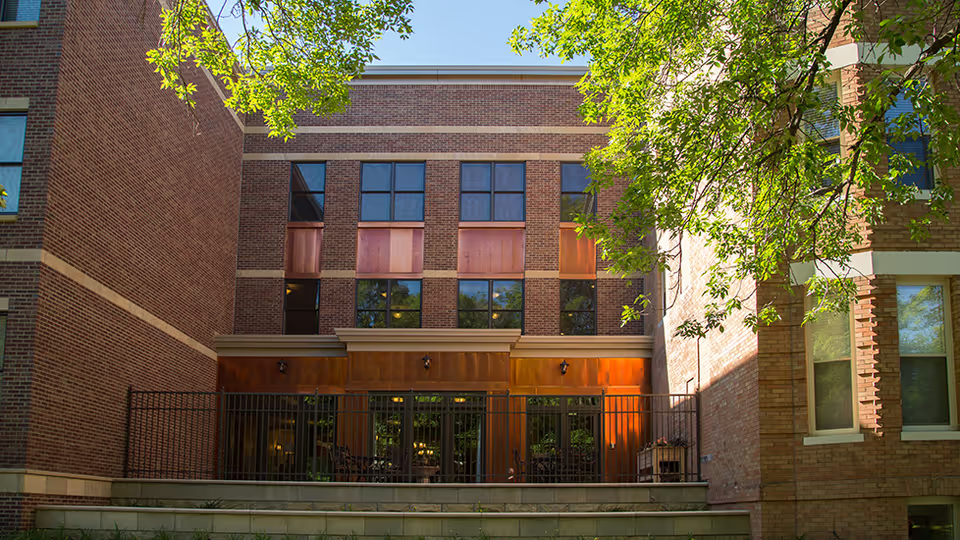
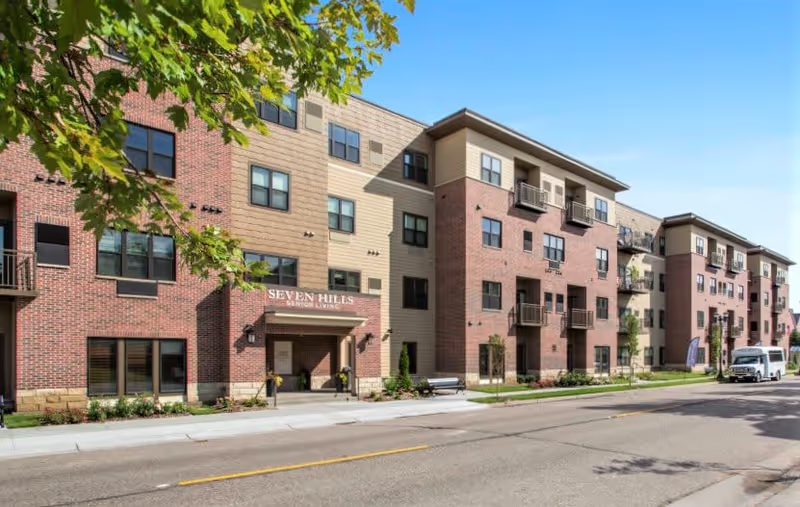
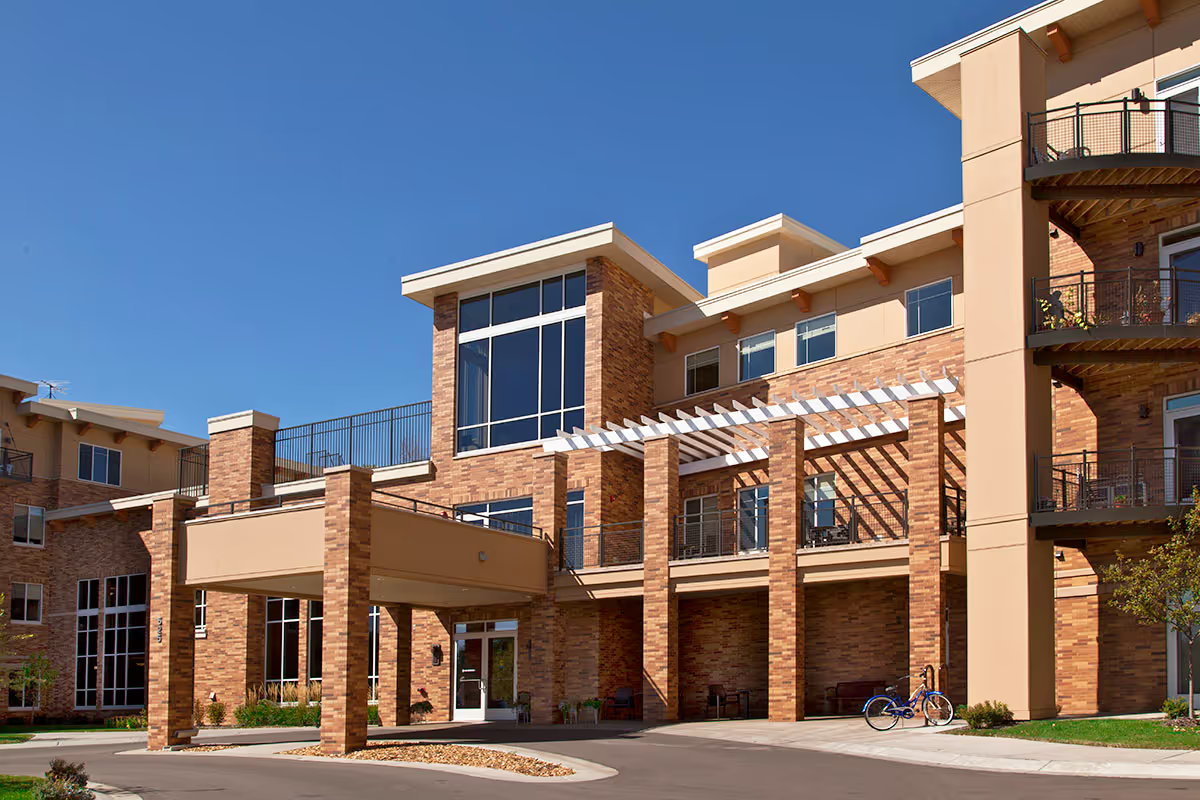
Facility and dining observations are mixed. The building and apartments are often described as clean, modern, and well-maintained with pleasant views, and residents benefit from an active calendar (opera class, pool therapy, visiting animals, social events). However, there are recurring notes about inconsistent food quality (including overly salty meals for some), a darker dining-room ambiance, and occasional maintenance issues such as worn furnishings or mattress/bedding concerns. Reviewers also mention limited green space and minimal dog-walking areas, with the immediate exterior bordering a busy street.
Concerns about staff conduct and privacy arise in a small number of accounts. These include assertions about dignity during personal care and removal of topical treatments; such claims suggest the importance of clear privacy protocols and supervision. There are also references to language barriers that can affect family–staff communication. Cost is another theme: several families perceived the community as expensive relative to the level of service they experienced.
Overall pattern and practical considerations: the facility appears to offer a strong social environment, active programming, and effective rehabilitation for many residents, particularly when front-line caregivers and therapy staff are engaged. Conversely, inconsistency in clinical execution (medication, nurse responsiveness), communication, and some maintenance/housekeeping practices have affected other families’ experiences. Prospective residents and their families should observe clinical routines during a visit and ask specific, operational questions: How are medications and PRN pain medications tracked and audited? What are average nurse response times and staffing ratios by shift? How are therapy schedules confirmed and made-up if missed? What are protocols for resident privacy and dignity during personal care? How is environmental cleaning and supply replenishment monitored? Asking to see recent staffing schedules, medication-administration policies, and sample activity calendars — and arranging visits at different times of day — can help assess whether the operational practices match the community’s apparent social and rehabilitative strengths.