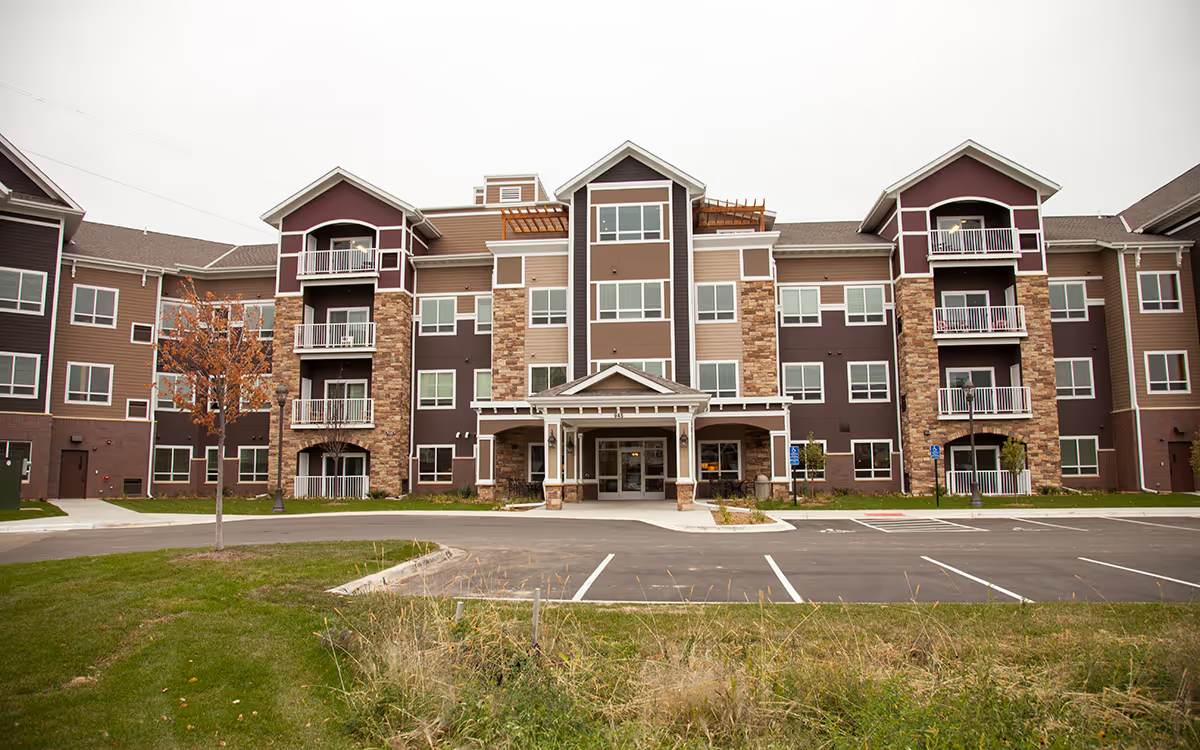
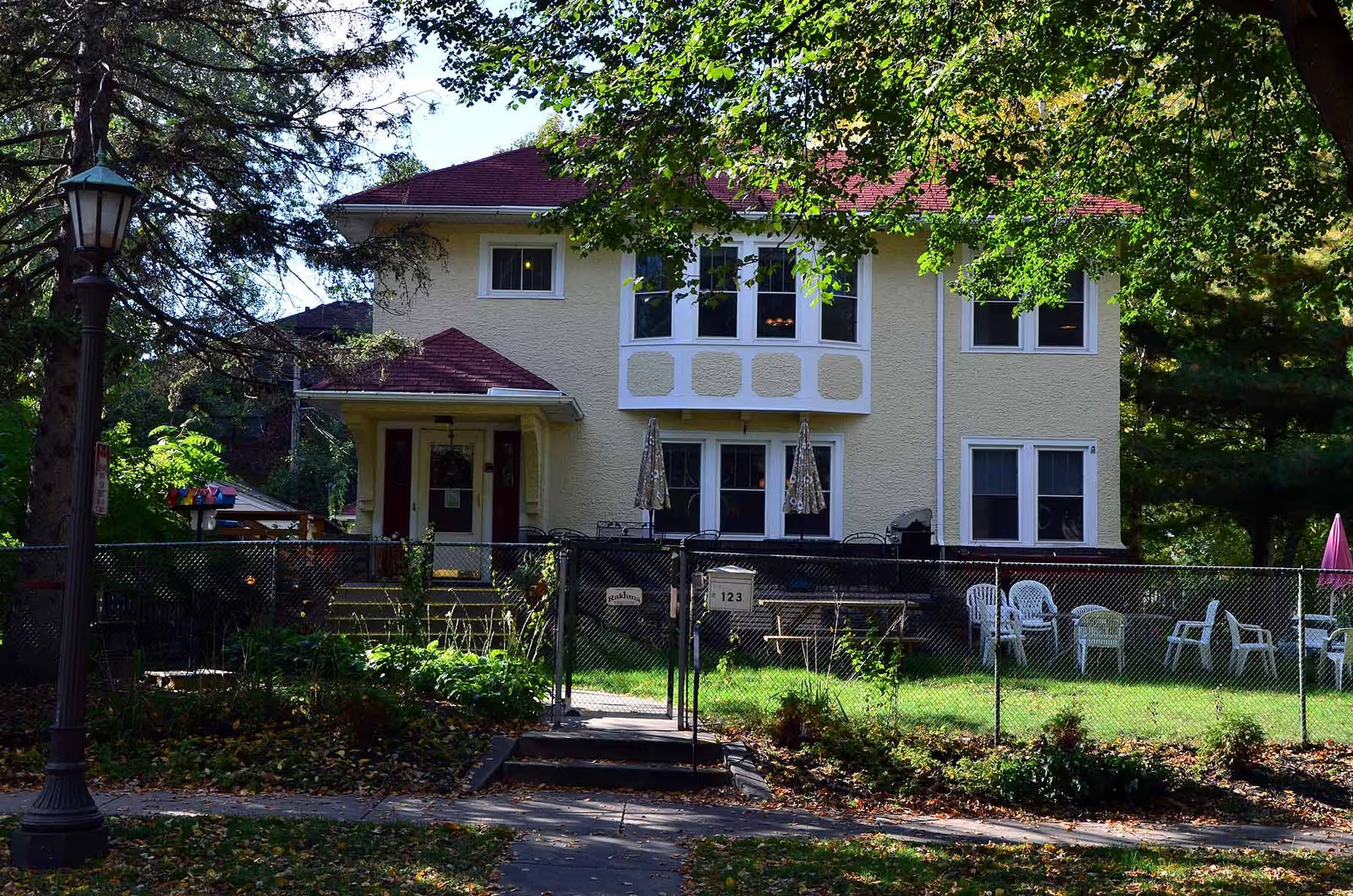
The Wellington Senior Living is described as a large, amenity-rich community that offers a broad continuum of care and many lifestyle features families value. Strengths cited consistently include an attractive central atrium and public spaces, a full slate of activities and arts programming, on-site clinical supports (including a 24/7 nurse and access to physician/hospice services), and restaurant-style dining. Residents and families frequently note personalized, compassionate staff interactions, housekeeping and ancillary services, fitness and wellness offerings, and transportation and parking options that support independent living and aging in place.
Care and staff performance receive mixed but generally positive characterizations. Many accounts emphasize staff who know residents by name, proactive activity leadership, and coordinated end-of-life and clinical-team involvement. At the same time, there are recurring operational concerns tied to staffing capacity: delayed response times to resident calls or incidents and occasional gaps in medication-information continuity and handoffs. These issues appear to reflect staffing and coordination pressures rather than uniform practice; however, they are salient for prospective residents with higher clinical needs and for families monitoring emergency-response protocols.
Dining and food service are another area of variability. Several remarks praise restaurant-level meals and improved menu service following staff changes, while other accounts describe inconsistent meal quality, high sodium content for those with cardiac diets, and earlier periods of substandard preparation (for example, processed breakfast items). Kitchen staffing continuity and nutritional oversight have been highlighted as factors affecting overall satisfaction; recent management attention to food services is noted in some accounts.
Activities and social life are a clear strength: the community offers numerous clubs, classes, outings, live music, and faith-based services. Reviewers describe an active social calendar and an engaged activities director, but also indicate inconsistent communication and publicity of events within the community. Families and residents who want to participate actively should confirm how schedules are posted and how family-inclusive events are handled.
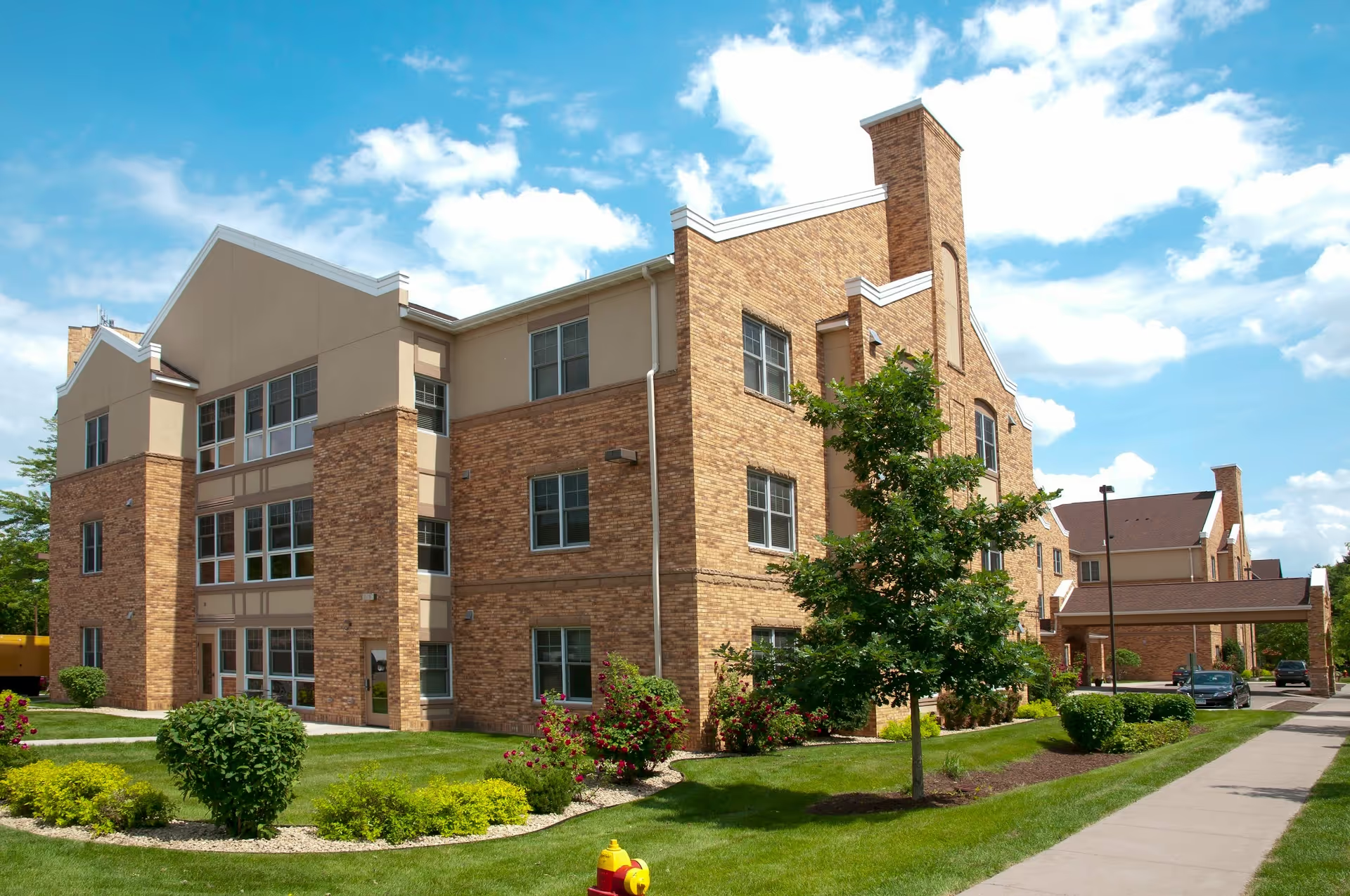
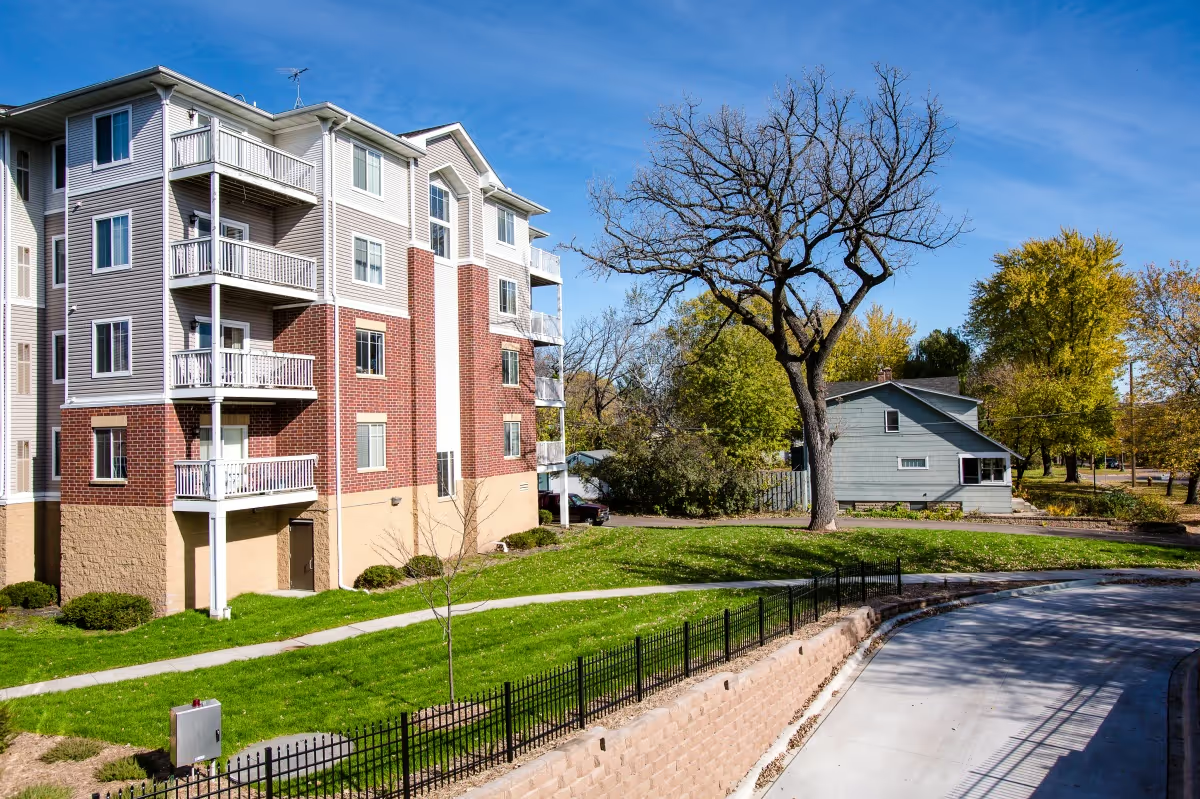
Physical plant and maintenance present a mixed picture. Many units and common areas are attractive, with spacious apartments, large windows, and outdoor patios. Conversely, reviewers point to dated appliances, older plumbing, worn carpets and paint, and uneven unit renovation status. Some dining rooms are described as having limited natural light and dated décor. There are also isolated sanitation and furniture-condition concerns in common areas. Prospective residents should tour specific floor plans and recently updated units to assess condition and lighting.
Management and operations show both strengths and areas for follow-up. Ownership and administration changes have produced tangible service improvements for some residents (notably in dining and clinical oversight). At the same time, reviewers note high or unclear ancillary fees (garage, laundry), occupancy/ leasing practices that affect community composition, and occasional security/process issues (for example, interior door security and unlocked doors). These operational traits suggest that prospective residents and families should ask targeted questions about staffing ratios, emergency-response expectations, current renovation schedules, fee structures, and security protocols during a visit.
Overall, the community appeals to people seeking a full-service, activity-rich environment with a continuum of care and many on-site conveniences. Experiences vary by unit condition, timing of staffing changes, and particular clinical needs. For decision-making, we recommend an in-person tour of the specific apartment type, discussions with current residents and the activities director, review of recent inspection or staffing updates, and clear written answers about meal plans, medication-management procedures, response-time expectations, and ancillary fees.