Reviews of Highland Rehabilitation & Health Care Center are mixed, with a clear split between accounts praising the care team and those describing operational weaknesses that affected admissions and day-to-day responsiveness. Positive descriptions emphasize a caregiving culture characterized by compassion, respect, and staff who go beyond basic duties. Clinical strengths cited include licensed nurses and therapists, personalized rehabilitation plans, 24-hour skilled nursing coverage, hospice-capable services, and supportive volunteer involvement. Administrative strengths mentioned include a helpful billing office and leadership who engage with families.
Care and staffing are central themes. Many reviewers highlight attentive nursing, proactive caregivers, effective therapy programs, and helpful social services. At the same time, other reviewers describe variability in care quality between shifts and units: delays answering calls, intermittent nurse-station availability, handoff confusion at shift change, and inconsistencies in personal-care responsiveness. Several comments imply transfer- and fall-prevention practices could be improved; prospective families should clarify current fall-prevention protocols and staffing ratios during visits.
Activities and daily life are another mixed area. The facility offers engaging activities, fitness classes, and social events that some residents and families found valuable. Conversely, other accounts describe limited programming in certain units. There is little consistent feedback on dining quality in the available summaries; this appears neither to be a dominant praise nor a recurrent complaint in the sampled comments.
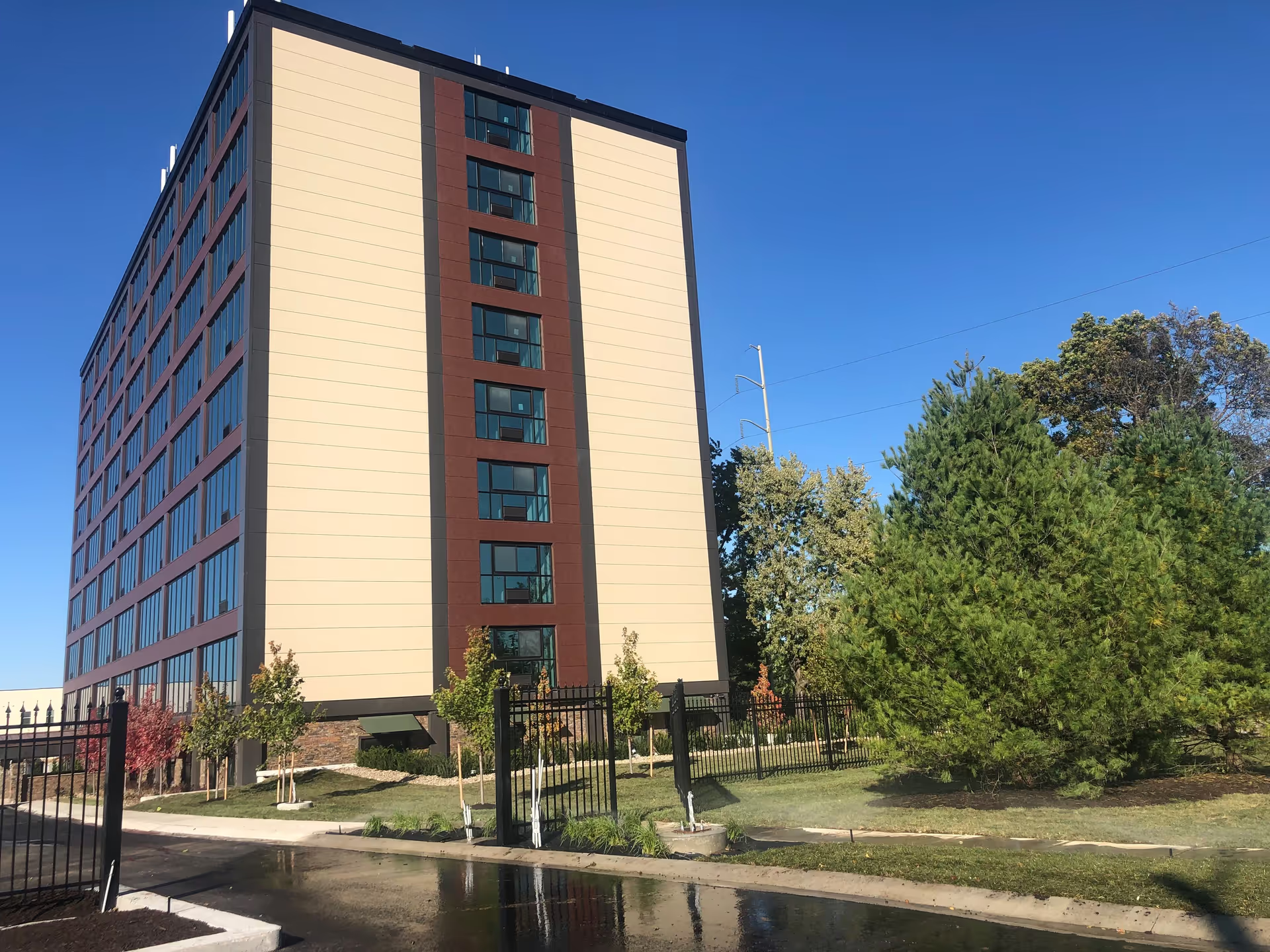
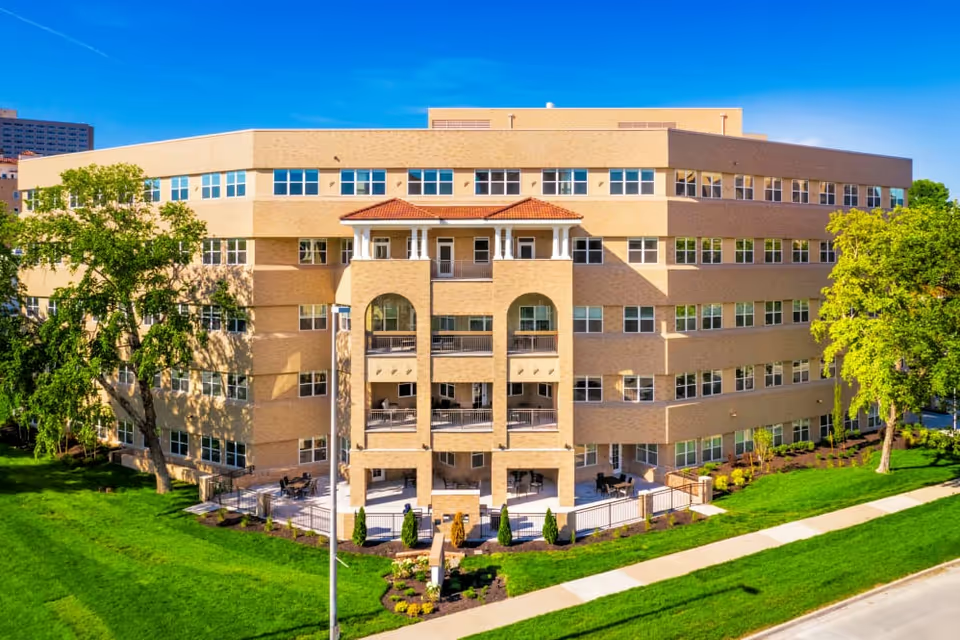
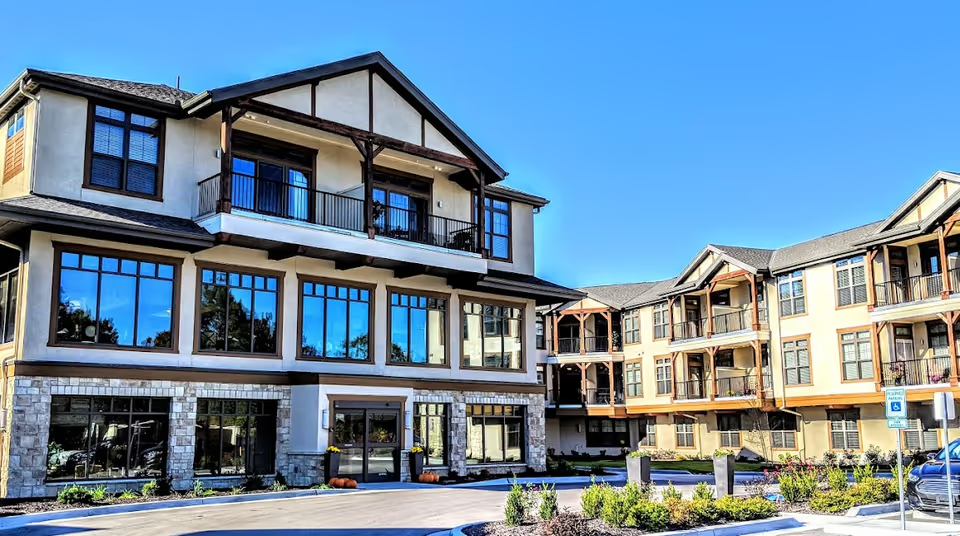
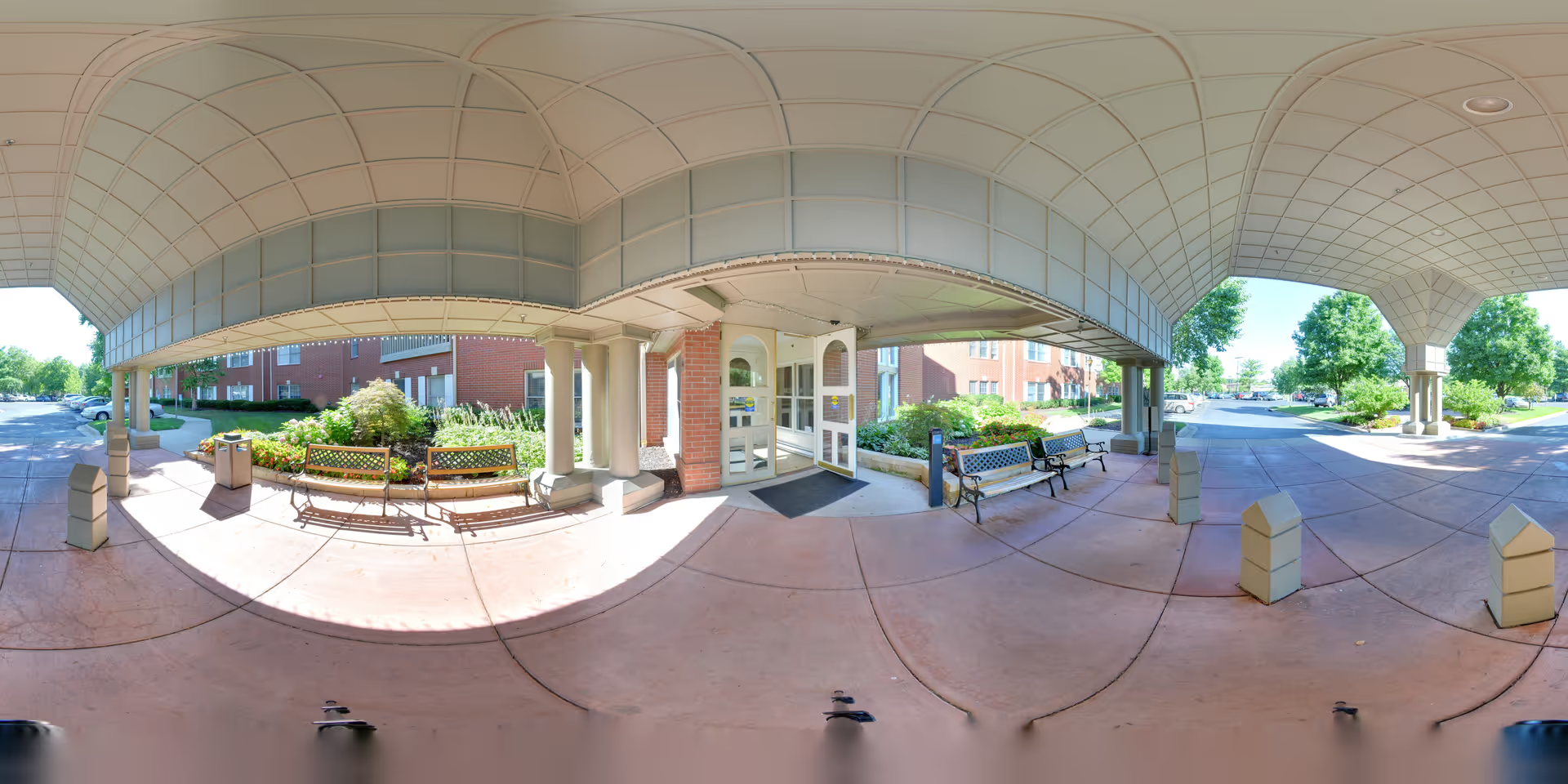
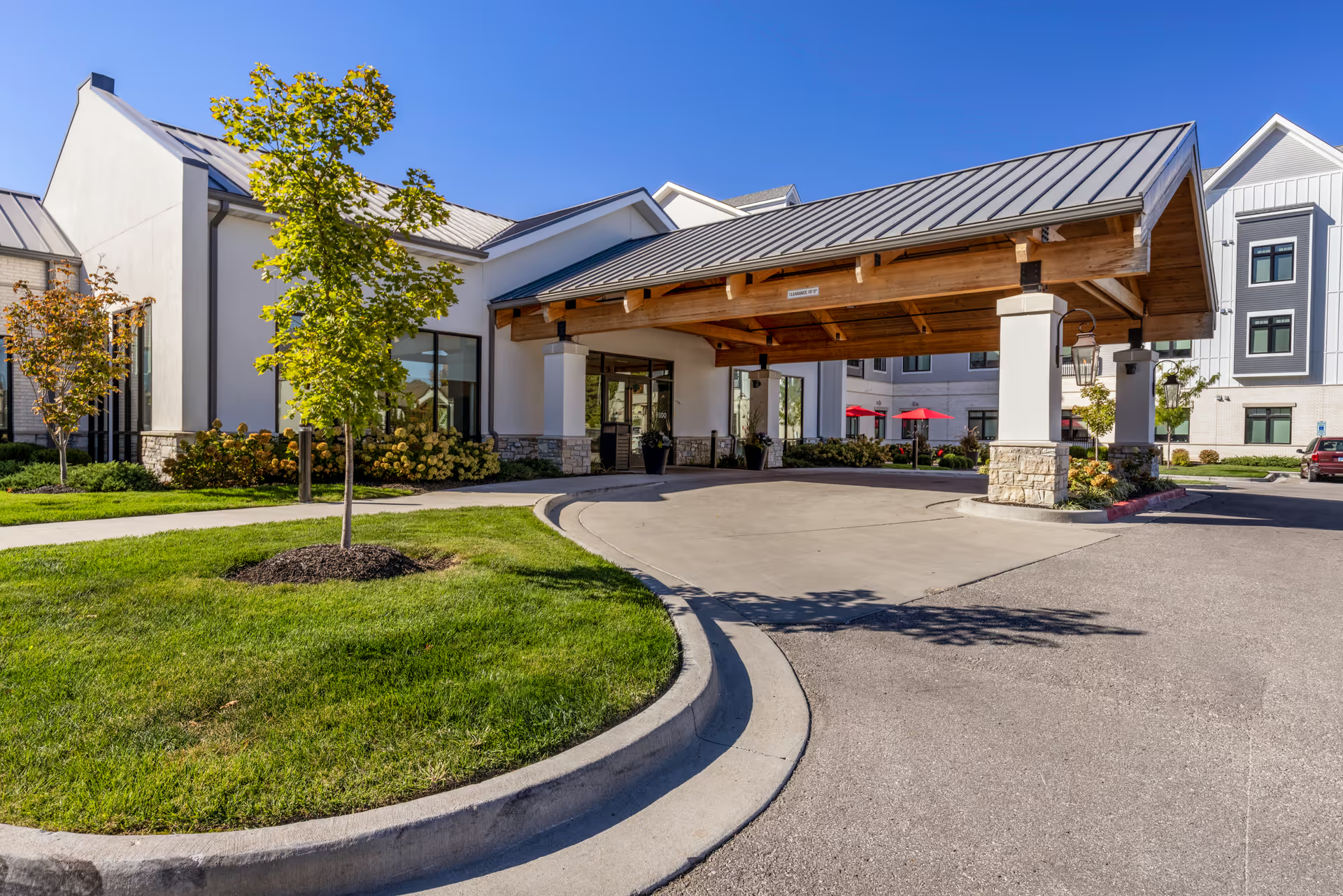
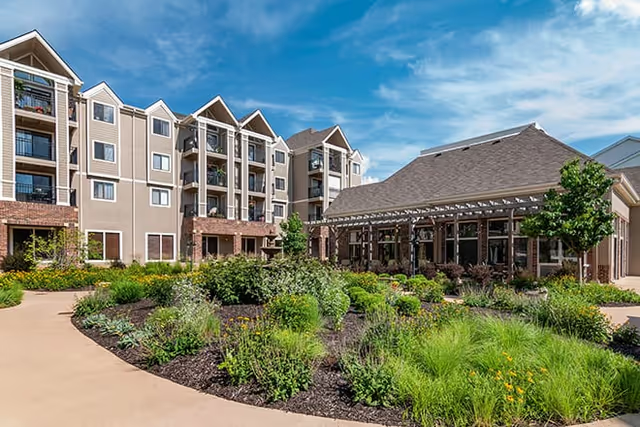
Facility condition and management impressions vary. Portions of the center are described as clean, well-maintained, and attractive, while other remarks note an older building with layout challenges (locked/controlled access points and entrance delays) and inconsistent cleanliness or odor control in some areas. Admissions and intake coordination were highlighted as an operational pain point in several accounts: room readiness, arrival coordination, and initial paperwork processing appear to be uneven. Front-desk and phone responsiveness also emerged as recurring logistical concerns, even though some families praised responsive leadership and administrative staff.
Notable patterns: positive experiences tend to center on direct-care staff, therapy outcomes, and administrative assistance, whereas negative experiences cluster around operational systems—admissions, staffing consistency, shift handoffs, responsiveness to care needs, and building logistics. For prospective residents and families, recommended pre-admission questions include current staffing levels and ratios, protocols for shift handoffs and fall prevention, the admissions/room-preparation process, incontinence-care practices, and how the facility manages phone/front-desk responsiveness. An in-person tour that includes conversations with nursing, therapy, social work, and administrative staff will help assess whether the facility’s operational practices meet your expectations.