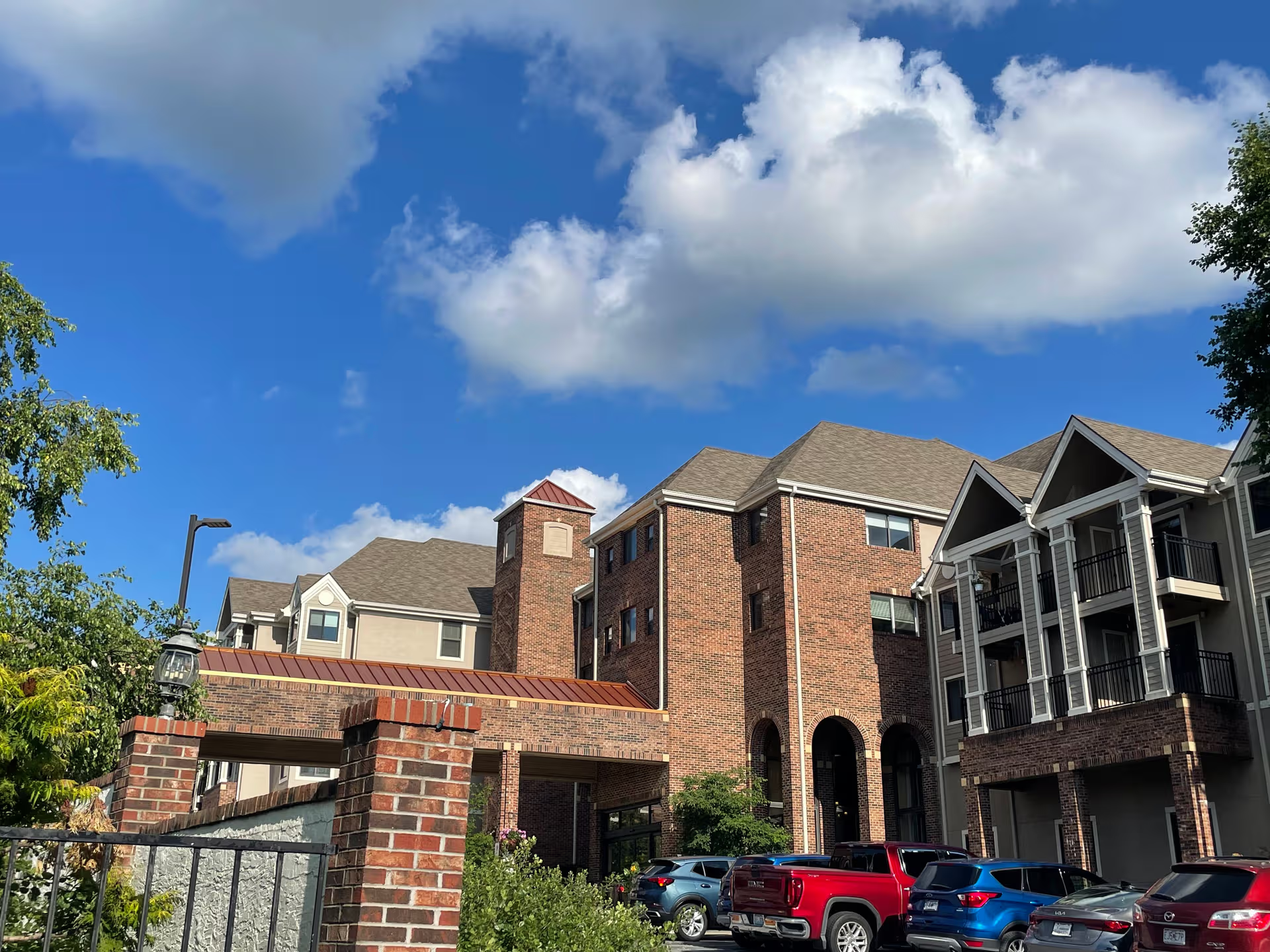
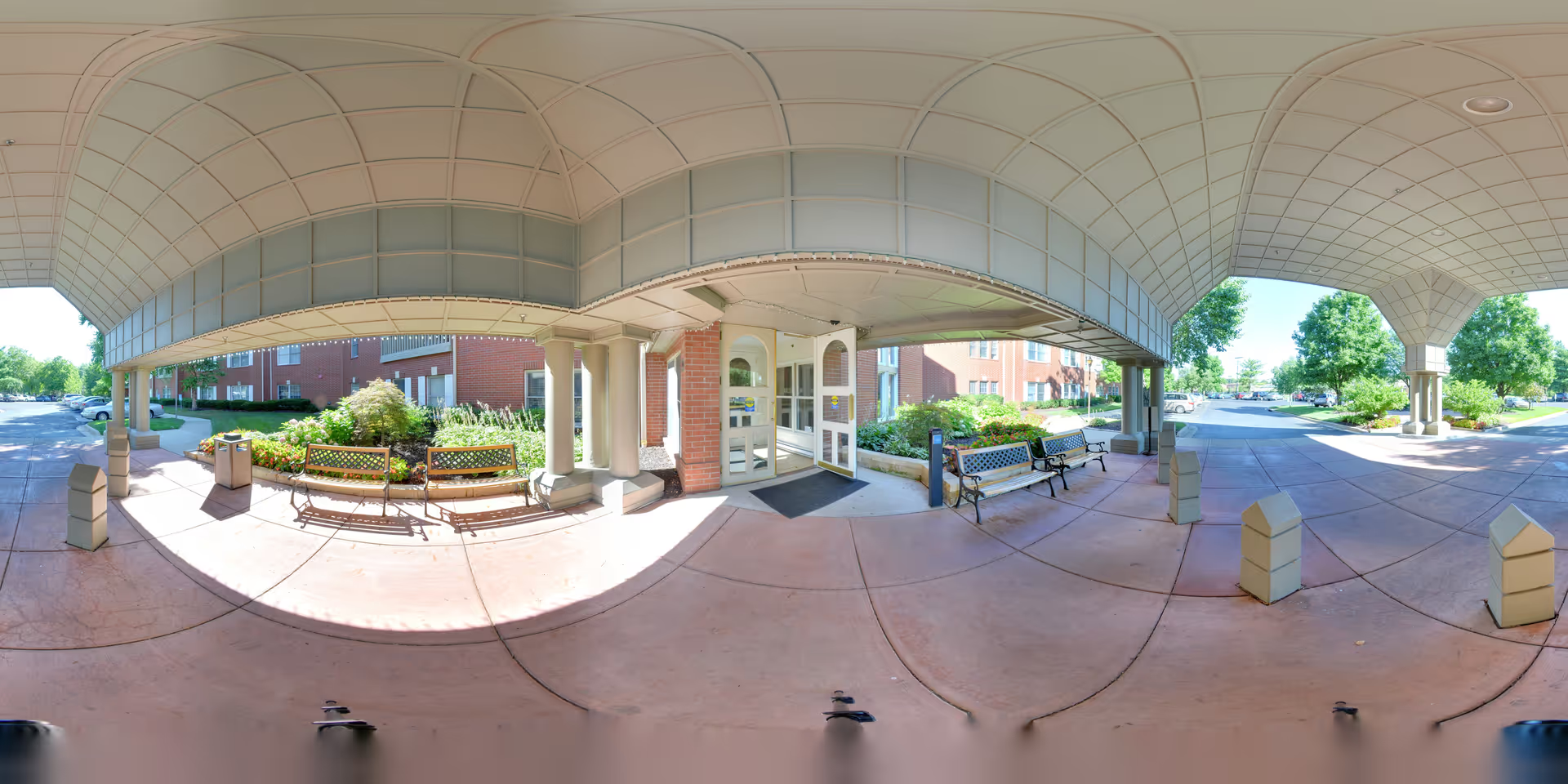
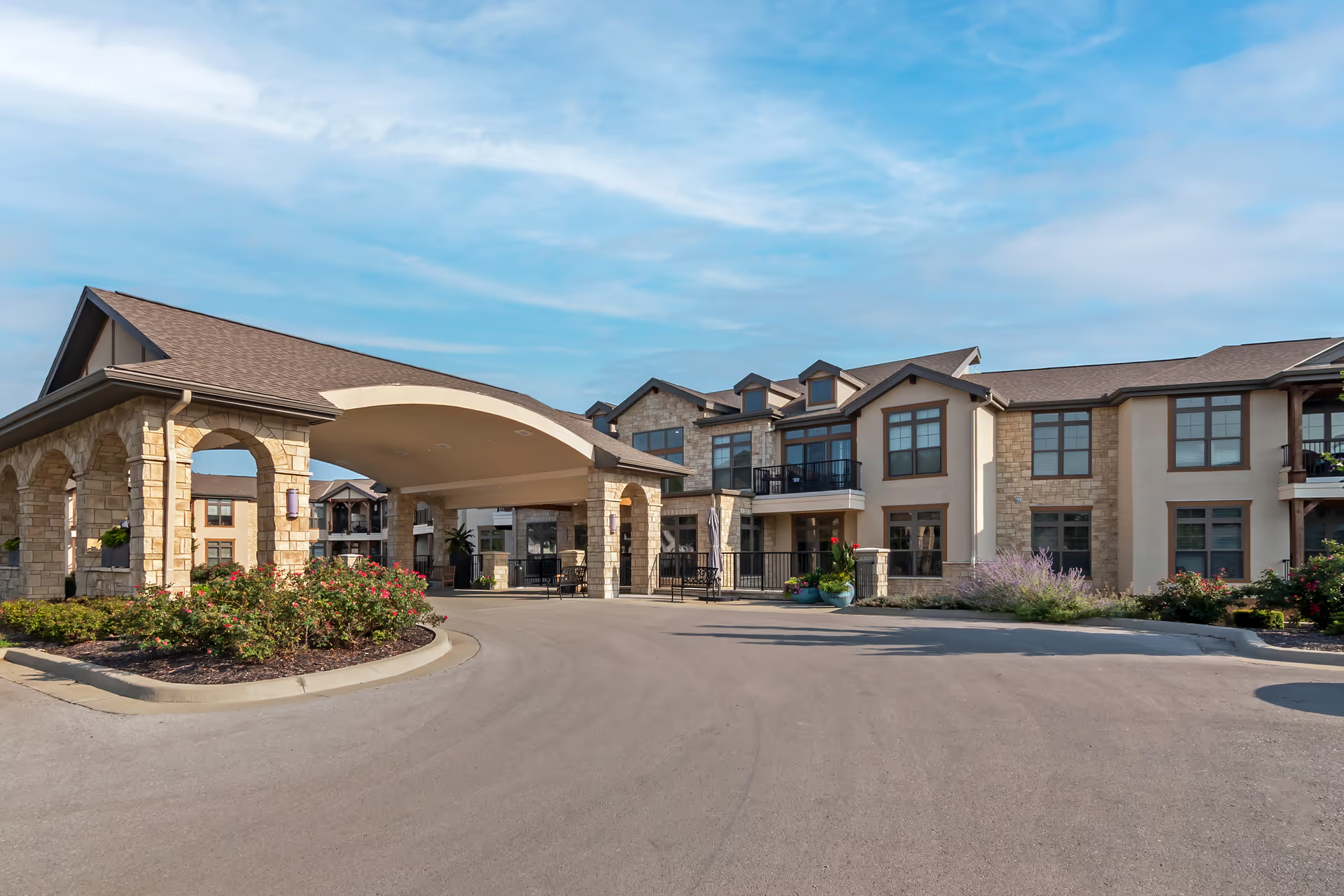
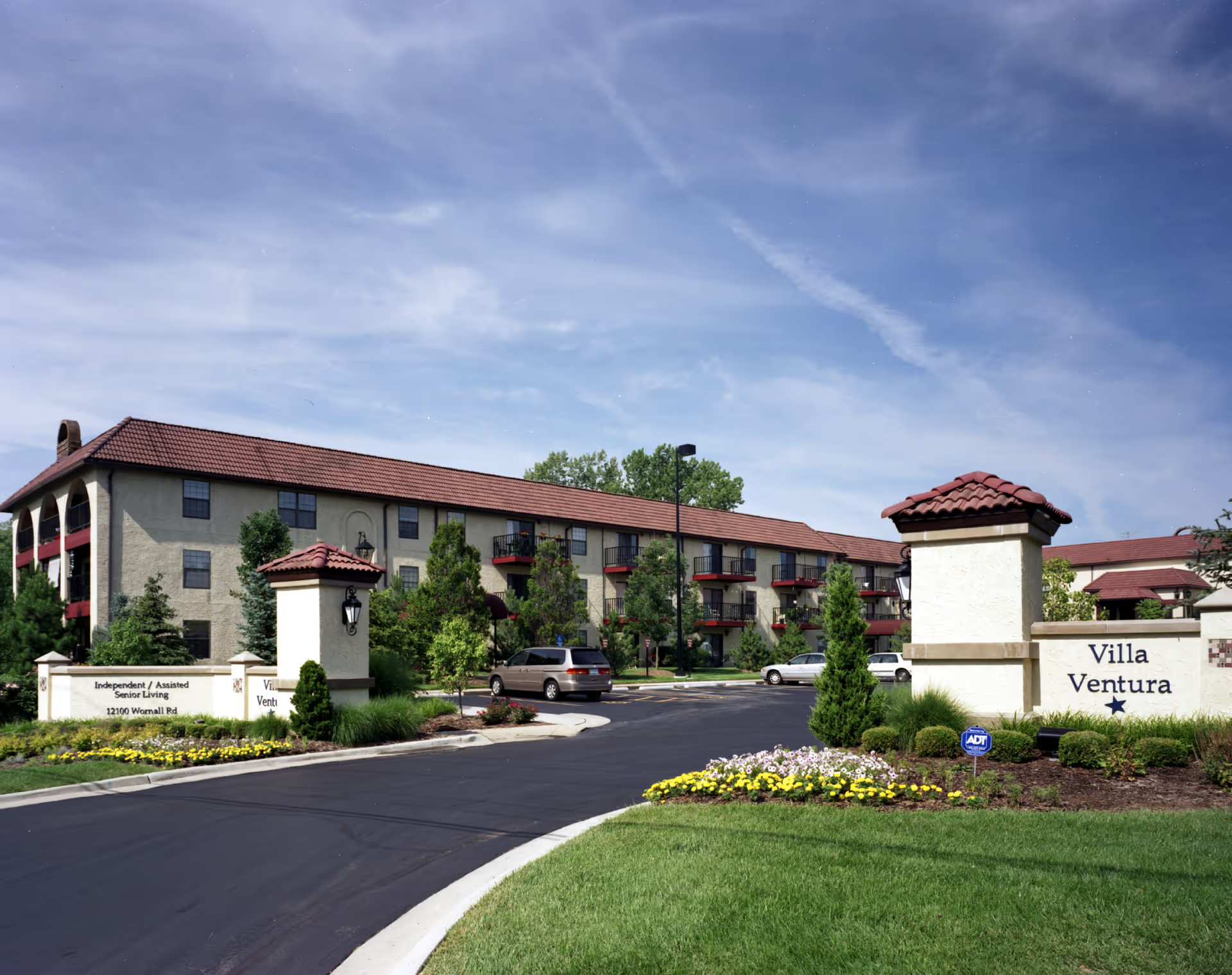
Kingswood presents as a well-appointed continuing-care community with a range of amenities and a generally positive resident culture. Strengths frequently cited include high-quality, diverse dining; renovated public areas; resort-style features such as an indoor heated pool and fitness spaces; and robust social programming. Many families and residents describe a palpable sense of community, long staff tenure, and helpful move-in support. The on-site therapy teams (PT/OT) and dining/custodial personnel receive consistent praise for professionalism and service.
Care and staffing portray a mixed picture. Numerous accounts describe attentive, compassionate caregivers who go beyond standard expectations, and several families highlight exceptional physical-therapy outcomes and individualized attention. At the same time, a persistent theme is chronic understaffing that appears to affect response times and routine personal-care tasks. Reviewers indicate variability in staff conduct and communication tone, with some caregivers and units delivering strong, consistent care while others exhibit lapses in timeliness and interpersonal responsiveness. These operational staffing constraints also tie into reports of sanitation and housekeeping inconsistencies and occasional delays in personal-assistance tasks.
Clinical and safety-related concerns center on operational gaps rather than single-event narratives. Patterns described include inconsistent medication-administration practices and incomplete medication records, limited on-site physician coverage and medical follow-up, and perceived shortfalls in skilled-nursing oversight for complex needs. Families noted therapy scheduling conflicts and limited therapy-room capacity in some cases. There are also indications that the community may have restricted capacity for high-acuity or complex end-of-life needs; prospective residents requiring intense clinical support should verify staffing ratios and clinical protocols before committing.
Facility features and logistics are generally strong but uneven. Renovated suites and common areas coexist with older wings and layout challenges; villas can be distant from the main building and some residents find navigation of a large campus inconvenient. Transportation services, chapel/library amenities, and private-suite options are positives. However, reviewers raised concerns about pest-control and the need for deeper cleaning in certain areas. Cost is another recurring consideration: Kingswood tends toward the higher end of pricing, and families should weigh value against alternatives and ask about what is included in fee structures.
Management and communication present a mixed impression. Some families report approachable leadership and transparent, reassuring communication. Others describe administrative lapses such as unclear billing practices, poor responsiveness to inquiries, and restrictive review policies. A few reviewers raised serious allegations concerning financial conduct and memory-care management; these claims merit careful follow-up during a tour and when reviewing contract and regulatory records.
Bottom line: Kingswood offers strong dining, amenities, therapy services, and a palpable community atmosphere that will appeal to residents seeking an active, well-serviced campus. However, recurring operational themes — chronic understaffing, variability in clinical oversight and housekeeping, communication and billing inconsistencies, and some serious governance allegations — suggest families should conduct targeted due diligence. Recommended next steps for prospective residents include touring both renovated and older areas, asking for current staffing ratios and on-shift clinical coverage, reviewing medication-management and incident-response protocols, requesting housekeeping and laundry schedules, and obtaining clear contract and billing explanations before committing.