Care quality: Reviews describe a bifurcated pattern of clinical experience. Many families and residents praised the therapy departments (PT/OT/speech) for producing measurable improvements and helping residents return home; quick therapy access and skilled therapists were repeated positives. At the same time, a number of accounts describe inconsistent bedside care: delayed responses to needs, missed baths or treatments, missed meals, and concerns about how some clinical issues were managed or documented. There are also isolated, serious concerns following a resident's death and at least one allegation of clinical decision errors; those items suggest the need for careful review of incident-response and clinical oversight processes.
Staffing and staff conduct: Staff behavior is described as highly variable. Several reviews highlight compassionate, dedicated CNAs and nurses who go above and beyond, with named individuals singled out for praise. Conversely, other reviews describe high turnover, understaffing, and periods when staff appeared overworked, slow to respond, or inattentive to basic needs. These contrasting accounts point to uneven staffing stability and inconsistent performance across shifts or units rather than uniformly poor or uniformly excellent staffing.
Dining and activities: Dining receives mixed but specific feedback. Many residents appreciated meal variety, breakfast options, and at least two menu choices at meals; therapy patients in particular reported acceptable dining. However, other families noted inconsistent meal delivery timing, food-temperature issues, and occasional poor-tasting meals. Activities and communal life were generally seen as strengths in parts of the facility, with residents gathering in common areas, organized activities, and outdoor courtyard use contributing to social engagement.
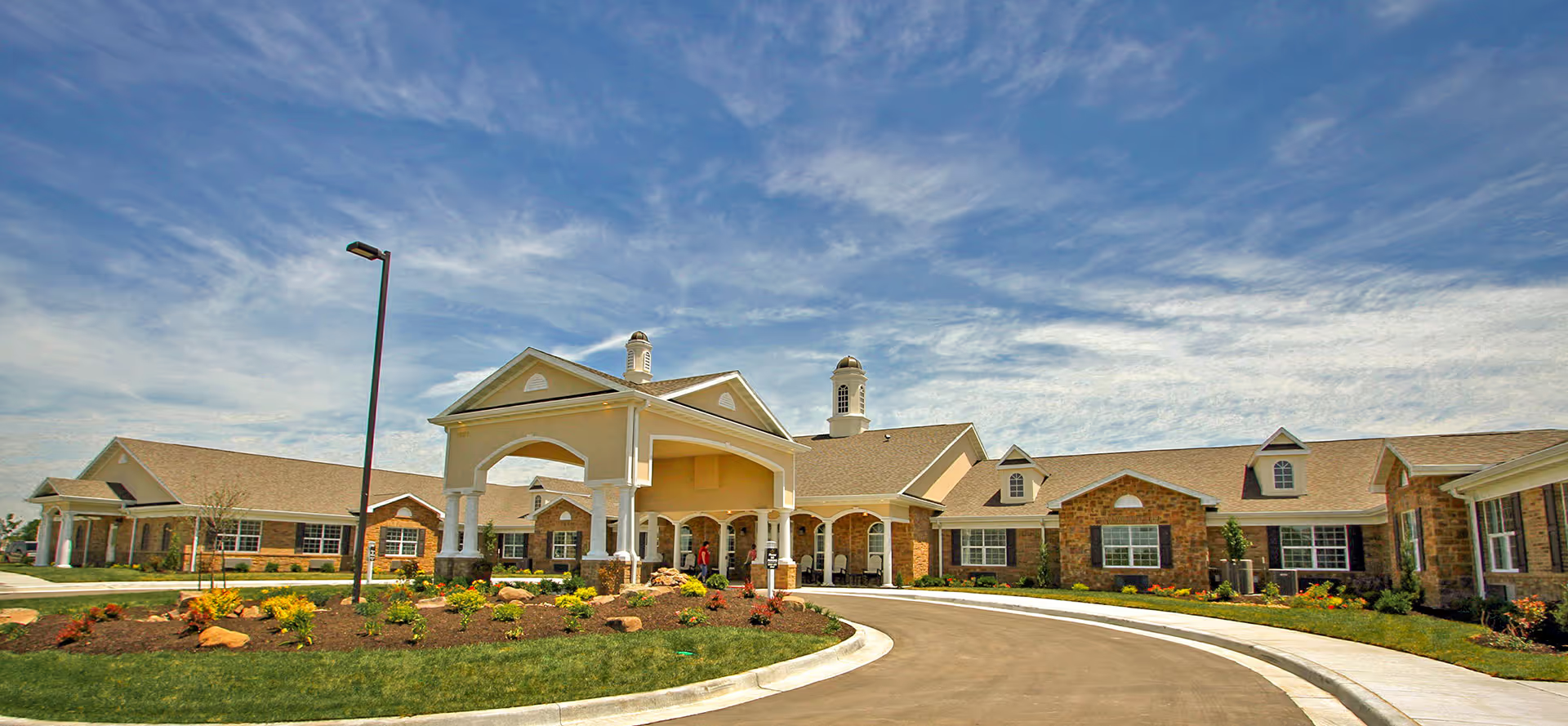
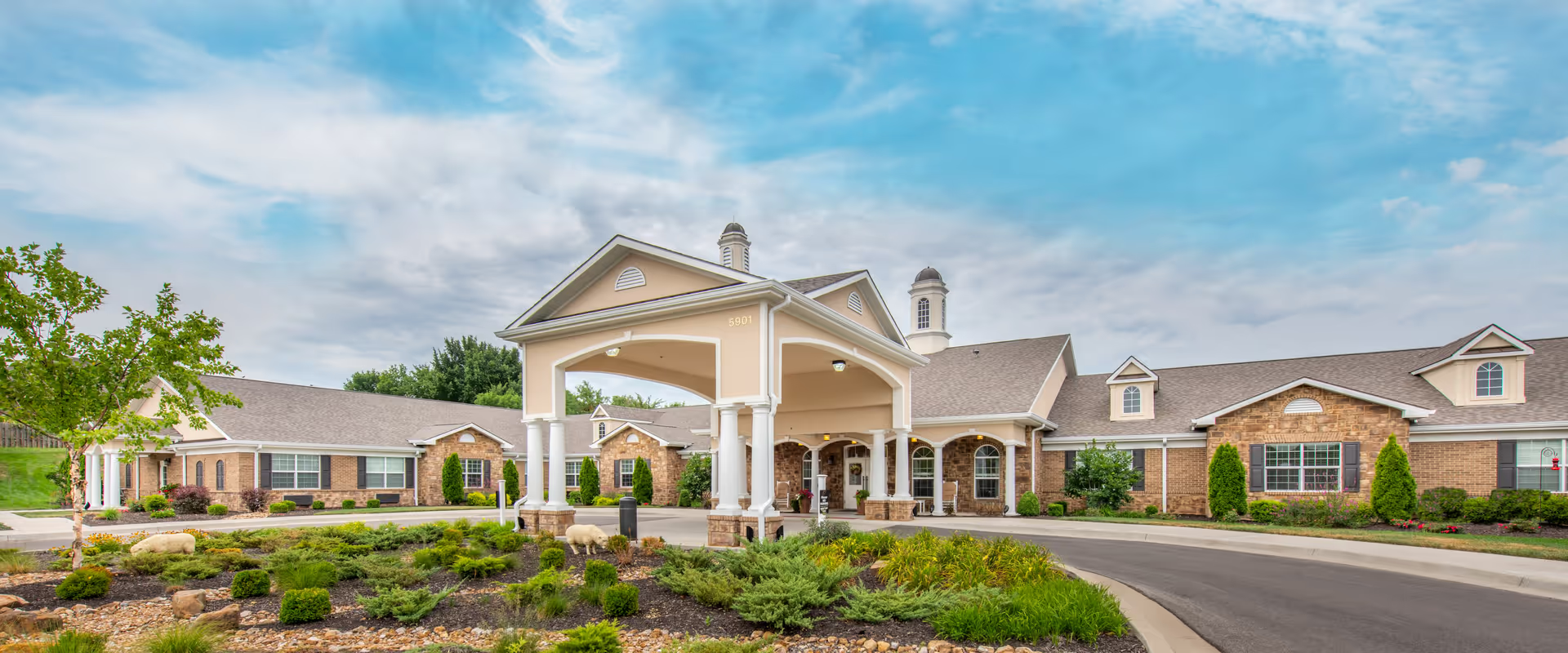
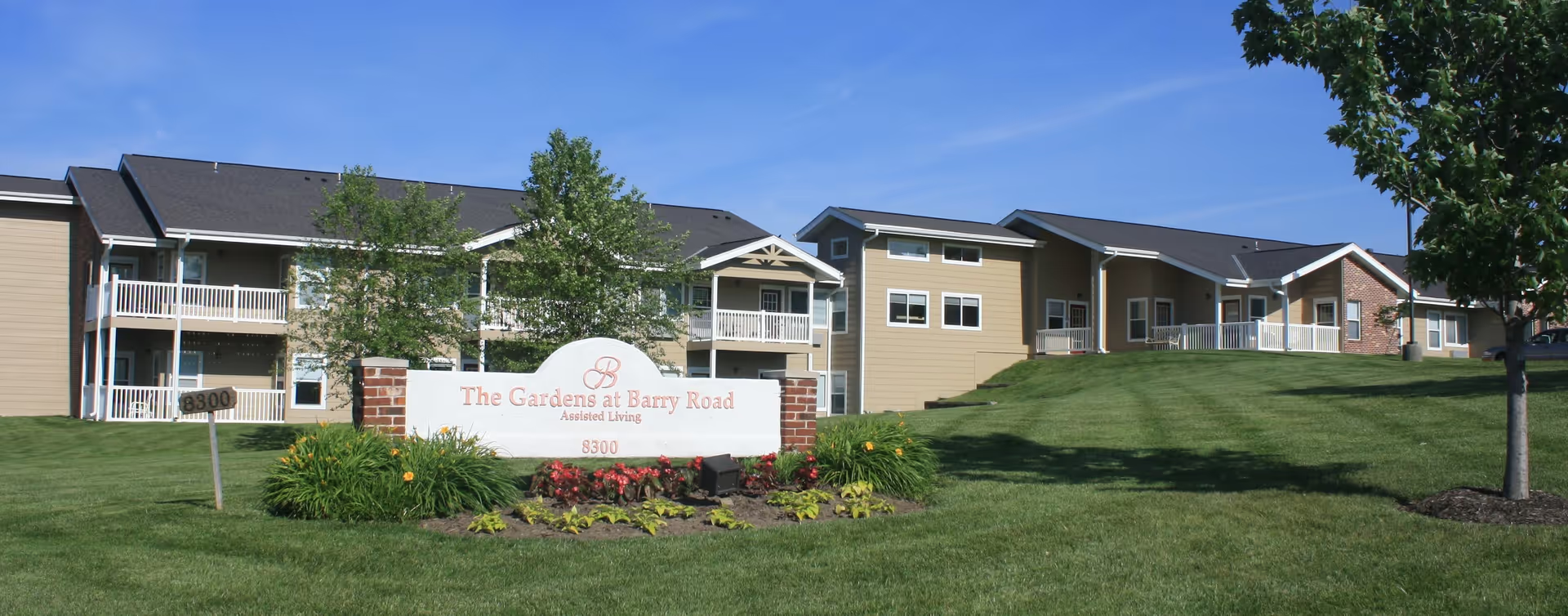
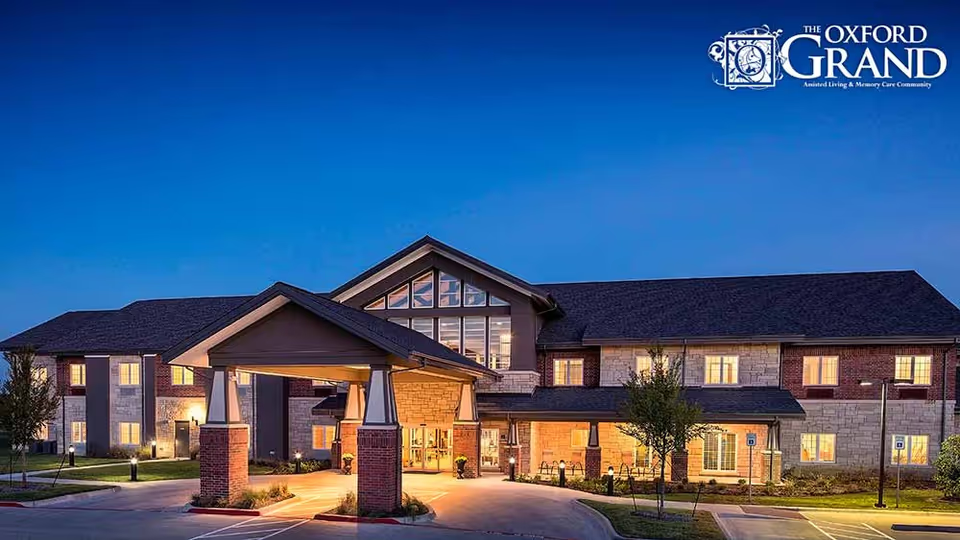
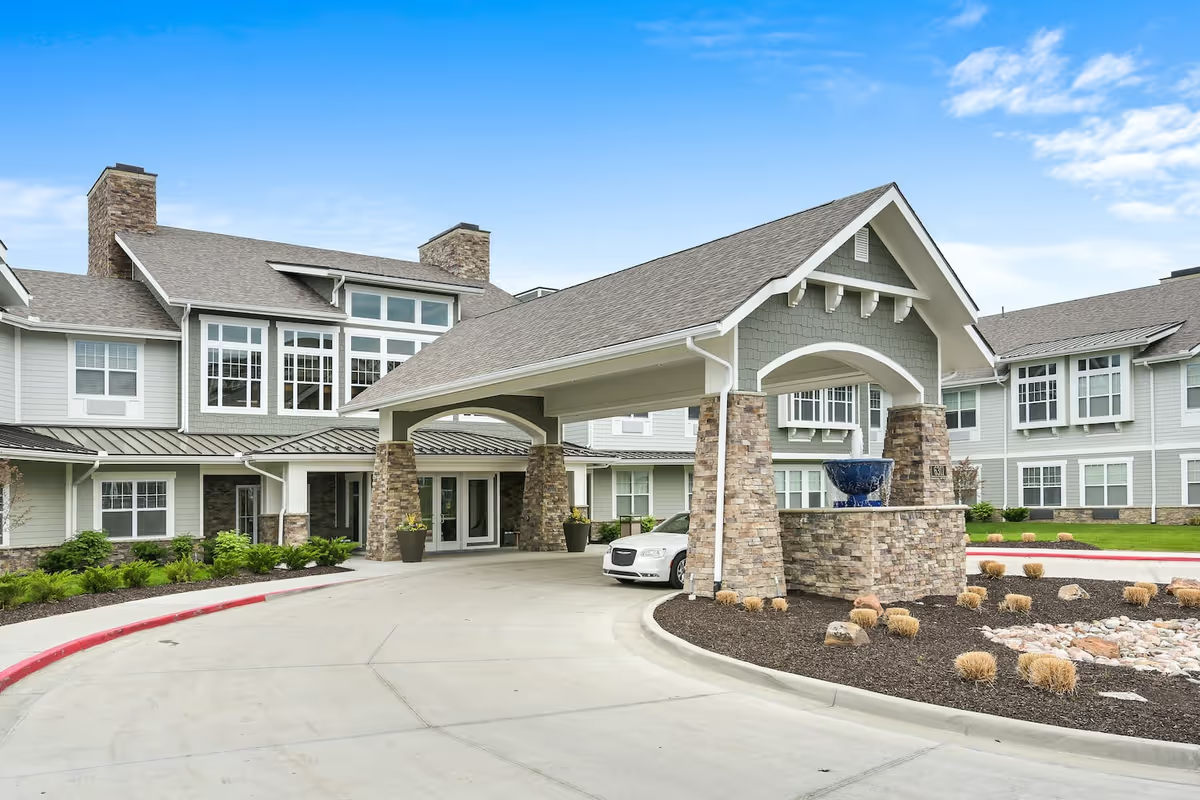
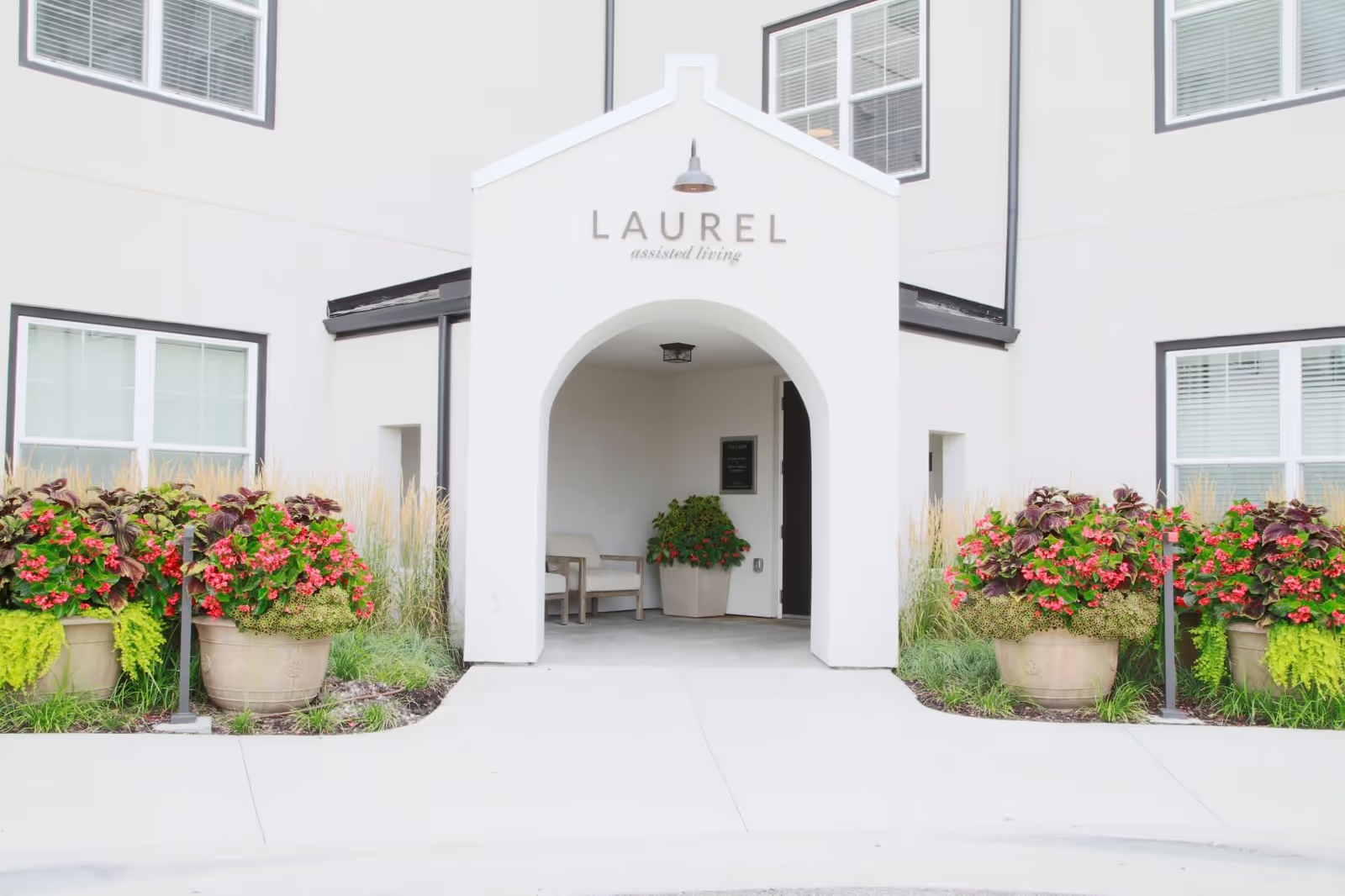
Facilities and cleanliness: The physical plant also shows a mixed profile. Multiple reviewers praised upgraded areas, private rooms, roll-in showers, roomy interiors, and a pleasant courtyard. At the same time, others raised sanitation and maintenance concerns in specific areas (including odor concerns, cleanliness issues, visible disrepair, and deferred repairs). This suggests a facility with notable renovations and attractive communal spaces but with uneven maintenance and housekeeping performance across the campus.
Management and operations: Accounts indicate recent ownership and leadership changes that have correlated with staff turnover and perceived shifts in operational priorities. Families described variable administrative responsiveness — from helpful, communicative staff to unreturned calls and slow follow-up — and mentioned supply shortages and cost-control decisions that affected service availability (for example, reduced shower frequency or limited resources). There are also concerns about gaps in medication administration practices and clinical documentation, which are operational risks that would benefit from stronger oversight and clearer protocols.
Notable patterns and guidance: Overall, the reviews reflect a split experience: the facility appears capable of delivering high-quality, rehab-focused care with compassionate staff and good therapy outcomes, but it also exhibits recurring operational weaknesses that affect reliability for personal care, cleanliness, meal continuity, and communication. Prospective residents and families should consider touring the specific unit of interest, asking for current staffing ratios, reviewing incident and complaint resolution processes, and clarifying how the facility handles clinical escalation, documentation, and family communication. For short-term rehab stays focused on therapy, the center frequently receives positive feedback; for long-term placements that require consistent personal care and maintenance, families may wish to validate recent quality and staffing improvements before committing.