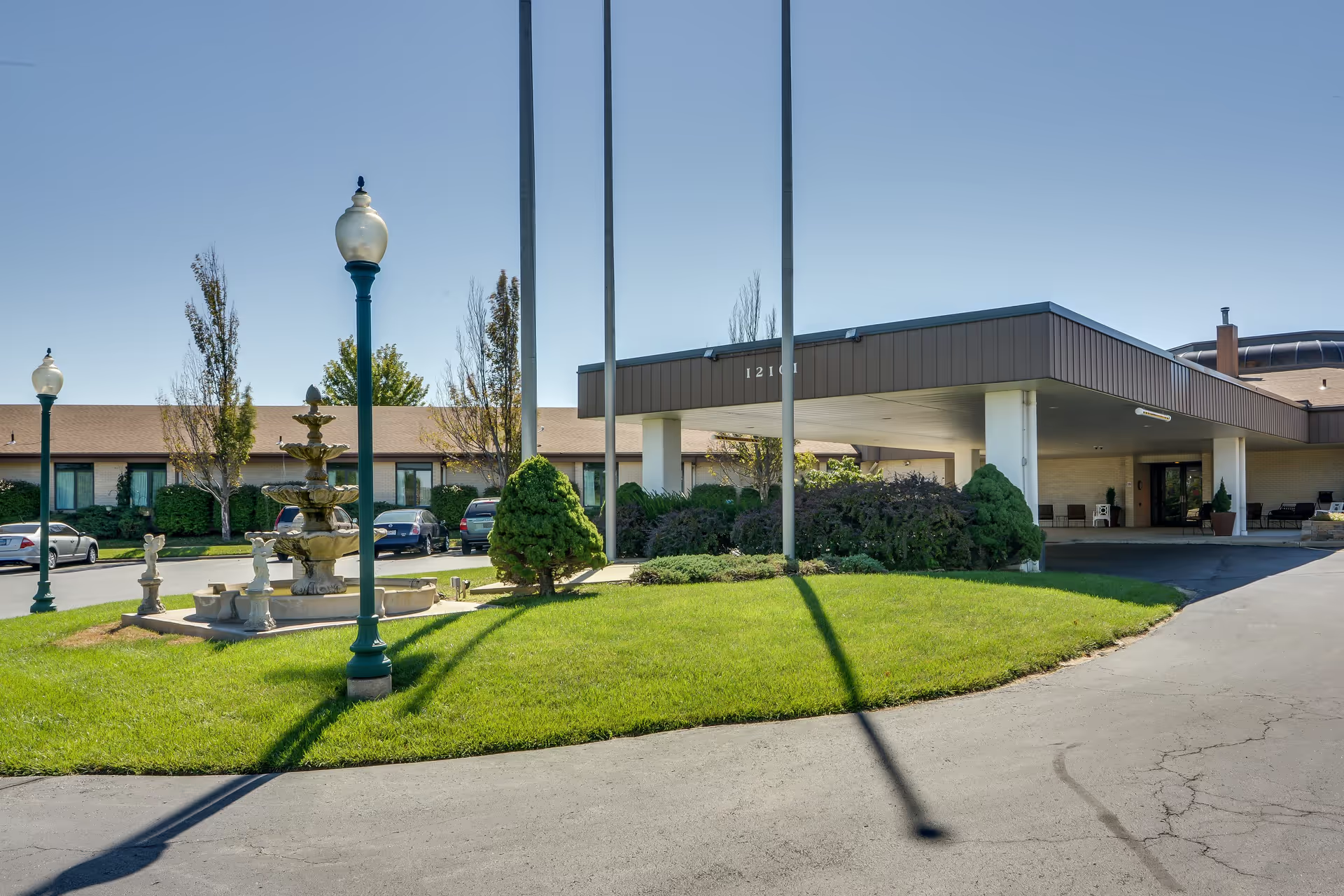
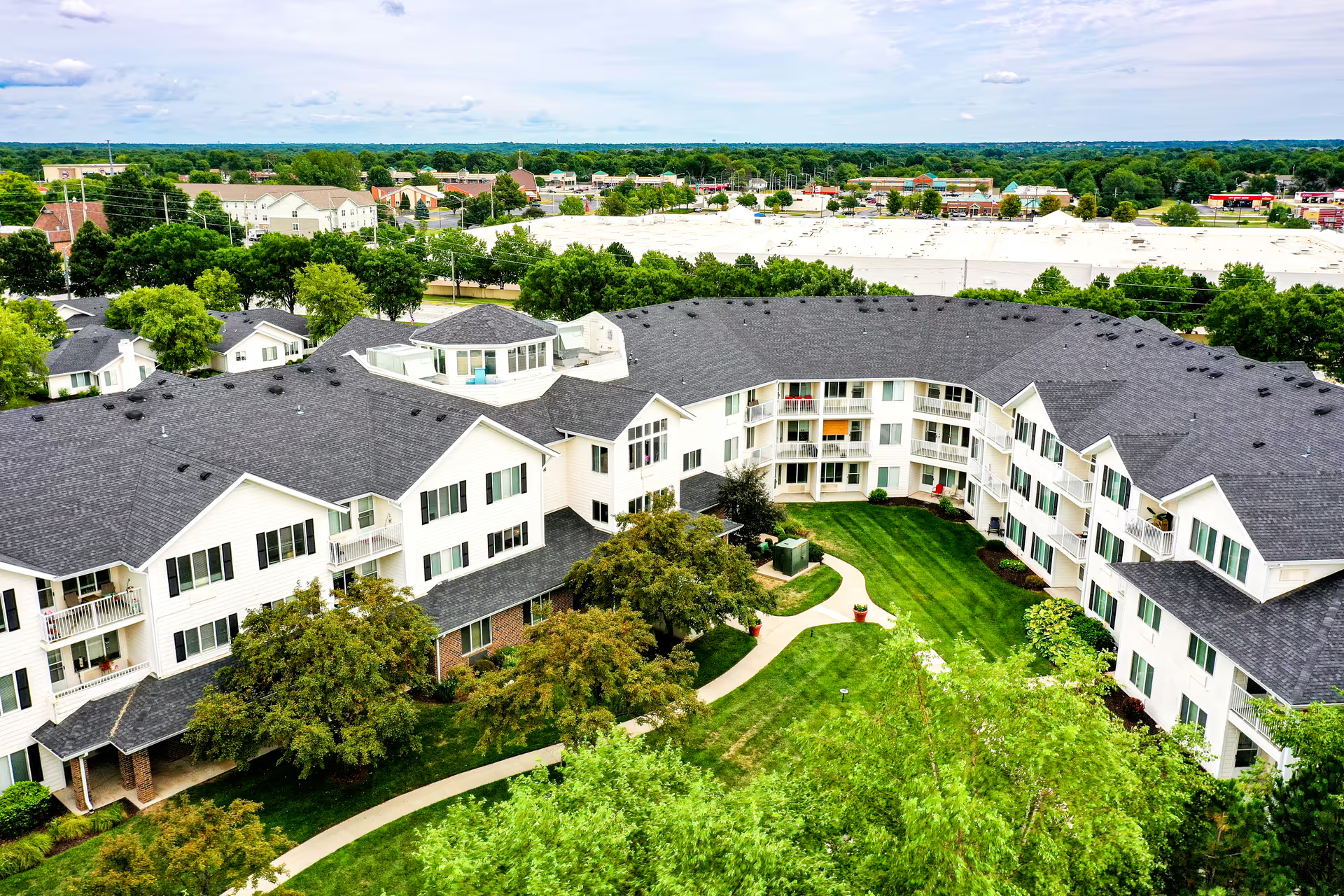
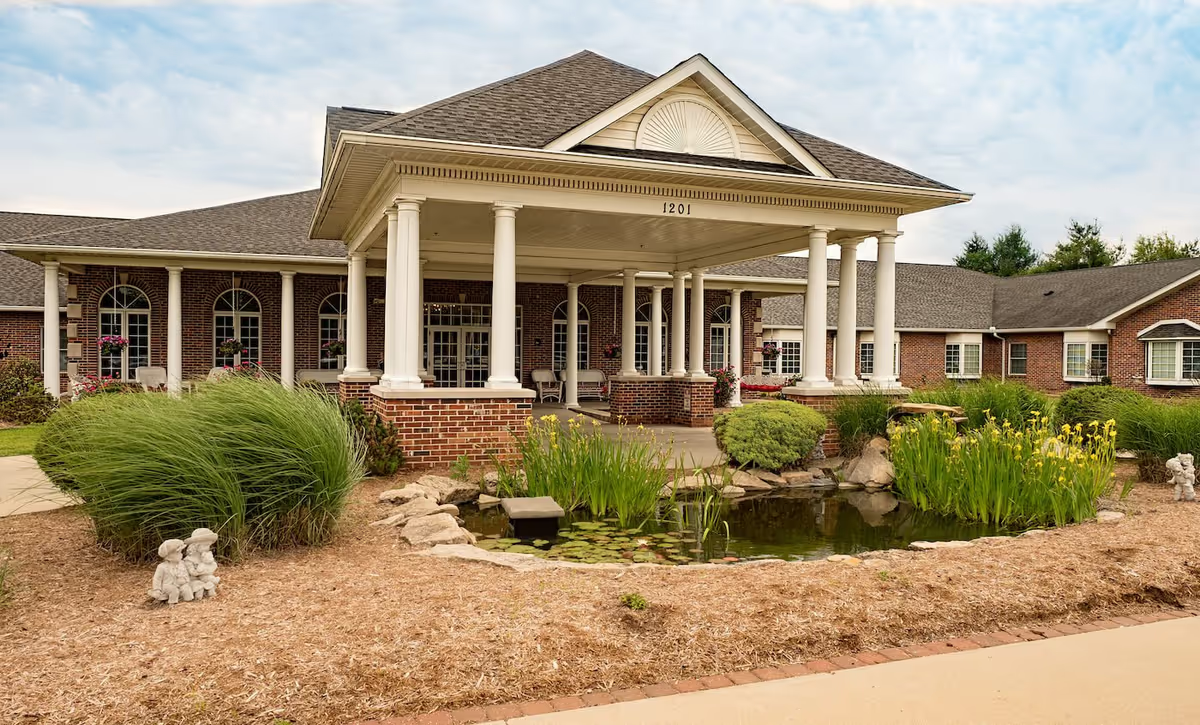
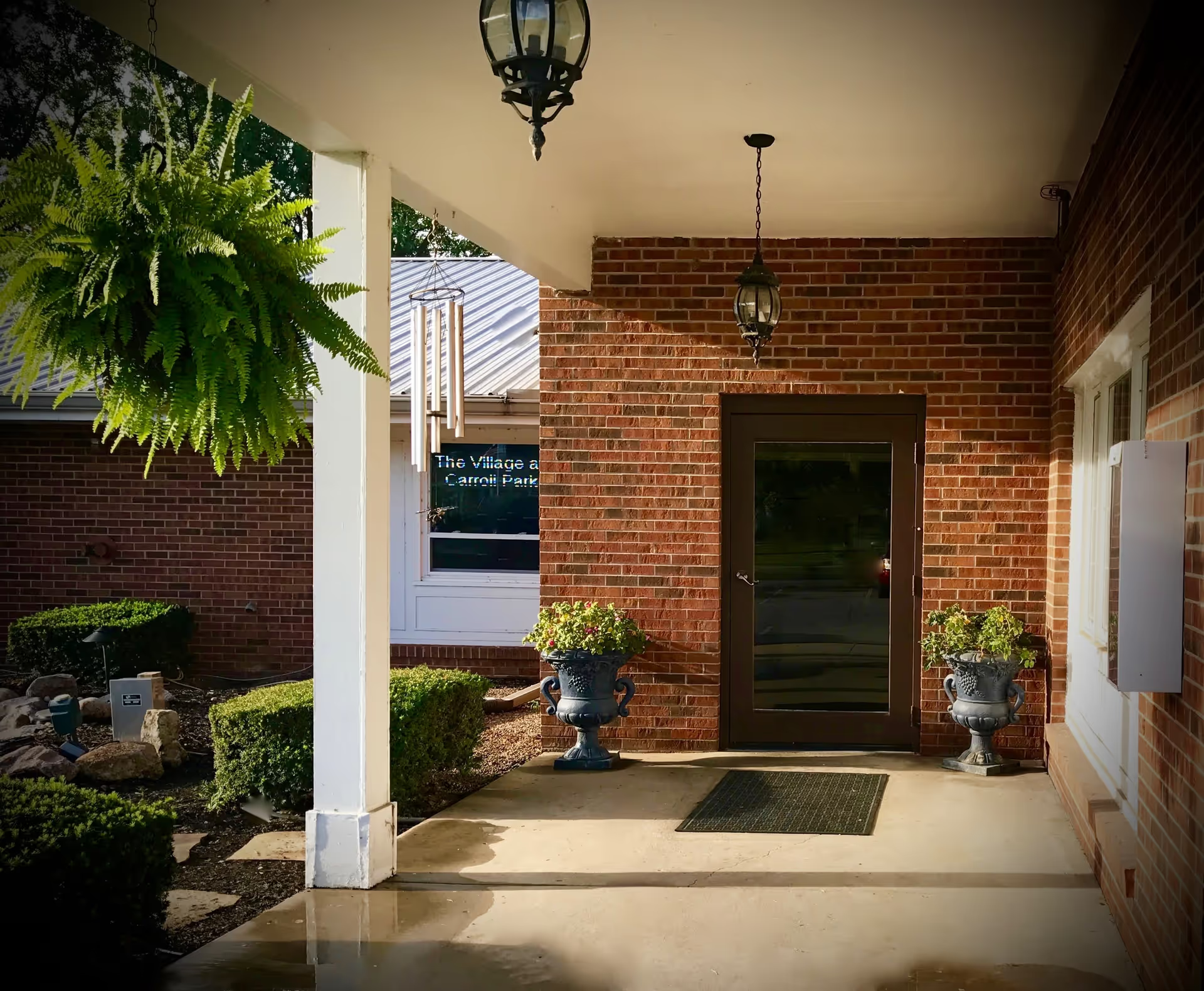
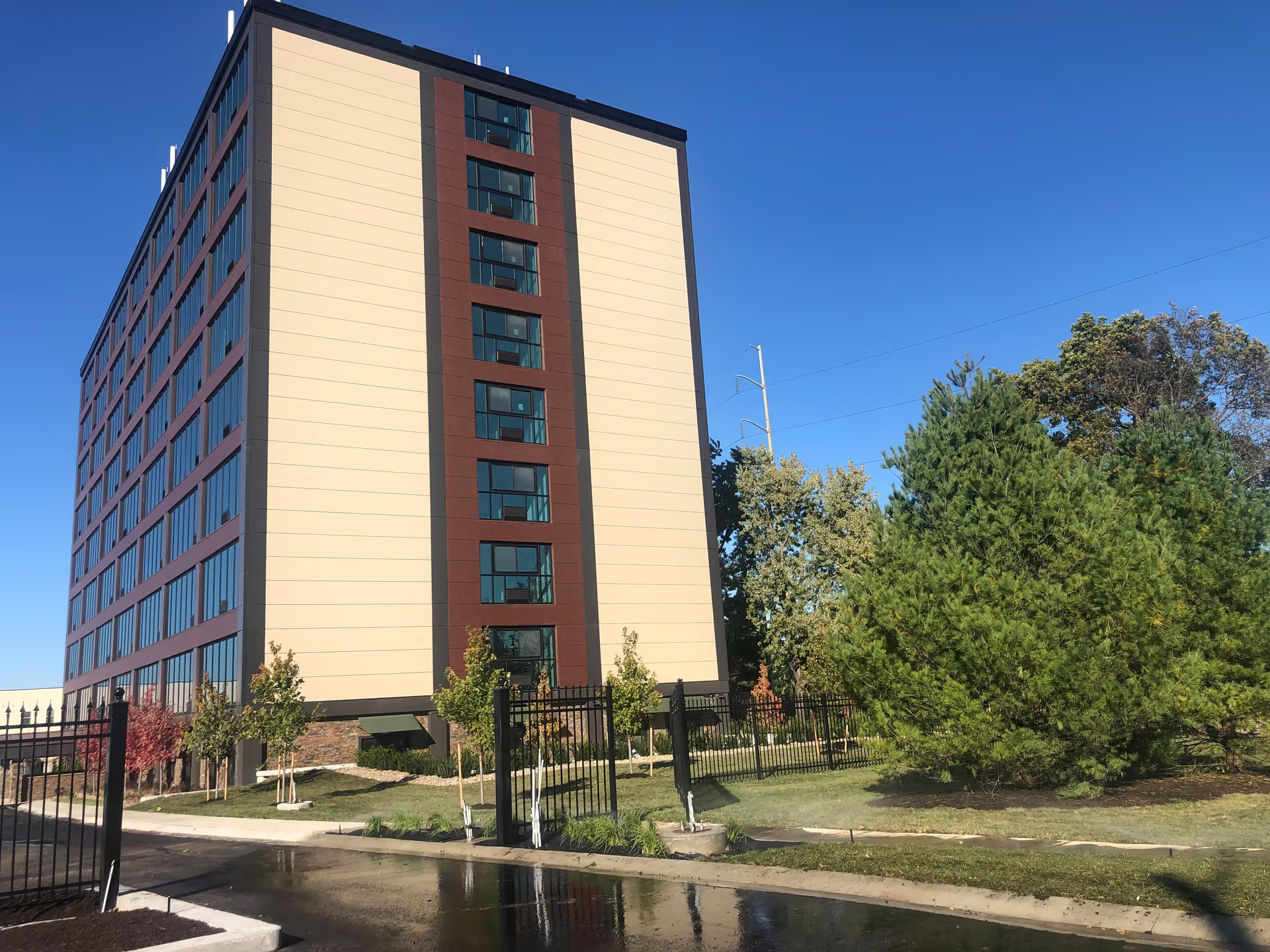
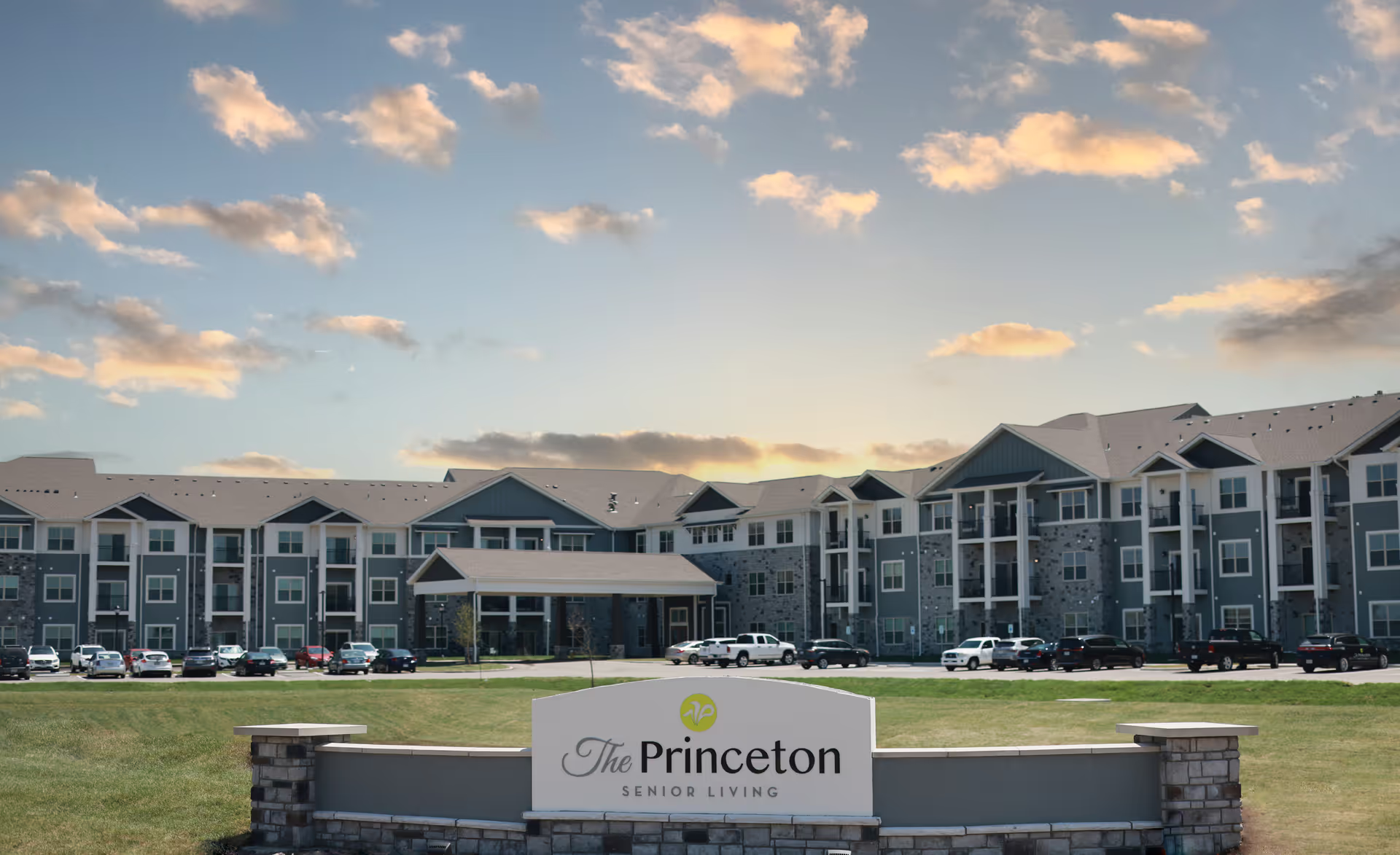
The reviews reflect a polarized experience at this facility: a number of families praise individual caregivers, the facility’s appearance, and episodic administrative responsiveness, while many others identify recurring operational problems that affect safety, communication, and sanitation. Positive comments emphasize direct-care staff who are attentive, knowledgeable, and supportive of family needs, as well as areas of the building that appear modern and well maintained. Several families reported satisfactory rehabilitative services and noted staff assistance that enabled participation in family events.
Areas of concern center on operational consistency. Communication failures are a persistent theme: callers describe unanswered phones, missed admission contacts, delayed family notifications following clinical events, and transfers or room changes that occurred without timely family consultation. These communication gaps extend to incident reporting and discharge processes, creating stress for families seeking updates or clarification about care decisions.
Staffing and clinical care show substantial variability. Multiple narratives indicate understaffing, rapid staff turnover, and morale problems; reviewers link those staffing patterns to delays in attending to residents, elevated fall risk, and inconsistent clinical practices such as wound and diabetes-related care. There are also specific concerns about transfer safety and reassessment practices. While some caregivers demonstrate competence and compassion, the uneven staffing undermines consistent, reliable care for medically complex residents.
Sanitation and food service are additional recurring themes. Several accounts describe odor concerns in common areas, linens and room-cleaning lapses, and kitchen hygiene deficiencies that raise infection-control worries. Meal quality and kitchen cleanliness are described as inconsistent, which can affect resident satisfaction and nutritional intake. Facility areas vary in condition: some reviewers praise updated exteriors and clean common spaces, while others describe dated or industrial-feeling rooms and cramped accommodations.
Management and culture-related issues underlie many negative comments. Reviewers cite abrupt leadership changes, perceived profit-focused decisions, and instances where families felt excluded from care decisions. There are also reported problems with resident belongings and property controls that families found troubling. Regulatory and survey-related concerns were mentioned by several families and suggest that oversight and quality-improvement processes may need strengthening.
For prospective residents and families: this facility shows strengths in individual caregiver relationships and certain physical amenities, but there are notable patterns of inconsistent communication, staffing shortages, sanitation and kitchen-control weaknesses, and variability in clinical care—especially for residents with complex medical or dementia-care needs. Those considering placement should request the facility’s most recent staffing levels, infection-control and kitchen inspection records, incident-reporting procedures, and examples of family-communication protocols. An in-person visit focusing on mealtime, staff-resident interactions, room accommodations, and how the facility communicates after clinical events will help assess whether the current operational environment meets the prospective resident’s needs.