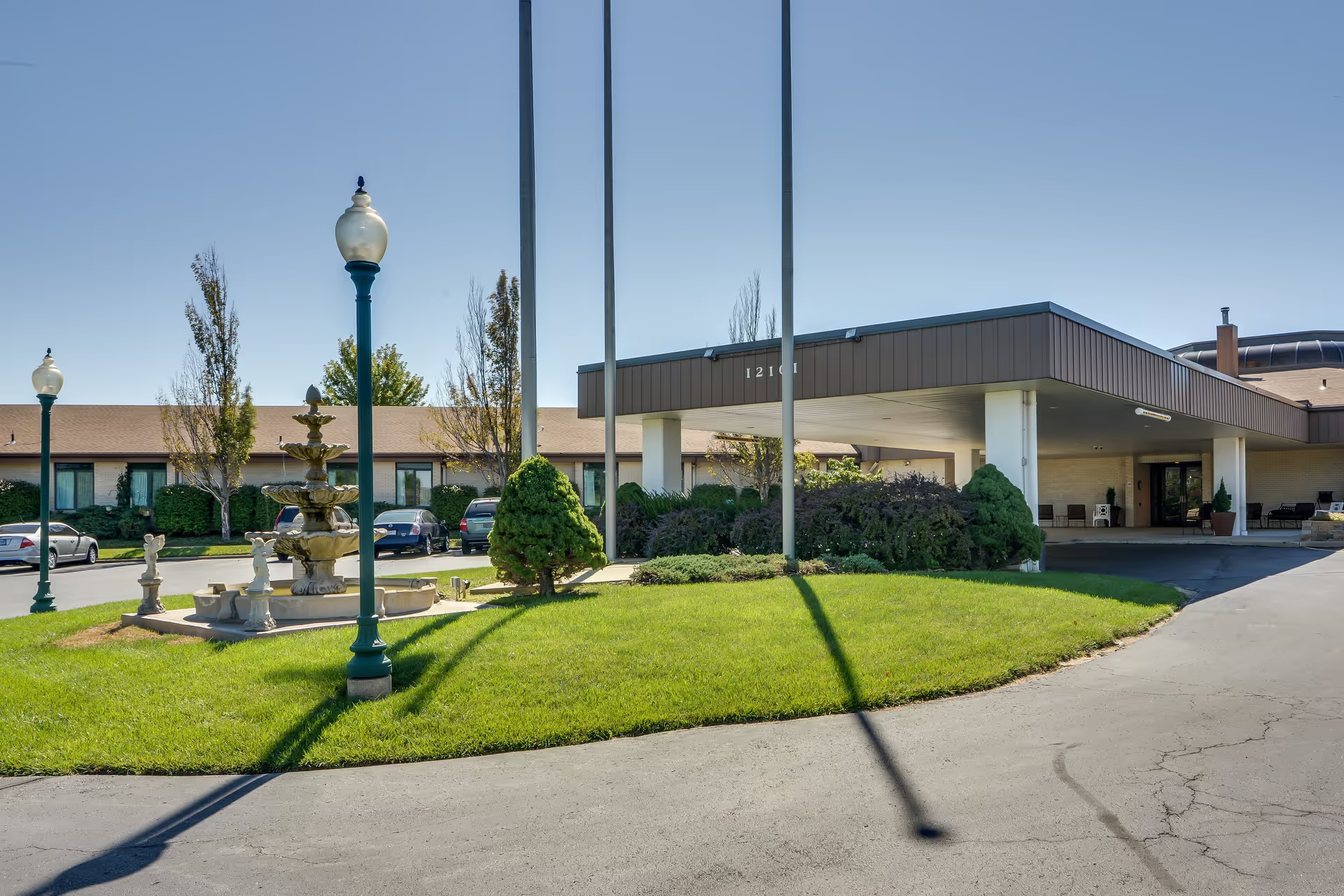
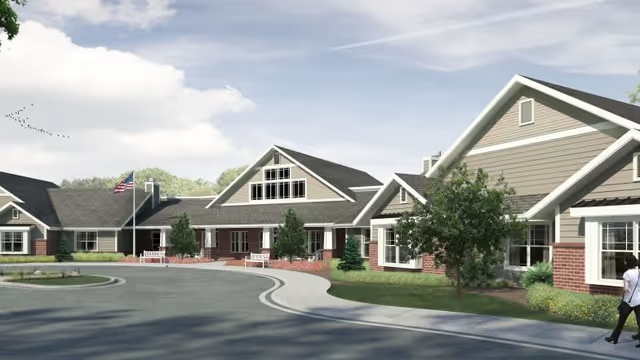
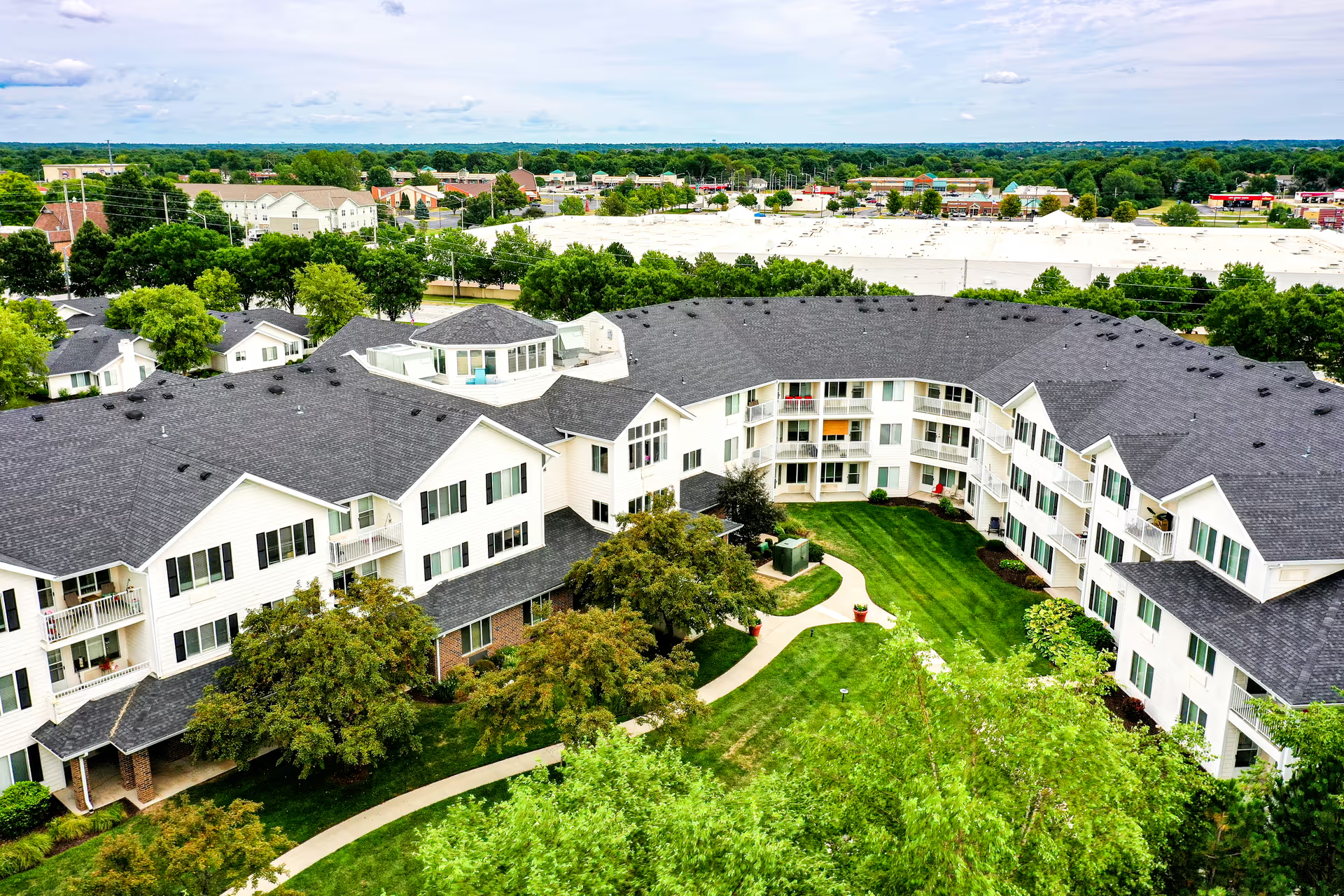
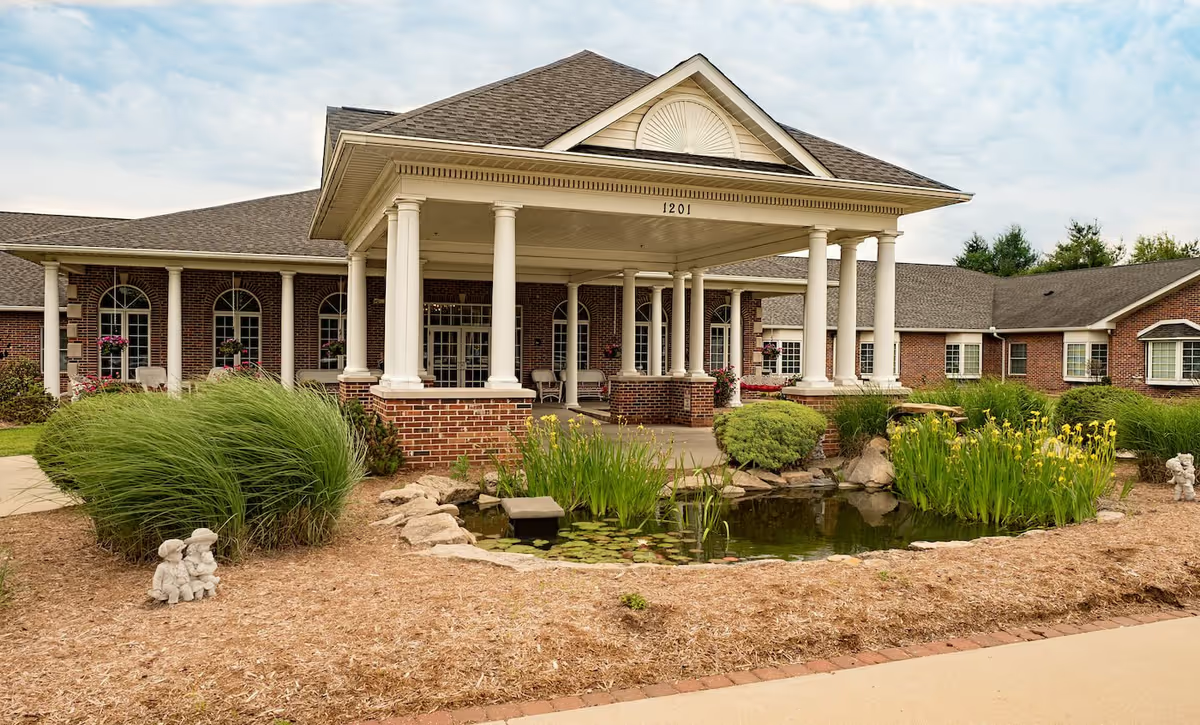
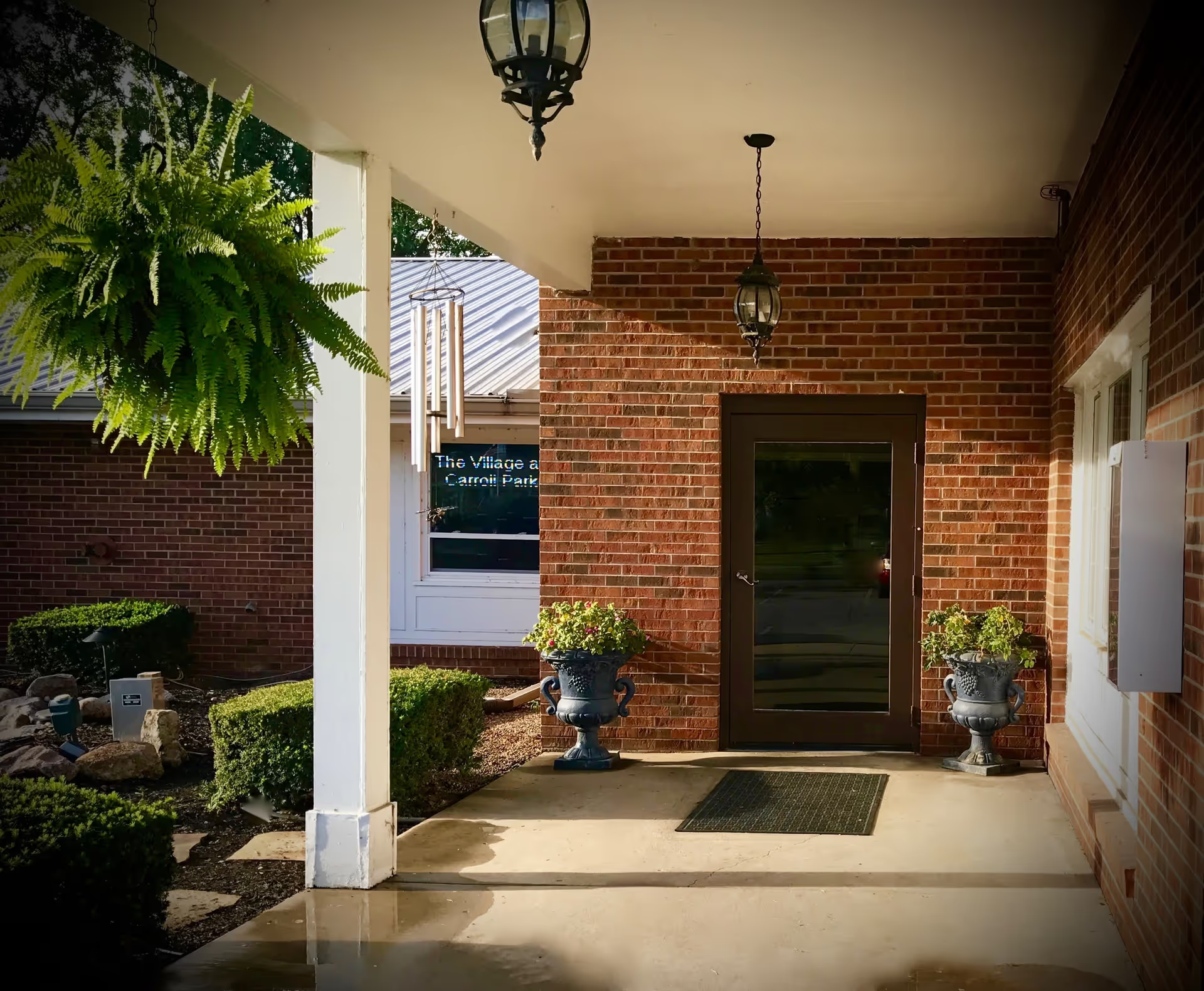
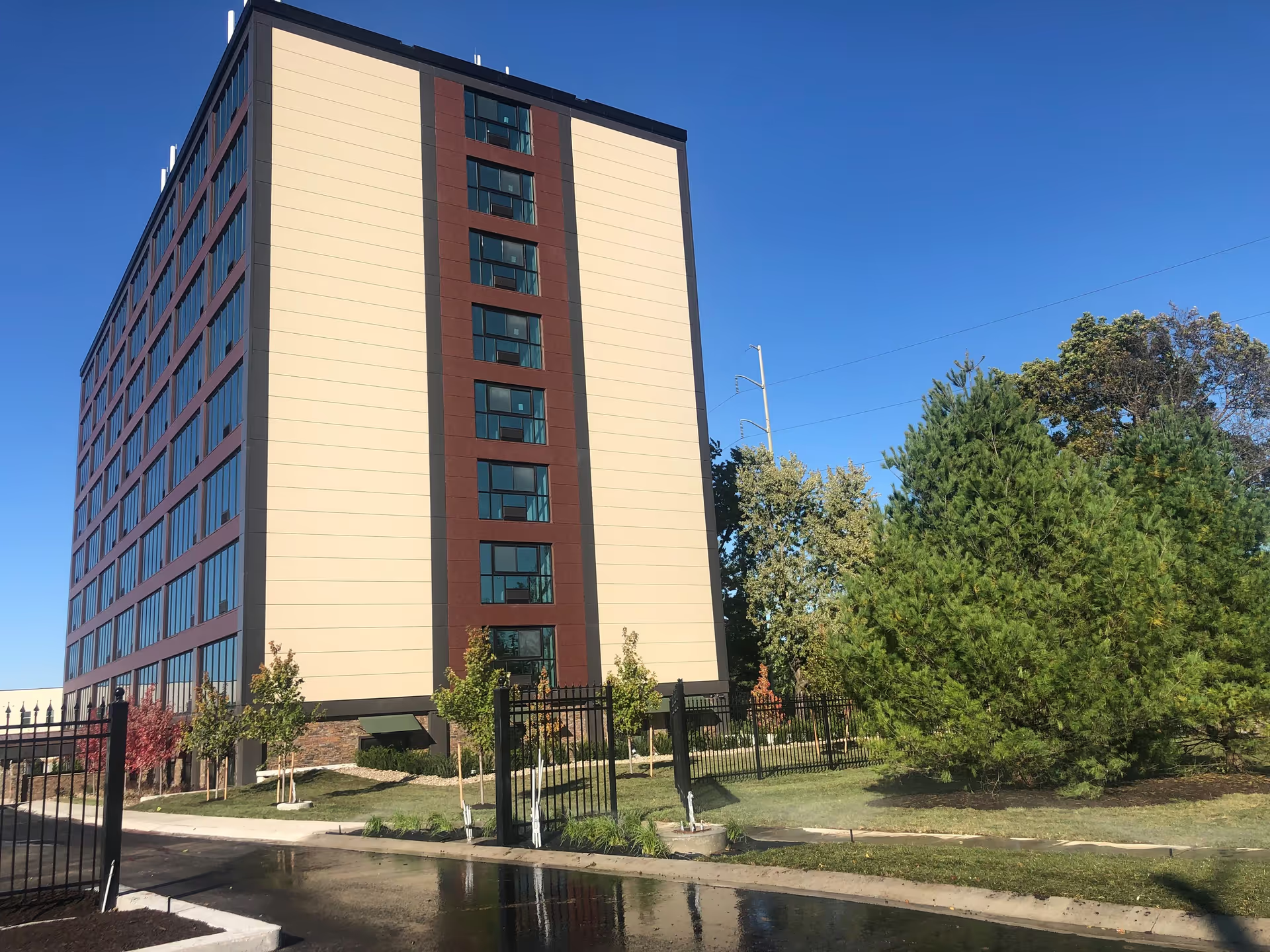
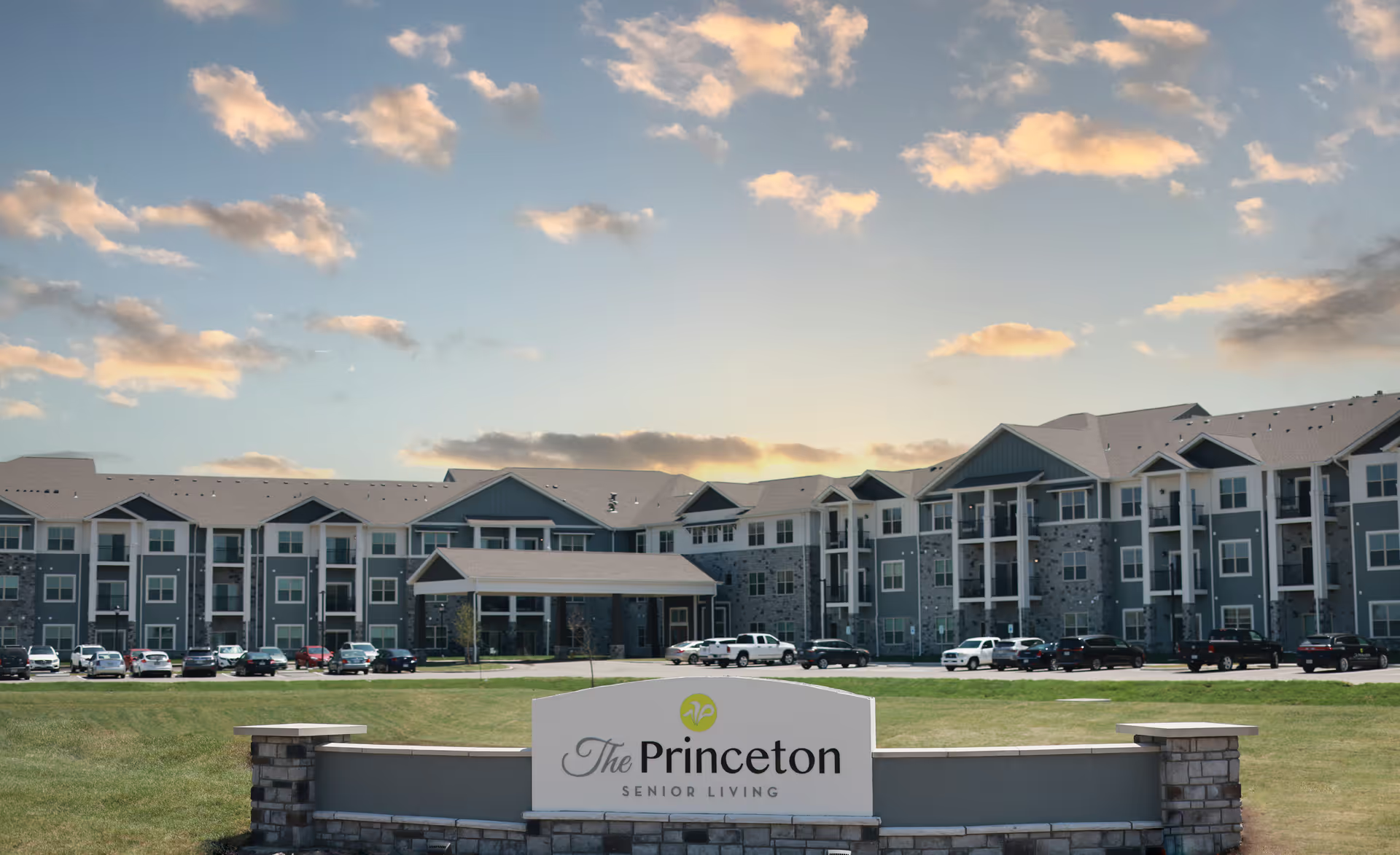
Reviews present a mixed picture of Westridge Gardens Rehabilitation & Health Care Center. Positive accounts emphasize an efficient admissions process, accessible rooms and bathrooms, coordination with VA transportation, and a therapy program capable of producing measurable mobility improvements. Many families commented positively on the facility's common areas — described as homey and suitable for family visits and community activities — and on a varied activity schedule. Individual staff members, including front-desk personnel, nurses, nursing assistants and specific caregivers, are frequently praised for compassionate, attentive work.
At the same time, there are recurring operational concerns that prospective residents and families should consider. Clinical care consistency is a central theme: reviewers describe gaps in wound and skin-integrity management, inconsistent rehabilitation outcomes, and delays in responding to call lights. These items point to weaknesses in clinical oversight and follow-through rather than one-off events. Several reviews also highlight short staffing, particularly overnight and on weekends, which reviewers associate with slower response times, incomplete rounds, and uneven adherence to care schedules.
Staffing and supervision also emerge as areas needing improvement. While some caregivers are singled out positively, others are described as unprofessional or insufficiently trained to follow clinical directions; reviewers cite examples such as lapses in routine documentation, missed rounds, and conduct that indicates weak supervisory reinforcement of standards. Communication and coordination are additional pain points: families reported inconsistent sharing of medical plans, delayed or unclear updates from clinicians and social work staff, and concerns about incident notification processes.
Food service and dietary management are another pattern of concern. Multiple reviewers described inconsistent meal quality, temperature and portion issues, and instances where diet-accommodation policies appeared to be inadequately enforced. Sanitation and facility maintenance are generally viewed as acceptable in some areas, but other comments indicate localized cleanliness and pest-control concerns that warrant inquiry during a visit. There are also a few mentions of personal-property and financial-control issues that suggest the need for clearer inventory and security practices.
For families considering this facility, recommended questions include: what are current staffing ratios on nights and weekends; what protocols exist for wound care and pressure‑injury prevention; how are call-light response times monitored and improved; how does the kitchen accommodate texture-modified diets; what infection-control and pest-management practices are in place; and how does the facility document and communicate incidents and care plans to families. A focused tour, conversations with the therapy team, review of recent inspection or regulatory records, and contact with current resident families can help clarify whether the facility’s strengths align with an individual’s clinical and social needs.