Reviewer accounts present a strongly mixed picture of care at this facility. Many families and patients praised individual caregivers, therapy staff, and hospice partners for attentive, patient-centered work; those positive accounts highlight effective rehabilitation, engaging programming, and compassionate day-to-day support. At the same time, a substantial set of concerns describes operational problems that can affect resident experience and clinical safety.
Care quality appears uneven. Positive observations emphasize competent nursing, attentive aides, and therapy that improves mobility and independence. Several families described staff who went beyond routine duties to arrange accommodations and keep residents engaged. Conversely, other accounts describe slow responsiveness to call lights, delays in personal-care assistance, medication-administration control problems, and instances that led families to question clinical oversight. There are also references to skin-integrity and wound-related concerns and to delays in family notification following significant clinical events; these items suggest variable adherence to clinical protocols and escalation practices.
Staff-level descriptions are similarly polarized. Many reviewers singled out dedicated, kind CNAs, nurses, and social-service personnel who foster family-like relationships and provide individualized attention. However, other commentary points to chronic short staffing, long shifts for aides, staff burnout, and occasional unprofessional conduct. These operational pressures are linked in accounts to slower response times and inconsistent attention to routine care tasks. Several reviewers also expressed concerns about safety oversight when staff behavior raised questions about suitability or supervision.
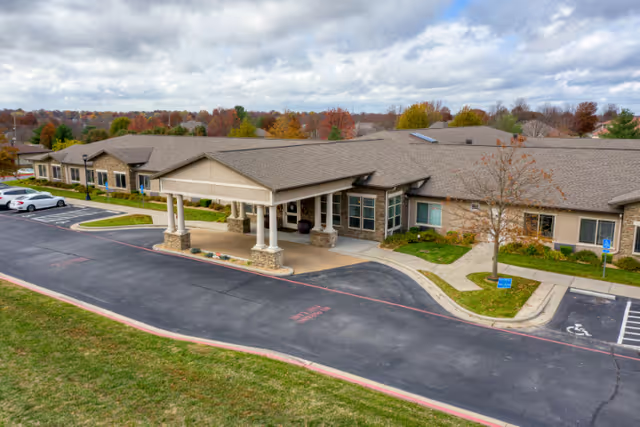
Dining and activities are frequently cited as strengths in terms of engagement and variety. The facility is credited with providing entertainment, social programming, and rehabilitative schedules that keep residents active, including programming during restrictive periods. Food quality descriptions vary: some families praised meals, while others found dining continuity and meal quality inconsistent. The facility’s acceptance of Medicaid and its convenient location were also noted as practical advantages.
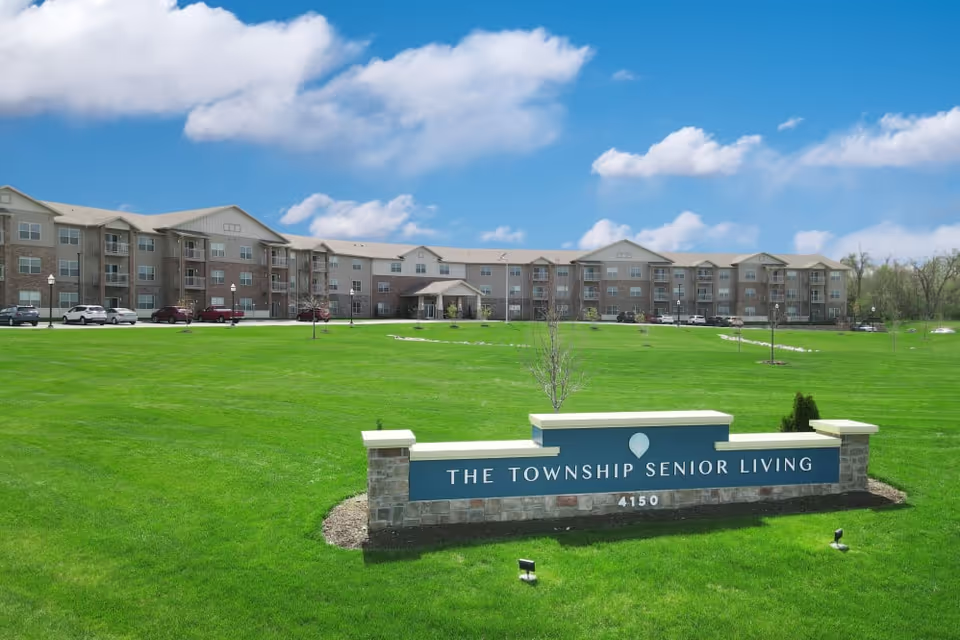
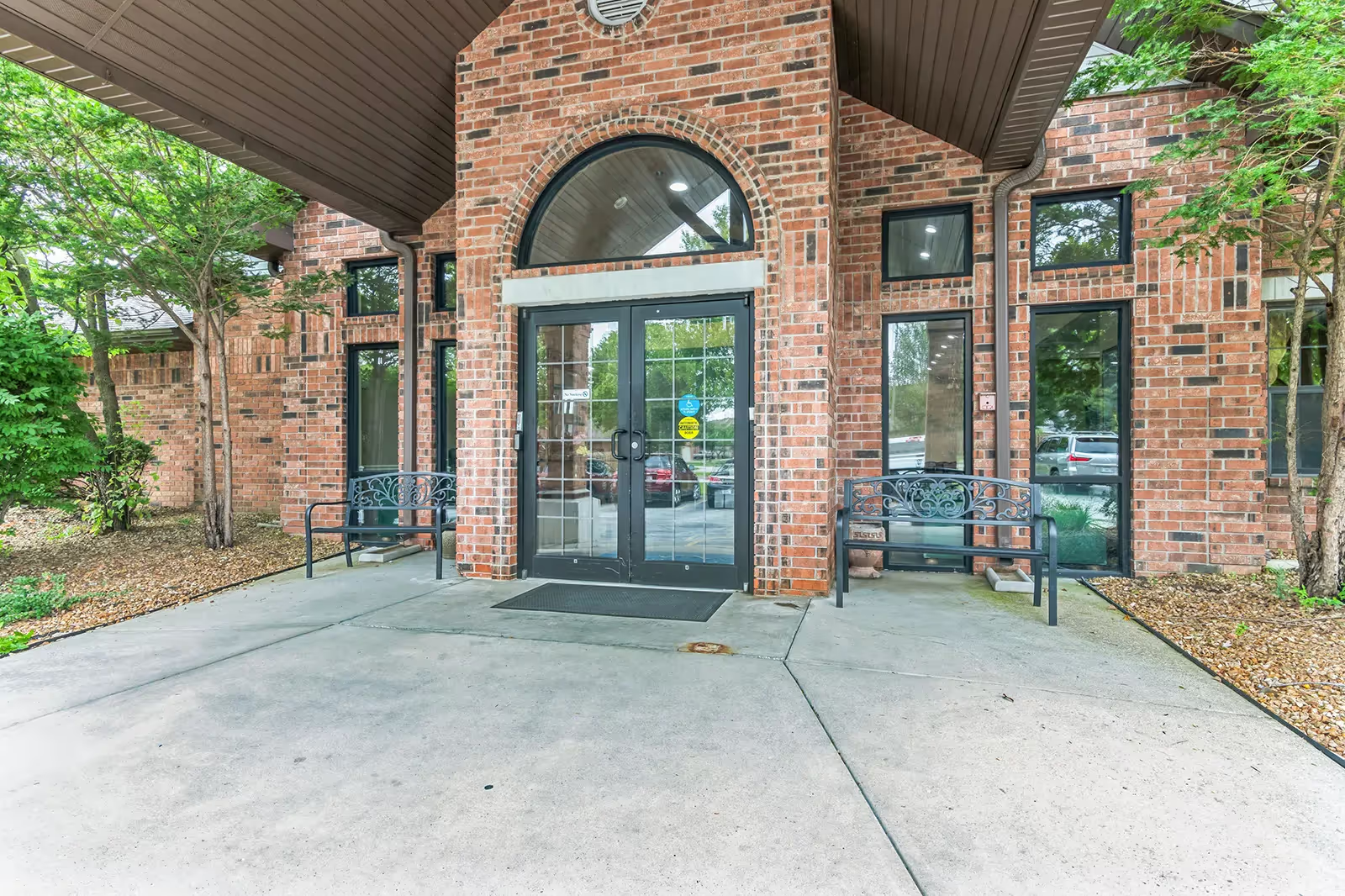
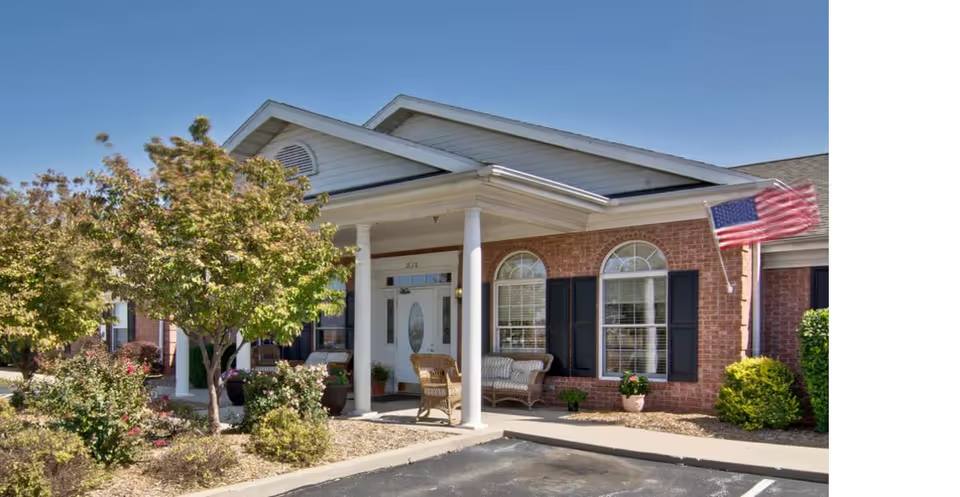
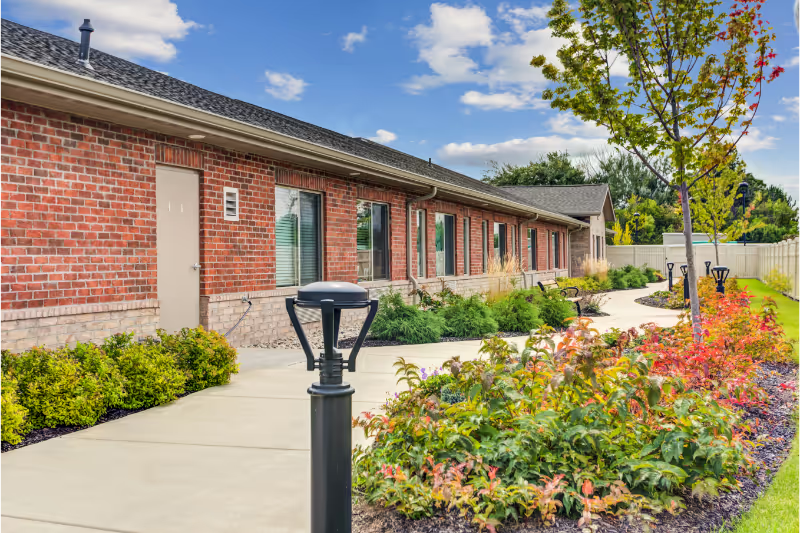
Facility upkeep and infection control drew mixed remarks. Many reviews describe clean rooms, large bright spaces, and a quiet environment with no pervasive odors. At the same time, there are isolated sanitation concerns and questions about infection-control follow-through. Several reviews referenced missing personal items and problems with property handling, raising concerns about inventory and property-management practices.
Management and governance emerge as a recurring theme. Positive interactions with case managers and certain administrators were reported, but there are also persistent concerns about leadership culture, accountability, and transparency. Issues cited include favoritism, staff-management conflict, withheld documentation, and questions around how incidents are handled and communicated to families. There are also mentions of alleged financial and property-control issues; given the seriousness of those claims, families may wish to review inspection records and incident logs.
Overall pattern: many families experienced attentive, effective direct care—particularly in rehabilitation and hospice coordination—while others encountered system-level weaknesses tied to staffing, leadership, and clinical oversight. Prospective residents and family members should consider an in-person tour; ask for current staffing ratios, medication-safety and incident-reporting policies, documentation of infection-control practices, and recent inspection findings; and speak directly with therapy, nursing leadership, and social services to assess fit with the resident’s clinical and social needs.