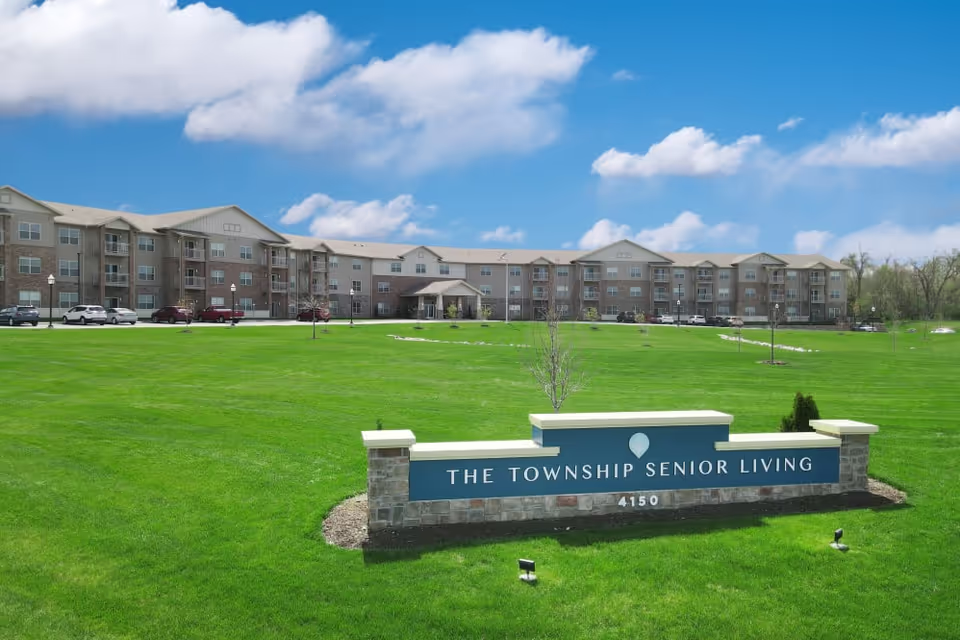
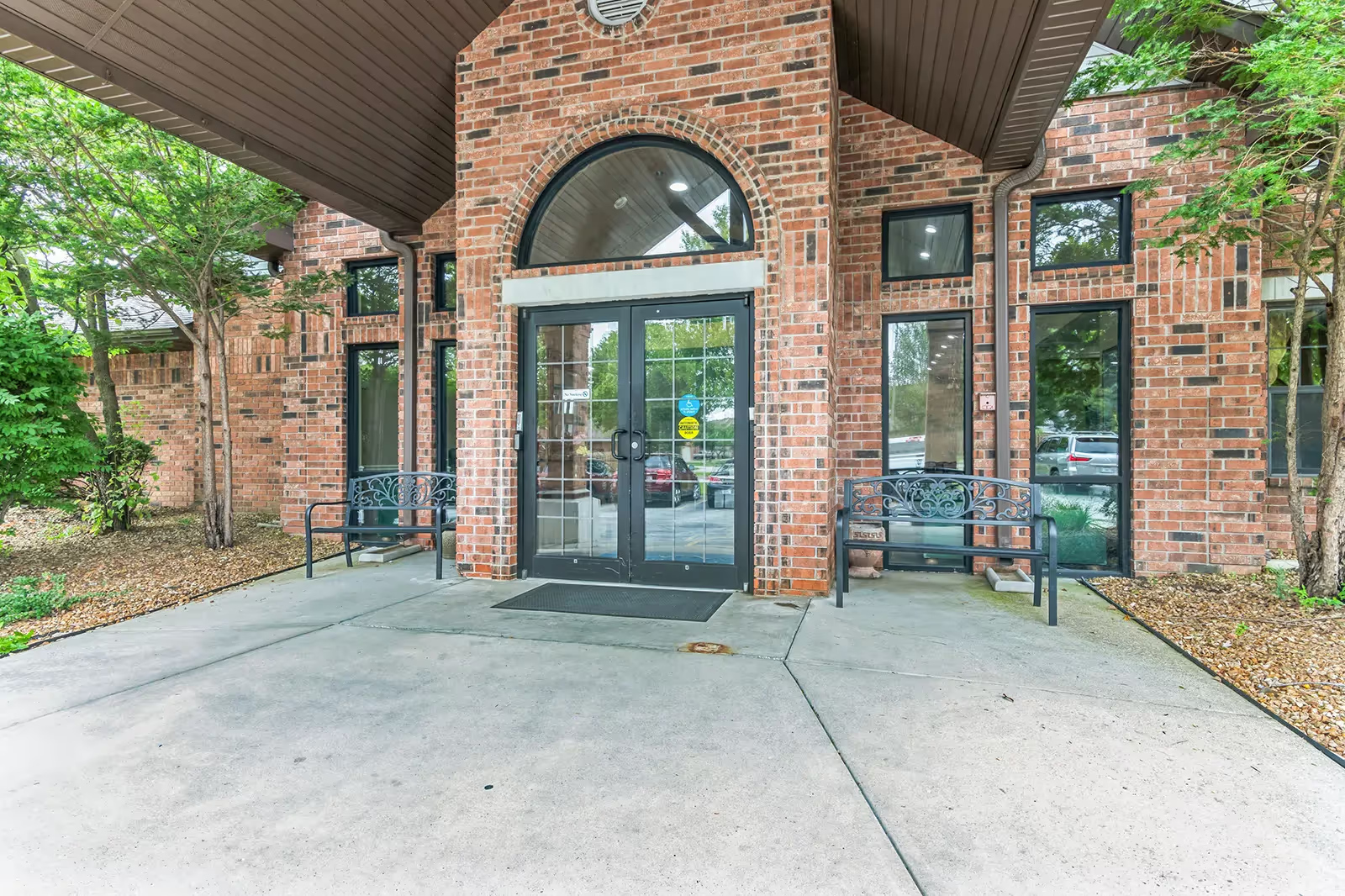
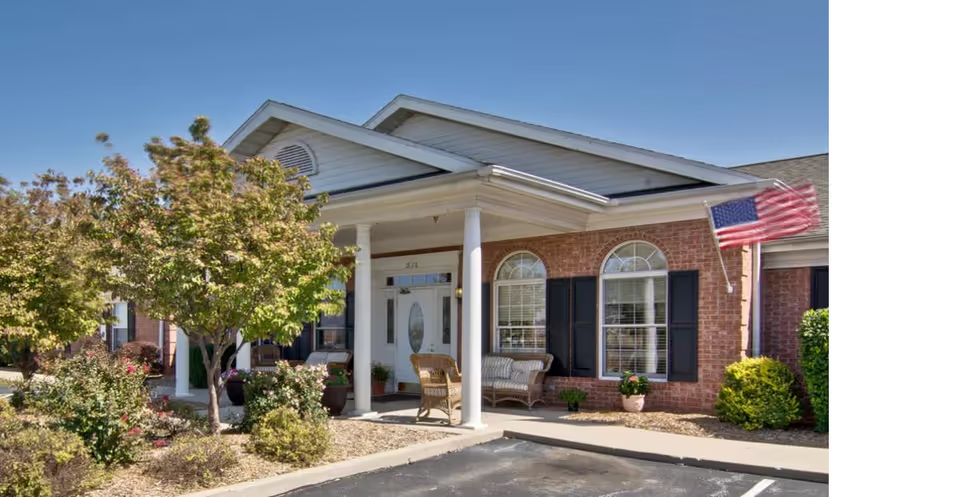
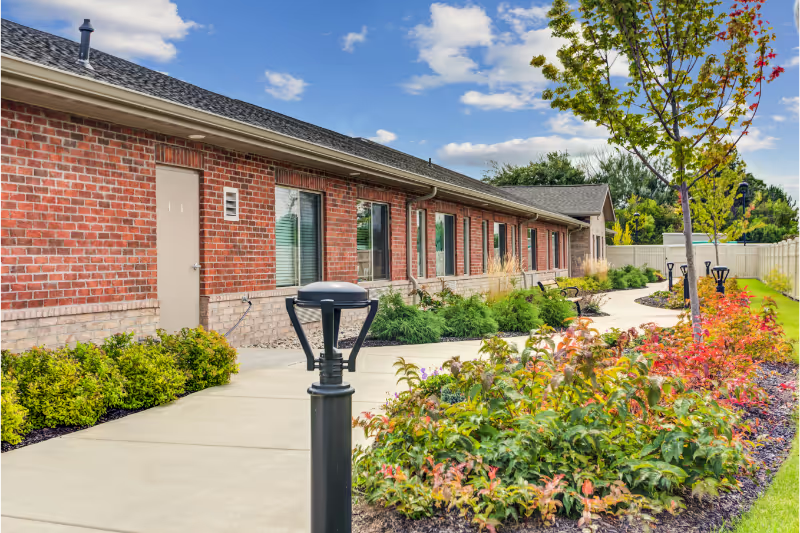
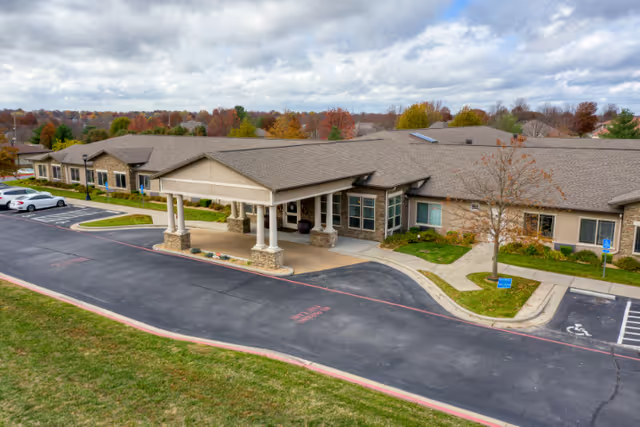
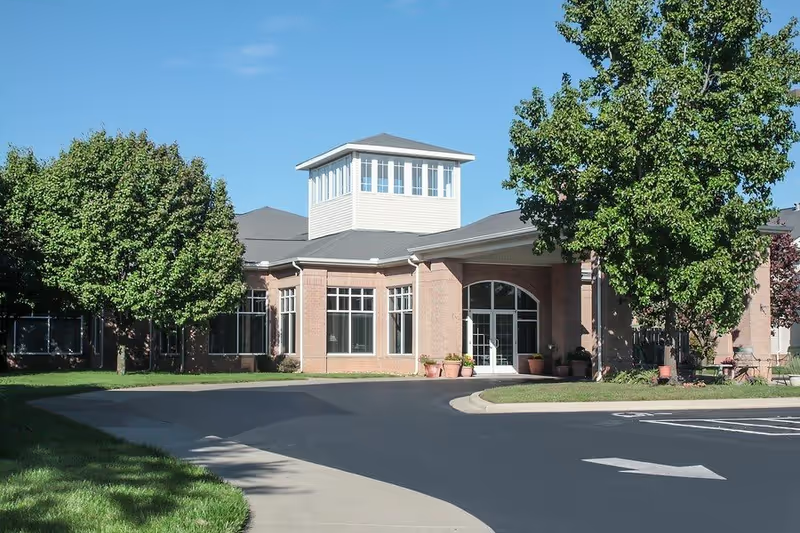
Reviewers describe a facility with several positive strengths alongside notable operational concerns. Positives frequently cited include compassionate, caring staff and dedicated direct-care personnel who provide comfort and individualized attention; families noted good communication in many cases, hospice support when needed, and an active activities program that residents enjoy. Dining quality is generally acceptable, common areas are described as clean and maintained, and room accommodations are characterized as basic but functional and reasonably priced.
At the same time, a subset of reviews raises serious operational concerns that prospective families should consider. Several reviewers described incidences that point to inconsistent staffing and responsiveness, including delays in attending to basic needs and restroom assistance. There are specific concerns about medication-management controls and documentation accuracy; a few accounts describe medication administration errors and charting discrepancies that indicate weaknesses in clinical oversight and recordkeeping. Relatedly, reviewers described delayed escalation to higher-level care for acute events, suggesting gaps in clinical-incident response and transfer protocols.
Additional themes include inconsistent hygiene and infection-control practices in some rooms, and problems with parking and visitor logistics. Communication appears uneven: while some families reported timely updates and responsive staff, others experienced poor or delayed communication about care issues. Dementia care is a mixed picture — the facility offers dementia-programming and some families were satisfied with support, while others questioned the facility's suitability for residents with significant cognitive impairment because of inconsistent implementation.
In summary, Sonshine Manor presents a combination of meaningful strengths and operational risks. Strengths are centered on the interpersonal side of care — compassionate staff, activities, hospice support, and generally acceptable facilities and dining. Risks are primarily operational: staffing reliability, medication and documentation controls, incident escalation procedures, infection-control consistency, and visitor/parking management. Families considering this facility should tour in person, ask specific questions about staffing ratios, medication-administration safeguards, incident escalation protocols, infection-control procedures, dementia-care staffing/structure, and documentation practices. When concerns about clinical safety are present, families may consider arranging for additional monitoring measures during the transition period and maintaining close communication with leadership and clinicians.