Reviews of Riverside Nursing & Rehabilitation Center describe a facility with notable strengths in direct caregiving and rehabilitative services alongside persistent operational and facility challenges.
Care and clinical oversight: Families frequently praised nursing, caregiving staff, and the PT/OT rehabilitation program for compassionate, resident-centered care and effective therapy outcomes. At the same time, reviewers raised concerns about inconsistent physician presence and variable clinical oversight, which contributed to delays in diagnostic follow-up and medication-related issues in some cases. There are also broader concerns about documentation and recordkeeping practices, including at least one allegation of manipulated records, and several comments about missing discharge paperwork; these point to gaps in administrative clinical controls that warrant attention.
Staff and communication: Many reviewers described staff as kind, respectful, and family-oriented, and several noted long-tenured teams and strong collaboration among some departments. However, staffing shortages and uneven coverage — particularly overnight and during high-acuity periods — were frequently cited, producing slower call response times and delays in attending to residents. Communication with families and the front desk was inconsistent: some families reported clear, timely updates while others described difficulty reaching staff, billing confusion, and delayed notifications about hospital transfers. Language barriers with some staff members were also mentioned as a potential impediment to clear care communication.
Dining and activities: Positive feedback emphasized home-style, well-seasoned meals served hot and an active recreational program that includes art, library, bingo, and outdoor garden access. Large activity and dining areas received favorable comments, and many families appreciated the variety of daily options and social opportunities that supported quality of life. Conversely, reviewers reported intermittent problems with meal timing, continuity of service, and limited options for specific dietary needs, such as diabetes-friendly meals.
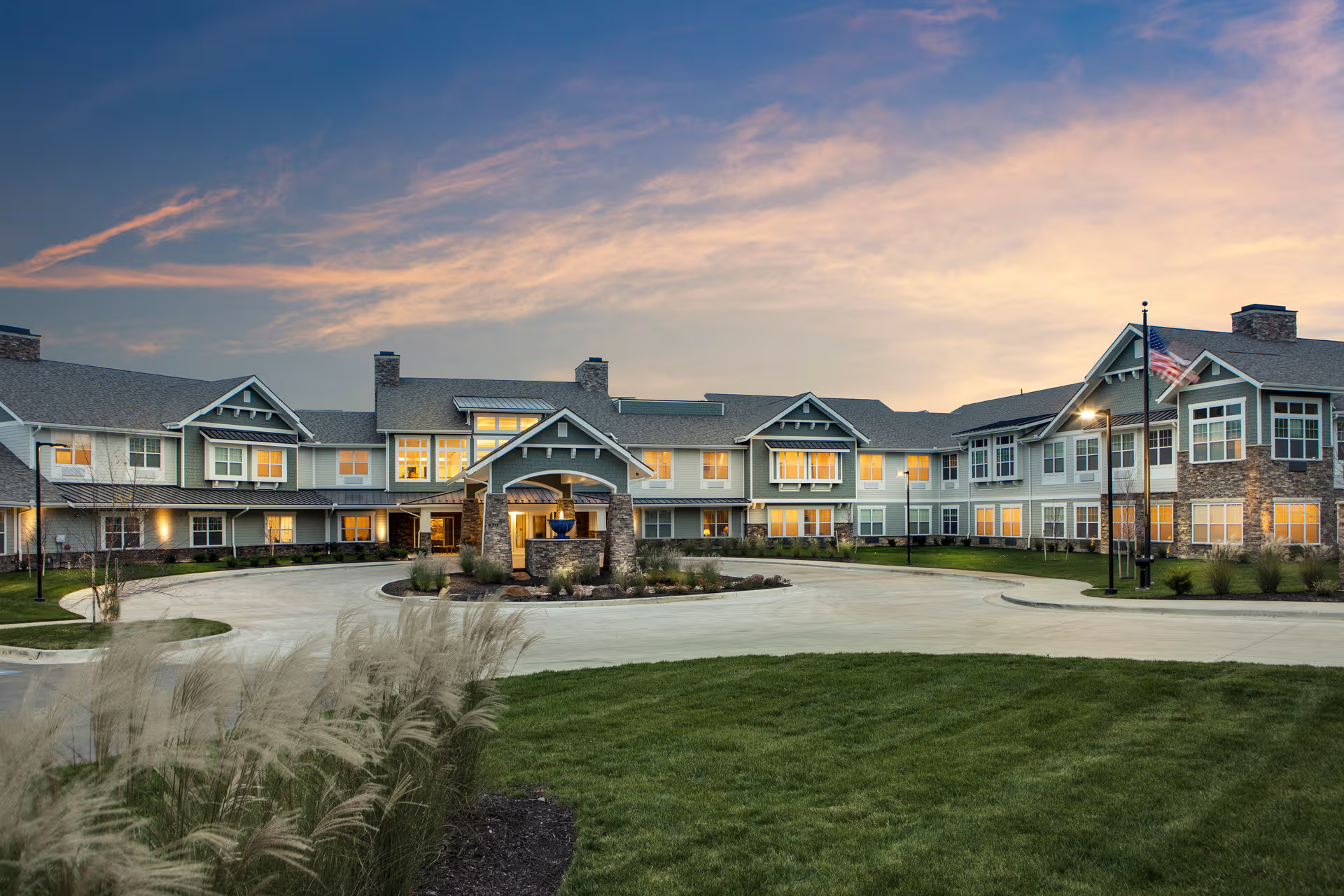
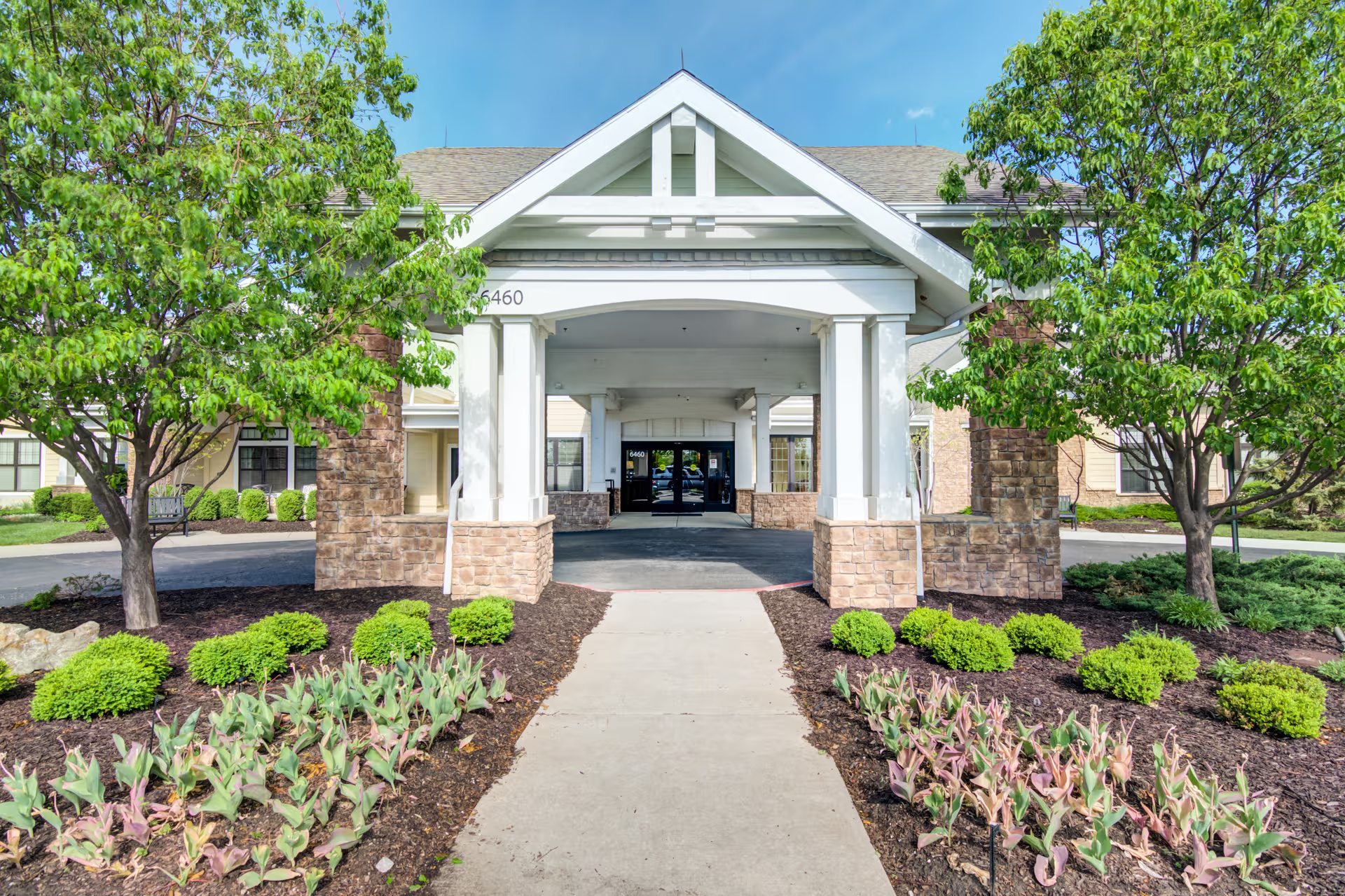
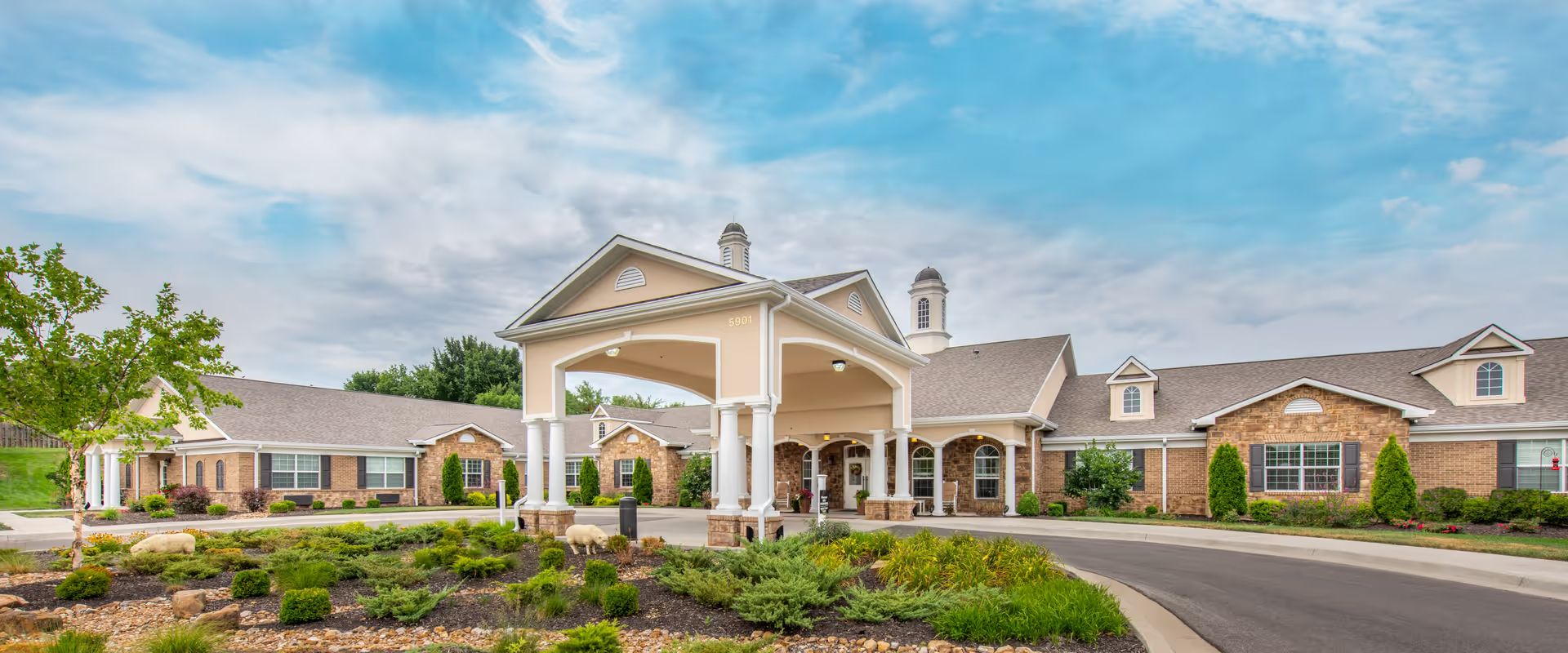
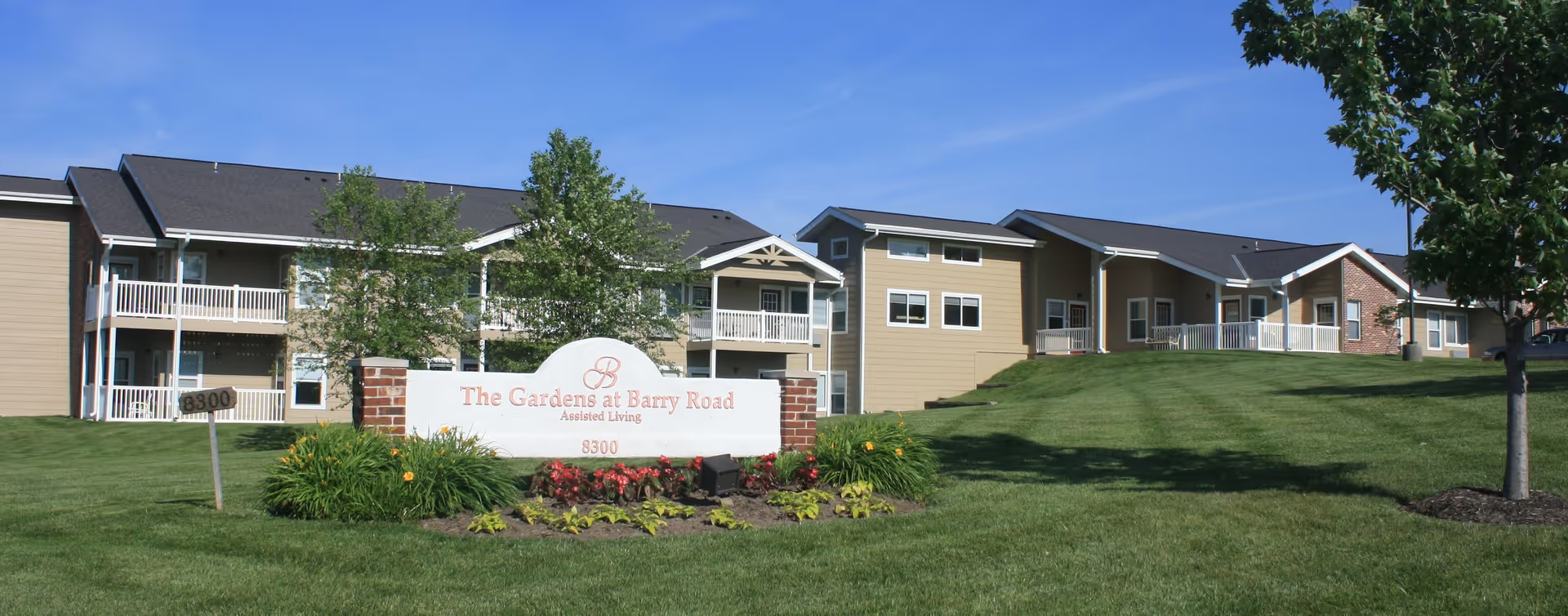
Facilities and sanitation: Accounts are mixed. Several reviewers described clean, well-kept areas, while a number raised sanitation concerns, odor issues in parts of the building, and signs of wear in infrastructure — chipped doors, dated finishes, and areas needing maintenance. These observations suggest uneven housekeeping and facility upkeep across units. There were also references to pest-control and air-quality concerns and to inconsistent incontinence-care responsiveness, indicating areas for operational improvement.
Management, safety, and notable patterns: Management received contrasting evaluations; some families credited strong leadership and a safe, secure environment, whereas others described problems with administrative responsiveness, perceived dishonesty, and billing or paperwork irregularities. Safety-related patterns include concerns about access control and entry security, inconsistent infection-control practices during outbreaks, and weaknesses in emergency response and family notification protocols. There were also reports raising concerns about resident-property safeguards and isolated serious incidents prompting calls for regulatory or legal review. Given the mix of positive clinical experiences and the recurring operational issues described, prospective residents and families would be advised to tour the facility, ask for documentation of staffing levels, infection-control protocols, maintenance schedules, and to seek clarity on physician coverage, documentation practices, and family communication procedures before making placement decisions.