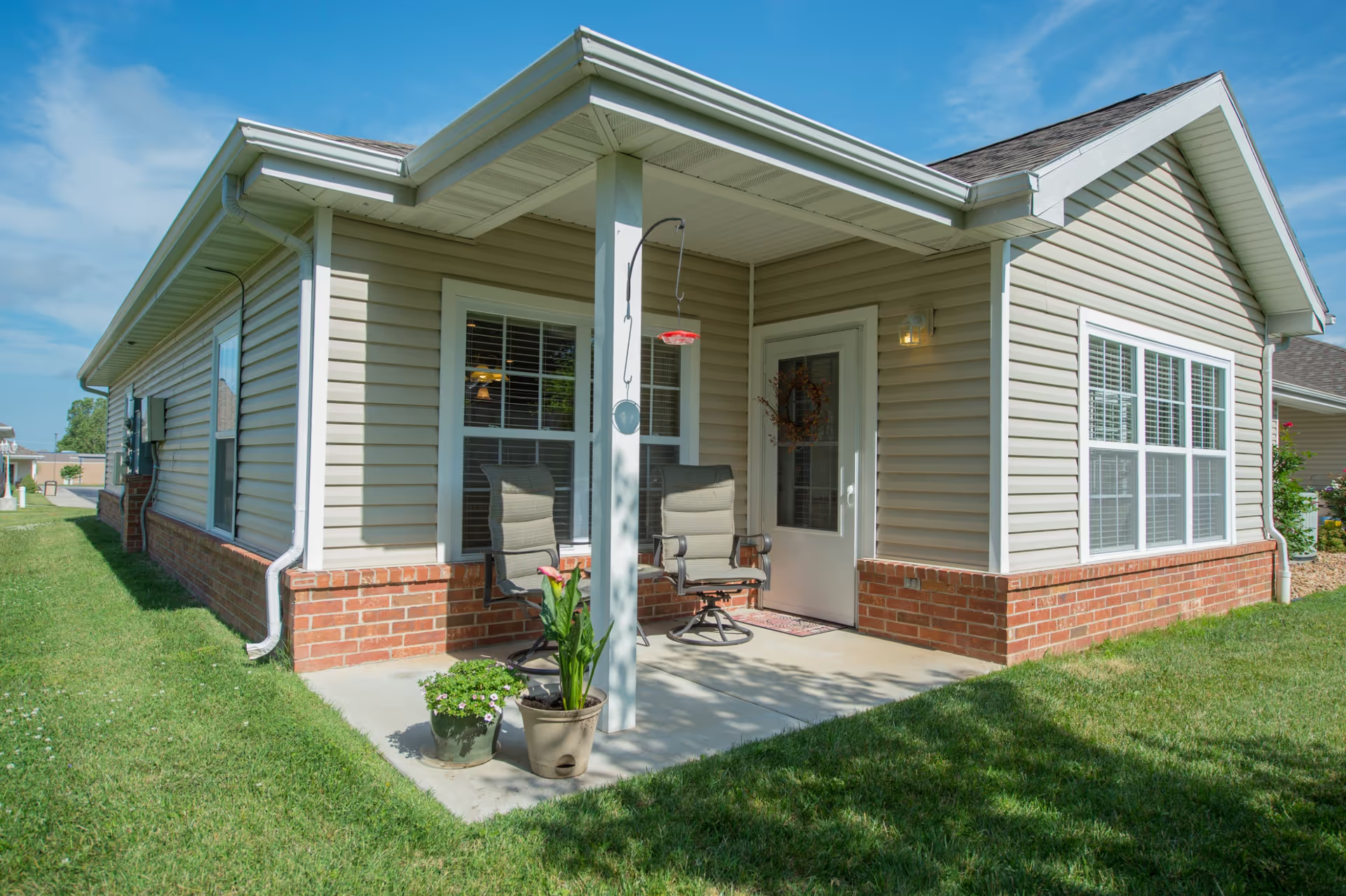
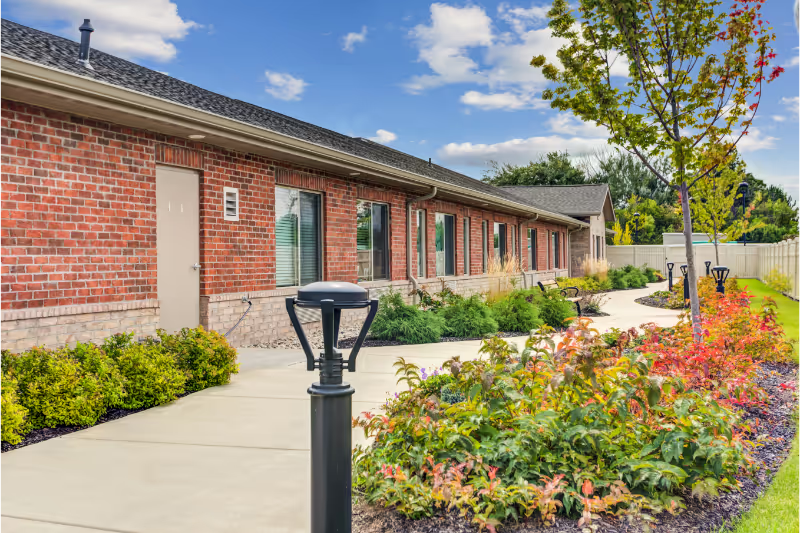
Across the reviews there is a clear pattern of strengths centered on person-focused care, especially for residents with memory impairment, and an active social program. Families frequently describe caregiving staff as compassionate and skilled with dementia, and several comments single out nursing and therapy teams for effective clinical support and rehabilitation outcomes. The memory-care cottage is repeatedly characterized as home-like and secure, with private outdoor space that residents and families appreciate.
Activity programming is a consistent positive: reviewers mention a wide range of options (music, crafts, bingo, exercise classes, shopping trips and on-site church) and note staff engagement with residents’ life stories as a differentiator. Practical services such as on-site hairdressing and manicure services are cited as meaningful quality-of-life features. Many visitors also praised common areas, the facility’s proximity to hospitals, and an efficient admission/tour process that gives families reassurance.
At the operational level, reviewers describe mixed experiences. A recurring concern is staffing: aides and nurses are described as dedicated but stretched thin, which reviewers connect to delays in assistance, slower response to call systems, and occasional gaps in routine care. Dining feedback is inconsistent—some reviewers praise the cook and flexible dining options, while others indicate meal quality and service continuity can vary. Cleanliness of common spaces is often praised, but there are also sanitation and pest-control concerns that merit investigation during a visit.
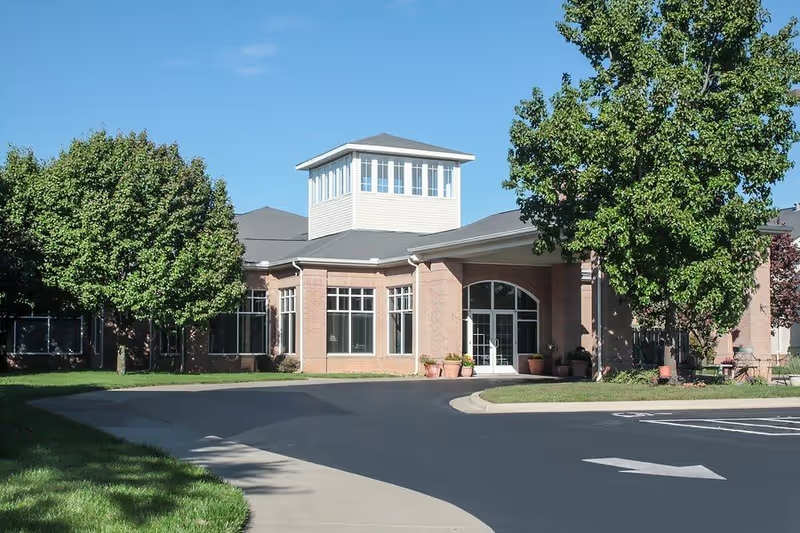
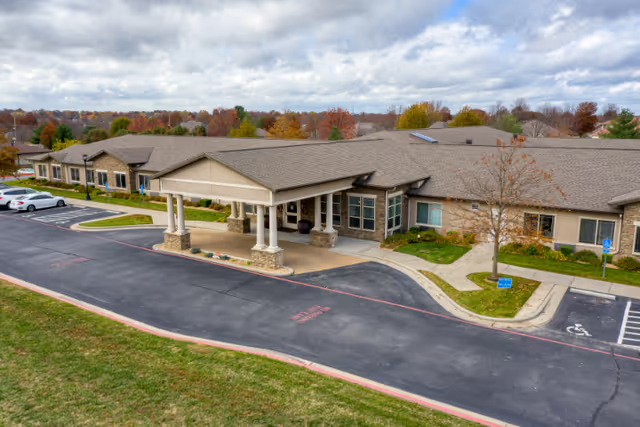
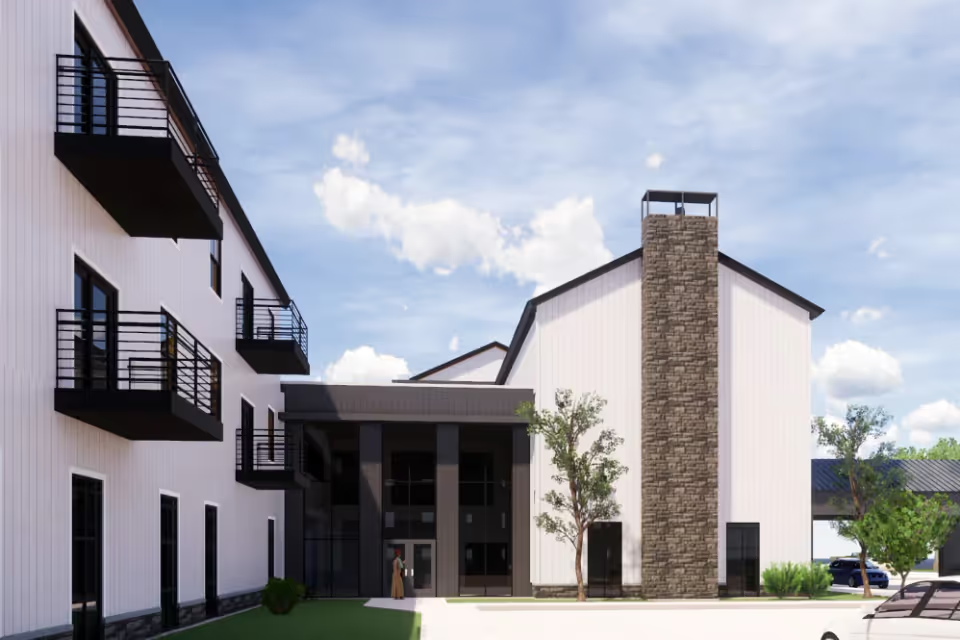
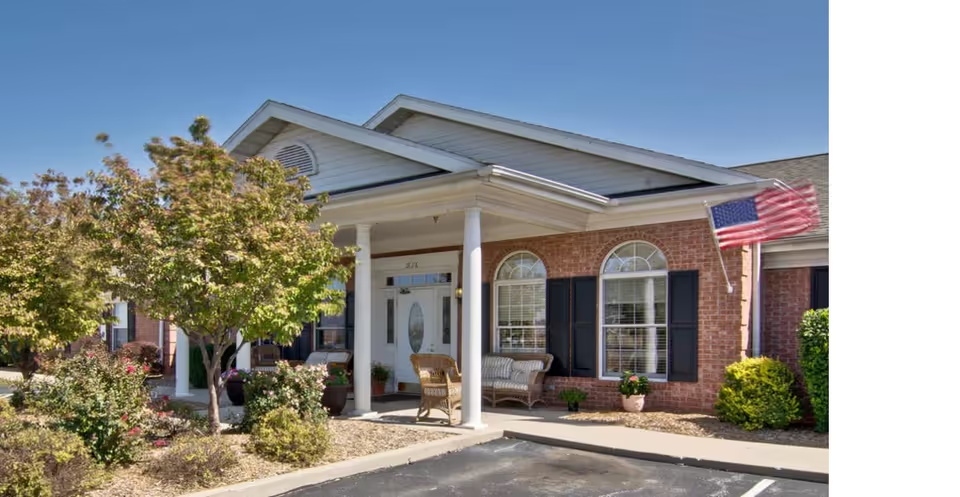
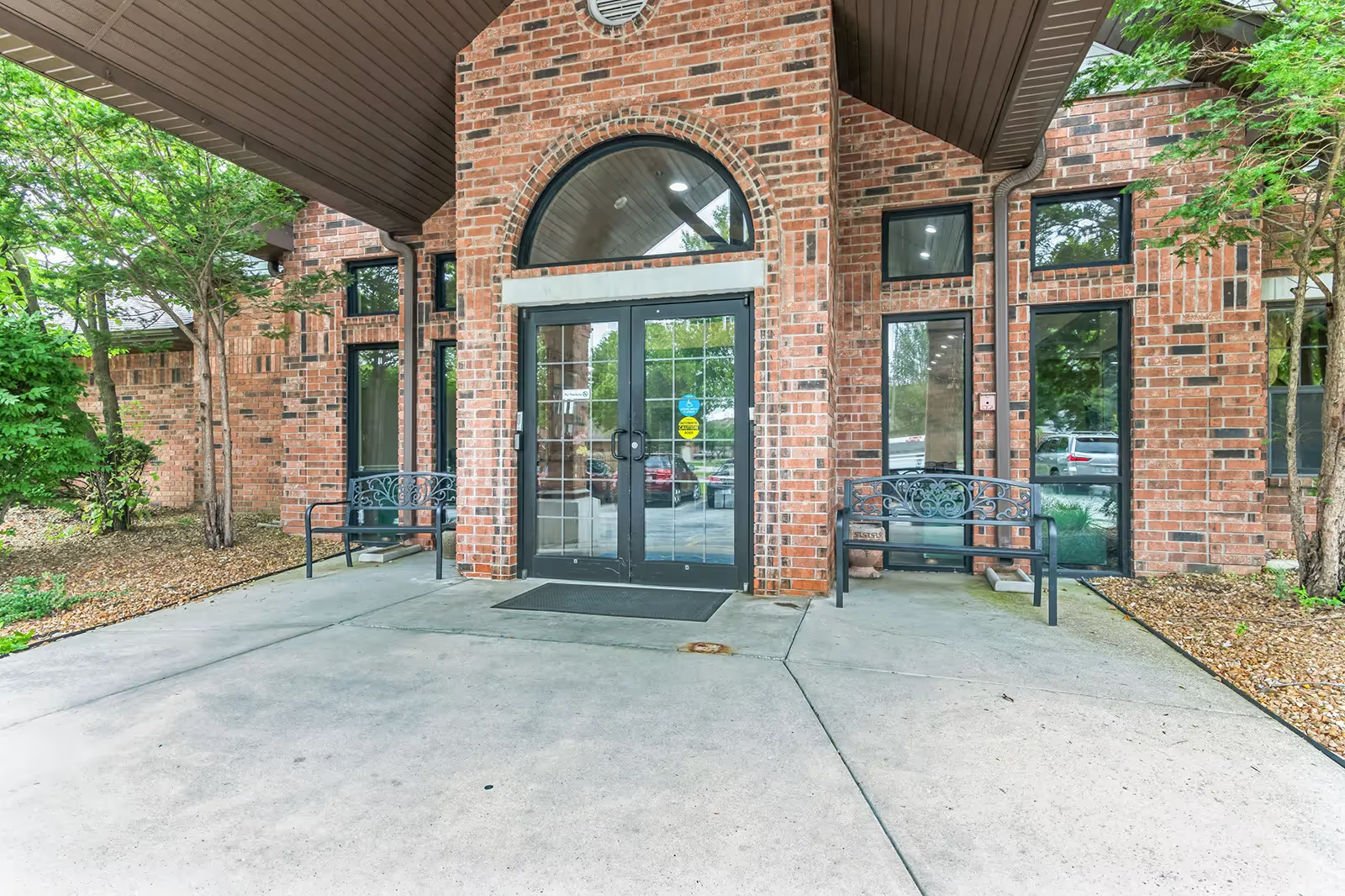
Facility condition and value present another mixed picture. The campus has attractive common areas and a secure memory unit, but some rooms are described as small, dark, or in need of updating; ongoing remodeling was noted. Cost is commonly described as comparable to or higher than peers, and several families felt the price did not always align with the perceived level of maintenance or staffing. Communication and management accountability show variance: some reviewers commend a warm, family-like administrative approach and consistent leadership, while others describe unclear staff hierarchies, perceived favoritism, weak follow-through on complaints, and staff-pay concerns that may contribute to turnover.
There are a small number of serious allegations that should be explored directly with the provider: reviewers raised concerns about employee theft and questionable use of hospice services. These specific, high-impact claims are less common than the operational themes above but would warrant direct inquiry and review of documentation by prospective families.
Recommendations for prospective residents and families: when touring, ask targeted questions about current staffing ratios and how float or non-resident duties are handled; request recent pest-control and sanitation records; sample menus and inquire about dining continuity across shifts; inspect room options for lighting and layout; and ask management about staff turnover, compensation strategies, abuse-prevention/accountability policies, and hospice referral protocols. Overall, Ravenwood appears to offer strong dementia care, engaging programming, and supportive staff in many units, balanced against operational concerns around staffing, maintenance, and some serious financial-conduct allegations that should be clarified before placement.