Overall impression: Reviews present a strongly mixed picture. The facility receives consistent praise for its rehabilitation services, therapy teams, and for many individual caregivers who provide attentive, compassionate support. At the same time, a substantial set of operational concerns appears across accounts: inconsistent staffing, slow responsiveness to resident needs, irregular housekeeping, and issues with medication and clinical oversight.
Care and clinical oversight: Therapy services (physical, occupational, and speech) are a clear strength; multiple accounts credit therapists with measurable functional gains and effective discharge planning. Nursing and CNA performance is described variably: some staff are characterized as highly caring and effective, while other accounts describe staffing shortages, missed or delayed medications, and gaps in wound and symptom management. There are also serious, individual claims in reviews — including hospital readmissions, wound progression, and concerns following a resident's death — and a small number of reviews reference allegations of financial misconduct. These items indicate a need to confirm current clinical governance and medication-management practices before placement.
Staffing, responsiveness, and safety: A recurrent theme is inconsistent staffing levels and high turnover, which reviewers link to slow call-button response times, delayed toileting or hygiene assistance, and longer waits for clinicians or oxygen/medication delivery. Several reviewers describe falls or unsafe transfers; taken together, these reports suggest potential weaknesses in transfer-safety procedures, fall-prevention protocols, and staffing allocation during peak hours.
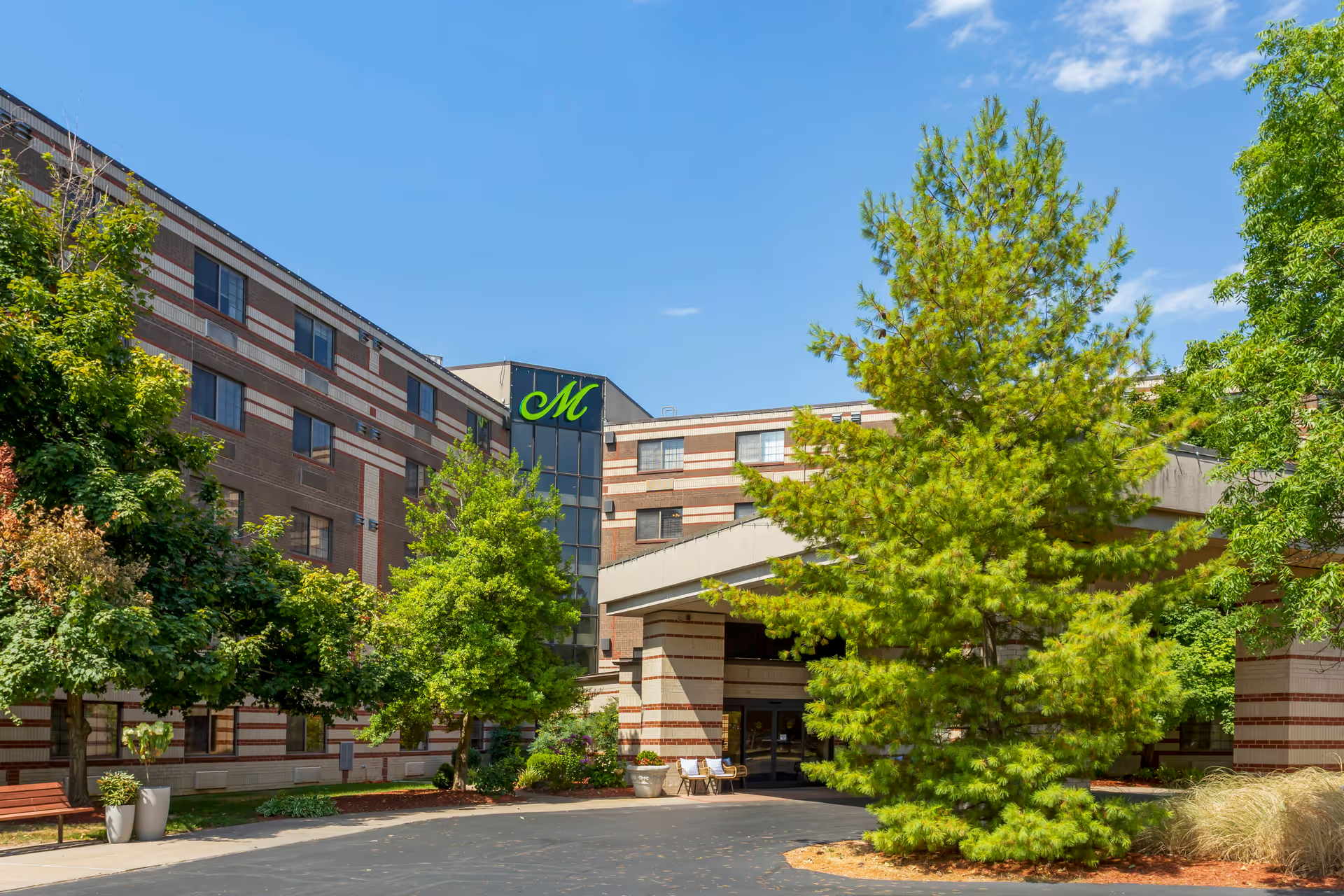
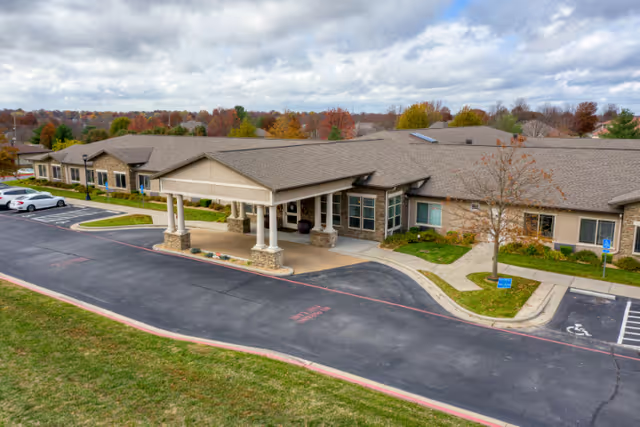
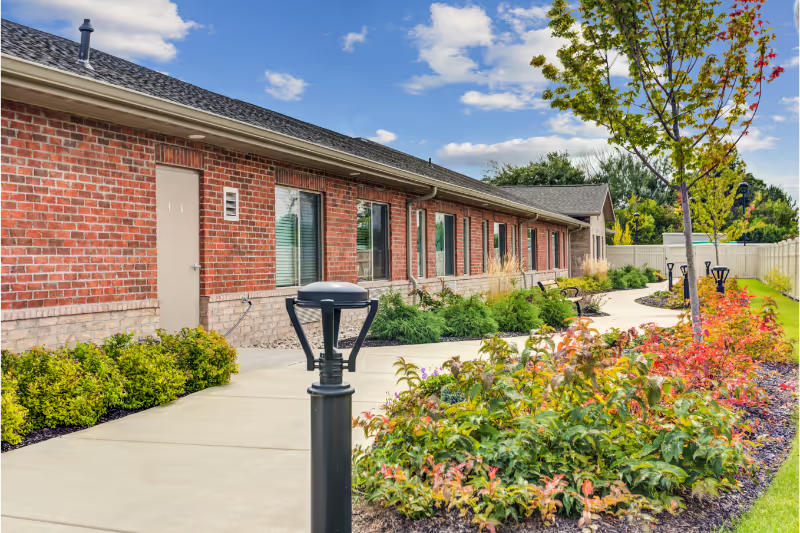
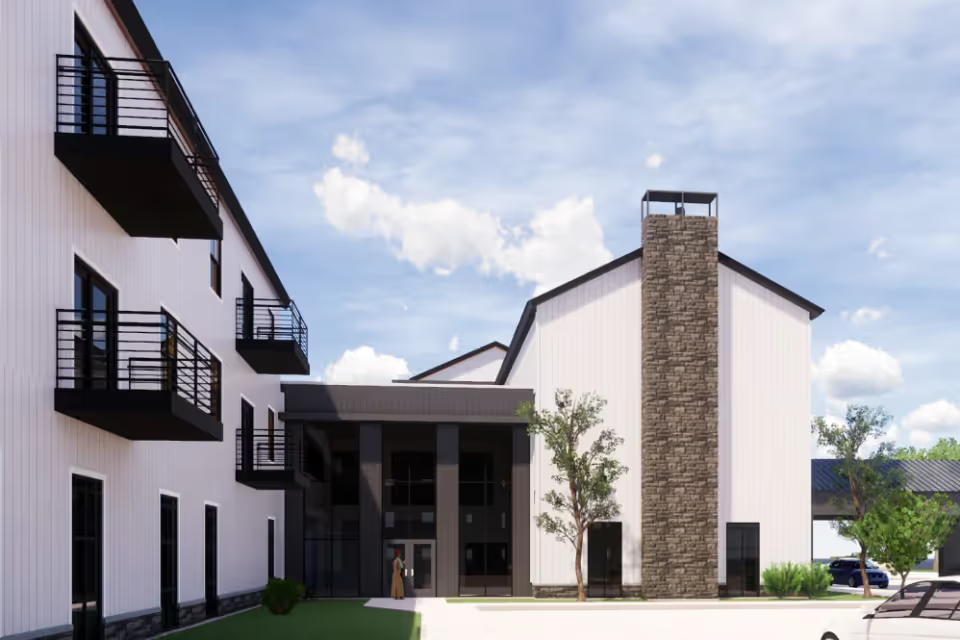
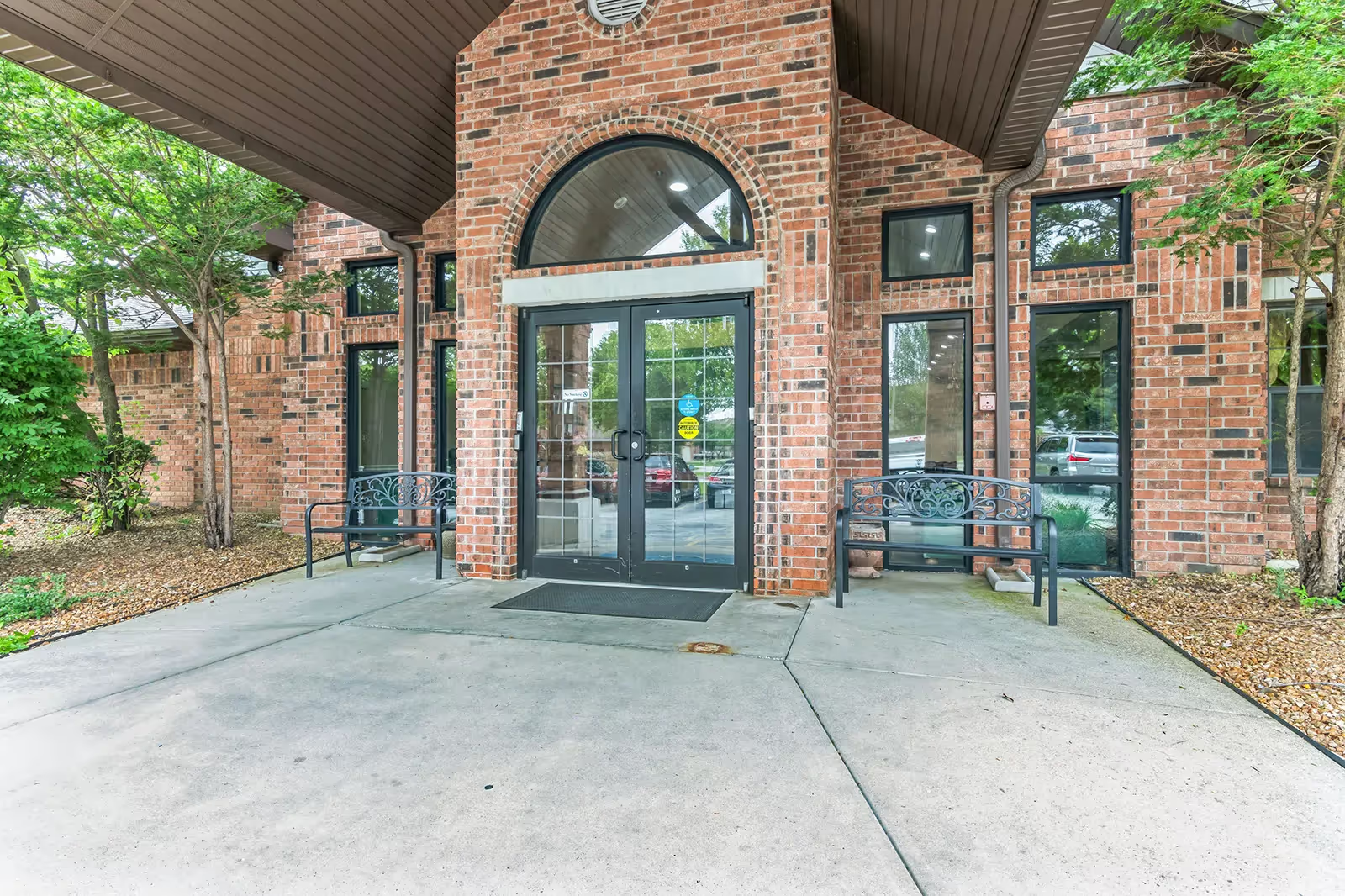
Dining, housekeeping, and environment: Reviews describe a split between renovated, bright communal areas and older or less well-maintained resident rooms. Dining quality and service consistency are frequent concerns: meals served at irregular times, items arriving cold or poorly identified, and limited condiments or menu clarity. Housekeeping and room maintenance complaints include linens not changed promptly, bathrooms not consistently cleaned, and odor or pest-control concerns in some areas. Ongoing renovation activity is also cited as disruptive to routines and services.
Management, communication, and administration: Family experiences with administration are mixed. Positive accounts note transparent billing, helpful admissions, and proactive hospice coordination. Negative accounts describe poor follow-through on calls, delayed outreach from social work or management, mishandling of personal property at discharge, and inconsistent enforcement of professional conduct. A subset of reviews references regulatory scrutiny or state inspections; prospective families should review inspection reports and ask facility leadership about corrective actions taken.
Activities and transitions: Activity programming and social opportunities receive generally positive remarks when staff are available to support participation. Transportation and transition planning (including home-readiness and therapy-driven discharge plans) are strengths cited by families whose loved ones returned home successfully.
Recommendation for prospective families: Given the polarized feedback, an in-person tour and targeted questions are advisable. Ask about current staffing ratios, average length of staff tenure, medication-administration audits, wound-care and fall-prevention protocols, housekeeping schedules, how renovation work will affect resident areas, and how the facility handles property and billing at discharge. Review the latest state inspection and any corrective-action plans, and seek references from recent families who used the facility for the same level of care you anticipate (short-term rehab versus long-term nursing). This approach will help weigh the facility's strong rehabilitation capabilities and supportive caregivers against operational and safety concerns raised in these accounts.