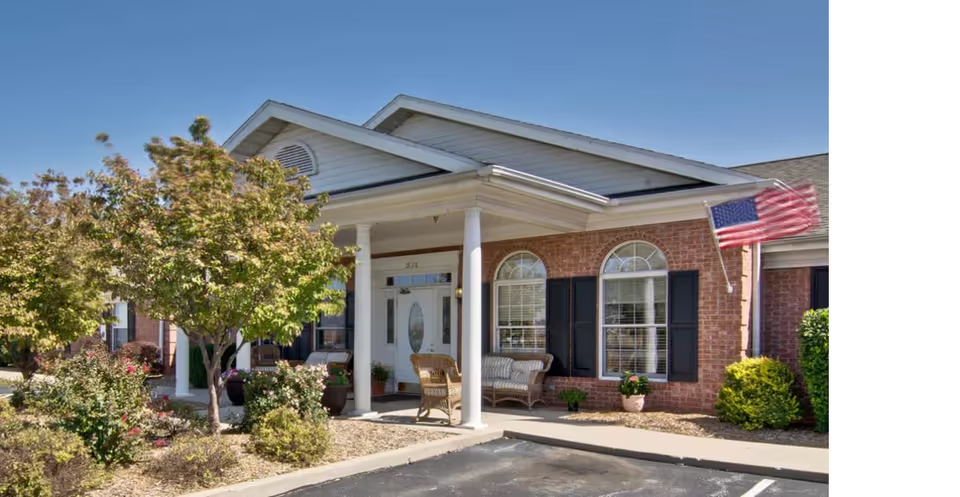
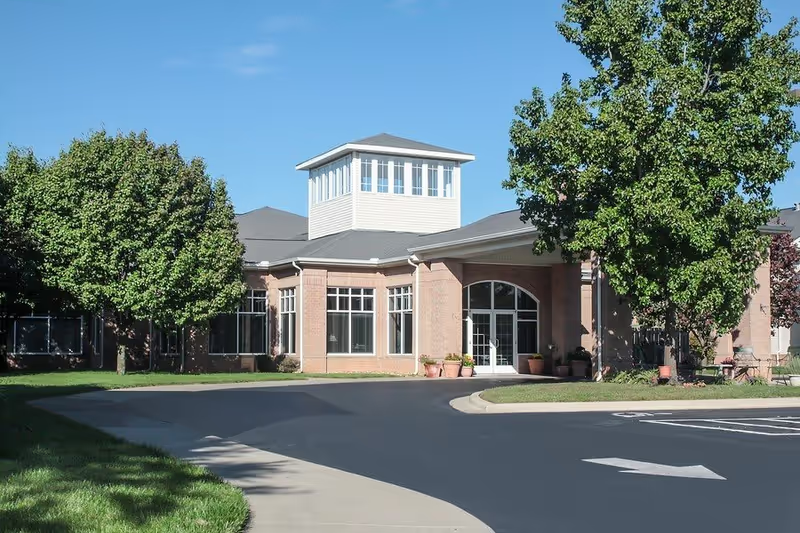
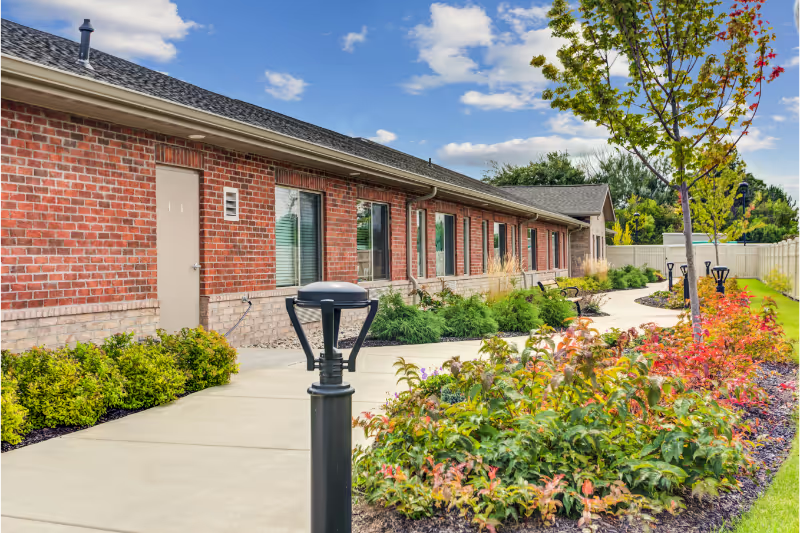
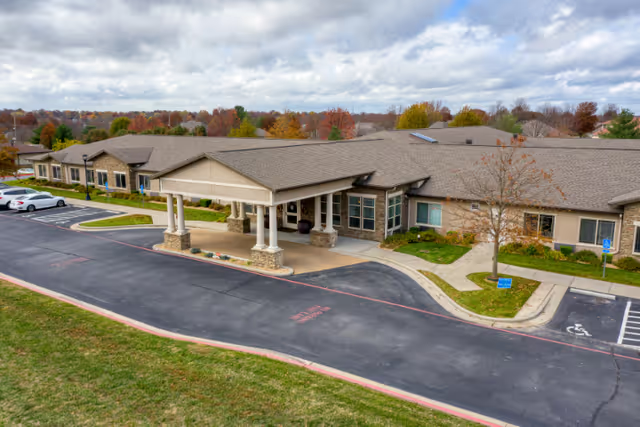
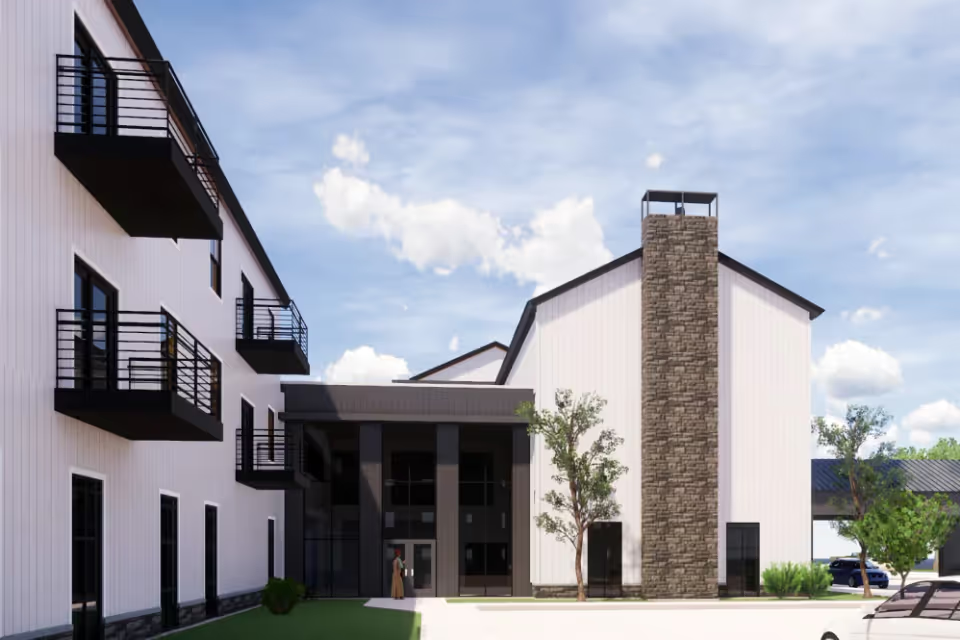
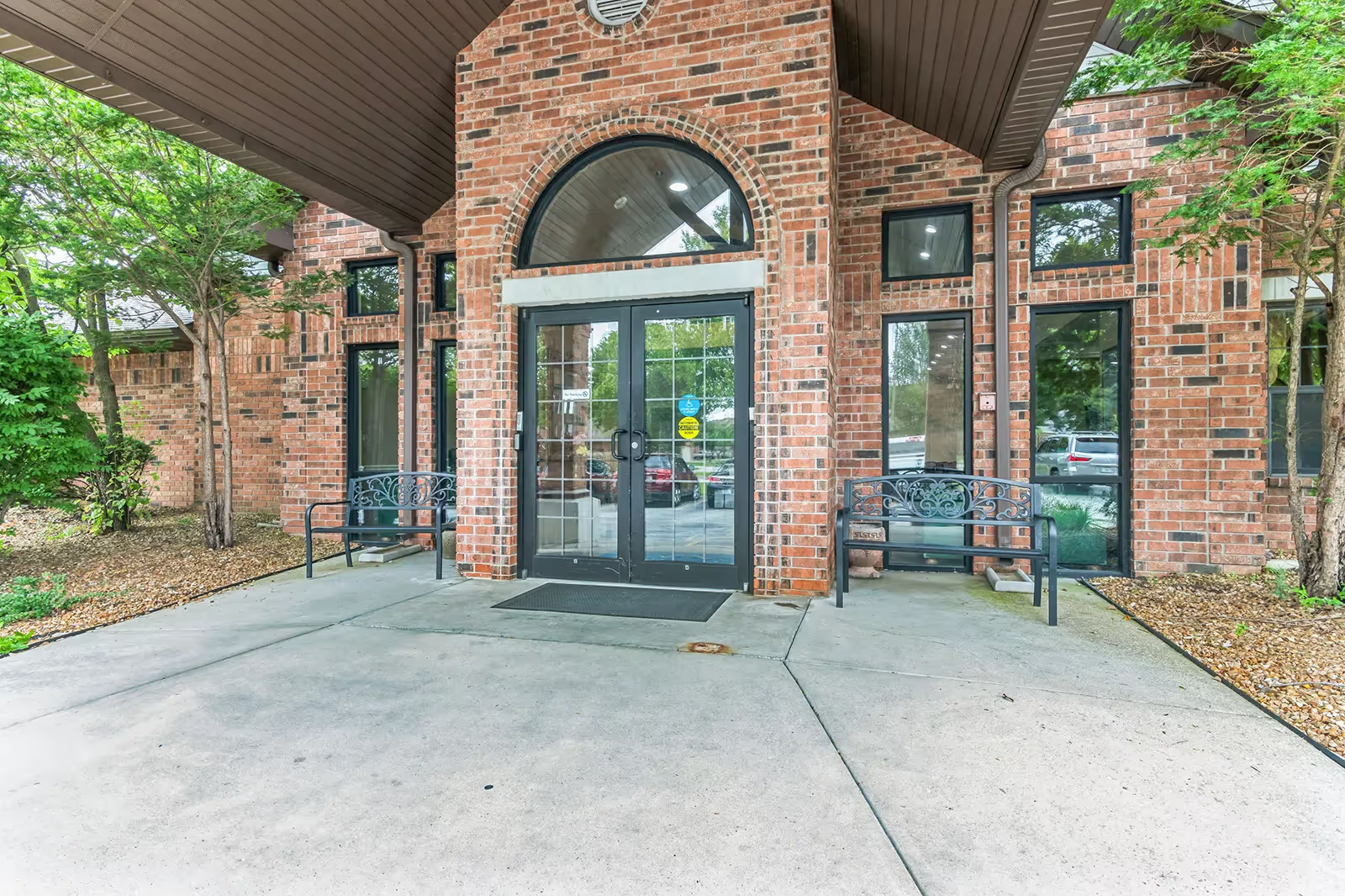
Reviews of Springfield Villa present a mixed picture with clear strengths in caregiving and notable, recurring operational weaknesses. Many families describe compassionate and attentive direct-care staff, meaningful memory-care programming, and strong hospice or end-of-life support — including regular communication during hospice cases and availability of chaplains. Common positive notes include pleasant, well-decorated common areas, an activity room and courtyard, rehabilitation therapy that aided mobility, and a dining room that provides regular meals in a comfortable setting.
At the same time, there are consistent concerns about core clinical operations. Several reviewers described delayed clinical responses and late family notification during medical events, which point to gaps in incident-response protocols and escalation practices. Related themes include inconsistent medication administration, deficiencies in wound and ostomy care, and intermittent hygiene/bathing schedules. These clinical issues often intersect with staffing problems: many accounts cite chronic understaffing, high turnover, and reliance on agency personnel who may lack training or continuity with residents. A number of reviewers specifically called out gaps in emergency training and competency among some staff.
Operational and environmental issues are also mixed. While common areas and some units are described as clean, others note sanitation and incontinence-care concerns in specific areas, uneven housekeeping, and maintenance problems such as air-conditioning failures, outdated equipment, and absent bed rails. Dining quality appears inconsistent — some reviewers praised the food and dining experience, while others found meals cold, low in variety, or lacking snacks and beverage quality. Activity offerings and social engagement are generally reported as a positive contribution to residents’ daily life, particularly in memory-care units.
Communication and leadership are frequent sources of family frustration. Reviews indicate variable responsiveness to calls and requests, inconsistent explanations following incidents, and concerns about the tone and approachability of administrative staff. There are also mentions of restrictive or inconsistent visitor/DPOA interactions and an aggressive billing posture, which can complicate family relationships. A small subset of reviews raises serious concerns about property oversight and allegations of financial misconduct; these items suggest the need for careful verification through formal channels.
Overall, Springfield Villa demonstrates strengths in hands-on caregiving, spiritual support, and social programming, but the facility also exhibits recurring operational weaknesses that affect clinical safety, maintenance, and family trust. Prospective families should consider on-site questions about nurse-to-resident ratios, staff training and emergency protocols, incident-notification practices, specific approaches to wound and ostomy care, food-service routines, and administrative policies around billing and DPOA/visitor access. Where possible, ask for recent staffing metrics, infection-control procedures, and documentation of training and incident-response reviews to clarify whether the facility’s operational gaps have been addressed.