Sunterra Springs Springfield receives sharply mixed feedback. Many residents and families describe successful short-term rehabilitation, with attentive nursing and aide staff, compassionate interactions, and effective physical and occupational therapy. Positive accounts often cite therapists who encourage progress while adapting to individual abilities, and some residents report substantial gains in mobility and independence. Other accounts, particularly from families of residents who needed extensive help with daily care or could not advocate for themselves, describe missed or delayed assistance and inconsistent follow-through. This contrast suggests that experiences may vary by staffing, shift, resident needs, and the individual care team.
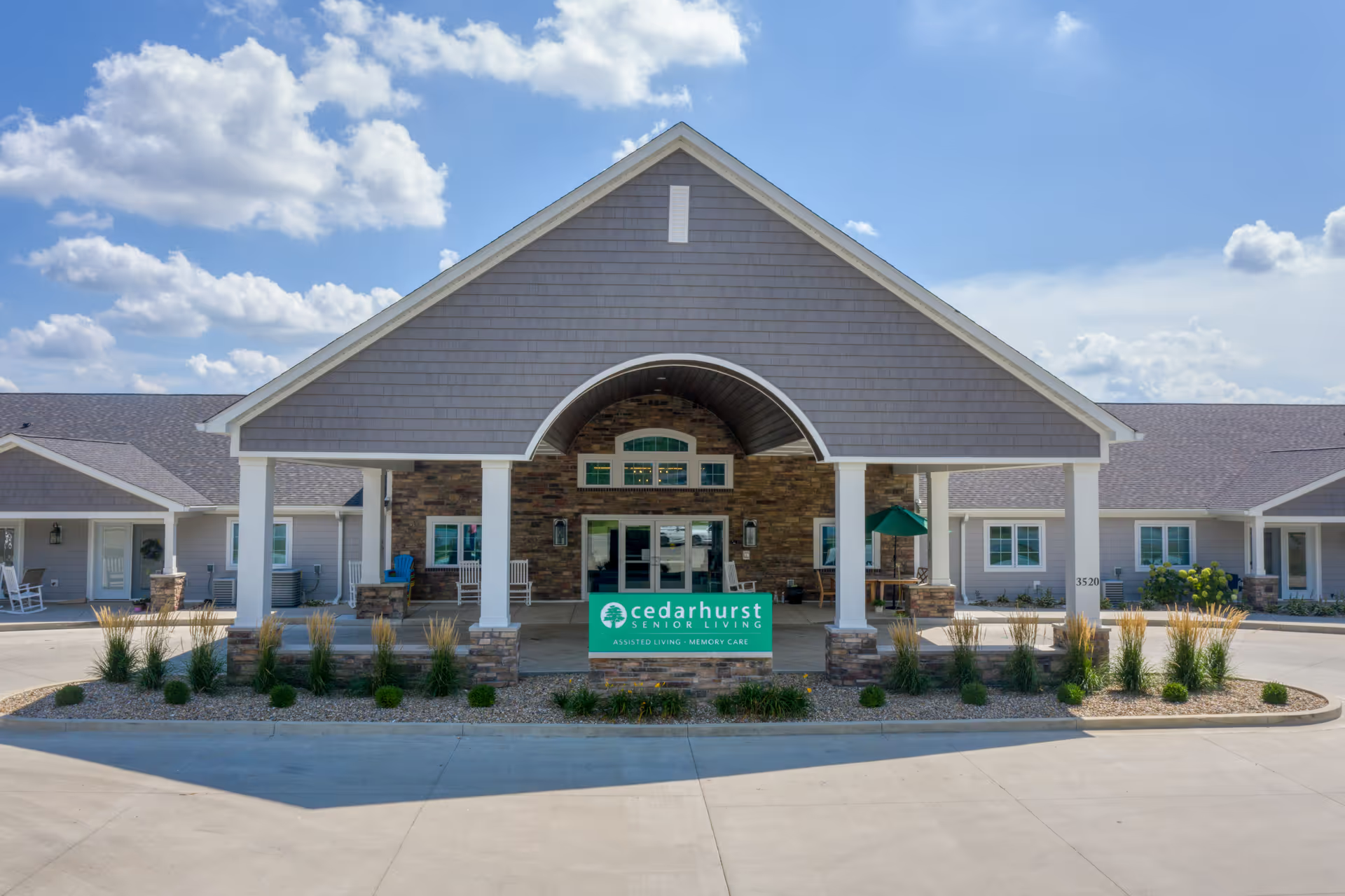
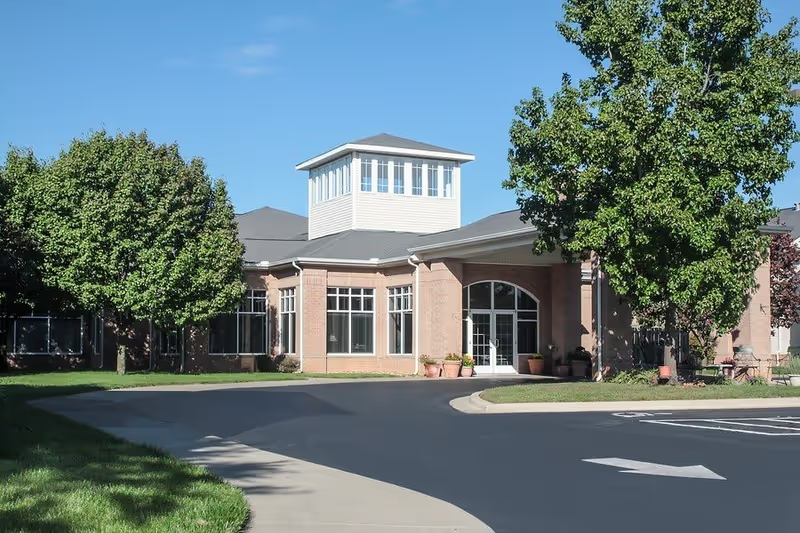
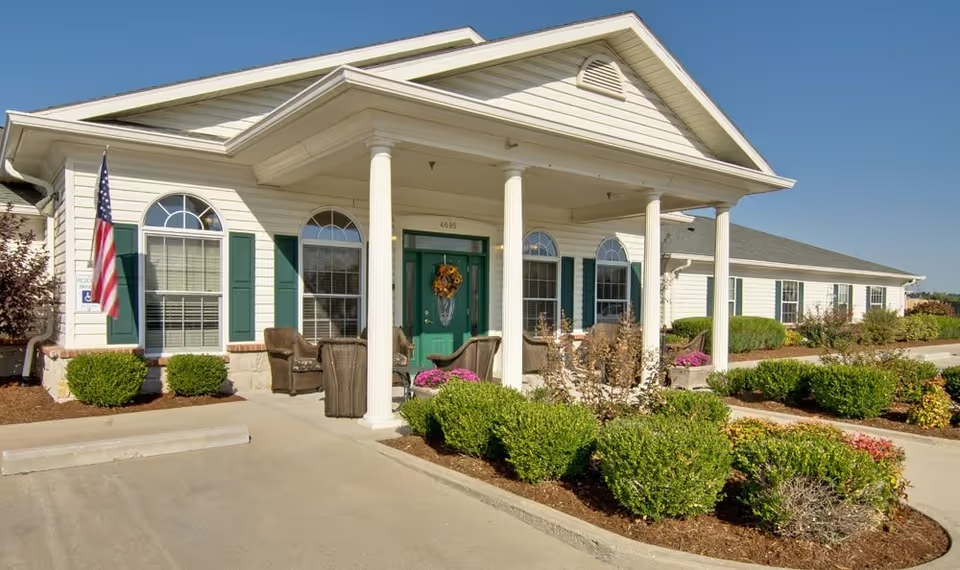
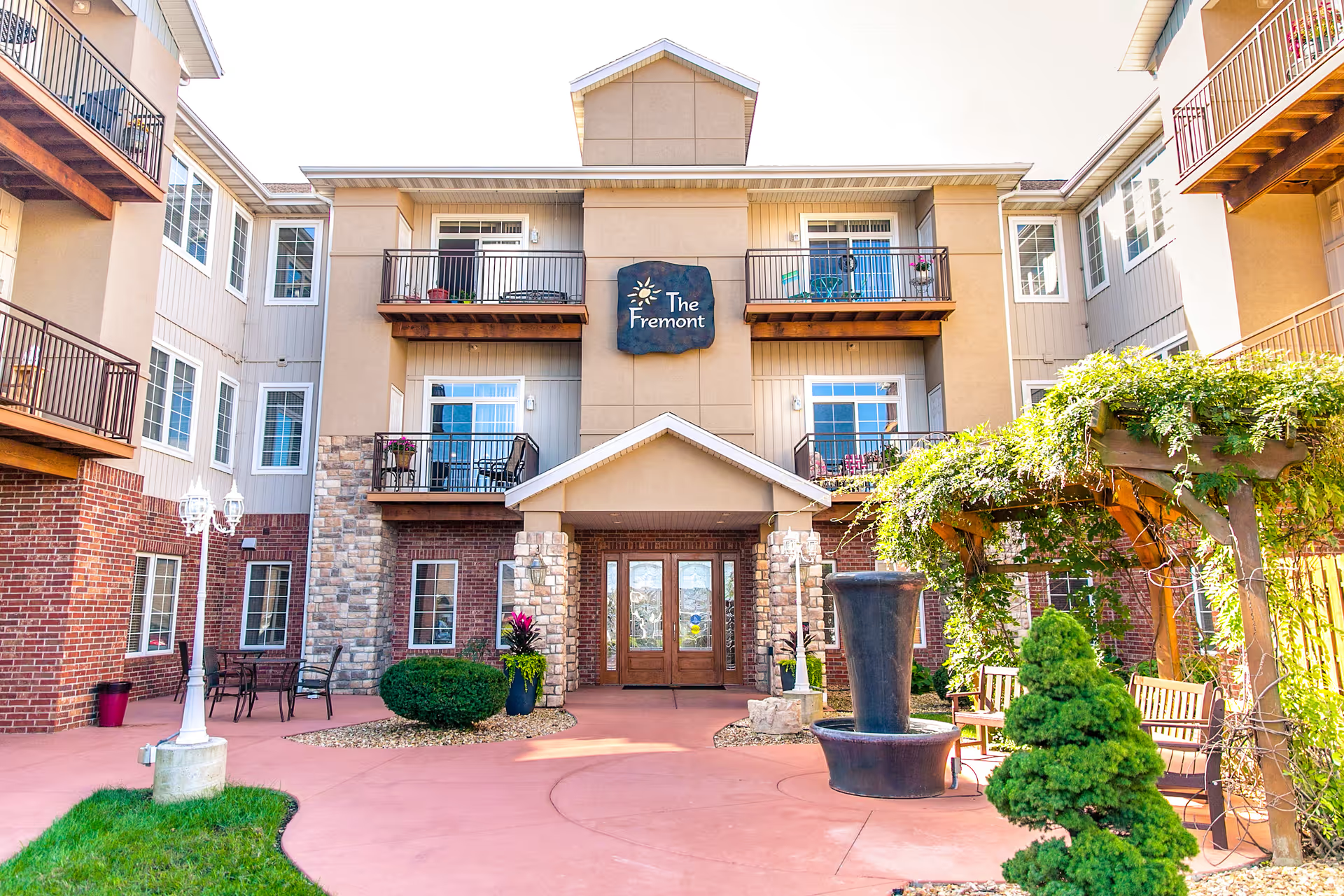
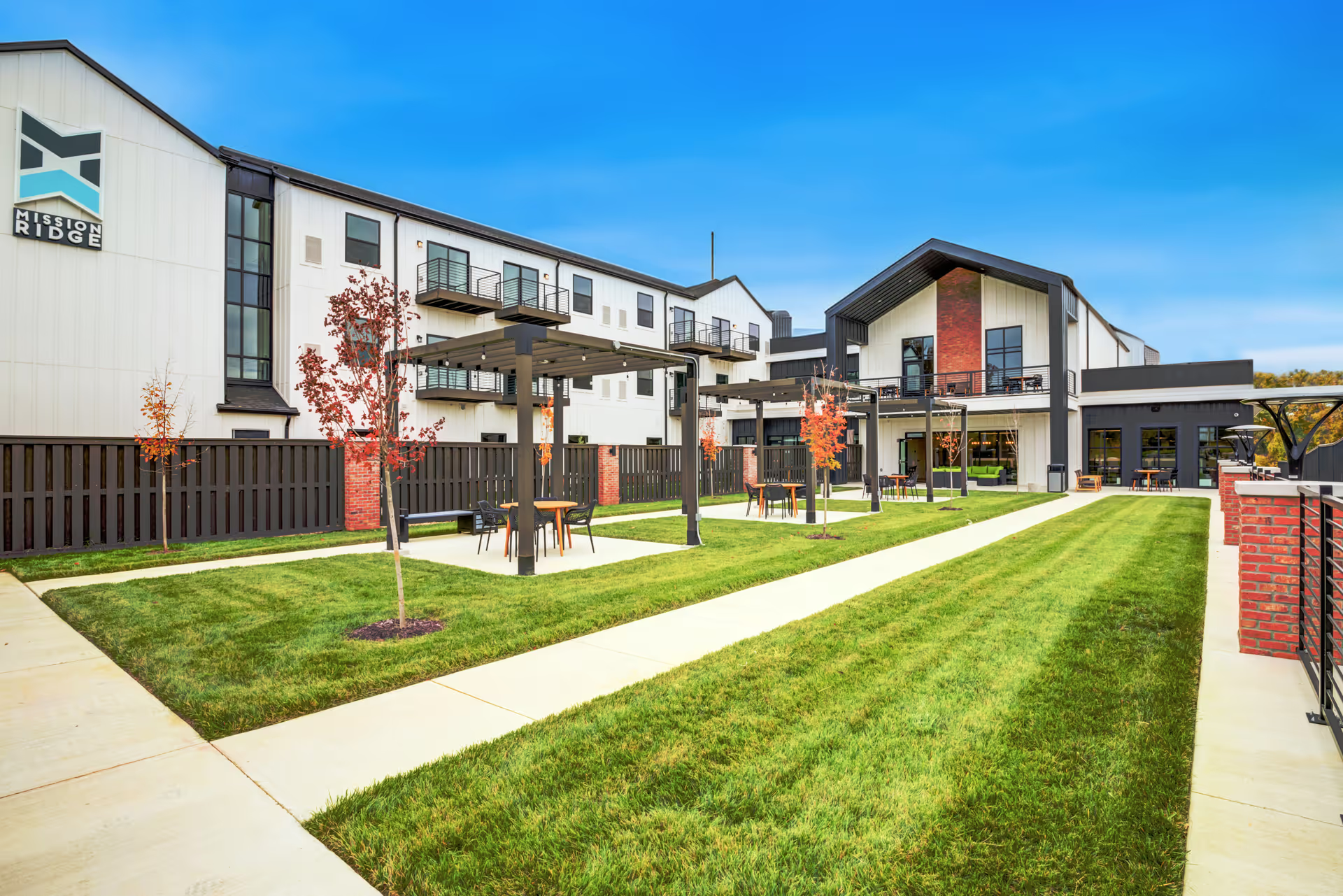
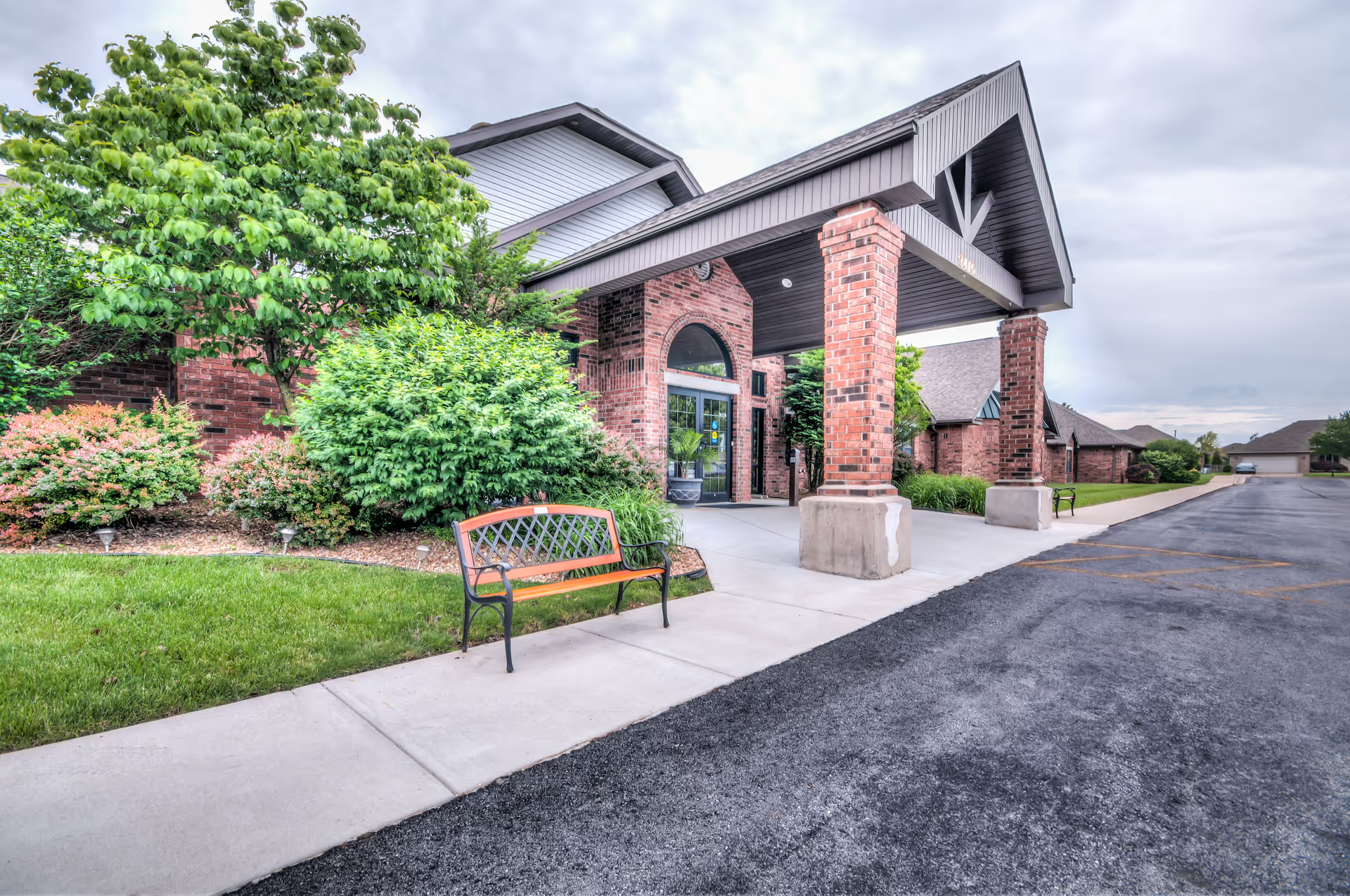
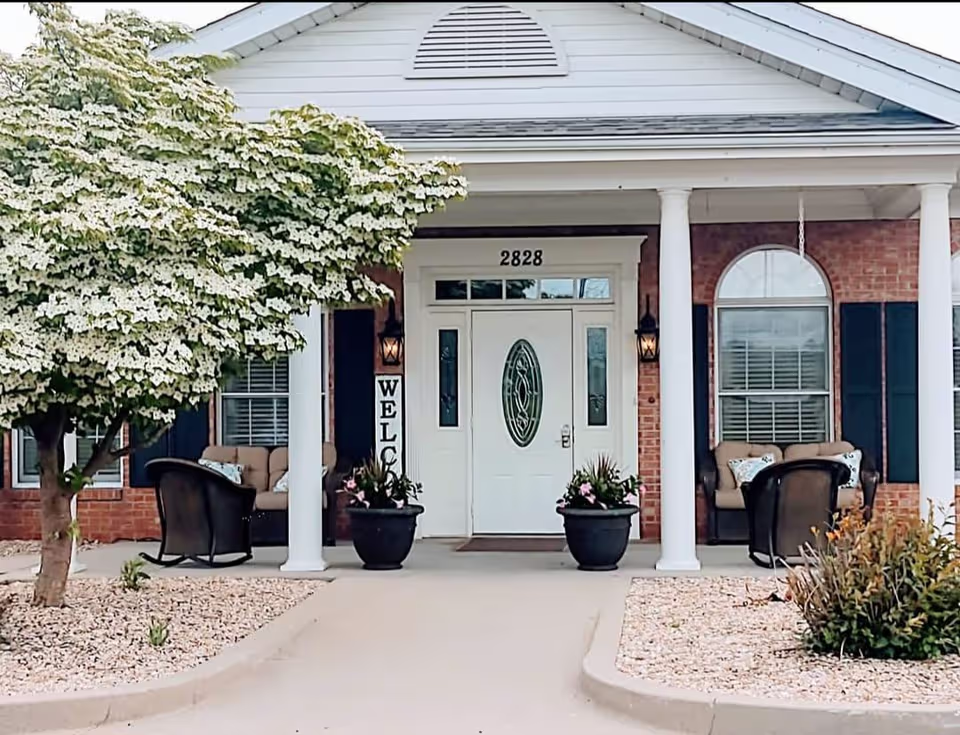
The building is a consistent strength. Reviewers frequently praise its modern appearance, spacious private rooms, accessible bathrooms, cleanliness, quiet environment, and well-equipped therapy areas. Transportation to appointments and comfortable spaces for family visits are also valued. Some visitors and residents describe a welcoming atmosphere and opportunities for social connection, while other accounts characterize activity options outside therapy as limited.
Dining feedback is divided. Many residents find meals enjoyable, varied, or better than expected, and some specifically praise the kitchen team. Others describe inconsistent quality, limited appeal, or difficulty getting appropriate meal assistance. Concerns about nutrition and meal support are particularly important for residents who need help eating or have difficulty maintaining intake.
Operational concerns recur around staffing and responsiveness. Families describe thin evening or overnight coverage, delays answering call lights, and uneven assistance with personal care. Medication timing and explanations, communication about treatment and therapy schedules, and updates to family members are also inconsistent in some accounts. A number of families express concern about whether changes in a resident’s condition were recognized and escalated promptly. These concerns are not universal, but they warrant specific questions about staffing by shift, clinical coverage, and how care needs are tracked.
Management and discharge experiences also vary. Some families praise approachable leaders, clear insurance guidance, and thoughtful discharge planning; others describe difficulty obtaining answers, care information, or follow-up after raising concerns. Overall, the strongest positive pattern is the facility’s physical environment and rehabilitation team, while the main caution is variability in day-to-day nursing support and communication—especially for residents who require frequent hands-on assistance. Prospective residents and families may wish to discuss staffing coverage, personal-care routines, medication processes, therapy frequency, nutrition support, and escalation procedures before admission.