Brentmoor Retirement Community is consistently described as a warm, social, and well-managed option that emphasizes personalized attention. The dominant theme across reviews is the quality of staff interactions: employees are characterized as compassionate, attentive, and familiar with residents’ names and preferences. Move-in assistance and transition support are highlighted as strong operational features, and several families describe an immediate sense of welcome and fast social integration for new residents.
Clinical and care-related services extend beyond basic independent living: the community offers multiple care levels, on-site occupational and physical therapy, medication-management knowledge among staff, and coordinated end-of-life/hospice support when needed. Safety practices such as daily checks and a Do Not Disturb tag system are noted. These clinical supports, paired with a family-like atmosphere, contribute to a general confidence in residents’ well-being; reviewers consistently describe feeling secure and cared for.
Dining and programming are strong points. The dining program receives repeated praise for quality food, an accomplished kitchen staff, and the ability to accommodate special diets. Social dining (large dining room, buffets, themed meals) is an important element of community life. Activities are described as varied and stimulating — exercise classes, bingo, movie nights, outings with a driving service, clubs, and resident meetings — fostering easy socialization. A small-community scale supports frequent interaction and quicker familiarity among residents.
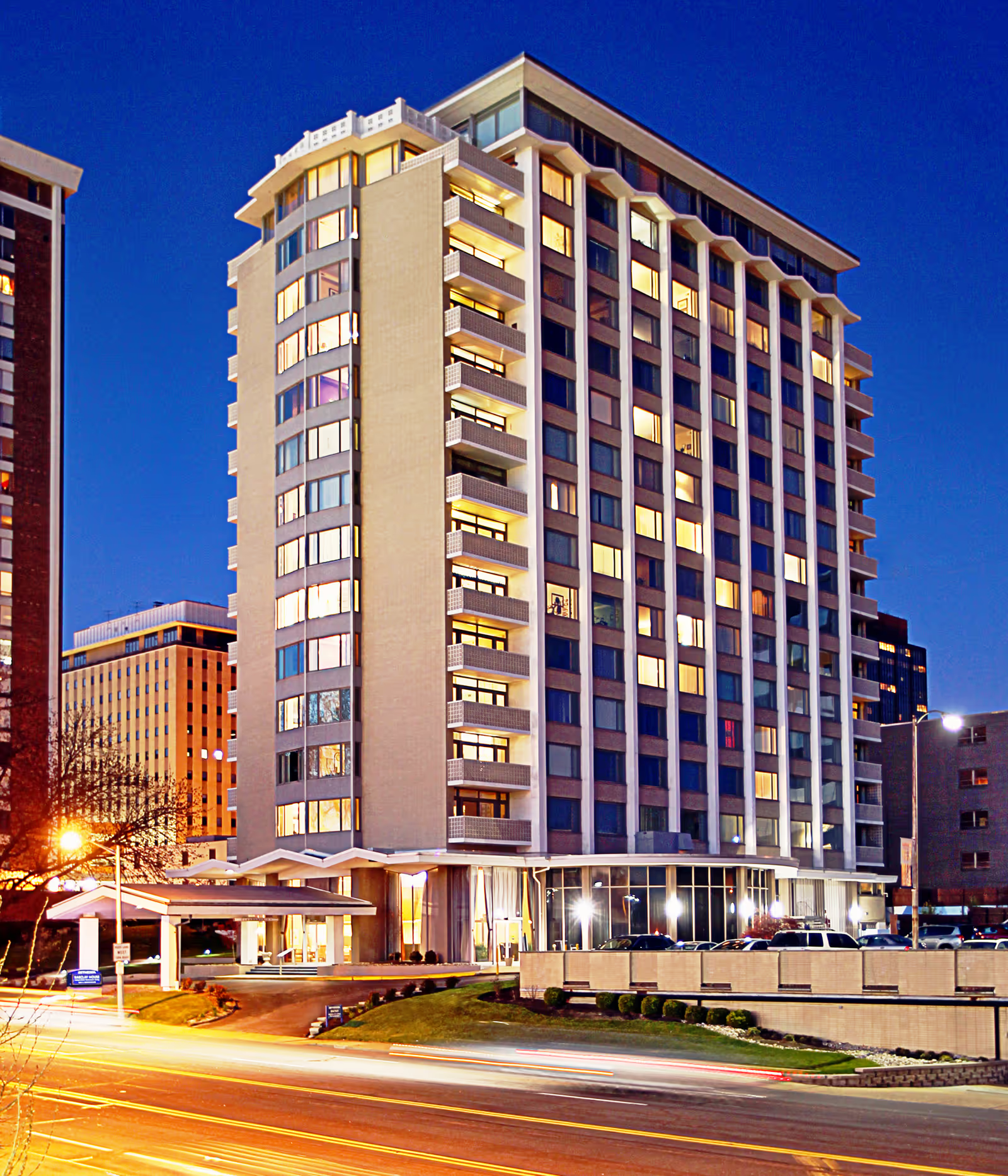
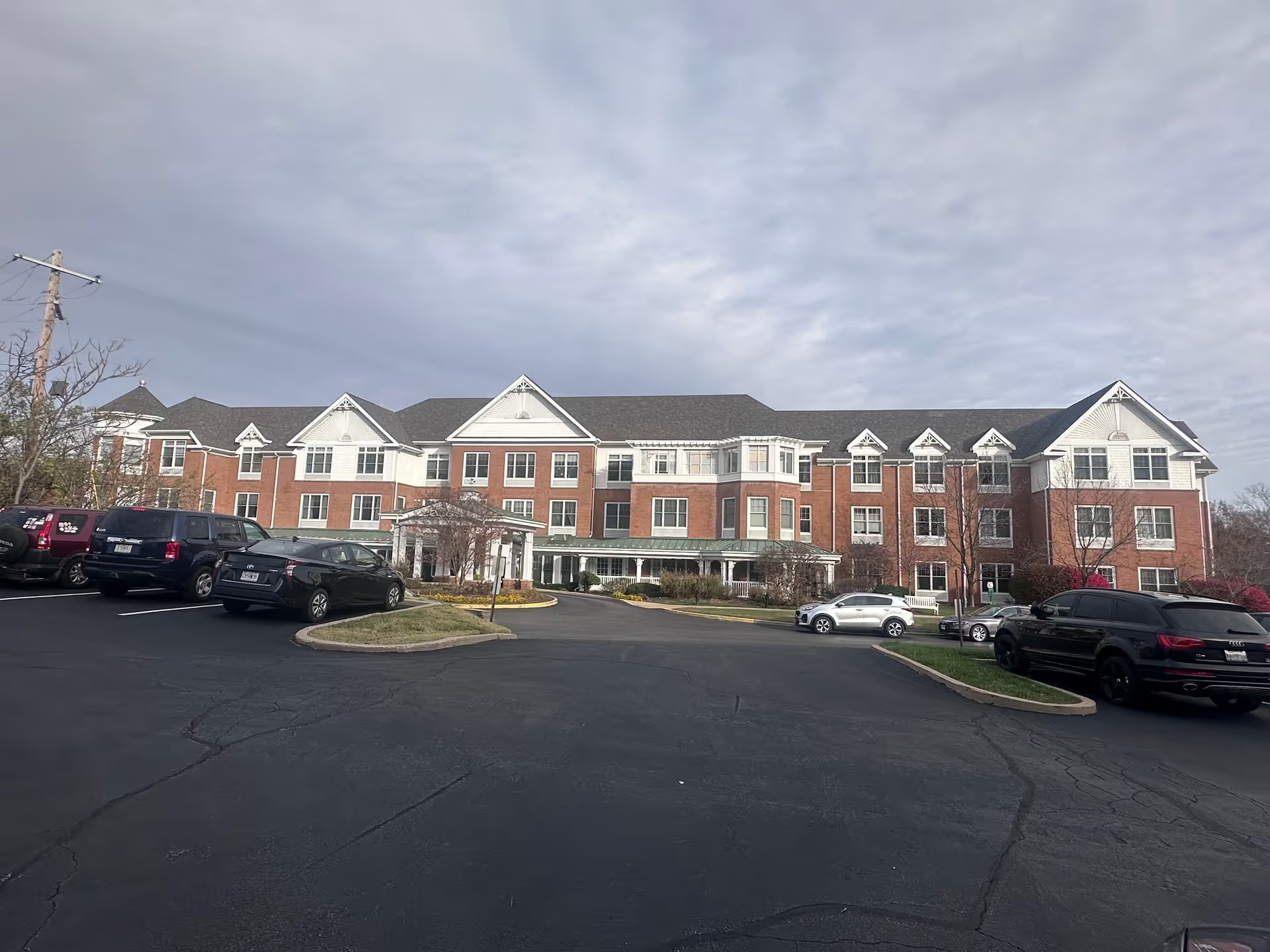
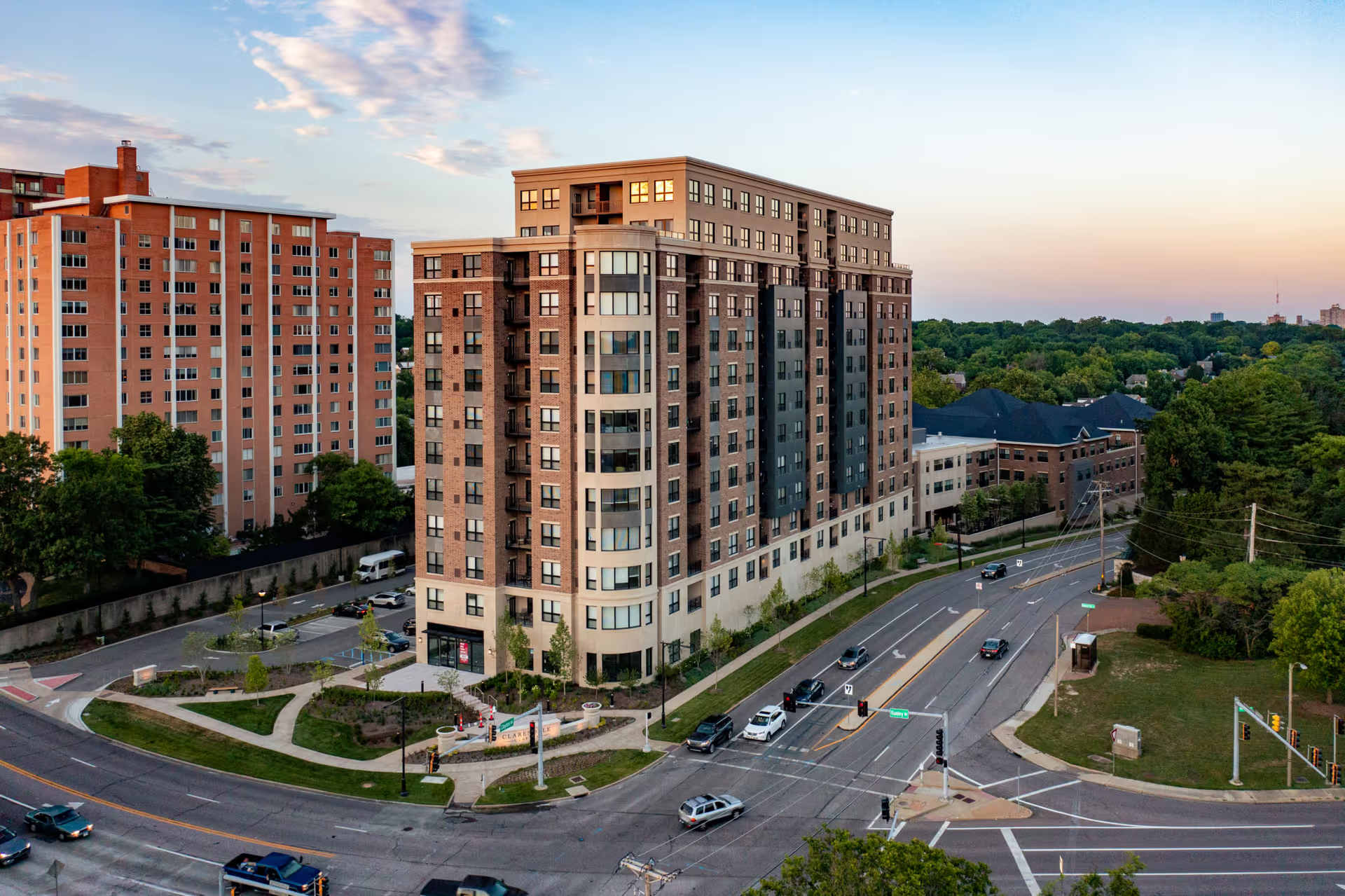
Facilities are a mixed picture. Apartments are frequently described as spacious with generous closet space, balconies or porches, and in-unit kitchens; some units are upgraded and offer attractive views. At the same time, the property is a converted older building, and reviewers repeatedly note dated decor, uneven updates between units, and ongoing cosmetic maintenance needs. Practical limitations include constrained parking (often limited to one car per resident), basement laundry logistics, and the absence of certain amenities like a pool. The building’s urban siting near a major road contributes to an "urban feel" that may include traffic exposure.
Operational patterns to be aware of include premium pricing and the perception that cost is a significant factor for prospective residents. Reviewers also raised scheduling friction between pre-dinner social events and meal service timing, which can create tight transitions for residents. A few mentions of staff turnover suggest periodic continuity challenges, though the overall assessment of staff competence and responsiveness remains positive.
Management and leadership receive favorable mention, with staff at the front desk and marketing/leadership personnel commended for responsiveness and professionalism. The community’s strengths—attentive staff, strong dining, active programming, and a supportive social environment—make it a compelling option for people seeking a small, engaged retirement setting with available clinical supports. Prospective residents should balance those strengths against the facility’s age-related maintenance needs, parking constraints, apartment layout choices, and the higher cost of residency when evaluating fit.