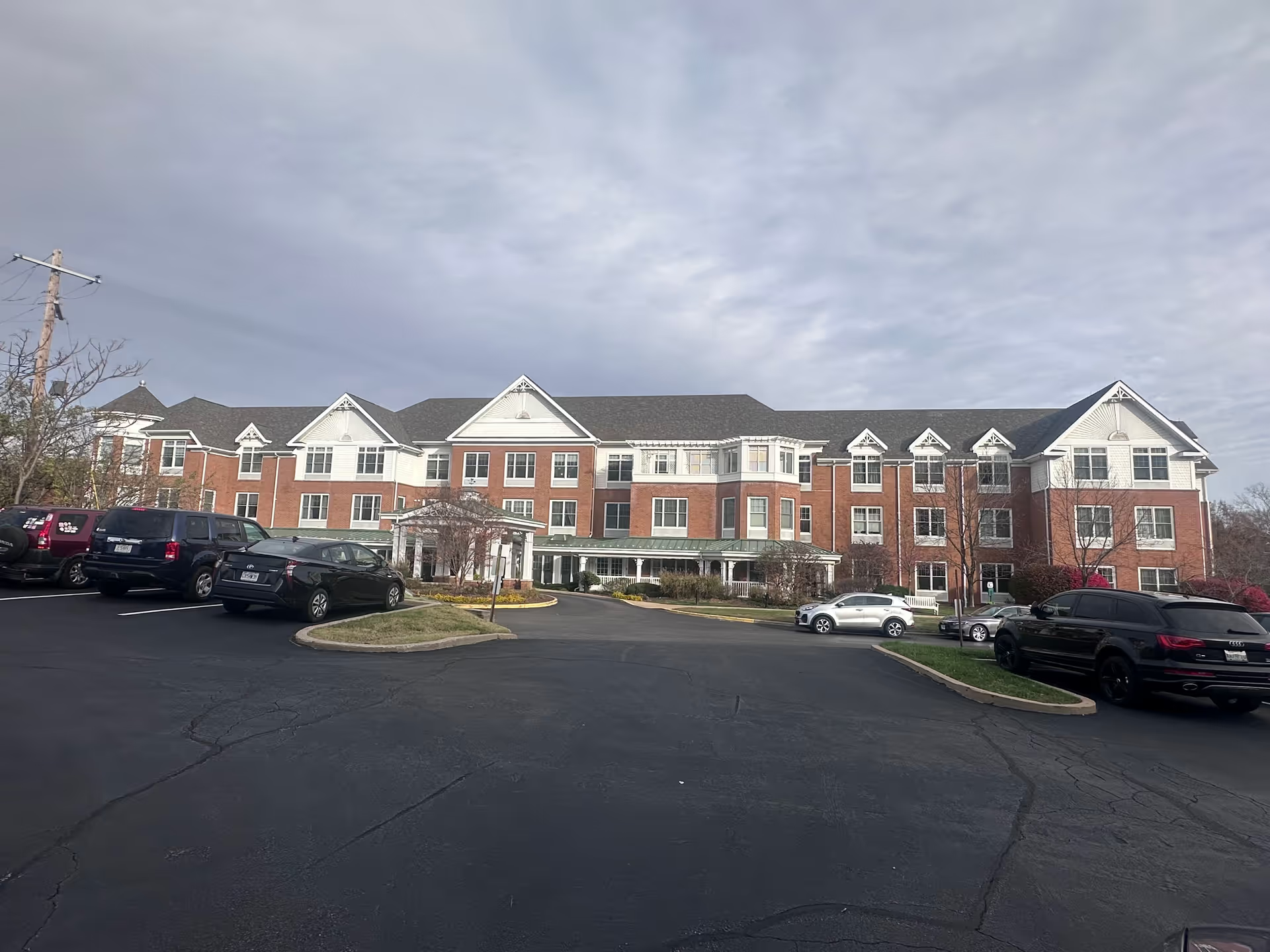
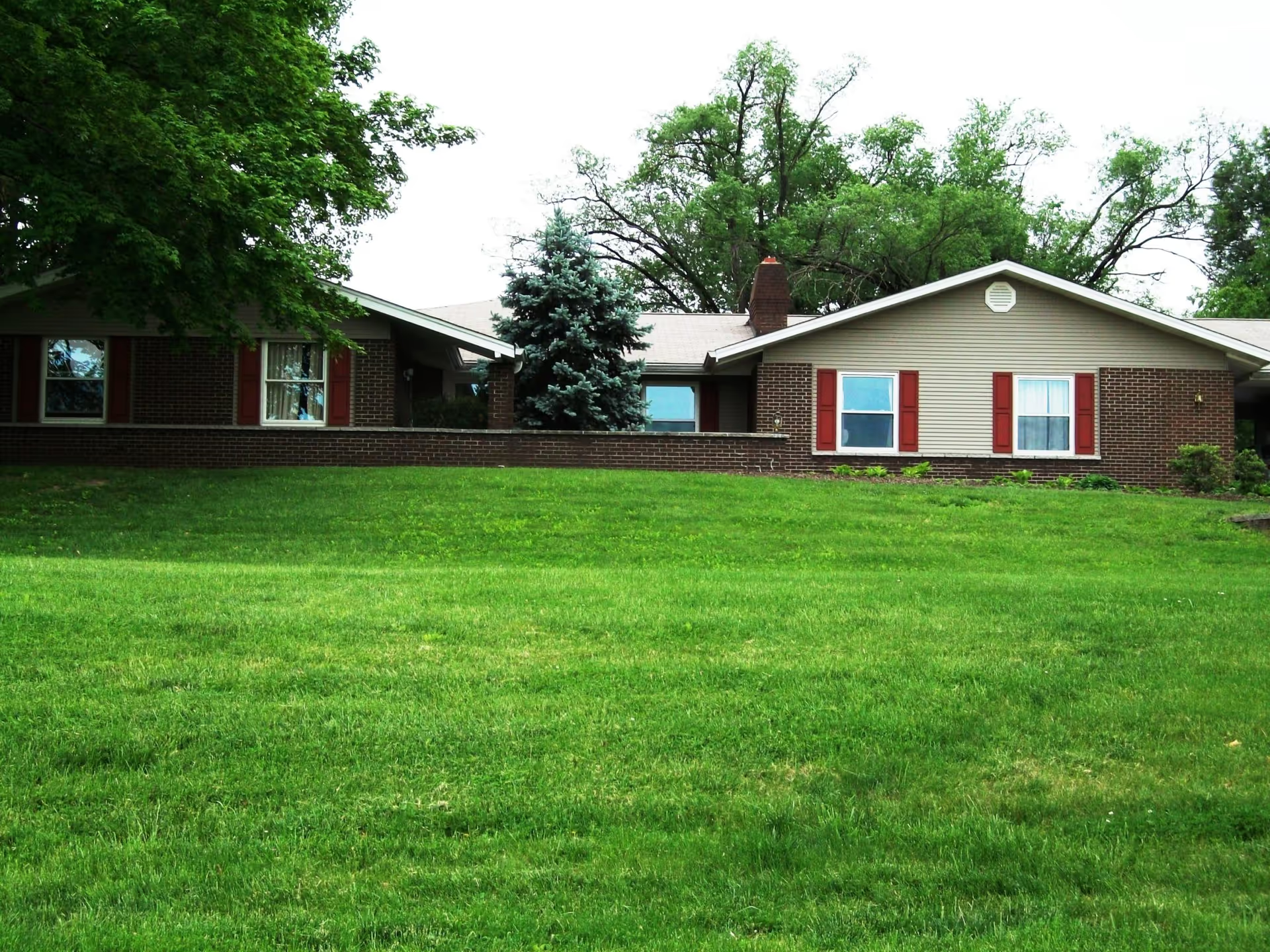
Reviews of McKnight Place Extended Care are highly mixed, with a clear split between families who describe strong, therapeutic care and those who identify significant operational and clinical concerns. Several reviews highlight high-quality therapy services (physical, occupational, and speech) that helped residents improve functional ability, and individual nurses and techs who were described as compassionate and attentive. The facility's dining program is consistently praised for quality meals, and some reviewers complimented organized activities (including pet-visit days), an efficient admission process, and attractive exterior and decor.
At the same time, a number of reviews describe systemic issues that affect safety and daily care. Recurring themes include missed medication doses and documentation errors (including advance-directive paperwork and order mismanagement), delayed clinical recognition or treatment of infections, and long delays in responding to call bells and telephone calls. Families also raised concerns about delayed notification following clinical incidents and insufficient after-hours attention, which together point to gaps in incident response and family communication protocols.
Staffing and conduct emerged as another area of variability. While some staff members received strong praise, others were described as dismissive or abrupt; reviewers cited inconsistent communication tone and occasional supervisory breakdowns. Several accounts describe unreliable housekeeping and laundry processes, sanitation and pest-control concerns in resident areas, and security or supervision lapses (for example, unsecured doors or unexpected entries). There are also allegations of missing personal items that suggest weaknesses in property-management and accountability systems.
Management and overall value perceptions are uneven. Some families noted effective individual managers and seamless coordination, whereas others experienced poor scheduling communication, abrupt personnel actions, and a perception of declining staff quality over time. Several reviewers questioned the cost relative to the care delivered. These mixed impressions create a polarized overall picture: the facility can deliver high-quality, rehabilitative care under particular staff and team configurations, but persistent operational shortcomings — especially around medication/documentation, responsiveness, housekeeping, security, and management oversight — have led other families to recommend caution.
Prospective residents and families should weigh the positive elements (notably therapy outcomes and meal quality) against the operational and clinical concerns raised. When evaluating the facility, recommended checkpoints include asking for details about medication-administration protocols and documentation controls, average call-bell response times, infection-detection procedures, staffing levels and weekend coverage, housekeeping/laundry schedules, pest-control measures, property-accountability policies, and how advance directives and critical clinical orders are handled and communicated to families.