Overall impression: Reviews present a mixed but informative picture. Many accounts emphasize strong clinical and rehabilitative care, with multiple mentions of compassionate nursing, engaged therapy teams, and effective social-service support that aided recovery and discharge planning. Housekeeping and common-area upkeep are praised in several reports, and some units or areas are described as clean and modern. Staff-level interactions — including aides, nurses, and activity personnel — are frequently characterized as warm, welcoming, and attentive.
Care quality and clinical coordination: Clinical care and rehabilitation services receive notable praise for producing measurable improvement for some residents. However, there are operative concerns around medication continuity and clinical handoffs; examples cited include lapses when intravenous or other treatments are to be continued across settings. Family communication also appears inconsistent: while some reviewers describe excellent communication from nursing and social services, others report difficulty getting timely updates from physicians or administrative office staff. These patterns suggest variability in clinical coordination and information flow between teams and families.
Staff and management: Direct-care staff and therapists are a consistent strength in many accounts, often described as kind, engaged, and supportive. Several reviews single out unit-level leadership and newer management for positive change. At the same time, administrative responsiveness shows variability: admissions processes and front-office communication are described as both attentive and delayed in different accounts, indicating uneven administrative performance across admissions and follow-up interactions.
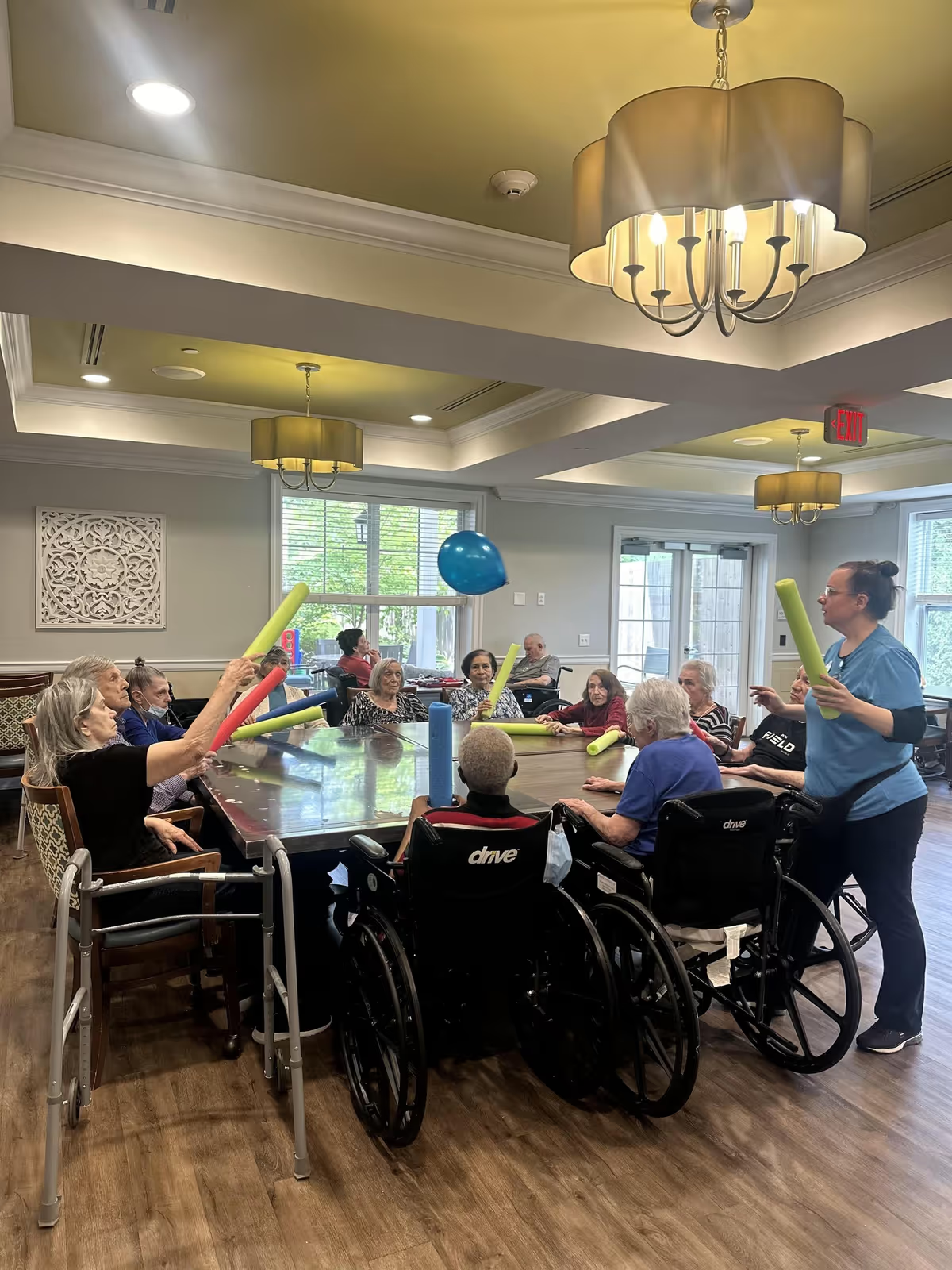
Dining and activities: Activity programming and staff involvement are highlighted positively; reviewers describe inclusive, engaging activities that contribute to day-to-day comfort. Dining receives mixed comments: while some find meal service acceptable, there are specific concerns about food quality and inconsistencies in meal hours or posted closing times, which may affect visitors and routines.
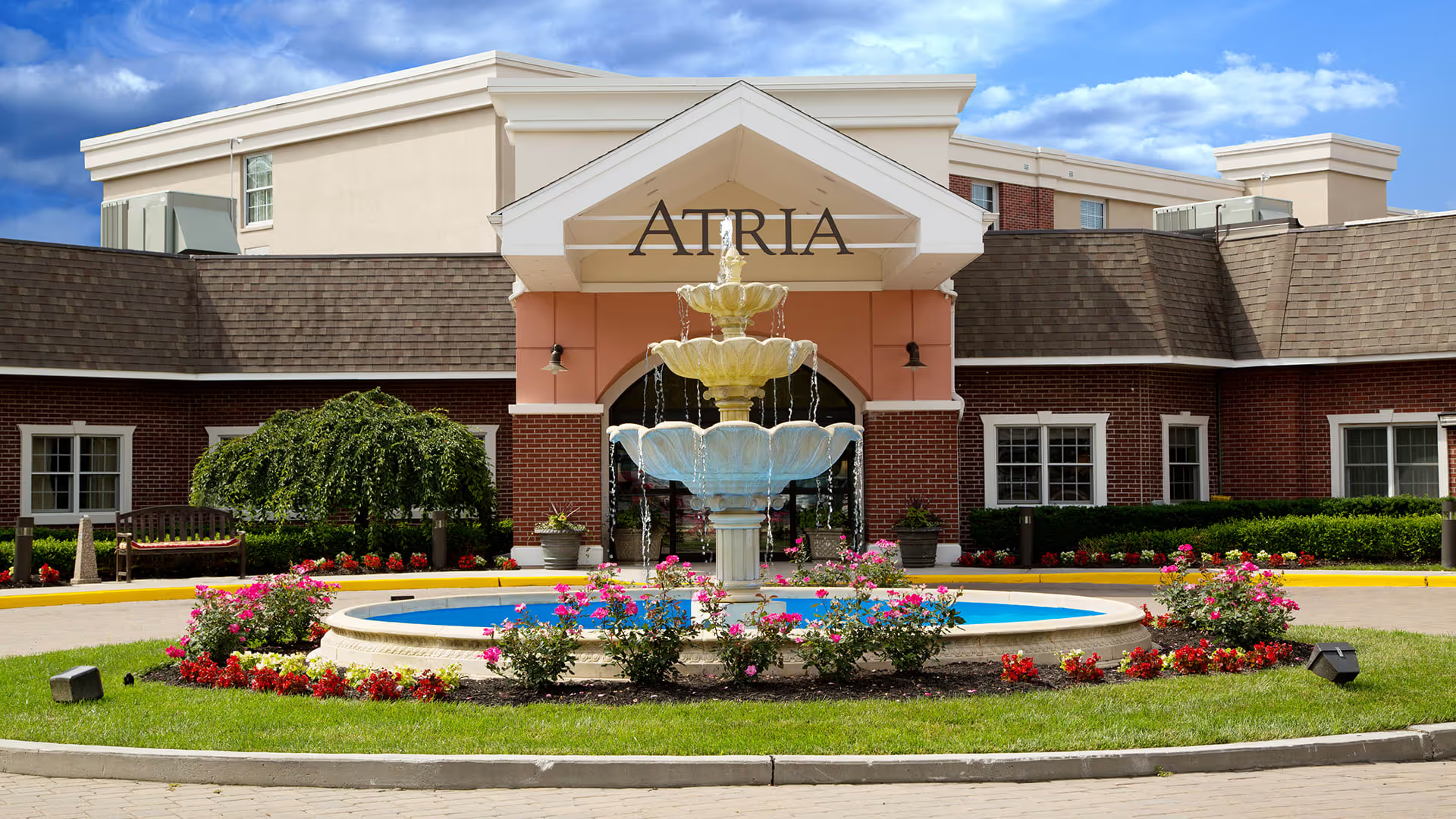
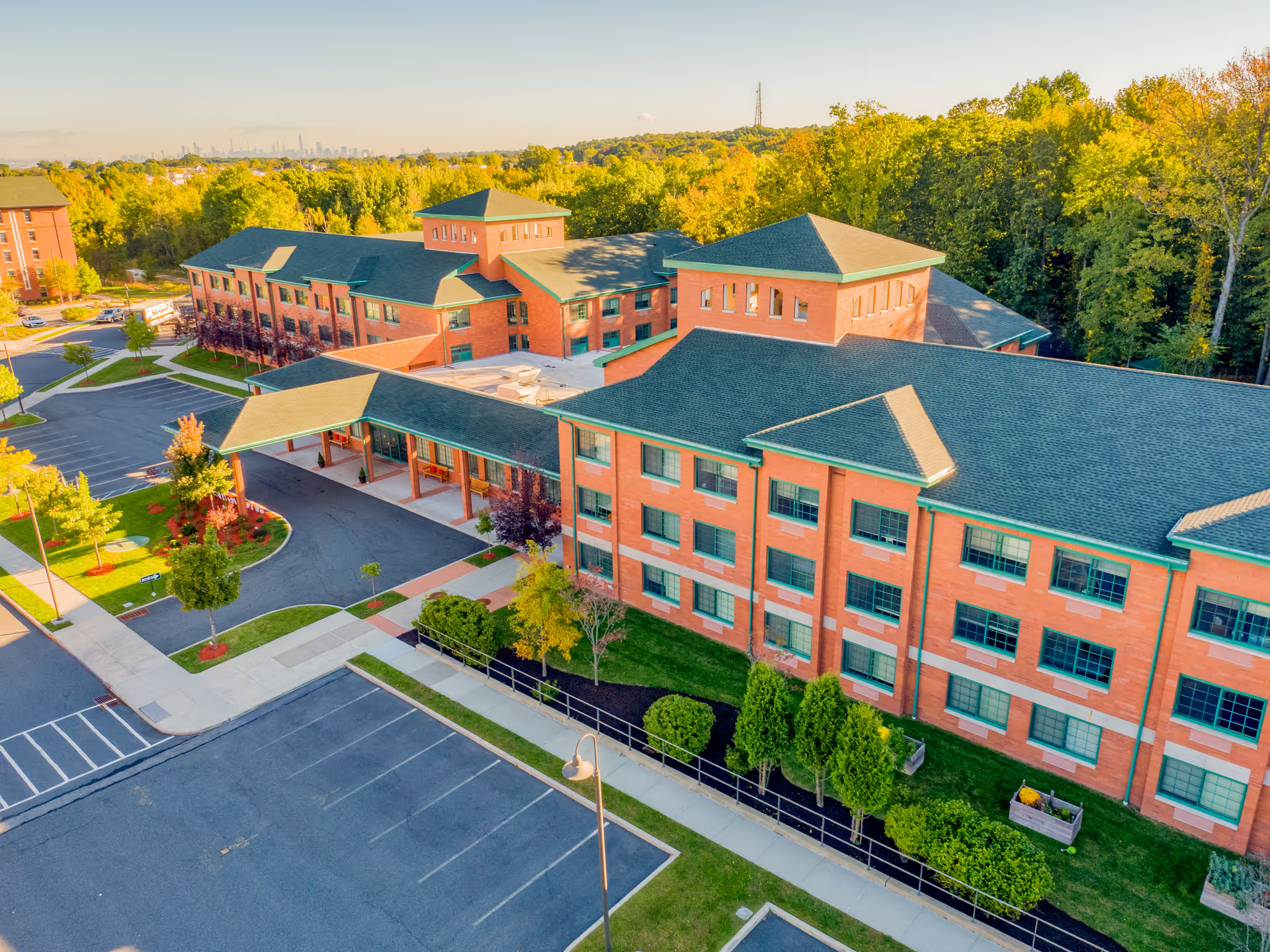
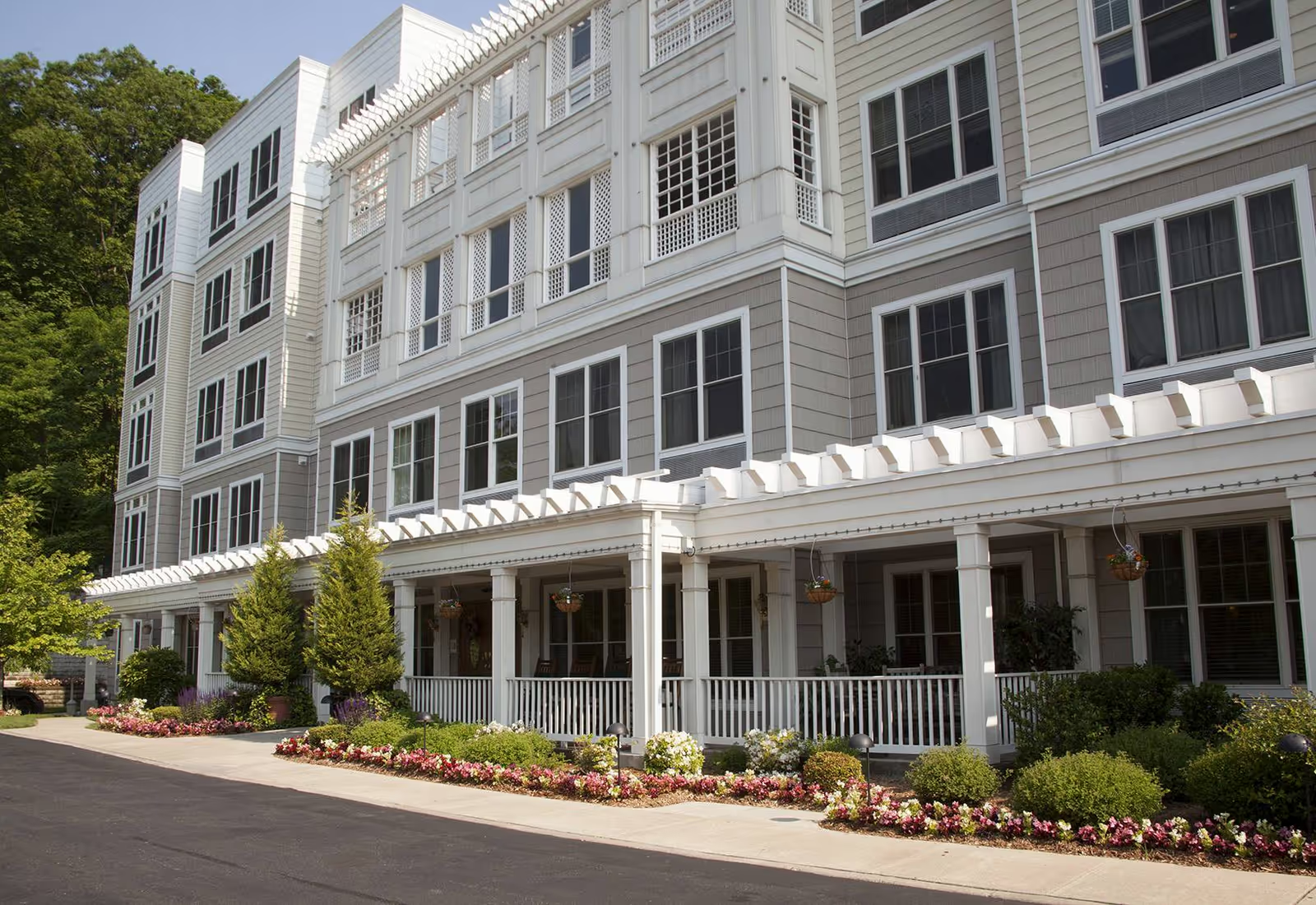
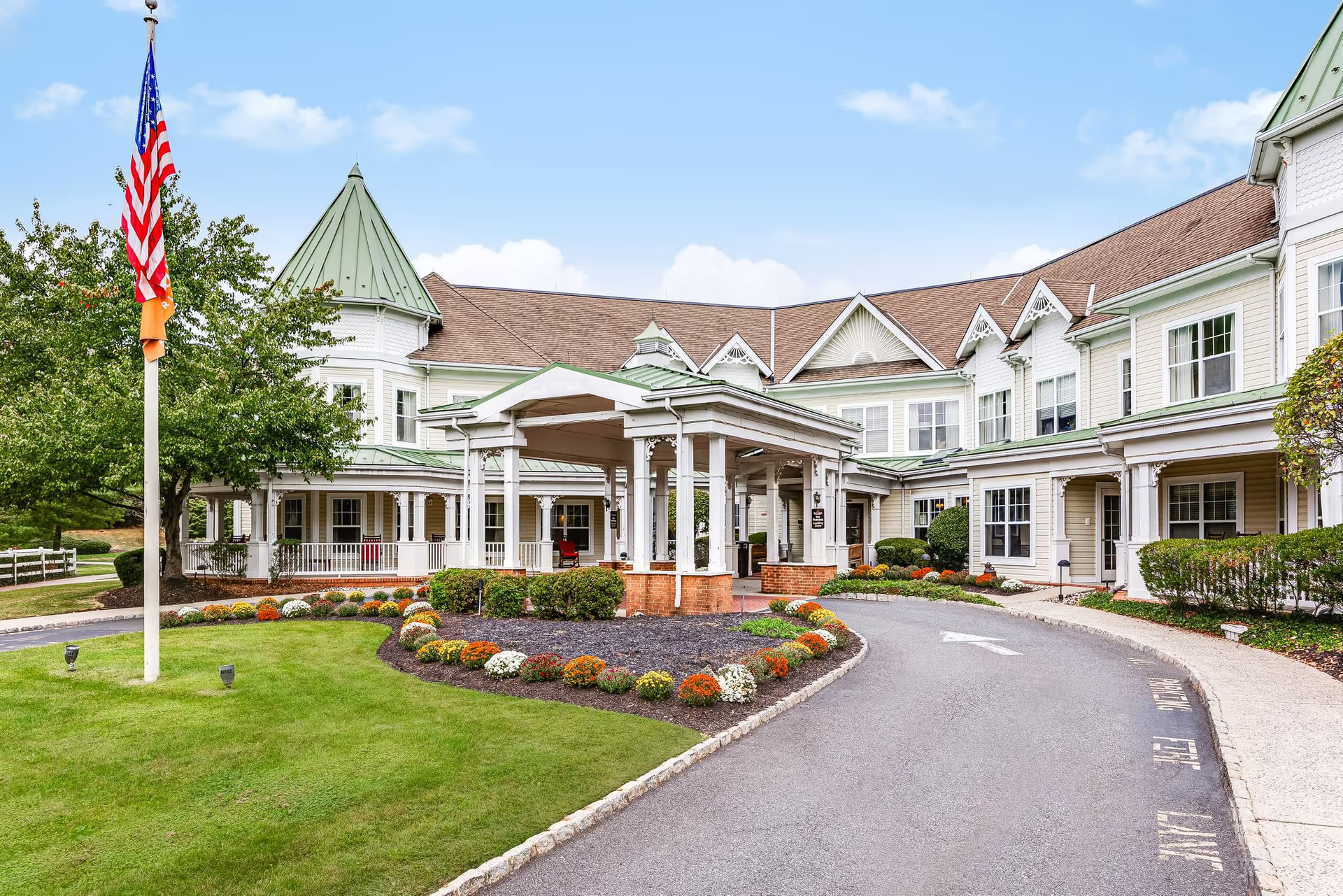
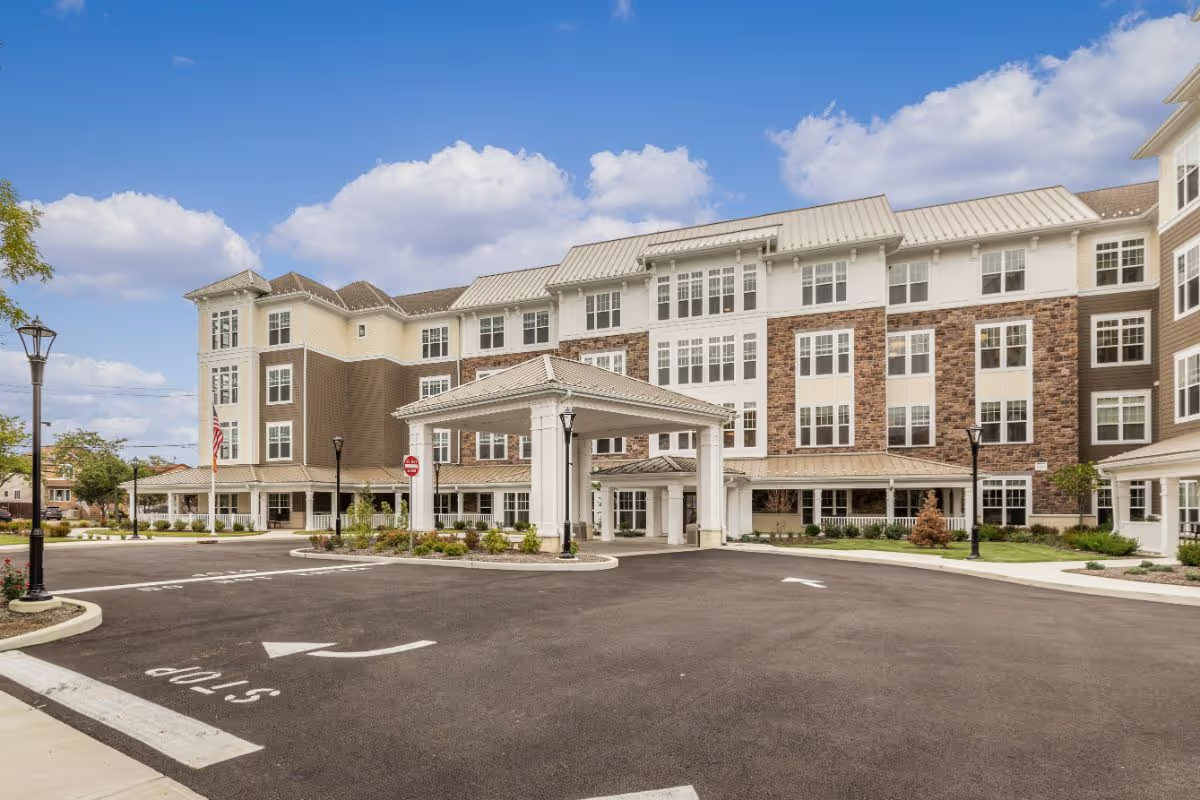
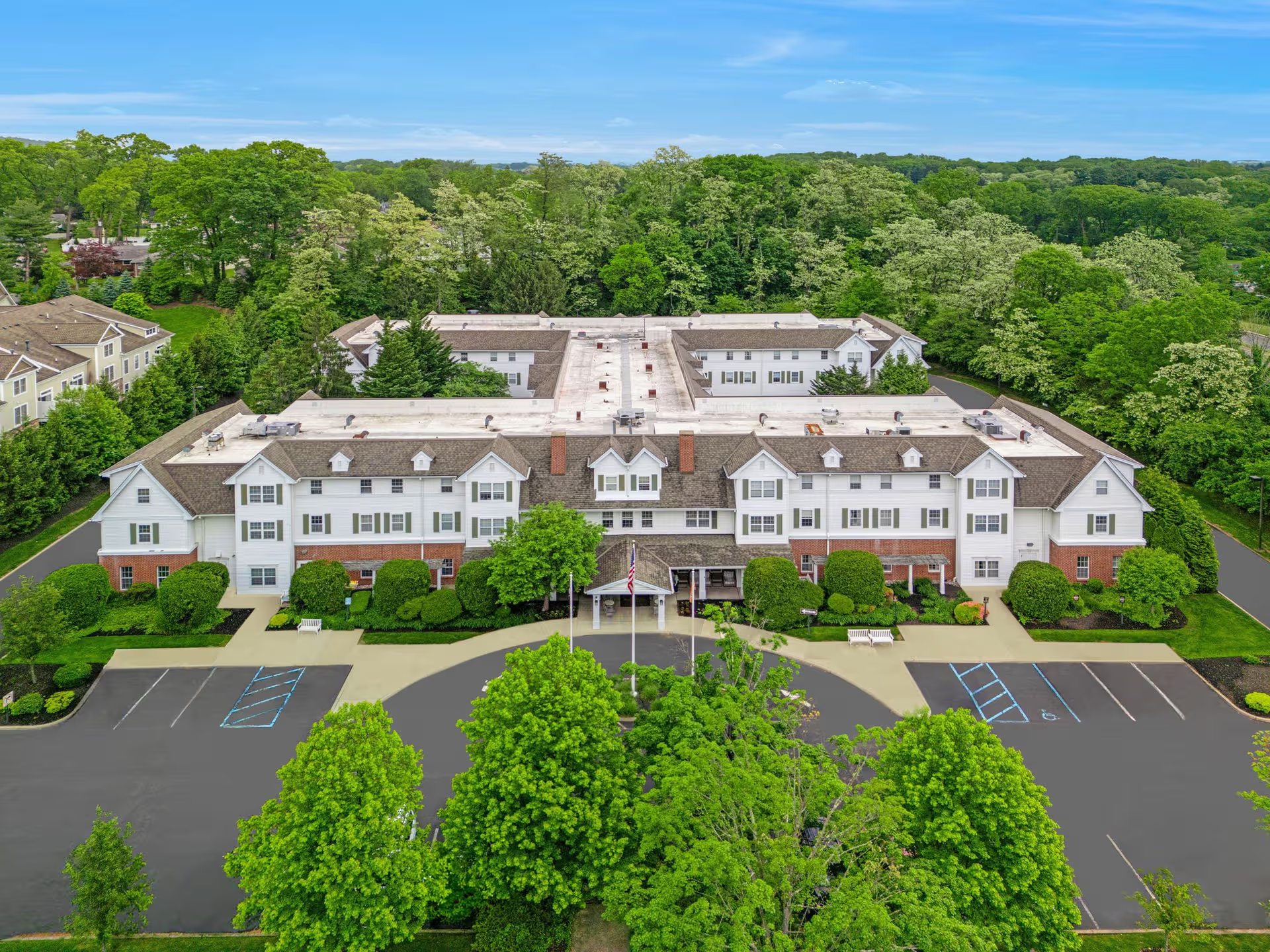
Facilities and logistics: The facility appears to have heterogeneous conditions. Several descriptions point to clean, modern common areas, while other comments note aging rooms, dingy conditions, and odor concerns in some spaces. Housekeeping is commended in many cases but not uniformly. Practical logistics such as limited off-street parking and an inaccurate public listing of hours were also noted as areas to verify when planning a visit.
Notable patterns and guidance for families: The dominant pattern across reviews is variability — high praise for staff and therapy coexisting with operational gaps in maintenance, administrative responsiveness, and clinical continuity. Prospective residents and families would benefit from unit-specific inquiries during tours: ask about medication-continuity procedures, recent maintenance or renovation work in the unit of interest, dining schedules and menu standards, parking arrangements, and the expected channels and frequency for clinical updates. An on-site visit and direct questions to nursing leadership and social services can help clarify whether the strengths highlighted in many accounts are consistent in the particular unit under consideration.