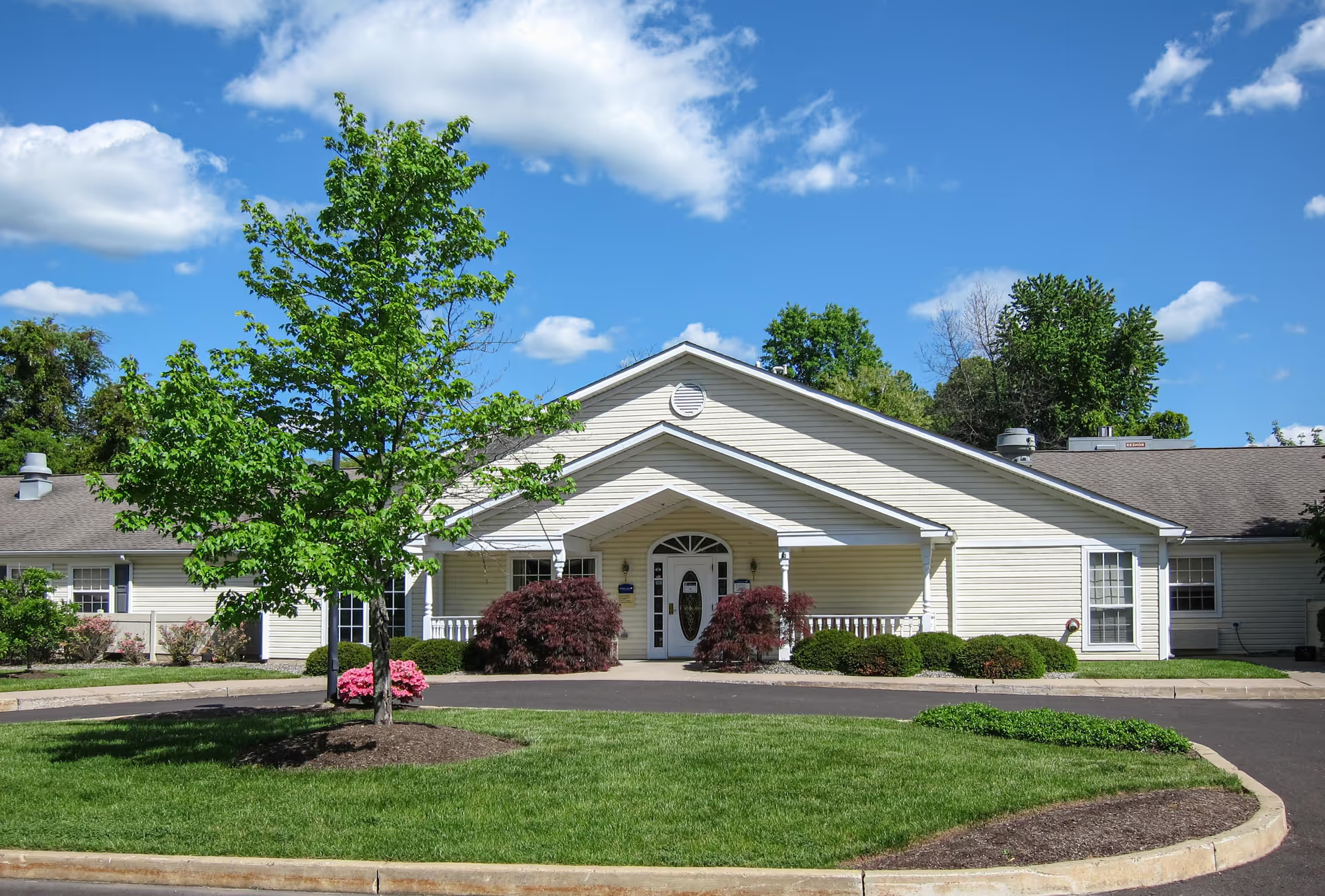
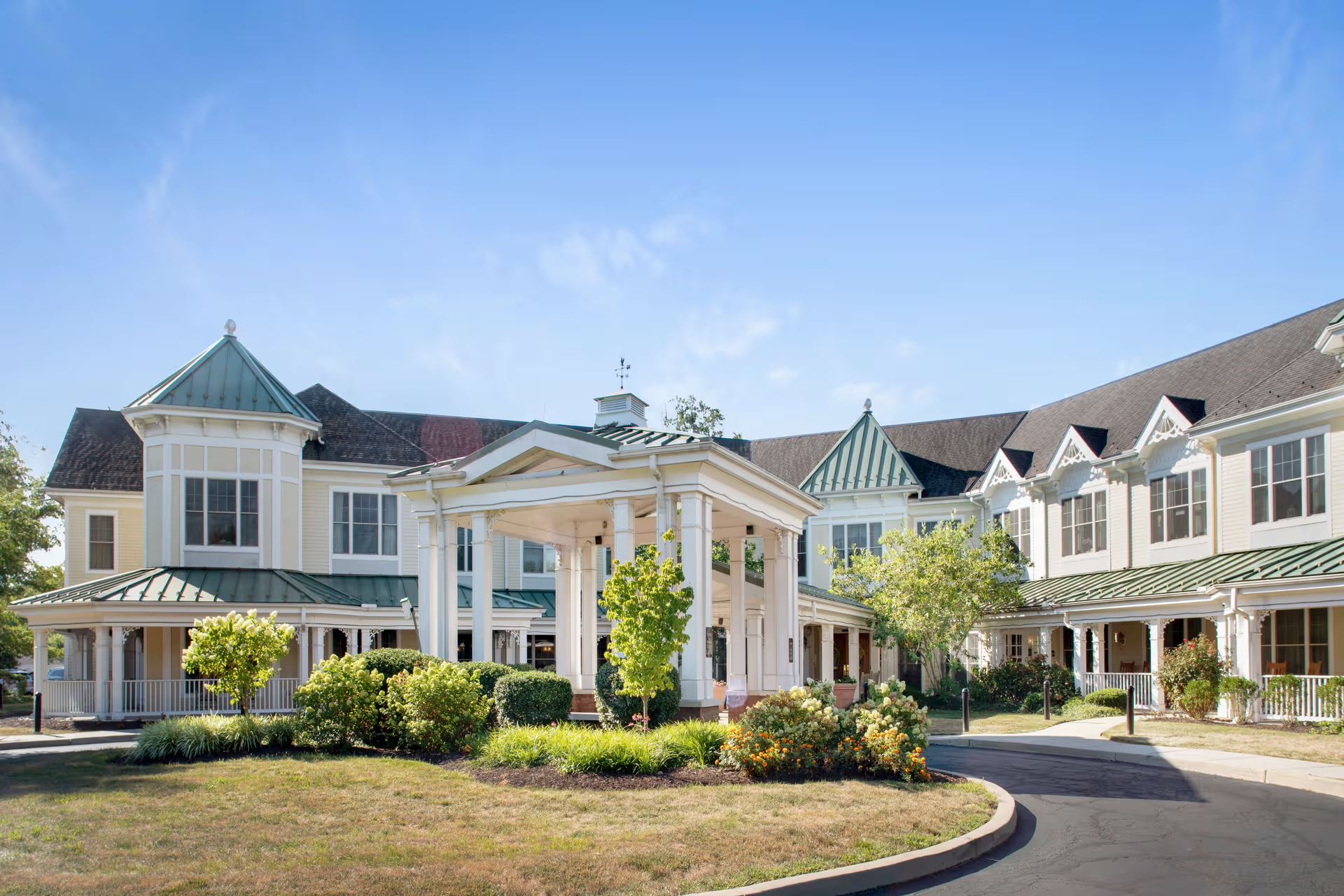
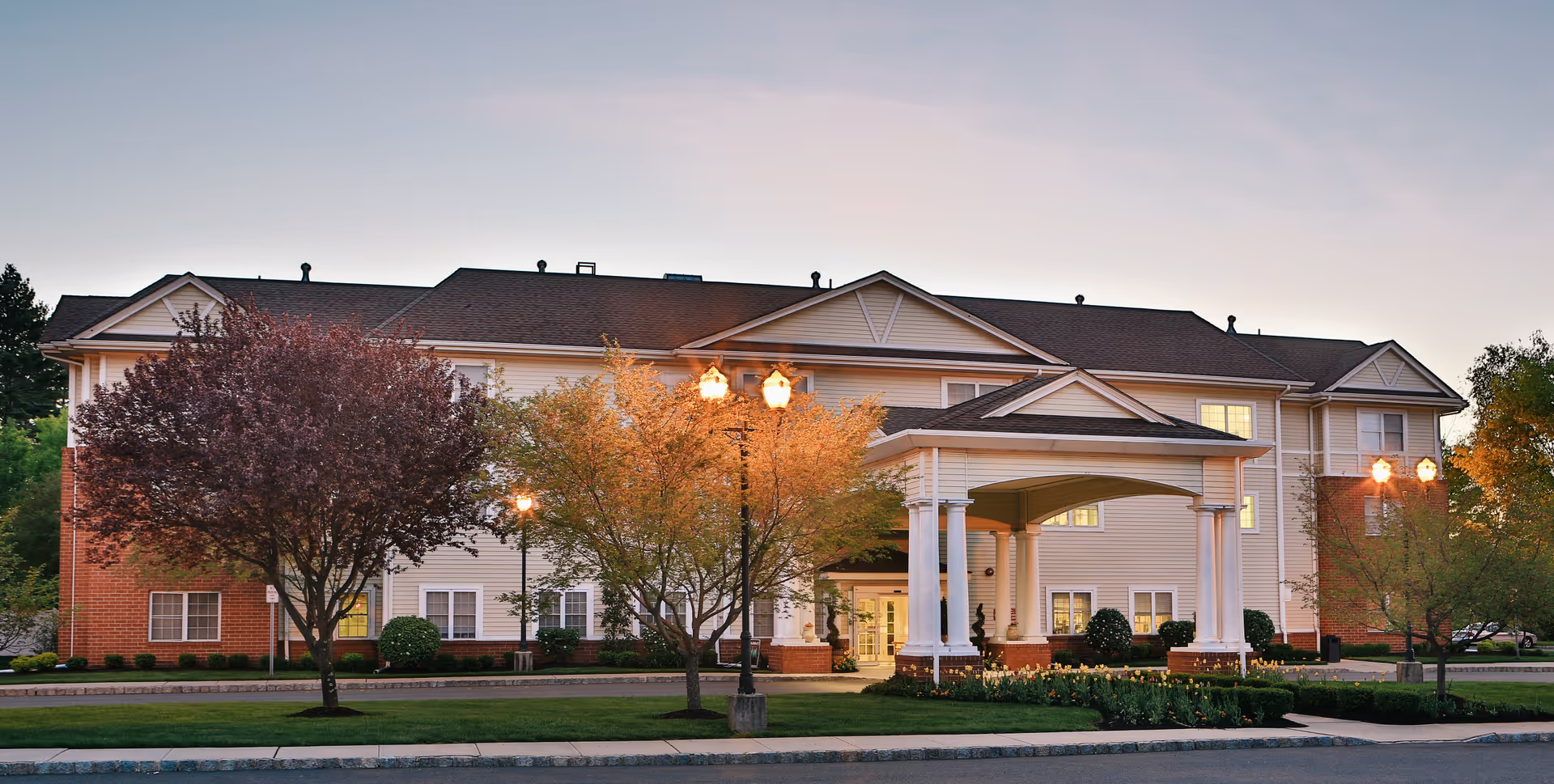
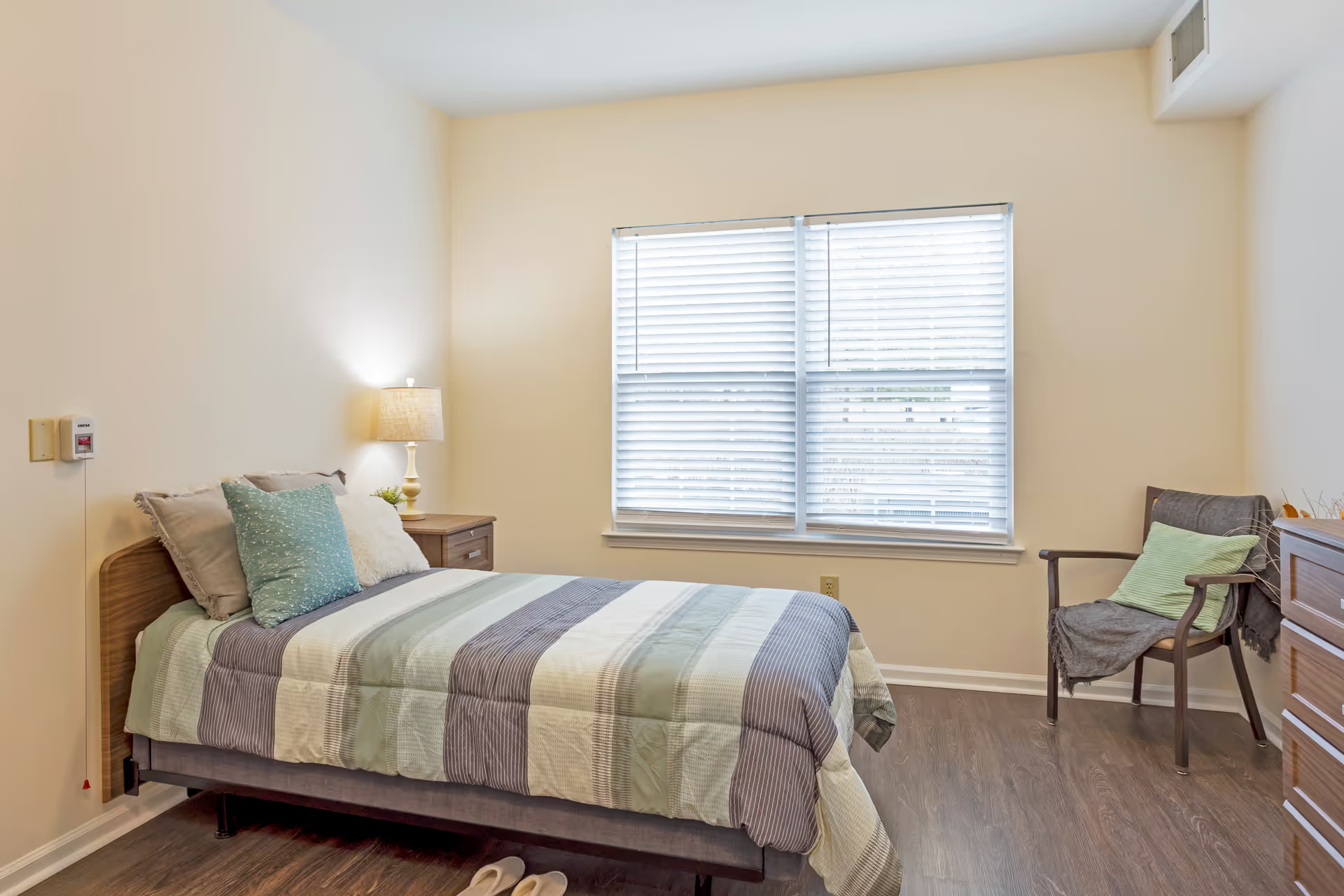
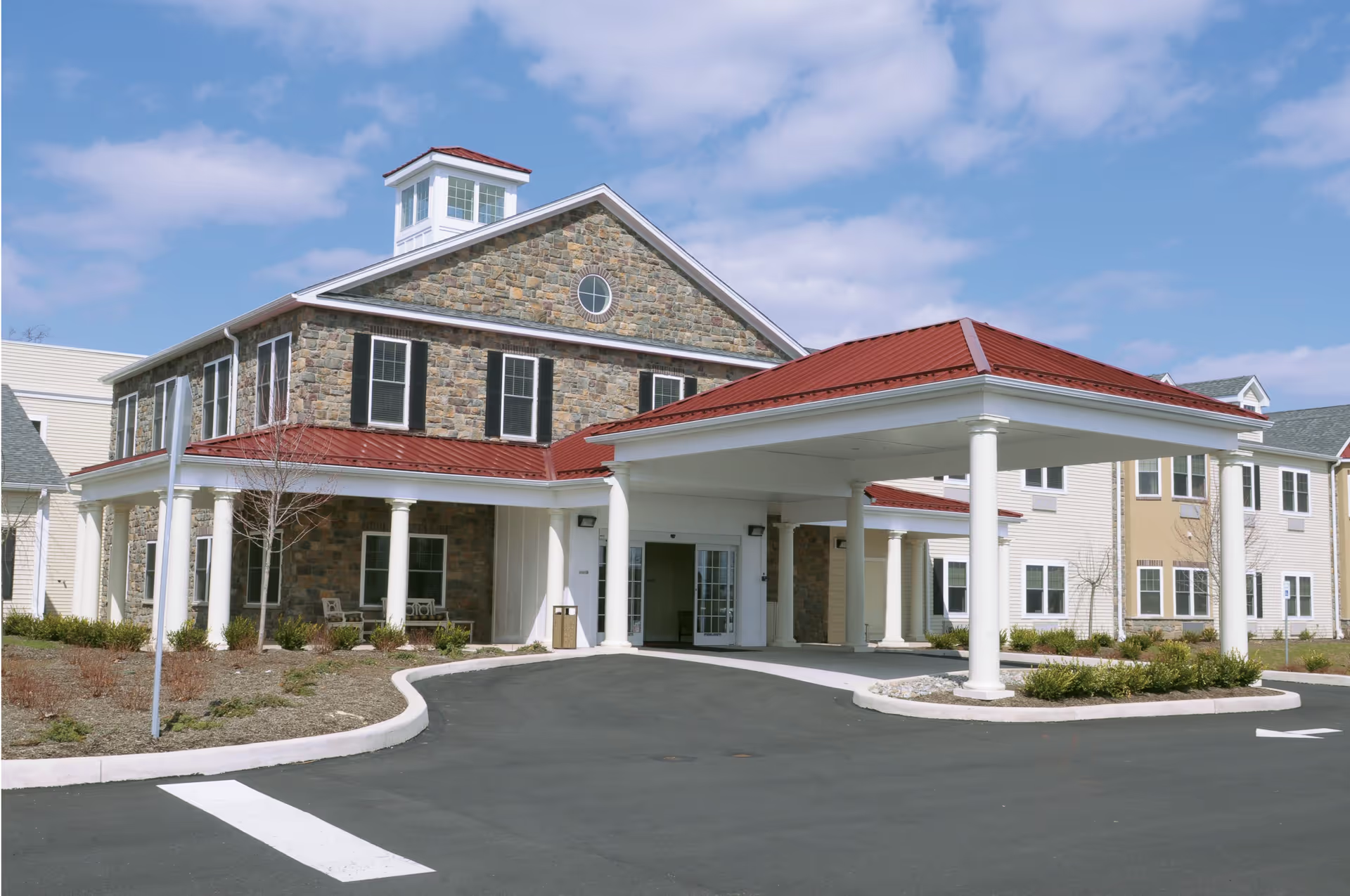
Greenwood House is described by many families as a clean, well-maintained nonprofit facility with a warm, family‑oriented culture and a pleasant wooded campus. Reviewers consistently praise the hands-on nursing staff, CNAs, and therapists — particularly physical and occupational therapy — and highlight effective short-term rehab outcomes, prompt bedside follow-up, and a welcoming reception for residents and visitors. The site supports a locked memory-care unit, offers engaging activities and religious programming, and is perceived by numerous families as providing a supportive environment that yields peace of mind for many residents.
Clinical and caregiving strengths include attentive daily care, proactive therapy programs, and individual staff members who go beyond routine duties to support discharge planning and end‑of‑life wishes. Families reported that call-bell responsiveness and routine-care tasks were often timely, and that therapists and rehabilitation staff were particularly skilled and encouraging. The facility’s nonprofit status and community reputation were also cited as contributors to a positive overall environment.
However, a recurring pattern of operational concerns appears across reviews. Communication with families about acute clinical changes and hospital transfers is inconsistent; several accounts describe delayed or absent notification when residents experienced deterioration or required hospital transport. Reviewers also raised concerns about variable staffing levels and short-staffing, which they linked to inconsistent care quality across shifts. Related safety themes include lapses in transfer and fall-prevention practices. These items point to systemic gaps in clinical-incident response and handoff processes rather than isolated events.
Dining and nutritional feedback is mixed. Some families praised varied meal choices and an attractive dining area, while others described inconsistent meal quality and questioned the adequacy of dietary accommodations for specific needs (for example, diabetic meal planning and protein content). Activity programming and religious services were generally viewed positively, though perceptions of offerings vary with the resident population and unit size.
Administrative and management issues were also noted. Several reviewers described limited visibility of leadership, inconsistent front-desk or phone responsiveness, and a lack of clear guidance on financial-assistance processes; this included confusion about Medicaid acceptance and how to access benefits. Social-services support during transitions to long-term care was described as limited in some cases, leaving families to manage much of the paperwork independently. These administrative gaps, combined with staffing pressures, appear to affect family trust and the consistency of the resident experience.
For prospective residents and families: Greenwood House offers strong rehabilitation services, compassionate direct-care staff, and a clean, community-oriented environment, making it a reasonable option for short-term rehab and many long-term residents. Prior to placement, families should verify current staffing levels and shift coverage, ask about fall-prevention and transfer protocols, confirm dietary accommodations for specific medical needs, clarify Medicaid acceptance and financial-assistance procedures, and request the facility’s communication policy for clinical changes and hospital transfers. Those steps will help align expectations with the facility’s strengths and the operational variability described by several families.