Reviews present a mixed picture of care and operations at the facility. Several accounts praise individual caregivers, nurses, and certain administrative staff for being helpful, communicative, and improvement-oriented; some family members described meaningful advocacy and visible upgrades to rooms and processes. At the same time, a substantial portion of feedback identifies persistent operational weaknesses that affect daily living, safety perceptions, and overall satisfaction.
Care quality and staffing: Feedback indicates variability in direct-care experiences. Many reviewers describe compassionate, attentive caregivers and moments of strong advocacy, but there is also consistent mention of inconsistent staffing levels, delayed assistance with personal care, and uneven staff responsiveness. These patterns suggest staffing stability and scheduling may be an ongoing operational challenge affecting timely care delivery and oversight of clinical incidents.
Staff conduct and management: Reviewers highlight both positive and negative interactions with staff and managers. While some families commend specific staff members and an administration that has pursued process improvements, other accounts cite concerns about staff professionalism, communication tone, and inconsistent follow-through. There are also comments about delayed or incomplete communication to families after incidents, indicating potential gaps in incident-response protocols and family notification practices.
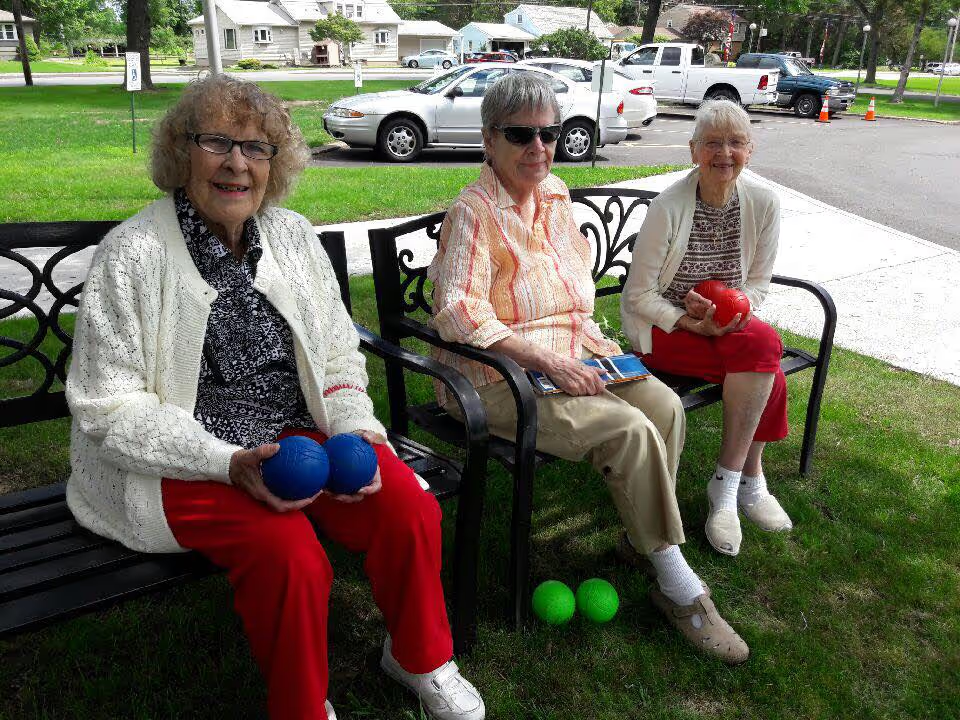
Dining and activities: Descriptions of the activity program are generally favorable, with reports of organized events and engaged staff-led activities. Dining experiences are mixed; some residents and families find meals acceptable, while others report issues with food temperature, variety, and adherence to dietary needs (including concerns about consistency with specified diets). These observations point to variability in meal preparation and dietary management rather than a uniformly consistent program.
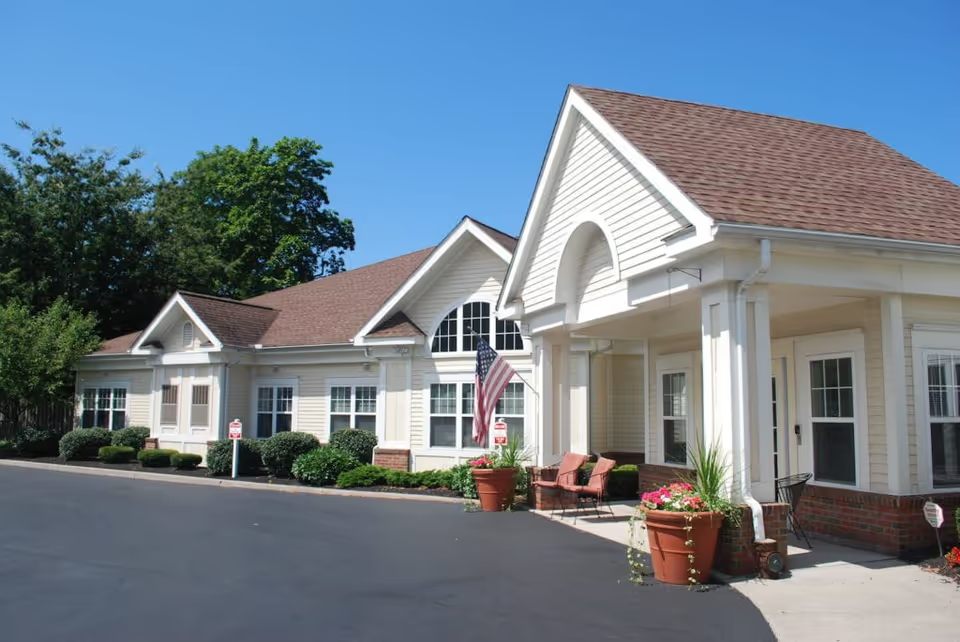
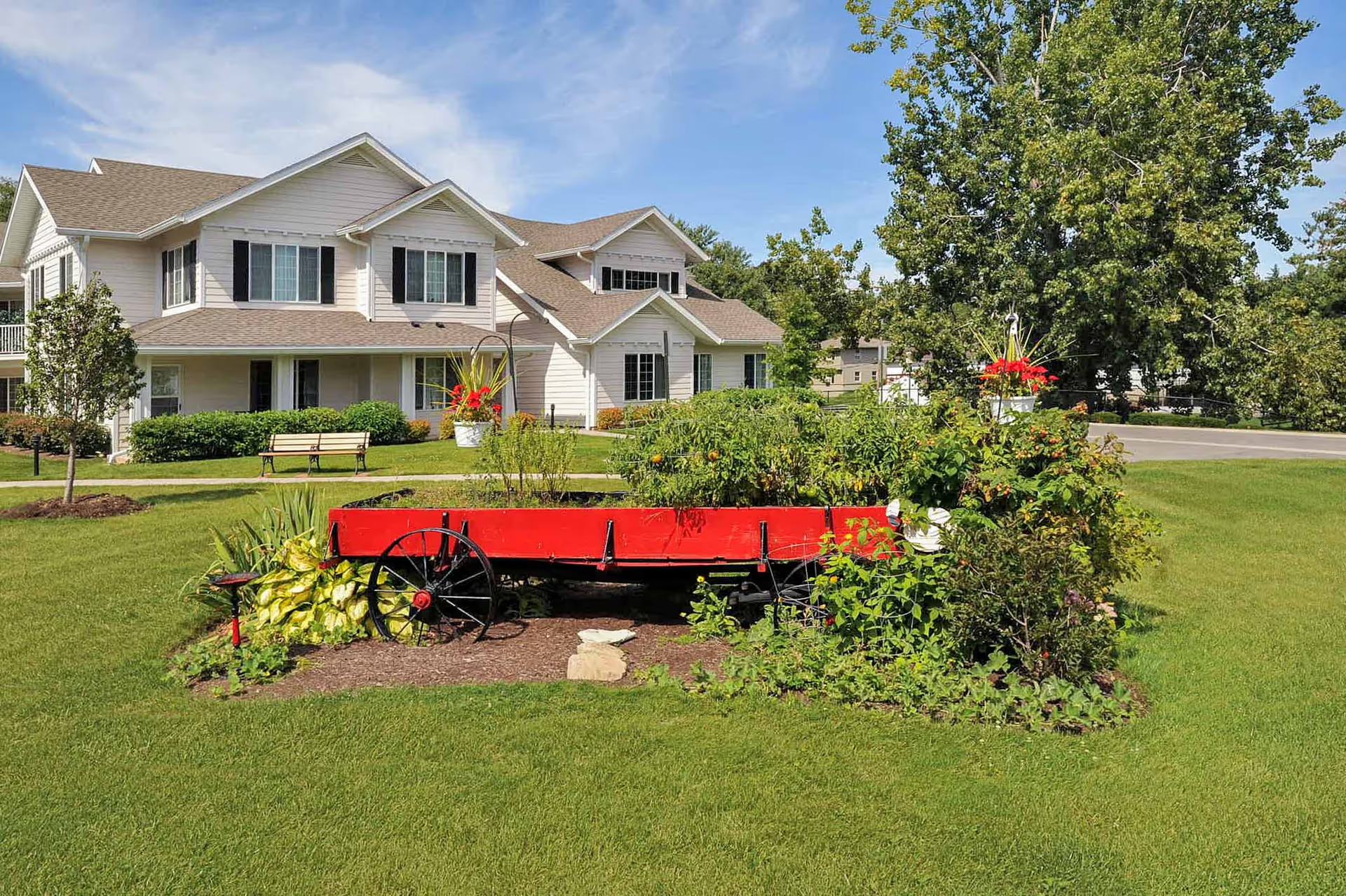
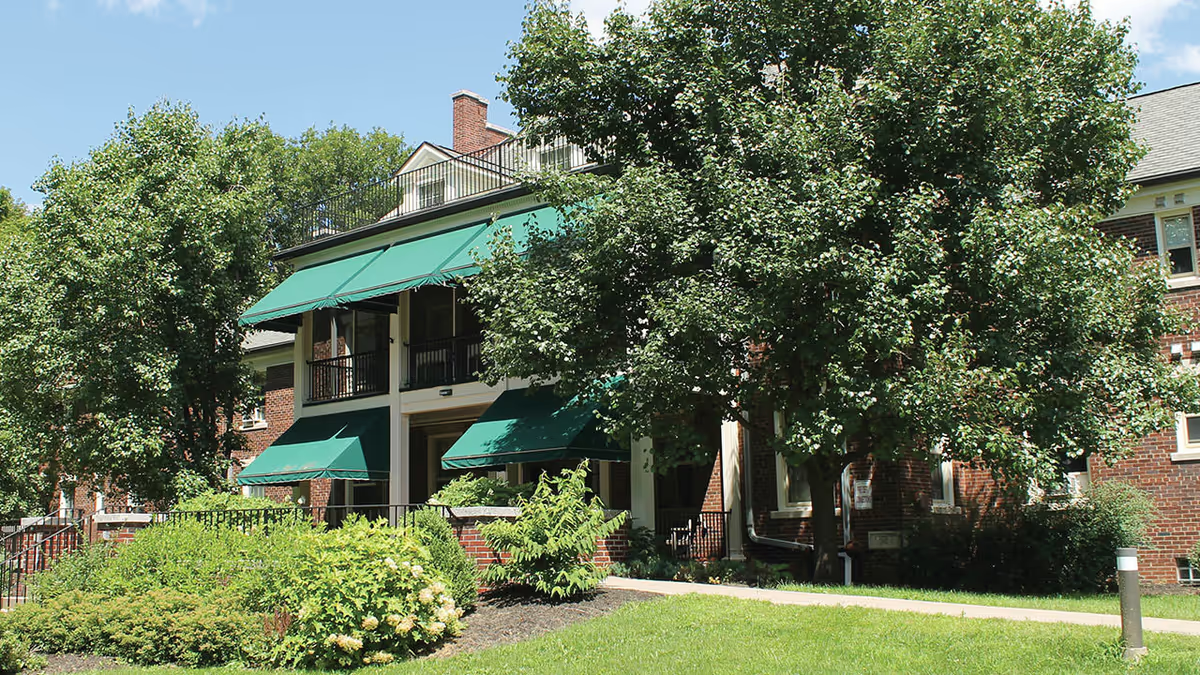
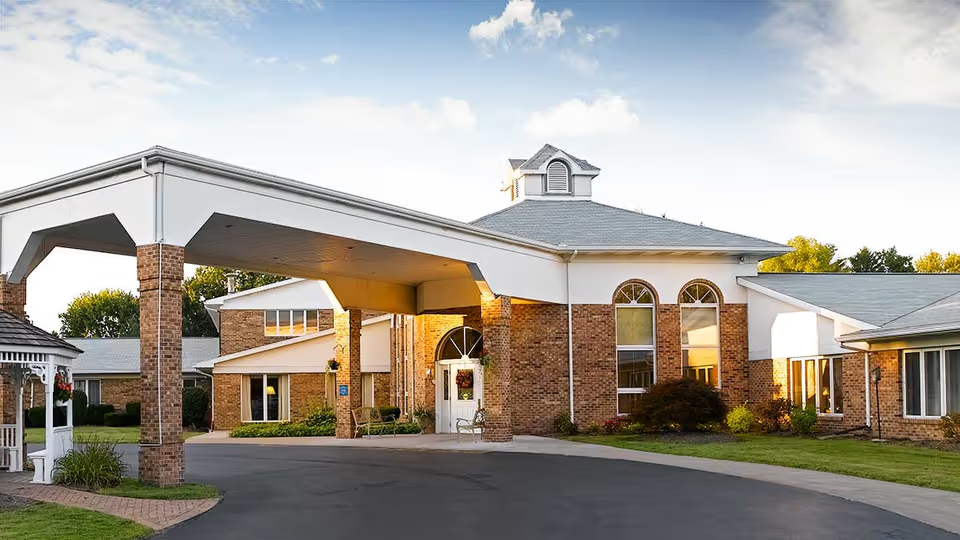
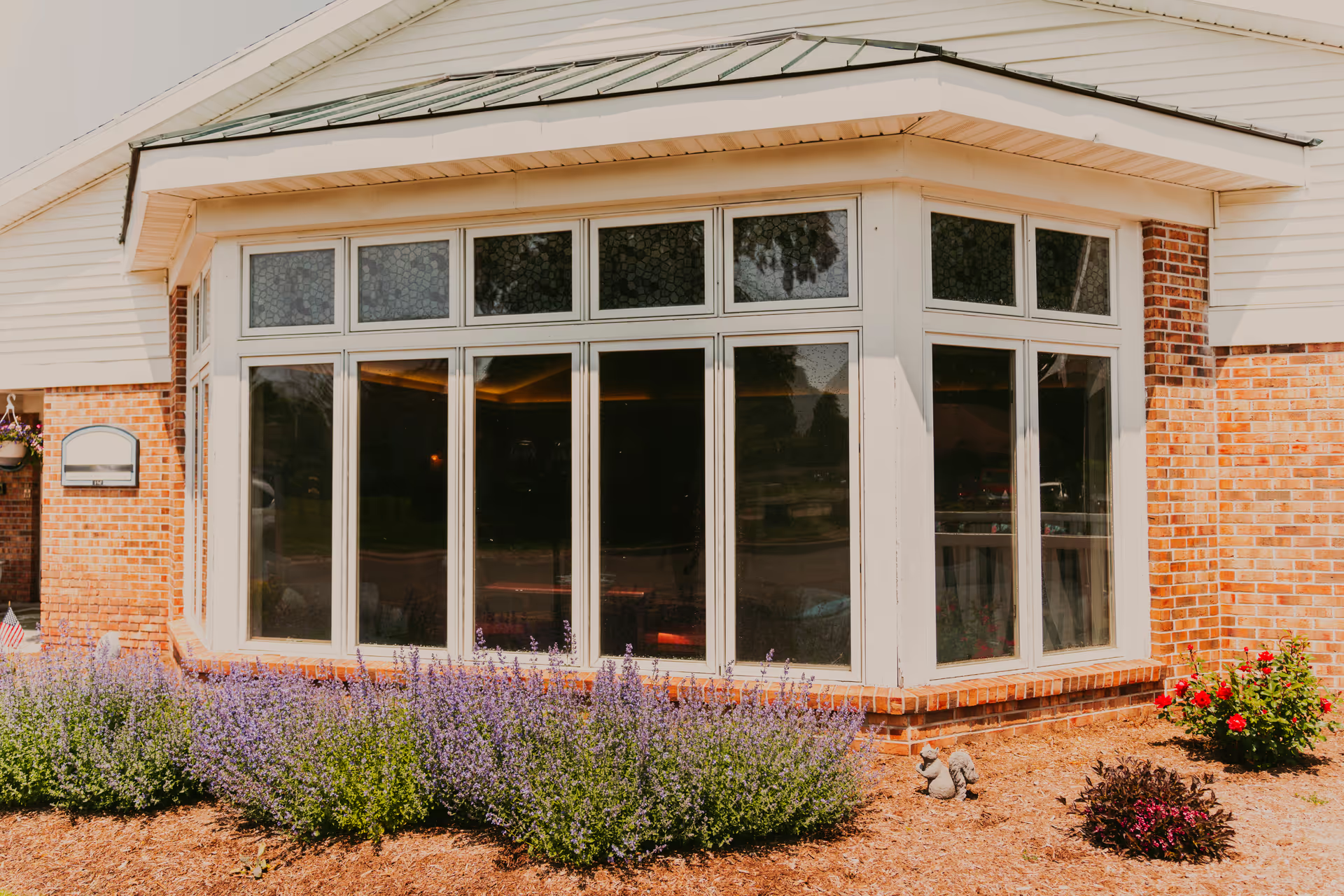
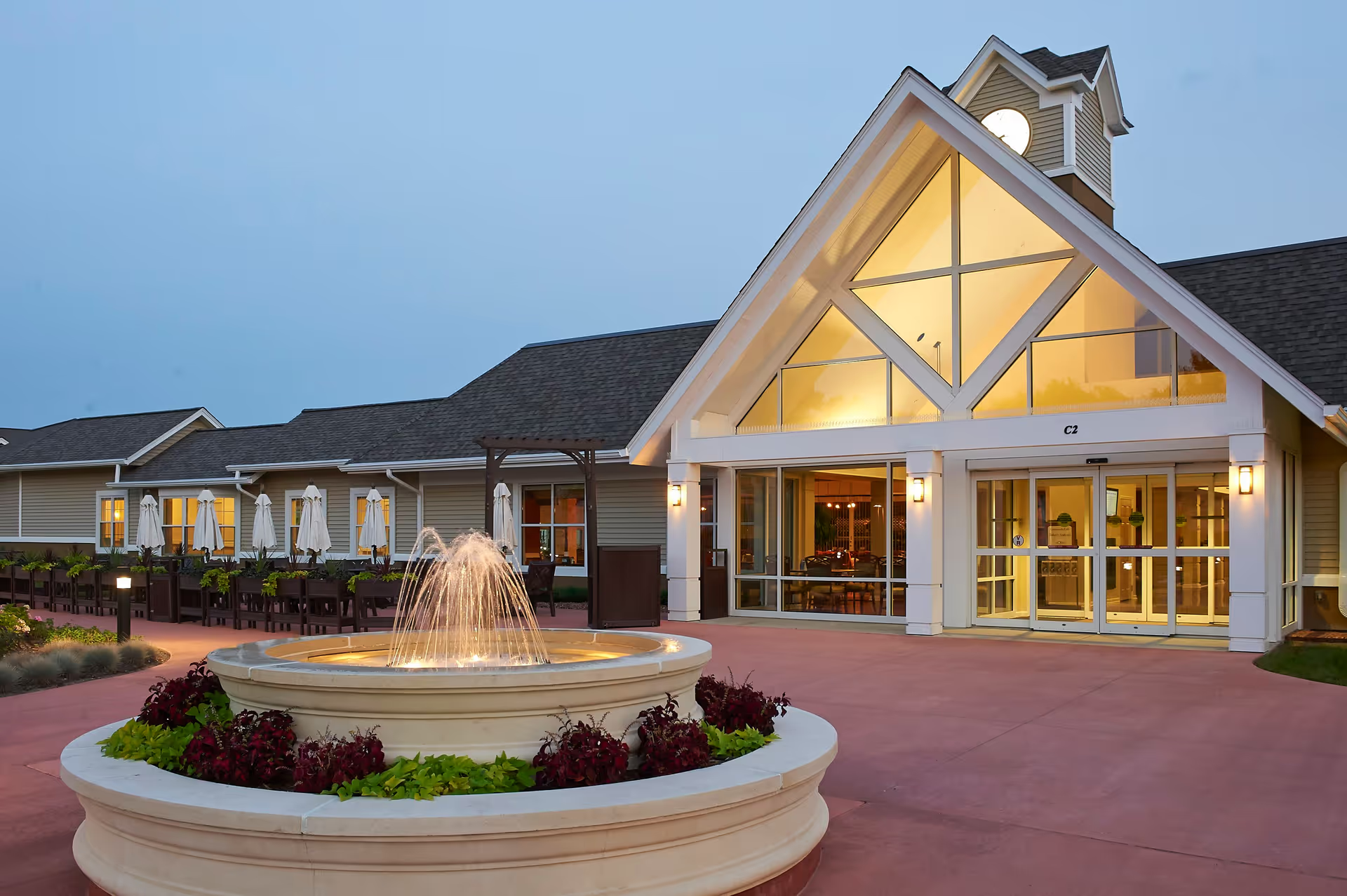
Facilities, maintenance, and safety: Multiple reviews raise concerns about the physical environment and maintenance. Common themes include housekeeping shortfalls, odor concerns in shared areas and elevators, visible need for repairs (windows, wall damage), and limited elevator availability. Pest-control concerns and questions about the effectiveness of remediation efforts were also mentioned. Separately, reviewers identified security and monitoring gaps such as unsecured entries, nonfunctional cameras, and an unattended front desk; these issues contribute to family concerns about resident safety and property protection.
Regulatory and serious allegations: Some feedback references regulatory attention and serious allegations, including stolen personal items and other grievances. Use of the term "allegations" is warranted for these matters, as they extend beyond routine complaints and suggest the need for formal review by oversight authorities. Families expressing extreme dissatisfaction urged reporting to regulators or media, reflecting the depth of their concerns in certain cases.
Notable patterns and guidance for prospective families: The overall pattern is one of variable performance — strong individual caregivers and engaged administrators coexist with operational weaknesses in staffing, sanitation, maintenance, security, and food service. Prospective residents and families should ask targeted questions about current staffing ratios and turnover, recent or planned pest-control and maintenance work, security and monitoring practices at entrances and common areas, dietary accommodations and meal-temperature controls, and the facility's incident-notification policies. Requesting recent inspection reports and speaking directly with current resident families can help clarify whether the facility's positive improvements are sustained and whether outstanding operational issues have been addressed.